@ThaiEnquirer The latest arsenic measurement in north Thai rivers (water flow) are in excess of the baseline by a very small amount. In fact, that measurement is visibly better than many other parts of the world including Australia.
@CollinSLKoh The latest arsenic measurement in north Thai rivers are in excess of the baseline by a very small amount. In fact, that measurement is visibly better than many other parts of the world including Australia.
@CollinSLKoh Hear out Gemini: China sending troops to fight in the Korean war was a defensive or pre-emptive action, with the Chinese giving a warning to the Americans well in advance, but to which the Americans simply ignored out of hubris.
@CollinSLKoh A putative arms race is on between the rare earth-less allies vs China, while the US embarks on reverse gear into foggy uncertainty.
https://t.co/RZ4FsacSCf
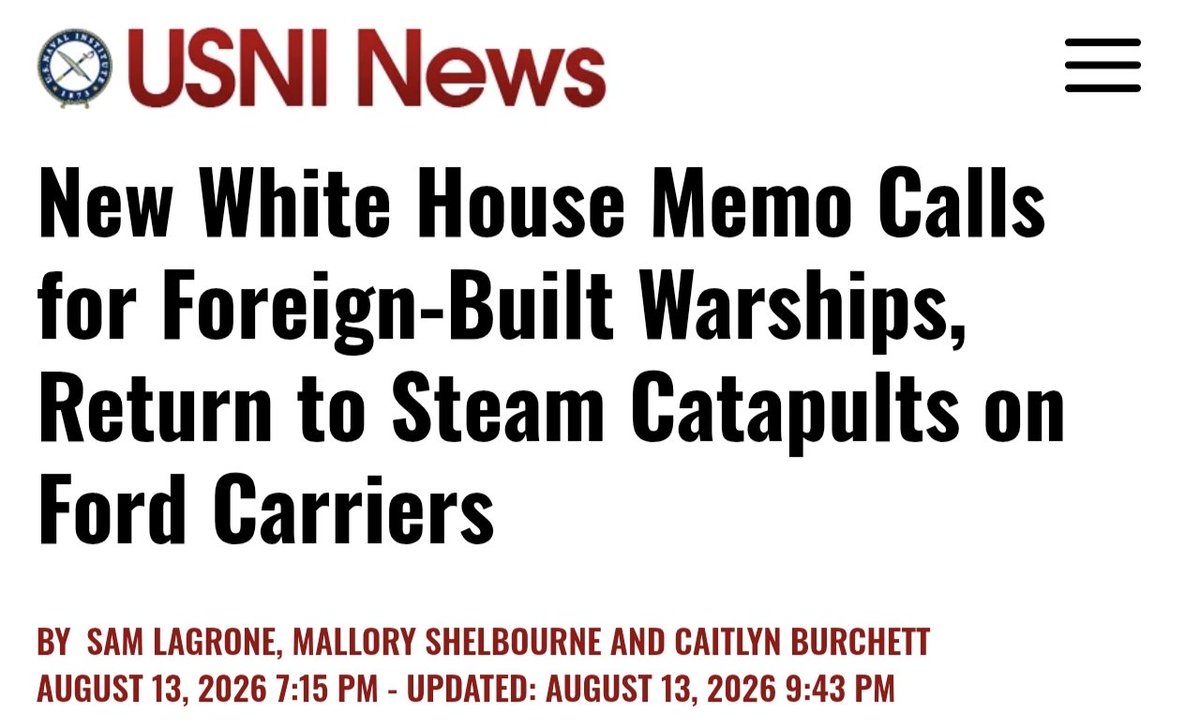
𝙏𝙝𝙚 𝙐.𝙎. 𝙉𝙖𝙫𝙖𝙡 𝙋𝙞𝙫𝙤𝙩 𝙛𝙧𝙤𝙢 𝙀𝙈𝘼𝙇𝙎 𝙗𝙖𝙘𝙠 𝙩𝙤 𝙎𝙩𝙚𝙖𝙢 𝙋𝙧𝙤𝙥𝙪𝙡𝙨𝙞𝙤𝙣
President Trump has formally mandated a reversal of the U.S. Navy’s transition to electromagnetic aircraft launch systems (EMALS). On August 13, the President signed a national security memorandum directing that all future Ford-class aircraft carriers—beginning with the 4th hull, the USS Doris Miller—be outfitted with traditional steam catapult systems. The first 3 ships of the class currently remain exempt from this directive.
𝗣𝗼𝗹𝗶𝗰𝘆 𝗥𝗮𝘁𝗶𝗼𝗻𝗮𝗹𝗲 𝗮𝗻𝗱 𝗦𝘂𝘀𝘁𝗮𝗶𝗻𝗺𝗲𝗻𝘁 𝗖𝗼𝗻𝗰𝗲𝗿𝗻𝘀
The administration’s decision follows a series of public critiques regarding the perceived unreliability and complexity of the Ford-class’s advanced systems.
𝗦𝘆𝘀𝘁𝗲𝗺 𝗖𝗼𝗺𝗽𝗹𝗲𝘅𝗶𝘁𝘆: The administration has highlighted concerns that electromagnetic systems rely on ultra-complex software and sensor architectures that complicate organic shipboard maintenance.
𝗠𝗮𝗶𝗻𝘁𝗲𝗻𝗮𝗻𝗰𝗲 𝗕𝘂𝗿𝗱𝗲𝗻: Officials have argued that current EMALS technology necessitates flying in specialized contractor support for troubleshooting, whereas legacy steam systems offer greater mechanical transparency and ease of field-level maintenance for naval personnel.
𝗧𝗲𝗰𝗵𝗻𝗶𝗰𝗮𝗹 𝗮𝗻𝗱 𝗢𝗽𝗲𝗿𝗮𝘁𝗶𝗼𝗻𝗮𝗹 𝗖𝗼𝗺𝗽𝗮𝗿𝗮𝘁𝗶𝘃𝗲 𝗔𝗻𝗮𝗹𝘆𝘀𝗶𝘀
From a strategic and technological standpoint, the transition represents a departure from the operational advantages inherent in electromagnetic launch technology, with the following tradeoffs:
𝘓𝘪𝘮𝘪𝘵𝘢𝘵𝘪𝘰𝘯𝘴 𝘰𝘧 𝘓𝘦𝘨𝘢𝘤𝘺 𝘚𝘵𝘦𝘢𝘮 𝘚𝘺𝘴𝘵𝘦𝘮𝘴
𝗘𝗻𝗲𝗿𝗴𝘆 𝗘𝗳𝗳𝗶𝗰𝗶𝗲𝗻𝗰𝘆: Legacy steam systems operate via boiler energy conversion with a poor thermal efficiency often below 50%.
𝗢𝗽𝗲𝗿𝗮𝘁𝗶𝗼𝗻𝗮𝗹 𝗖𝗼𝗻𝘀𝘁𝗿𝗮𝗶𝗻𝘁𝘀: Steam output lacks dynamic scalability, posing structural risks to lightweight unmanned aerial vehicles. Furthermore, these systems require high-volume resource consumption, consuming over a ton of freshwater per launch. In high-latitude operating environments, this discharge creates severe icing hazards on the flight deck.
𝘈𝘥𝘷𝘢𝘯𝘵𝘢𝘨𝘦𝘴 𝘰𝘧 𝘌𝘭𝘦𝘤𝘵𝘳𝘰𝘮𝘢𝘨𝘯𝘦𝘵𝘪𝘤 𝘚𝘺𝘴𝘵𝘦𝘮𝘴
𝗗𝘆𝗻𝗮𝗺𝗶𝗰 𝗦𝗰𝗮𝗹𝗮𝗯𝗶𝗹𝗶𝘁𝘆: Electromagnetic catapults offer infinitely adjustable thrust, allowing the system to seamlessly accommodate a wide range of platforms, from heavy carrier-based aircraft of 30 to 40 tons to lightweight unmanned systems of a few tons.
𝗘𝗻𝗲𝗿𝗴𝘆 𝗘𝗳𝗳𝗶𝗰𝗶𝗲𝗻𝗰𝘆: EMALS demonstrates superior electrical conversion efficiency, typically exceeding 60%, and maintains operational capability across diverse global latitudes.
𝗜𝗺𝗽𝗹𝗲𝗺𝗲𝗻𝘁𝗮𝘁𝗶𝗼𝗻 𝗖𝗵𝗮𝗹𝗹𝗲𝗻𝗴𝗲𝘀 𝗮𝗻𝗱 𝗜𝗻𝗱𝘂𝘀𝘁𝗿𝗶𝗮𝗹 𝗕𝗮𝘀𝗲 𝗔𝘁𝗿𝗼𝗽𝗵𝘆
The directive to revert to steam propulsion faces significant structural hurdles due to the decades-long focus on electromagnetic development:
𝗜𝗻𝗱𝘂𝘀𝘁𝗿𝗶𝗮𝗹 𝗕𝗮𝘀𝗲 𝗗𝗲𝗰𝗮𝘆: The production infrastructure for the C13 steam catapult series was largely decommissioned following the delivery of the final Nimitz-class carrier, the USS George H.W. Bush, in 2009. Re-establishing this capability would require a substantial capital investment to rebuild manufacturing lines and resuscitate a severed supply chain.
𝗡𝗮𝘃𝗮𝗹 𝗔𝗿𝗰𝗵𝗶𝘁𝗲𝗰𝘁𝘂𝗿𝗲 𝗕𝗮𝗿𝗿𝗶𝗲𝗿𝘀: The Ford-class was engineered around an all-electric power distribution architecture. Retrofitting steam catapults would necessitate an extensive redesign of the ship’s internal compartment and storage layouts, weight distribution, and extensive steam-piping infrastructure.
𝗙𝗼𝗿𝗰𝗲 𝗦𝘁𝗿𝘂𝗰𝘁𝘂𝗿𝗲 𝗥𝗲𝗮𝗱𝗶𝗻𝗲𝘀𝘀: Given that the Nimitz-class fleet is currently entering its retirement phase, any construction delays stemming from this redesign could exacerbate existing gaps in global naval presence and power projection. This could turn out to be the biggest risk posed to the U.S. navy in the years ahead.
Remember Clinton said: "Stupid, it's the economy!" Now I would say: "Stupid, it is not the Fed, it is the Treasury. They can't risk an underwhelming auction in the rest of 2026 when many $ trillions need to be refinanced. If the Fed eases policy too aggressively while massive deficits require continuous absorption by the market amidst buoyant employment and stubborn inflation, it risks steepening the yield curve and inflating long-term borrowing costs—complicating the Treasury's job.
@CollinSLKoh Looking unlikely America will honor it'ls treaty obligations even if North Korea attacks South Korea unless the US gets a 'good' deal out of Seoul, or it would work its way out of it with a made-up narrative.
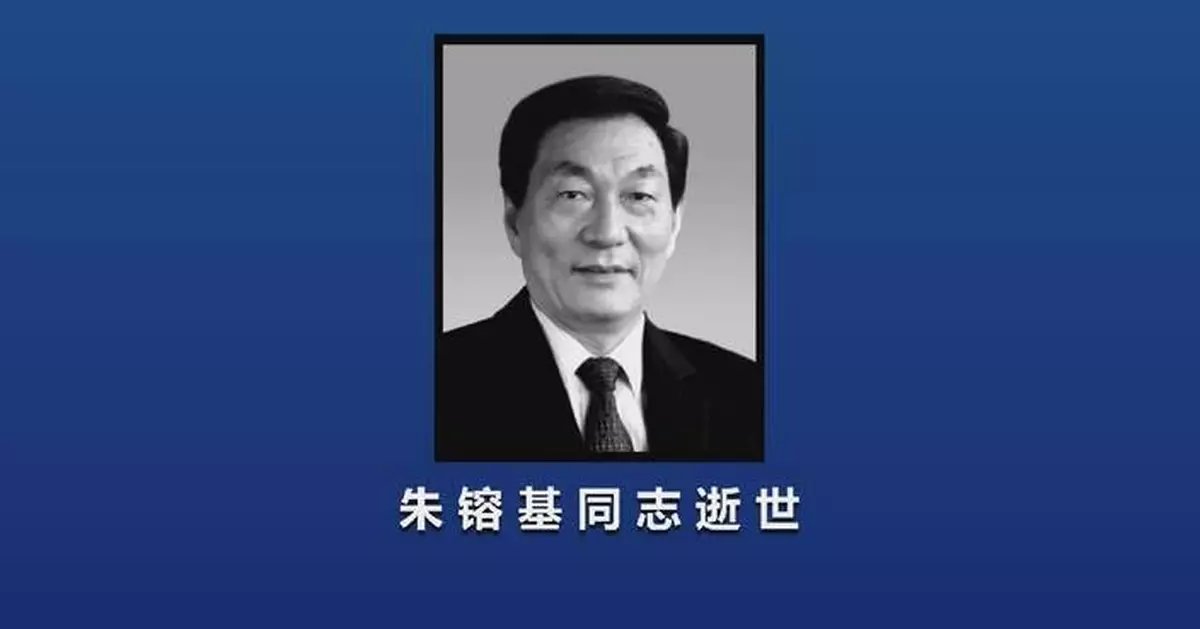
𝙏𝙝𝙚 𝘼𝙣𝙖𝙩𝙤𝙢𝙮 𝙤𝙛 𝙎𝙚𝙡𝙚𝙘𝙩𝙞𝙫𝙚 𝙁𝙧𝙖𝙢𝙞𝙣𝙜: 𝘼 𝘾𝙧𝙞𝙩𝙞𝙦𝙪𝙚 𝙤𝙛 𝙒𝙚𝙨𝙩𝙚𝙧𝙣 𝘾𝙤𝙢𝙢𝙚𝙣𝙩𝙖𝙧𝙮 𝙤𝙣 𝙕𝙝𝙪 𝙍𝙤𝙣𝙜𝙟𝙞
In the ecosystem of Western foreign policy commentary and international journalism, few analytical habits are as persistent or as revealing as the selective packaging of Chinese political figures.
When prominent Western analysts, media outlets, and think tanks write about former Chinese Premier Zhu Rongji, they frequently deploy a familiar constellation of labels: "reform-minded," "liberal-leaning," "pro-West," and an "economics guru."
To the casual readers consuming these narratives, the intended portrait is clear. Zhu is implicitly framed as an enlightened, quasi-Western technocrat who stood at odds with the core tenets of the Chinese Communist Party (CCP) political system, offering a nostalgic alternative to contemporary governance.
However, this portrayal relies on a profound curation of omission. By spotlighting specific elements of Zhu’s career while erasing others, Western commentators engage in a sophisticated rhetorical exercise. Understanding this phenomenon requires examining both what these commentaries leave out and what strategic geopolitical objectives lie behind their selective memory.
𝙄. 𝙏𝙝𝙚 𝙊𝙢𝙞𝙩𝙩𝙚𝙙 𝙍𝙚𝙖𝙡𝙞𝙩𝙮: 𝘼 𝙇𝙞𝙛𝙚𝙡𝙤𝙣𝙜 𝘾𝙤𝙢𝙢𝙪𝙣𝙞𝙨𝙩 𝙖𝙣𝙙 𝙎𝙩𝙖𝙩𝙚 𝘽𝙪𝙞𝙡𝙙𝙚𝙧
To label Zhu Rongji as "pro-West" or implicitly "anti-CCP" is to fundamentally misread—or deliberately distort—his entire biography and ideological orientation.
𝗨𝗻𝘄𝗮𝘃𝗲𝗿𝗶𝗻𝗴 𝗣𝗮𝗿𝘁𝘆 𝗟𝗼𝘆𝗮𝗹𝘁𝘆: Zhu was a lifelong member of the CCP who joined its ranks before the founding of the People's Republic. His political survival and rise were predicated on an absolute commitment to party discipline and the survival of the socialist state. When he faced political persecution during the Mao era—spending decades sidelined—his grievances were ideological or administrative disputes over economic planning, never a rejection of one-party rule or a desire to import Western constitutionalism.
𝗥𝗲𝗷𝗲𝗰𝘁𝗶𝗼𝗻 𝗼𝗳 𝗪𝗲𝘀𝘁𝗲𝗿𝗻 𝗗𝗲𝗺𝗼𝗰𝗿𝗮𝗰𝘆: As historians and biographers note, Zhu was an ardent nationalist who flatly rejected the applicability of Western liberal democracy to China. He viewed political stability as the supreme prerequisite for modernization. In his own reflections on the 1989 political disturbance, Zhu maintained that the core issue with the protesters was their desire for change divorced from institutional rule of law and party leadership.
𝗜𝗿𝗼𝗻-𝗙𝗶𝘀𝘁𝗲𝗱 𝗔𝗻𝘁𝗶-𝗖𝗼𝗿𝗿𝘂𝗽𝘁𝗶𝗼𝗻 𝗣𝗶𝗼𝗻𝗲𝗲𝗿: Western commentary frequently praises contemporary anti-corruption campaigns under Xi as party infighting and divisive power struggle while attempting to paint historical figures like Zhu as gentle market liberals. Yet, Zhu was famously merciless in his administrative discipline. Rather than seeking public applause or popularity, Zhu famously stated that he would rather be remembered 𝙖𝙨 𝙖 𝙣𝙤𝙣-𝙘𝙤𝙧𝙧𝙪𝙥𝙩 𝙤𝙛𝙛𝙞𝙘𝙞𝙖𝙡 𝙩𝙝𝙖𝙣 𝙨𝙞𝙢𝙥𝙡𝙮 𝙖 𝙜𝙤𝙤𝙙 𝙤𝙛𝙛𝙞𝙘𝙞𝙖𝙡, underscoring his absolute intolerance for graft. Backed by his well-known declarations regarding 𝙥𝙧𝙚𝙥𝙖𝙧𝙞𝙣𝙜 100 𝙘𝙤𝙛𝙛𝙞𝙣𝙨: 99 𝙛𝙤𝙧 𝙘𝙤𝙧𝙧𝙪𝙥𝙩 𝙤𝙛𝙛𝙞𝙘𝙞𝙖𝙡𝙨 𝙖𝙣𝙙 1 𝙛𝙤𝙧 𝙝𝙞𝙢𝙨𝙚𝙡𝙛, his pursuit of financial regularity established the exact blueprint of centralized, unyielding anti-corruption oversight that modern anti-corruption campaigns under Xi continue to build upon. He did not seek to weaken the state apparatus; he sought to purge its rot precisely to make the party-state stronger, more efficient, and enduring.
⬇️
𝙏𝙝𝙚 𝘼𝙣𝙖𝙩𝙤𝙢𝙮 𝙤𝙛 𝙎𝙚𝙡𝙚𝙘𝙩𝙞𝙫𝙚 𝙁𝙧𝙖𝙢𝙞𝙣𝙜: 𝘼 𝘾𝙧𝙞𝙩𝙞𝙦𝙪𝙚 𝙤𝙛 𝙒𝙚𝙨𝙩𝙚𝙧𝙣 𝘾𝙤𝙢𝙢𝙚𝙣𝙩𝙖𝙧𝙮 𝙤𝙣 𝙕𝙝𝙪 𝙍𝙤𝙣𝙜𝙟𝙞
In the ecosystem of Western foreign policy commentary and international journalism, few analytical habits are as persistent or as revealing as the selective packaging of Chinese political figures.
When prominent Western analysts, media outlets, and think tanks write about former Chinese Premier Zhu Rongji, they frequently deploy a familiar constellation of labels: "reform-minded," "liberal-leaning," "pro-West," and an "economics guru."
To the casual readers consuming these narratives, the intended portrait is clear. Zhu is implicitly framed as an enlightened, quasi-Western technocrat who stood at odds with the core tenets of the Chinese Communist Party (CCP) political system, offering a nostalgic alternative to contemporary governance.
However, this portrayal relies on a profound curation of omission. By spotlighting specific elements of Zhu’s career while erasing others, Western commentators engage in a sophisticated rhetorical exercise. Understanding this phenomenon requires examining both what these commentaries leave out and what strategic geopolitical objectives lie behind their selective memory.
𝙄. 𝙏𝙝𝙚 𝙊𝙢𝙞𝙩𝙩𝙚𝙙 𝙍𝙚𝙖𝙡𝙞𝙩𝙮: 𝘼 𝙇𝙞𝙛𝙚𝙡𝙤𝙣𝙜 𝘾𝙤𝙢𝙢𝙪𝙣𝙞𝙨𝙩 𝙖𝙣𝙙 𝙎𝙩𝙖𝙩𝙚 𝘽𝙪𝙞𝙡𝙙𝙚𝙧
To label Zhu Rongji as "pro-West" or implicitly "anti-CCP" is to fundamentally misread—or deliberately distort—his entire biography and ideological orientation.
𝗨𝗻𝘄𝗮𝘃𝗲𝗿𝗶𝗻𝗴 𝗣𝗮𝗿𝘁𝘆 𝗟𝗼𝘆𝗮𝗹𝘁𝘆: Zhu was a lifelong member of the CCP who joined its ranks before the founding of the People's Republic. His political survival and rise were predicated on an absolute commitment to party discipline and the survival of the socialist state. When he faced political persecution during the Mao era—spending decades sidelined—his grievances were ideological or administrative disputes over economic planning, never a rejection of one-party rule or a desire to import Western constitutionalism.
𝗥𝗲𝗷𝗲𝗰𝘁𝗶𝗼𝗻 𝗼𝗳 𝗪𝗲𝘀𝘁𝗲𝗿𝗻 𝗗𝗲𝗺𝗼𝗰𝗿𝗮𝗰𝘆: As historians and biographers note, Zhu was an ardent nationalist who flatly rejected the applicability of Western liberal democracy to China. He viewed political stability as the supreme prerequisite for modernization. In his own reflections on the 1989 political disturbance, Zhu maintained that the core issue with the protesters was their desire for change divorced from institutional rule of law and party leadership.
𝗜𝗿𝗼𝗻-𝗙𝗶𝘀𝘁𝗲𝗱 𝗔𝗻𝘁𝗶-𝗖𝗼𝗿𝗿𝘂𝗽𝘁𝗶𝗼𝗻 𝗣𝗶𝗼𝗻𝗲𝗲𝗿: Western commentary frequently praises contemporary anti-corruption campaigns under Xi as party infighting and divisive power struggle while attempting to paint historical figures like Zhu as gentle market liberals. Yet, Zhu was famously merciless in his administrative discipline. Rather than seeking public applause or popularity, Zhu famously stated that he would rather be remembered 𝙖𝙨 𝙖 𝙣𝙤𝙣-𝙘𝙤𝙧𝙧𝙪𝙥𝙩 𝙤𝙛𝙛𝙞𝙘𝙞𝙖𝙡 𝙩𝙝𝙖𝙣 𝙨𝙞𝙢𝙥𝙡𝙮 𝙖 𝙜𝙤𝙤𝙙 𝙤𝙛𝙛𝙞𝙘𝙞𝙖𝙡, underscoring his absolute intolerance for graft. Backed by his well-known declarations regarding 𝙥𝙧𝙚𝙥𝙖𝙧𝙞𝙣𝙜 100 𝙘𝙤𝙛𝙛𝙞𝙣𝙨: 99 𝙛𝙤𝙧 𝙘𝙤𝙧𝙧𝙪𝙥𝙩 𝙤𝙛𝙛𝙞𝙘𝙞𝙖𝙡𝙨 𝙖𝙣𝙙 1 𝙛𝙤𝙧 𝙝𝙞𝙢𝙨𝙚𝙡𝙛, his pursuit of financial regularity established the exact blueprint of centralized, unyielding anti-corruption oversight that modern anti-corruption campaigns under Xi continue to build upon. He did not seek to weaken the state apparatus; he sought to purge its rot precisely to make the party-state stronger, more efficient, and enduring.
⬇️
𝙏𝙝𝙚 𝘼𝙣𝙖𝙩𝙤𝙢𝙮 𝙤𝙛 𝙎𝙚𝙡𝙚𝙘𝙩𝙞𝙫𝙚 𝙁𝙧𝙖𝙢𝙞𝙣𝙜: 𝘼 𝘾𝙧𝙞𝙩𝙞𝙦𝙪𝙚 𝙤𝙛 𝙒𝙚𝙨𝙩𝙚𝙧𝙣 𝘾𝙤𝙢𝙢𝙚𝙣𝙩𝙖𝙧𝙮 𝙤𝙣 𝙕𝙝𝙪 𝙍𝙤𝙣𝙜𝙟𝙞
In the ecosystem of Western foreign policy commentary and international journalism, few analytical habits are as persistent or as revealing as the selective packaging of Chinese political figures.
When prominent Western analysts, media outlets, and think tanks write about former Chinese Premier Zhu Rongji, they frequently deploy a familiar constellation of labels: "reform-minded," "liberal-leaning," "pro-West," and an "economics guru."
To the casual readers consuming these narratives, the intended portrait is clear. Zhu is implicitly framed as an enlightened, quasi-Western technocrat who stood at odds with the core tenets of the Chinese Communist Party (CCP) political system, offering a nostalgic alternative to contemporary governance.
However, this portrayal relies on a profound curation of omission. By spotlighting specific elements of Zhu’s career while erasing others, Western commentators engage in a sophisticated rhetorical exercise. Understanding this phenomenon requires examining both what these commentaries leave out and what strategic geopolitical objectives lie behind their selective memory.
𝙄. 𝙏𝙝𝙚 𝙊𝙢𝙞𝙩𝙩𝙚𝙙 𝙍𝙚𝙖𝙡𝙞𝙩𝙮: 𝘼 𝙇𝙞𝙛𝙚𝙡𝙤𝙣𝙜 𝘾𝙤𝙢𝙢𝙪𝙣𝙞𝙨𝙩 𝙖𝙣𝙙 𝙎𝙩𝙖𝙩𝙚 𝘽𝙪𝙞𝙡𝙙𝙚𝙧
To label Zhu Rongji as "pro-West" or implicitly "anti-CCP" is to fundamentally misread—or deliberately distort—his entire biography and ideological orientation.
𝗨𝗻𝘄𝗮𝘃𝗲𝗿𝗶𝗻𝗴 𝗣𝗮𝗿𝘁𝘆 𝗟𝗼𝘆𝗮𝗹𝘁𝘆: Zhu was a lifelong member of the CCP who joined its ranks before the founding of the People's Republic. His political survival and rise were predicated on an absolute commitment to party discipline and the survival of the socialist state. When he faced political persecution during the Mao era—spending decades sidelined—his grievances were ideological or administrative disputes over economic planning, never a rejection of one-party rule or a desire to import Western constitutionalism.
𝗥𝗲𝗷𝗲𝗰𝘁𝗶𝗼𝗻 𝗼𝗳 𝗪𝗲𝘀𝘁𝗲𝗿𝗻 𝗗𝗲𝗺𝗼𝗰𝗿𝗮𝗰𝘆: As historians and biographers note, Zhu was an ardent nationalist who flatly rejected the applicability of Western liberal democracy to China. He viewed political stability as the supreme prerequisite for modernization. In his own reflections on the 1989 political disturbance, Zhu maintained that the core issue with the protesters was their desire for change divorced from institutional rule of law and party leadership.
𝗜𝗿𝗼𝗻-𝗙𝗶𝘀𝘁𝗲𝗱 𝗔𝗻𝘁𝗶-𝗖𝗼𝗿𝗿𝘂𝗽𝘁𝗶𝗼𝗻 𝗣𝗶𝗼𝗻𝗲𝗲𝗿: Western commentary frequently praises contemporary anti-corruption campaigns under Xi as party infighting and divisive power struggle while attempting to paint historical figures like Zhu as gentle market liberals. Yet, Zhu was famously merciless in his administrative discipline. Rather than seeking public applause or popularity, Zhu famously stated that he would rather be remembered 𝙖𝙨 𝙖 𝙣𝙤𝙣-𝙘𝙤𝙧𝙧𝙪𝙥𝙩 𝙤𝙛𝙛𝙞𝙘𝙞𝙖𝙡 𝙩𝙝𝙖𝙣 𝙨𝙞𝙢𝙥𝙡𝙮 𝙖 𝙜𝙤𝙤𝙙 𝙤𝙛𝙛𝙞𝙘𝙞𝙖𝙡, underscoring his absolute intolerance for graft. Backed by his well-known declarations regarding 𝙥𝙧𝙚𝙥𝙖𝙧𝙞𝙣𝙜 100 𝙘𝙤𝙛𝙛𝙞𝙣𝙨: 99 𝙛𝙤𝙧 𝙘𝙤𝙧𝙧𝙪𝙥𝙩 𝙤𝙛𝙛𝙞𝙘𝙞𝙖𝙡𝙨 𝙖𝙣𝙙 1 𝙛𝙤𝙧 𝙝𝙞𝙢𝙨𝙚𝙡𝙛, his pursuit of financial regularity established the exact blueprint of centralized, unyielding anti-corruption oversight that modern anti-corruption campaigns under Xi continue to build upon. He did not seek to weaken the state apparatus; he sought to purge its rot precisely to make the party-state stronger, more efficient, and enduring.
⬇️
𝙏𝙝𝙚 𝘼𝙣𝙖𝙩𝙤𝙢𝙮 𝙤𝙛 𝙎𝙚𝙡𝙚𝙘𝙩𝙞𝙫𝙚 𝙁𝙧𝙖𝙢𝙞𝙣𝙜: 𝘼 𝘾𝙧𝙞𝙩𝙞𝙦𝙪𝙚 𝙤𝙛 𝙒𝙚𝙨𝙩𝙚𝙧𝙣 𝘾𝙤𝙢𝙢𝙚𝙣𝙩𝙖𝙧𝙮 𝙤𝙣 𝙕𝙝𝙪 𝙍𝙤𝙣𝙜𝙟𝙞
In the ecosystem of Western foreign policy commentary and international journalism, few analytical habits are as persistent or as revealing as the selective packaging of Chinese political figures.
When prominent Western analysts, media outlets, and think tanks write about former Chinese Premier Zhu Rongji, they frequently deploy a familiar constellation of labels: "reform-minded," "liberal-leaning," "pro-West," and an "economics guru."
To the casual readers consuming these narratives, the intended portrait is clear. Zhu is implicitly framed as an enlightened, quasi-Western technocrat who stood at odds with the core tenets of the Chinese Communist Party (CCP) political system, offering a nostalgic alternative to contemporary governance.
However, this portrayal relies on a profound curation of omission. By spotlighting specific elements of Zhu’s career while erasing others, Western commentators engage in a sophisticated rhetorical exercise. Understanding this phenomenon requires examining both what these commentaries leave out and what strategic geopolitical objectives lie behind their selective memory.
𝙄. 𝙏𝙝𝙚 𝙊𝙢𝙞𝙩𝙩𝙚𝙙 𝙍𝙚𝙖𝙡𝙞𝙩𝙮: 𝘼 𝙇𝙞𝙛𝙚𝙡𝙤𝙣𝙜 𝘾𝙤𝙢𝙢𝙪𝙣𝙞𝙨𝙩 𝙖𝙣𝙙 𝙎𝙩𝙖𝙩𝙚 𝘽𝙪𝙞𝙡𝙙𝙚𝙧
To label Zhu Rongji as "pro-West" or implicitly "anti-CCP" is to fundamentally misread—or deliberately distort—his entire biography and ideological orientation.
𝗨𝗻𝘄𝗮𝘃𝗲𝗿𝗶𝗻𝗴 𝗣𝗮𝗿𝘁𝘆 𝗟𝗼𝘆𝗮𝗹𝘁𝘆: Zhu was a lifelong member of the CCP who joined its ranks before the founding of the People's Republic. His political survival and rise were predicated on an absolute commitment to party discipline and the survival of the socialist state. When he faced political persecution during the Mao era—spending decades sidelined—his grievances were ideological or administrative disputes over economic planning, never a rejection of one-party rule or a desire to import Western constitutionalism.
𝗥𝗲𝗷𝗲𝗰𝘁𝗶𝗼𝗻 𝗼𝗳 𝗪𝗲𝘀𝘁𝗲𝗿𝗻 𝗗𝗲𝗺𝗼𝗰𝗿𝗮𝗰𝘆: As historians and biographers note, Zhu was an ardent nationalist who flatly rejected the applicability of Western liberal democracy to China. He viewed political stability as the supreme prerequisite for modernization. In his own reflections on the 1989 political disturbance, Zhu maintained that the core issue with the protesters was their desire for change divorced from institutional rule of law and party leadership.
𝗜𝗿𝗼𝗻-𝗙𝗶𝘀𝘁𝗲𝗱 𝗔𝗻𝘁𝗶-𝗖𝗼𝗿𝗿𝘂𝗽𝘁𝗶𝗼𝗻 𝗣𝗶𝗼𝗻𝗲𝗲𝗿: Western commentary frequently praises contemporary anti-corruption campaigns under Xi as party infighting and divisive power struggle while attempting to paint historical figures like Zhu as gentle market liberals. Yet, Zhu was famously merciless in his administrative discipline. Rather than seeking public applause or popularity, Zhu famously stated that he would rather be remembered 𝙖𝙨 𝙖 𝙣𝙤𝙣-𝙘𝙤𝙧𝙧𝙪𝙥𝙩 𝙤𝙛𝙛𝙞𝙘𝙞𝙖𝙡 𝙩𝙝𝙖𝙣 𝙨𝙞𝙢𝙥𝙡𝙮 𝙖 𝙜𝙤𝙤𝙙 𝙤𝙛𝙛𝙞𝙘𝙞𝙖𝙡, underscoring his absolute intolerance for graft. Backed by his well-known declarations regarding 𝙥𝙧𝙚𝙥𝙖𝙧𝙞𝙣𝙜 100 𝙘𝙤𝙛𝙛𝙞𝙣𝙨: 99 𝙛𝙤𝙧 𝙘𝙤𝙧𝙧𝙪𝙥𝙩 𝙤𝙛𝙛𝙞𝙘𝙞𝙖𝙡𝙨 𝙖𝙣𝙙 1 𝙛𝙤𝙧 𝙝𝙞𝙢𝙨𝙚𝙡𝙛, his pursuit of financial regularity established the exact blueprint of centralized, unyielding anti-corruption oversight that modern anti-corruption campaigns under Xi continue to build upon. He did not seek to weaken the state apparatus; he sought to purge its rot precisely to make the party-state stronger, more efficient, and enduring.
⬇️
𝙏𝙝𝙚 𝘼𝙣𝙖𝙩𝙤𝙢𝙮 𝙤𝙛 𝙎𝙚𝙡𝙚𝙘𝙩𝙞𝙫𝙚 𝙁𝙧𝙖𝙢𝙞𝙣𝙜: 𝘼 𝘾𝙧𝙞𝙩𝙞𝙦𝙪𝙚 𝙤𝙛 𝙒𝙚𝙨𝙩𝙚𝙧𝙣 𝘾𝙤𝙢𝙢𝙚𝙣𝙩𝙖𝙧𝙮 𝙤𝙣 𝙕𝙝𝙪 𝙍𝙤𝙣𝙜𝙟𝙞
In the ecosystem of Western foreign policy commentary and international journalism, few analytical habits are as persistent or as revealing as the selective packaging of Chinese political figures.
When prominent Western analysts, media outlets, and think tanks write about former Chinese Premier Zhu Rongji, they frequently deploy a familiar constellation of labels: "reform-minded," "liberal-leaning," "pro-West," and an "economics guru."
To the casual readers consuming these narratives, the intended portrait is clear. Zhu is implicitly framed as an enlightened, quasi-Western technocrat who stood at odds with the core tenets of the Chinese Communist Party (CCP) political system, offering a nostalgic alternative to contemporary governance.
However, this portrayal relies on a profound curation of omission. By spotlighting specific elements of Zhu’s career while erasing others, Western commentators engage in a sophisticated rhetorical exercise. Understanding this phenomenon requires examining both what these commentaries leave out and what strategic geopolitical objectives lie behind their selective memory.
𝙄. 𝙏𝙝𝙚 𝙊𝙢𝙞𝙩𝙩𝙚𝙙 𝙍𝙚𝙖𝙡𝙞𝙩𝙮: 𝘼 𝙇𝙞𝙛𝙚𝙡𝙤𝙣𝙜 𝘾𝙤𝙢𝙢𝙪𝙣𝙞𝙨𝙩 𝙖𝙣𝙙 𝙎𝙩𝙖𝙩𝙚 𝘽𝙪𝙞𝙡𝙙𝙚𝙧
To label Zhu Rongji as "pro-West" or implicitly "anti-CCP" is to fundamentally misread—or deliberately distort—his entire biography and ideological orientation.
𝗨𝗻𝘄𝗮𝘃𝗲𝗿𝗶𝗻𝗴 𝗣𝗮𝗿𝘁𝘆 𝗟𝗼𝘆𝗮𝗹𝘁𝘆: Zhu was a lifelong member of the CCP who joined its ranks before the founding of the People's Republic. His political survival and rise were predicated on an absolute commitment to party discipline and the survival of the socialist state. When he faced political persecution during the Mao era—spending decades sidelined—his grievances were ideological or administrative disputes over economic planning, never a rejection of one-party rule or a desire to import Western constitutionalism.
𝗥𝗲𝗷𝗲𝗰𝘁𝗶𝗼𝗻 𝗼𝗳 𝗪𝗲𝘀𝘁𝗲𝗿𝗻 𝗗𝗲𝗺𝗼𝗰𝗿𝗮𝗰𝘆: As historians and biographers note, Zhu was an ardent nationalist who flatly rejected the applicability of Western liberal democracy to China. He viewed political stability as the supreme prerequisite for modernization. In his own reflections on the 1989 political disturbance, Zhu maintained that the core issue with the protesters was their desire for change divorced from institutional rule of law and party leadership.
𝗜𝗿𝗼𝗻-𝗙𝗶𝘀𝘁𝗲𝗱 𝗔𝗻𝘁𝗶-𝗖𝗼𝗿𝗿𝘂𝗽𝘁𝗶𝗼𝗻 𝗣𝗶𝗼𝗻𝗲𝗲𝗿: Western commentary frequently praises contemporary anti-corruption campaigns under Xi as party infighting and divisive power struggle while attempting to paint historical figures like Zhu as gentle market liberals. Yet, Zhu was famously merciless in his administrative discipline. Rather than seeking public applause or popularity, Zhu famously stated that he would rather be remembered 𝙖𝙨 𝙖 𝙣𝙤𝙣-𝙘𝙤𝙧𝙧𝙪𝙥𝙩 𝙤𝙛𝙛𝙞𝙘𝙞𝙖𝙡 𝙩𝙝𝙖𝙣 𝙨𝙞𝙢𝙥𝙡𝙮 𝙖 𝙜𝙤𝙤𝙙 𝙤𝙛𝙛𝙞𝙘𝙞𝙖𝙡, underscoring his absolute intolerance for graft. Backed by his well-known declarations regarding 𝙥𝙧𝙚𝙥𝙖𝙧𝙞𝙣𝙜 100 𝙘𝙤𝙛𝙛𝙞𝙣𝙨: 99 𝙛𝙤𝙧 𝙘𝙤𝙧𝙧𝙪𝙥𝙩 𝙤𝙛𝙛𝙞𝙘𝙞𝙖𝙡𝙨 𝙖𝙣𝙙 1 𝙛𝙤𝙧 𝙝𝙞𝙢𝙨𝙚𝙡𝙛, his pursuit of financial regularity established the exact blueprint of centralized, unyielding anti-corruption oversight that modern anti-corruption campaigns under Xi continue to build upon. He did not seek to weaken the state apparatus; he sought to purge its rot precisely to make the party-state stronger, more efficient, and enduring.
⬇️
𝙏𝙝𝙚 𝘼𝙣𝙖𝙩𝙤𝙢𝙮 𝙤𝙛 𝙎𝙚𝙡𝙚𝙘𝙩𝙞𝙫𝙚 𝙁𝙧𝙖𝙢𝙞𝙣𝙜: 𝘼 𝘾𝙧𝙞𝙩𝙞𝙦𝙪𝙚 𝙤𝙛 𝙒𝙚𝙨𝙩𝙚𝙧𝙣 𝘾𝙤𝙢𝙢𝙚𝙣𝙩𝙖𝙧𝙮 𝙤𝙣 𝙕𝙝𝙪 𝙍𝙤𝙣𝙜𝙟𝙞
In the ecosystem of Western foreign policy commentary and international journalism, few analytical habits are as persistent or as revealing as the selective packaging of Chinese political figures.
When prominent Western analysts, media outlets, and think tanks write about former Chinese Premier Zhu Rongji, they frequently deploy a familiar constellation of labels: "reform-minded," "liberal-leaning," "pro-West," and an "economics guru."
To the casual readers consuming these narratives, the intended portrait is clear. Zhu is implicitly framed as an enlightened, quasi-Western technocrat who stood at odds with the core tenets of the Chinese Communist Party (CCP) political system, offering a nostalgic alternative to contemporary governance.
However, this portrayal relies on a profound curation of omission. By spotlighting specific elements of Zhu’s career while erasing others, Western commentators engage in a sophisticated rhetorical exercise. Understanding this phenomenon requires examining both what these commentaries leave out and what strategic geopolitical objectives lie behind their selective memory.
𝙄. 𝙏𝙝𝙚 𝙊𝙢𝙞𝙩𝙩𝙚𝙙 𝙍𝙚𝙖𝙡𝙞𝙩𝙮: 𝘼 𝙇𝙞𝙛𝙚𝙡𝙤𝙣𝙜 𝘾𝙤𝙢𝙢𝙪𝙣𝙞𝙨𝙩 𝙖𝙣𝙙 𝙎𝙩𝙖𝙩𝙚 𝘽𝙪𝙞𝙡𝙙𝙚𝙧
To label Zhu Rongji as "pro-West" or implicitly "anti-CCP" is to fundamentally misread—or deliberately distort—his entire biography and ideological orientation.
𝗨𝗻𝘄𝗮𝘃𝗲𝗿𝗶𝗻𝗴 𝗣𝗮𝗿𝘁𝘆 𝗟𝗼𝘆𝗮𝗹𝘁𝘆: Zhu was a lifelong member of the CCP who joined its ranks before the founding of the People's Republic. His political survival and rise were predicated on an absolute commitment to party discipline and the survival of the socialist state. When he faced political persecution during the Mao era—spending decades sidelined—his grievances were ideological or administrative disputes over economic planning, never a rejection of one-party rule or a desire to import Western constitutionalism.
𝗥𝗲𝗷𝗲𝗰𝘁𝗶𝗼𝗻 𝗼𝗳 𝗪𝗲𝘀𝘁𝗲𝗿𝗻 𝗗𝗲𝗺𝗼𝗰𝗿𝗮𝗰𝘆: As historians and biographers note, Zhu was an ardent nationalist who flatly rejected the applicability of Western liberal democracy to China. He viewed political stability as the supreme prerequisite for modernization. In his own reflections on the 1989 political disturbance, Zhu maintained that the core issue with the protesters was their desire for change divorced from institutional rule of law and party leadership.
𝗜𝗿𝗼𝗻-𝗙𝗶𝘀𝘁𝗲𝗱 𝗔𝗻𝘁𝗶-𝗖𝗼𝗿𝗿𝘂𝗽𝘁𝗶𝗼𝗻 𝗣𝗶𝗼𝗻𝗲𝗲𝗿: Western commentary frequently praises contemporary anti-corruption campaigns under Xi as party infighting and divisive power struggle while attempting to paint historical figures like Zhu as gentle market liberals. Yet, Zhu was famously merciless in his administrative discipline. Rather than seeking public applause or popularity, Zhu famously stated that he would rather be remembered 𝙖𝙨 𝙖 𝙣𝙤𝙣-𝙘𝙤𝙧𝙧𝙪𝙥𝙩 𝙤𝙛𝙛𝙞𝙘𝙞𝙖𝙡 𝙩𝙝𝙖𝙣 𝙨𝙞𝙢𝙥𝙡𝙮 𝙖 𝙜𝙤𝙤𝙙 𝙤𝙛𝙛𝙞𝙘𝙞𝙖𝙡, underscoring his absolute intolerance for graft. Backed by his well-known declarations regarding 𝙥𝙧𝙚𝙥𝙖𝙧𝙞𝙣𝙜 100 𝙘𝙤𝙛𝙛𝙞𝙣𝙨: 99 𝙛𝙤𝙧 𝙘𝙤𝙧𝙧𝙪𝙥𝙩 𝙤𝙛𝙛𝙞𝙘𝙞𝙖𝙡𝙨 𝙖𝙣𝙙 1 𝙛𝙤𝙧 𝙝𝙞𝙢𝙨𝙚𝙡𝙛, his pursuit of financial regularity established the exact blueprint of centralized, unyielding anti-corruption oversight that modern anti-corruption campaigns under Xi continue to build upon. He did not seek to weaken the state apparatus; he sought to purge its rot precisely to make the party-state stronger, more efficient, and enduring.
⬇️
𝙏𝙝𝙚 𝘼𝙣𝙖𝙩𝙤𝙢𝙮 𝙤𝙛 𝙎𝙚𝙡𝙚𝙘𝙩𝙞𝙫𝙚 𝙁𝙧𝙖𝙢𝙞𝙣𝙜: 𝘼 𝘾𝙧𝙞𝙩𝙞𝙦𝙪𝙚 𝙤𝙛 𝙒𝙚𝙨𝙩𝙚𝙧𝙣 𝘾𝙤𝙢𝙢𝙚𝙣𝙩𝙖𝙧𝙮 𝙤𝙣 𝙕𝙝𝙪 𝙍𝙤𝙣𝙜𝙟𝙞
In the ecosystem of Western foreign policy commentary and international journalism, few analytical habits are as persistent or as revealing as the selective packaging of Chinese political figures.
When prominent Western analysts, media outlets, and think tanks write about former Chinese Premier Zhu Rongji, they frequently deploy a familiar constellation of labels: "reform-minded," "liberal-leaning," "pro-West," and an "economics guru."
To the casual readers consuming these narratives, the intended portrait is clear. Zhu is implicitly framed as an enlightened, quasi-Western technocrat who stood at odds with the core tenets of the Chinese Communist Party (CCP) political system, offering a nostalgic alternative to contemporary governance.
However, this portrayal relies on a profound curation of omission. By spotlighting specific elements of Zhu’s career while erasing others, Western commentators engage in a sophisticated rhetorical exercise. Understanding this phenomenon requires examining both what these commentaries leave out and what strategic geopolitical objectives lie behind their selective memory.
𝙄. 𝙏𝙝𝙚 𝙊𝙢𝙞𝙩𝙩𝙚𝙙 𝙍𝙚𝙖𝙡𝙞𝙩𝙮: 𝘼 𝙇𝙞𝙛𝙚𝙡𝙤𝙣𝙜 𝘾𝙤𝙢𝙢𝙪𝙣𝙞𝙨𝙩 𝙖𝙣𝙙 𝙎𝙩𝙖𝙩𝙚 𝘽𝙪𝙞𝙡𝙙𝙚𝙧
To label Zhu Rongji as "pro-West" or implicitly "anti-CCP" is to fundamentally misread—or deliberately distort—his entire biography and ideological orientation.
𝗨𝗻𝘄𝗮𝘃𝗲𝗿𝗶𝗻𝗴 𝗣𝗮𝗿𝘁𝘆 𝗟𝗼𝘆𝗮𝗹𝘁𝘆: Zhu was a lifelong member of the CCP who joined its ranks before the founding of the People's Republic. His political survival and rise were predicated on an absolute commitment to party discipline and the survival of the socialist state. When he faced political persecution during the Mao era—spending decades sidelined—his grievances were ideological or administrative disputes over economic planning, never a rejection of one-party rule or a desire to import Western constitutionalism.
𝗥𝗲𝗷𝗲𝗰𝘁𝗶𝗼𝗻 𝗼𝗳 𝗪𝗲𝘀𝘁𝗲𝗿𝗻 𝗗𝗲𝗺𝗼𝗰𝗿𝗮𝗰𝘆: As historians and biographers note, Zhu was an ardent nationalist who flatly rejected the applicability of Western liberal democracy to China. He viewed political stability as the supreme prerequisite for modernization. In his own reflections on the 1989 political disturbance, Zhu maintained that the core issue with the protesters was their desire for change divorced from institutional rule of law and party leadership.
𝗜𝗿𝗼𝗻-𝗙𝗶𝘀𝘁𝗲𝗱 𝗔𝗻𝘁𝗶-𝗖𝗼𝗿𝗿𝘂𝗽𝘁𝗶𝗼𝗻 𝗣𝗶𝗼𝗻𝗲𝗲𝗿: Western commentary frequently praises contemporary anti-corruption campaigns under Xi as party infighting and divisive power struggle while attempting to paint historical figures like Zhu as gentle market liberals. Yet, Zhu was famously merciless in his administrative discipline. Rather than seeking public applause or popularity, Zhu famously stated that he would rather be remembered 𝙖𝙨 𝙖 𝙣𝙤𝙣-𝙘𝙤𝙧𝙧𝙪𝙥𝙩 𝙤𝙛𝙛𝙞𝙘𝙞𝙖𝙡 𝙩𝙝𝙖𝙣 𝙨𝙞𝙢𝙥𝙡𝙮 𝙖 𝙜𝙤𝙤𝙙 𝙤𝙛𝙛𝙞𝙘𝙞𝙖𝙡, underscoring his absolute intolerance for graft. Backed by his well-known declarations regarding 𝙥𝙧𝙚𝙥𝙖𝙧𝙞𝙣𝙜 100 𝙘𝙤𝙛𝙛𝙞𝙣𝙨: 99 𝙛𝙤𝙧 𝙘𝙤𝙧𝙧𝙪𝙥𝙩 𝙤𝙛𝙛𝙞𝙘𝙞𝙖𝙡𝙨 𝙖𝙣𝙙 1 𝙛𝙤𝙧 𝙝𝙞𝙢𝙨𝙚𝙡𝙛, his pursuit of financial regularity established the exact blueprint of centralized, unyielding anti-corruption oversight that modern anti-corruption campaigns under Xi continue to build upon. He did not seek to weaken the state apparatus; he sought to purge its rot precisely to make the party-state stronger, more efficient, and enduring.
⬇️
@WilliamYang120 Even new batches of F-35 are delivered without radars due to Chinese curbs on rare earths/minerals. In no time, that will extend to THAAD, PAC-3, JASSM..... That is the reality faced by the US military today.