Who buys payload space, and why?
robinhood:0x8d1612b4b78ebf08cfbf01a04fa270ccbb0509a2 isn’t reinventing the wheel here, they’re tapping into already existing institutional demand
These are the numbers on what a single launch nets
$6M+ in annual revenue off one rocket, revenue compounds into buybacks and more rockets
I really don't know why I'm posting this aside from it potentially being useful to some young degenerate that doubts his/her ability to execute on something they're passionate about.
This is the Axis story, and I'm thankful for every part of it. https://t.co/MiiEkRbdDR
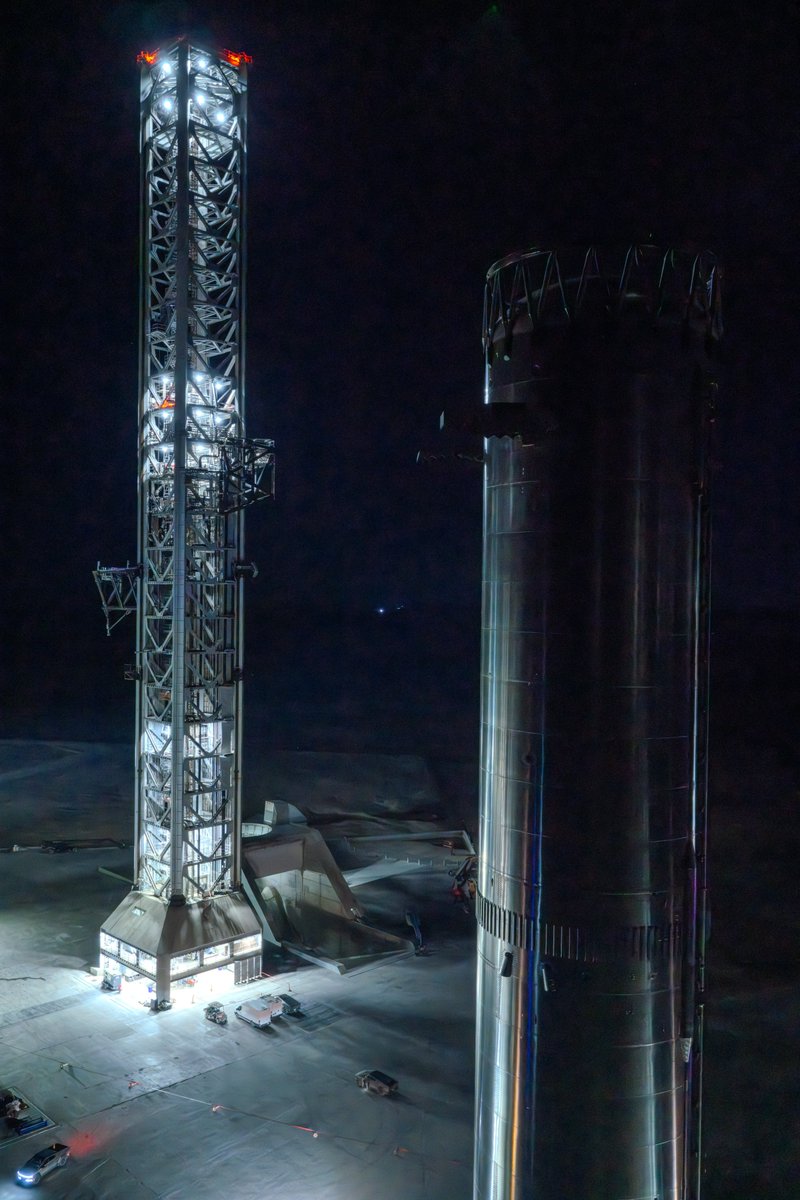
How will our reusable suborbital rocket make money for robinhood:0x8d1612b4b78ebf08cfbf01a04fa270ccbb0509a2 holders?
The business model is simple: sell the ride, many times over
Each flight carries customer payloads to space and brings them back. Customers pay for the room they take up, plus extras such as onboard power, a live data downlink or releasing the payload mid-flight
Because the rocket returns, gets inspected and launches again, one vehicle earns across many missions instead of being thrown away after one
So who buys payload space, and why?
- Space agencies and funded researchers: A few minutes of microgravity answers questions no ground lab can, at a fraction of what orbit costs
- Satellite and component makers: Flying a part through real launch loads and vacuum before an orbital mission is cheap insurance against a failure nobody can repair
- Defense programs: High-speed flight, re-entry materials and sensors need real flight data, and wind tunnels only go so far
- Biotech and materials labs: They test how fluids, cells and alloys behave without gravity, then decide whether a longer orbital run is worth paying for
- Universities: A student experiment can reach space and be back on the bench the same morning
All of them are buying the same three things:
- Real space conditions
- A fast repeat (vehicle turnaround in as little as two days)
- Their hardware back in their hands
Rocket Strategy is working to unlock this hidden economic upside in space for holders, one flight at a time
Also from the 33 Strategies:
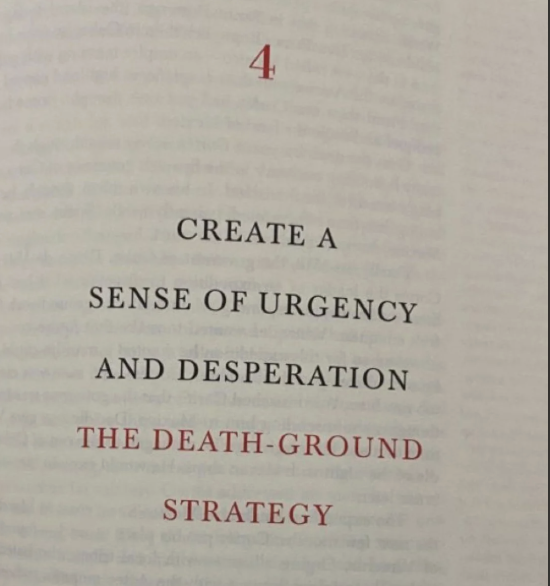
“Create a Sense of Urgency and Desperation: The Death-Ground Strategy.”
The main story is Hernán Cortés.
In 1519, Cortés led roughly 500 men into Mexico to conquer the Aztec Empire. His men still had the option of retreating to Cuba. To eliminate that escape route, Cortés had his ships destroyed/run aground.
His soldiers suddenly had only one real option: advance or perish.
a lot of onchain b2b products should take some lessons from what @umia_finance team is doing behind the scenes
art of being open in designing with partners, without sacrificing user-first protocol
+ev solutions exist, you just need a flexible team who's willing to try
Okay, right now it’s really smart to buy $RKST tokens at 2.7k
SA: 0x8d1612b4b78ebf08cfbf01a04fa270ccbb0509a2
What is it:
$RKST is the token of Rocket Strategy. The strategy acquires the commercial revenue rights to reusable rockets, meaning the right to sell payload space on each flight. Each deal is called a position, and $RKST covers all positions rather than a single rocket
Each launch sells payload space. After launch costs are paid, 80% of the treasury’s share of the profit is used to buy back $RKST. Money only moves once a launch is settled, so there is no yield between launches
Hoping for a post from @elonmusk ;)
Grass has been criticized in the past for its comms.
TLDR here - all revenue flows to foundation (no equity), all reported revenue checked by a 3rd party (report attached)