@chieftokenbased I agree. The real opportunity is not just in accumulating assets, but in building attention, trust, and strong communities before the transition becomes obvious to everyone.
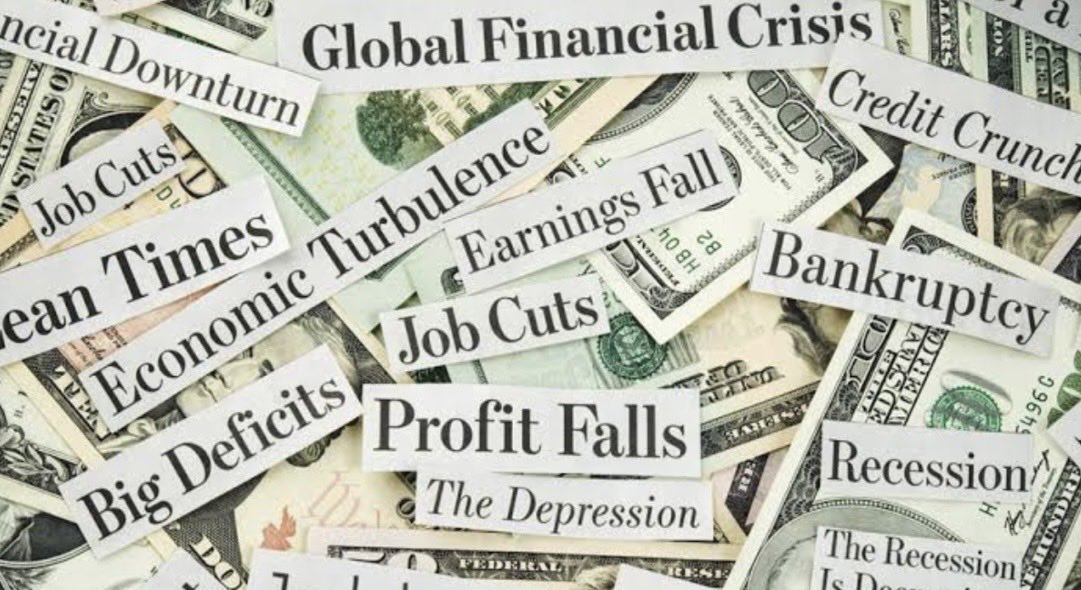
In my view, the global economy is heading toward an epoch-defining reset and an organic transition to blockchain that could happen sooner than most people expect.
Bitcoin and crypto may be approaching the biggest growth cycle in their history. Many people are building their theses around micro-level factors while ignoring the macro forces screaming that a major turning point is approaching.
What do I believe is most valuable right now?
• Capturing attention.
• Accumulating experience.
• Building connections.
• Building communities.
All of these can be converted into systems and processes that will allow us to navigate this transition as effectively as possible.
What are your thoughts on this? I’ll be responding to comments and quote posts.
@chieftokenbased The next bull run won’t be built on speculation alone. It will be built by communities that create real value, educate newcomers, and grow together. Culture and trust are the real alpha.
@a1lon9
Trenches desperately needs a social transformation. We must shift priorities from pure speculation and extracting value from each other toward building culture, trust, education, and sustainable communities. Attracting attention is easy; creating long-term value is much harder.
The next stage requires more than technology. We need education in DeFi and tokenomics, mentorship, strong communication systems, and community-building frameworks that turn newcomers into active contributors and future leaders. Social tokens and DeFi can become tools for collective ownership, coordination, and value creation - not just another vehicle for speculation.
@a1lon9 Execution beats promises. Two major launches in two days - Pumpfun is setting the pace while everyone else is still talking. Ship fast, stay ahead🔥
“Good things take time” is the biggest lie ever told.
Good things take a competent team who knows which tools you need to succeed as a trader and knows how to ship them at record speeds.
When we launched Pump Bridge yesterday, I said we’re dedicated to giving you the best possible onchain trading experience, no matter what it takes. We meant that - which is why we’re proud to take another HUGE step towards giving you the MOST edge on Pumpfun with EVM limit orders.
Every social trading app had the chance to ship EVM traders limit orders for all relevant chains after months of pleas for a feature that massively puts them ahead - no one can babysit a trade 24 hours a day - yet no one even tried to ship a solution.
We were late to crosschain trading, yet we were the first to ship limit orders on Solana and now EVM. That’s two MAJOR product releases in just two days. And there’s much more coming.
As of now, we are the fastest shipping team in crypto.
Your trading app should be shipping massive upgrades to your trading experience every single week. If they aren’t, it’s on you to decide which platform is best for your career as a trader.
The sooner you join Pumpfun, the sooner you unlock the chance to become one of the Greats onchain.
Sent from my Pumpfun App
@chieftokenbased@a1lon9 Technology attracts users, but strong communities make them stay. The next big step for Pumpfun is turning speculation into sustainable participation.
@a1lon9@Pumpfun
Alon, you’re doing a great job. The speed of development and your ability to consistently deliver major product upgrades deserve respect. You’re proving that Pumpfun can compete not just for market attention, but also on the quality of its infrastructure.
But the next major step is not just technological. Pumpfun needs a strong team focused on PR, education, and systematic community development.
Today, many people perceive onchain as a casino where insiders and paid KOLs are the main winners. To change that perception, we need to build a culture of participation: educate newcomers, establish mentorship programs, help communities develop their own communication systems, and empower participants to bring others into the ecosystem.
Technology gives people tools. Education gives them competence. Communities give them the opportunity to grow together.
The next stage of Pumpfun’s growth is a transition from gambling to a culture of building, from short-term speculation to sustainable communities that can grow independently and create real value.
You already have the speed of execution. Now it’s time to build the social infrastructure around it turning users into creators and traders into active contributors to the ecosystem.
@a1lon9
@anndylian The real issue isn’t PHP itself, but legacy infrastructure and slow response cycles. This highlights why resilient, decentralized architectures are becoming increasingly important.
PHP vulnerability is real. I give advice to governments. They are panicking.
Here’s why:
Internet panic because more than 70 percent of websites are on PHP eg Wordpress. But these sites are patched easily and most react fast.
Large companies and governments face structural barriers that slow or prevent rapid response:
- Complex inventories where PHP is embedded in appliances, legacy control panels or custom internal systems rather than obvious public websites.
- Strict change-management, testing, and compliance requirements that make emergency upgrades risky or slow.
- Vendor dependencies for appliances or long-term support contracts that may not ship timely backports.
- Preference for stability over updates, leading to multi-year lags on supported versions.
CISA and European agencies advised inventorying all PHP instances, prioritizing internet-facing ones, and taking systems offline if they cannot be updated, particularly those on PHP 8.1 or older.
- Multiple European government sites went offline preemptively while patches were pending.
- These are legacy problems.
In contrast, many smaller or cloud-native sites can apply distribution packages, rebuild containers, or rely on hosting providers within hours.
Let’s see how this is being tackled.
PHP vulnerabilities could become a catalyst for the accelerated tokenization of the global economy.
Banking systems, payment services, and financial infrastructure rely on centralized servers and software. Critical vulnerabilities can create risks of data breaches, service disruptions, and attacks on financial institutions.
Tokenization and blockchain offer an alternative architecture: programmable assets, transparent transactions, and settlements without a single central point of control. However, blockchain does not eliminate all cybersecurity risks - security depends on the entire infrastructure.
The question is no longer just when the global economy will transition to blockchain, but what events will accelerate that transition.
@chieftokenbased Exactly. Security failures could become a major catalyst for blockchain adoption. The shift is about more than finance, it’s about rebuilding digital trust.
The PHP vulnerability could become another catalyst for mass blockchain adoption.
The global economy still relies on centralized servers, databases, and infrastructure controlled by individual operators. A single critical vulnerability can put entire digital services at risk.
The next wave of mass blockchain adoption may be driven not only by financial opportunities, but also by the need to fundamentally transform the architecture of the digital world.
@chieftokenbased Cyberattacks expose the weaknesses of centralized systems. Blockchain won’t eliminate every risk, but it can make the digital economy more resilient, transparent, and independent.
Major cyberattacks could become a catalyst for the transition to a blockchain economy.
PHP vulnerabilities and risks to internet infrastructure remind us how heavily the global economy depends on centralized servers, databases, and timely security updates.
But what if incidents like these accelerate the shift toward a different internet architecture?
Blockchain doesn't eliminate all risks, but it offers an alternative for financial settlements, digital ownership, and the transfer of value without total dependence on centralized operators.
The internet digitized information. Blockchain is turning the economy itself into digital assets. And this transition could happen faster than many expect.