The symptoms of my pituitary brain tumour were a dramatic weight loss, sensitivity to hot and cold, pains in my joints, depression and loss of appetite.
Study demonstrates relationship of daily step 👣 counts to all-cause mortality and cardiovascular 🫀events.
Minimal dose to significantly reduce the risk for adverse outcomes was 2,517 steps/d walking 🚶🏽♀️ for all-cause mortality and 2,735 steps/d for incident cardiovascular disease.
The optimal dose, defined as the maximal risk reduction at the least effort, was established at 8,763 steps/d for all-cause mortality and 7,126 steps/d for incident CVD. @ACCinTouch #exercise #health https://t.co/CVJoBySN6j
Using illness trajectories to inform person centred, advance care planning https://t.co/mx5lLfkm5m Knowing likely multidimensional trajectories in multimorbidity can help future care planning
Lots of service users we see need polypharmacy reviews because they aren’t tolerating certain medications, no longer need them or have had symptom changes. This is one of the many services COPS can support patients with.
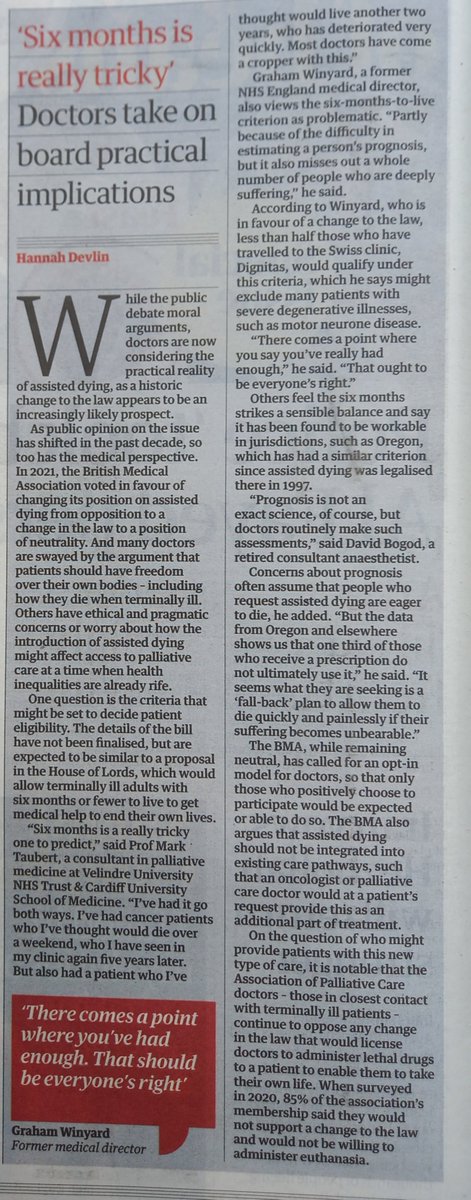
Six month prognosis criterion is hugely risky and a palatable entry point into making #AssistedDying legal, so that it is more acceptable in the public eye. Interview for @guardian
Updated guidance for doctors on completing the medical certificate of cause of death (MCCD) has been published today, the day that death certification reforms, including the statutory role of medical examiners, come into force: https://t.co/sWoRO9sKGy
Check out the fourth article in the Nursing Times palliative care series by Julie Kinley & Cat Sullivan from Hospice UK. 📝
It offers invaluable guidance for nurses on compassionate care during the final days of life.
Read here: https://t.co/BJcLVx3A7i
Super thrilled that the new Handbook of Palliative Care now available https://t.co/RYfQDeWbyJ Amazing contributors! I have enjoyed and learnt so much from them all! @PHU_NHS@LOROSHospice