Exciting news! 'Figments: Madness, Health and Creativity' conference, a collaboration between the MHRC and the Centre for Mad Culture UK, will take place on 15th June 2026 at @UofGlasgow Please see the link below for the CFP!
https://t.co/NLpMNkUU0v
@Randall_Stps Tweeting through a class account, here, but so I don't forget: in junior high in the mid '90s in Texas, we did square dancing, and it was boring
Dr. Whips reflects on the provocative reimagining of “the Green Ribbon” in Matchado’s “The Husband Stitch” as Dr. Lauren Mitchell walks us through the history of childbirth in the US @170Hms
Join me tomorrow evening as I hold space for us all to unpack the white supremacist protest at Brigham & Women’s Hospital and discuss the state of Anti-Racist Progress in Medicine.
Set a reminder! https://t.co/k6sd9xZJhN
#MedTwitter#MedStudentTwitter
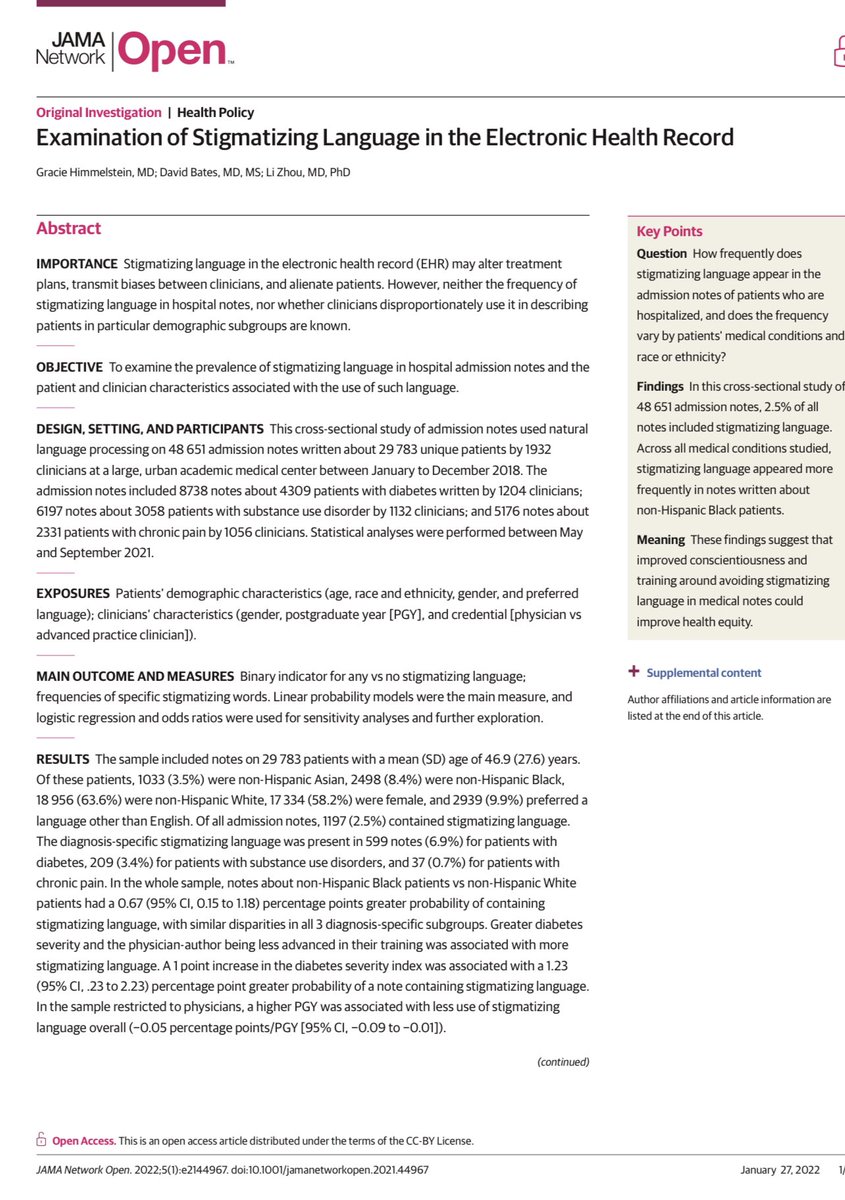
Two articles in same week showing the influence of stigmatizing language in EHRs and implications for health inequity, discrimination bias. Black patients 2.5 x more likely to have negative descriptors in clinical notes. The codification of stigma is a powerful determinant.
#OTD in 1884, the Virginia Assembly passed that state’s first medical practice act. The number of licensing boards established multiplied rapidly in the1880s as medicine continued moving toward a professional framework. #histmed#MedEd#licensing
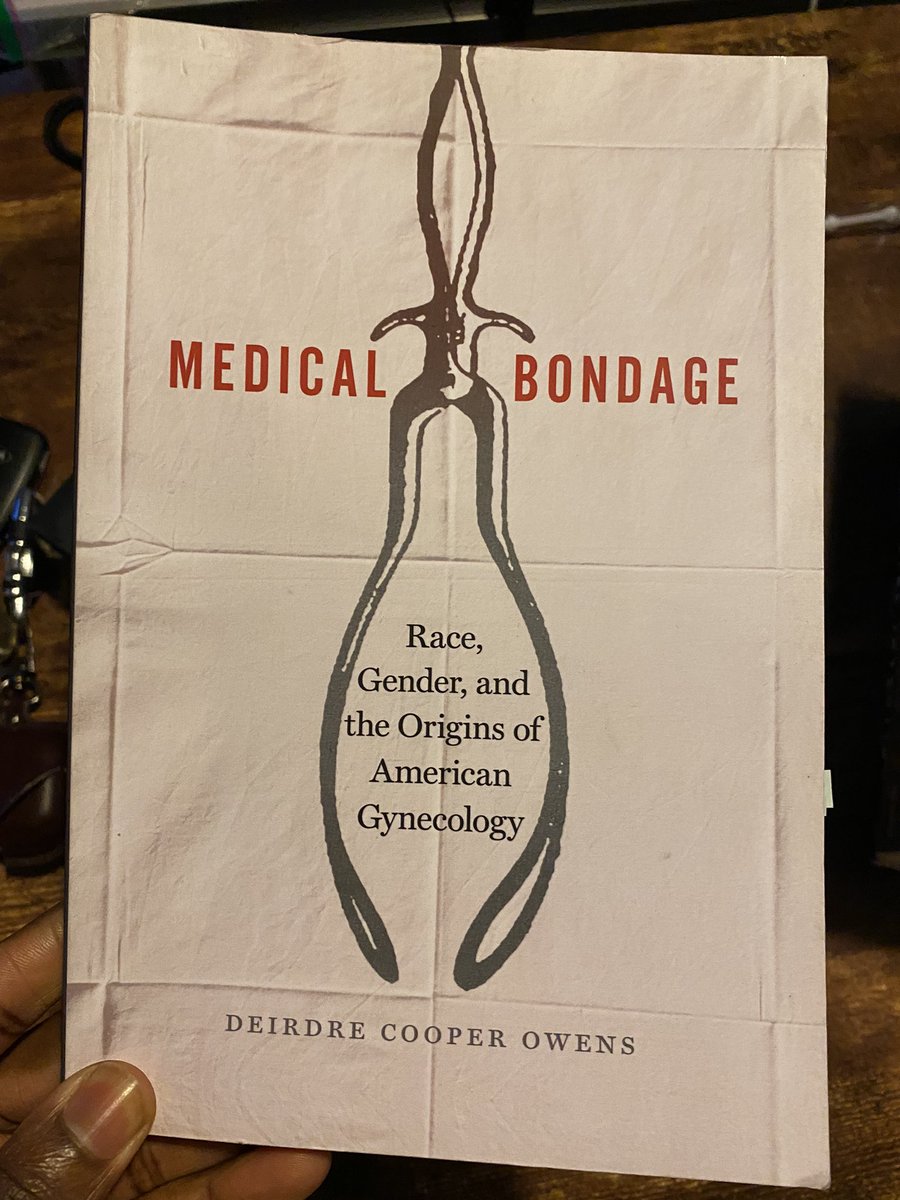
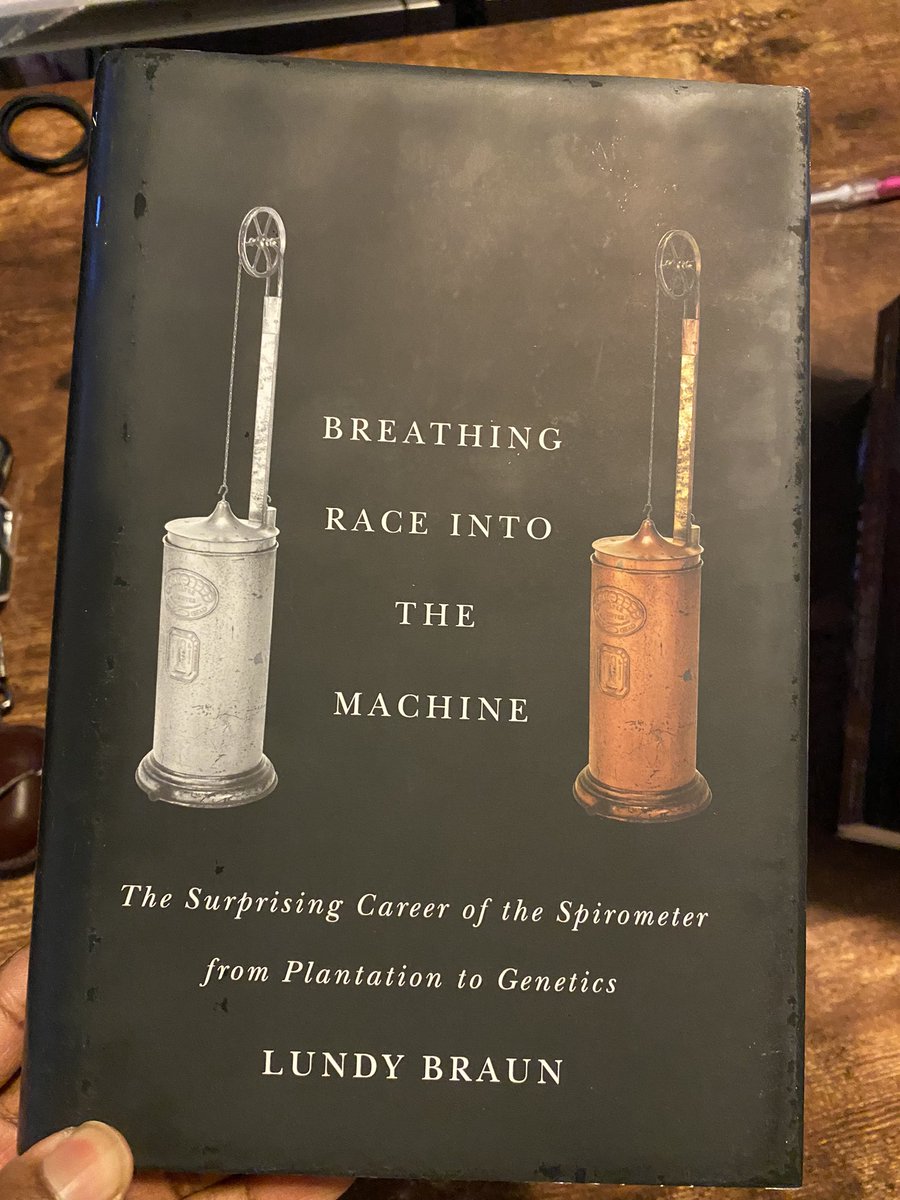
For those interested in learning about "social determinants of health," or how structures, institutions, and inequality impacts health, i recommend the following:
https://t.co/9o5Gbudj3d
keep your eye out for Braun, Cooper Owens, and Roberts this semester. But that’s just a small selection of what��s out there. See below, and please see entire thread
Here are some reading recommendations to explore the historic and contemporary evidence of medical practitioners blaming African/Black people for their health outcomes and/or justifying medical experimentation on African/Black people:
In 2020 I took a Race & Medicine course. We had two brilliant professors. One was a Black historian. The other a Black medical doctor. Each week we explored primary and secondary literature that documented historic and contemporary antiblack racism within the medical field.
Zero randomized trials on Berkefeld water filters.
Zero randomized trials on camphor for kids
Zero randomized trials on London’s water companies
Zero randomized trials on cholera cots for industrialized nations
This is such a good set of questions because it prompts us to consider what "good" & "bad" science means. Does it mean "ethical", "accurate", "peer-reviewed"? Because plenty of eugenics goes on today that is based on "good" science, if by that you mean "accurate" & "up-to-date"