OG #doge
Happy to slander what deserves to be slandered.
Even happier to lift up what deserves to be lifted up.
Please, tell us how your NFT line will do..
Prompt engineering is dead.
Anthropic just published their internal playbook on what actually matters: XML-structured prompting.
Only 2% of users know this exists.
Here's what changed:
GPT Image 1.5 didn’t kill Nano Banana Pro. Seedream 4.5 did.
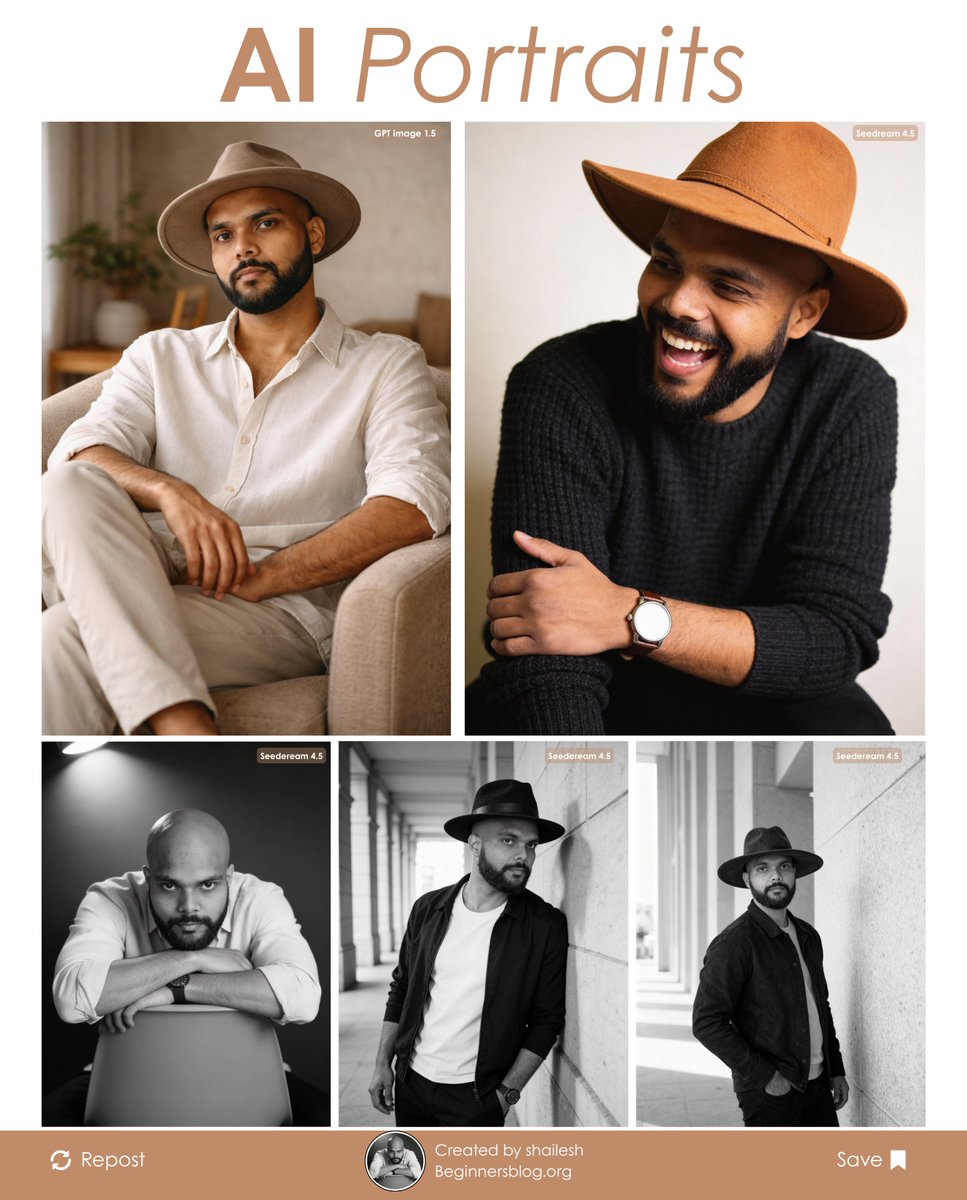
I tested three of the strongest AI image generators for realistic human portraits:
- Seedream 4.5
- GPT Image 1.5
- Nano Banana Pro
All three can generate good-looking images. Only one can preserve identity.
Seedream 4.5 delivers near-perfect character consistency. Face structure stays stable. Skin texture stays human. The subject still looks like the same person across generations. Right now, nothing else comes close for portrait accuracy.
GPT Image 1.5 is strong. Clean outputs. Solid realism. Minor drift appears with repeated generations, but still reliable.
Nano Banana Pro fails at portraits. Facial features shift. Skin turns plastic. Identity breaks quickly. Fine for stylized visuals, not for real people.
Bottom line: For professional AI photoshoots that actually look like you always go with Seedream 4.5 first.
GPT Image 1.5 is also good option.
But Nano Banana Pro not suitable for portraits.
I built five high-precision portrait prompts that produce results shows below. (Use your reference image along with the prompt to get the result)
If you want these prompts:
Like
Repost
Comment "Portrait"
I'm DM you!
.
.
.
Stop building apps nobody wants.
Here's how to validate your idea in 6 steps:
Step 1: Warm up your account — engage in your niche daily
Step 2: Design around ONE visual element + a 3-word pitch
Step 3: Build an embarrassingly simple MVP (3 screens, 2-3 days)
Step 4: Post daily until one video explodes
Step 5: Build a waitlist community WHILE you iterate
Step 6: Launch with a hard paywall → scale to 10K MRR organic
Tools: Rork, Anything, Vibe Code App
Timeline: 30-90 days of posting
The KEY: Solve a fundamental human insecurity
Weight loss. Productivity. Status. Confidence.
You'll know it's working when the comments explode
Stop building in silence
Start validating with content
Use this playbook
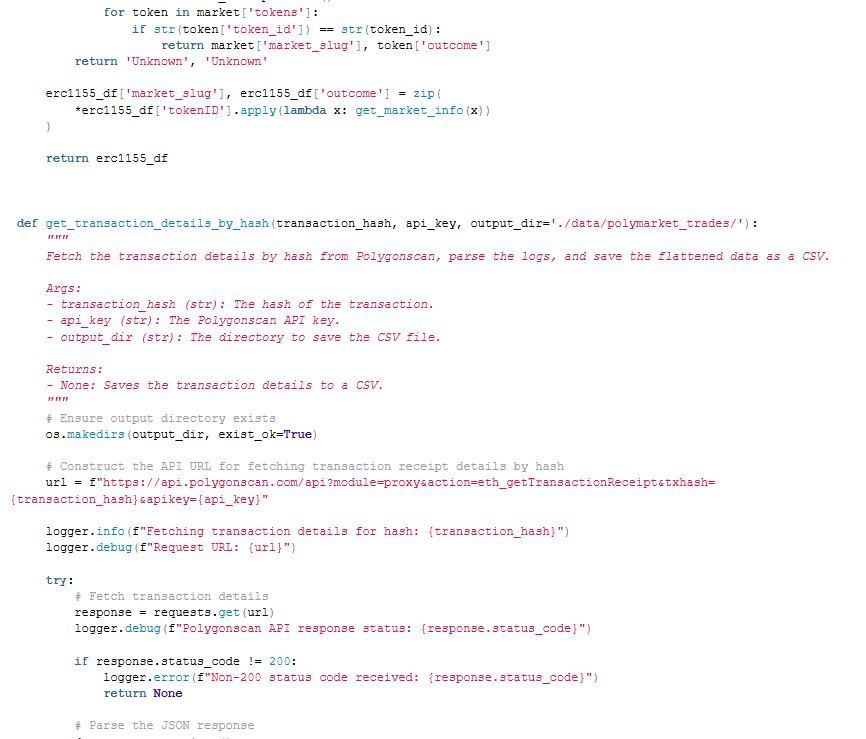
AI will kill Polymarket. $2.2M in 2 months using probability models.
This news is going to blow up the internet.
Polymarket trader made $2.2M in just 2 months using AI. His account is traded entirely by a bot.
I’ve heard plenty of stories about AI trading bots before, and almost all of them turned out to be scams or didn’t work properly.
But this case is different and honestly I’m shocked.
He uses AI probability models, training machine learning to estimate real odds based on news and social media data.
If his model says an outcome has a 60% chance, while the market prices it at 50% (50¢), he buys because the market is mispricing it.
According to his profile:
> https://t.co/XKCMEemKqO
His prediction accuracy is 74%. That’s insane.
He runs an ensemble of 10 AI models that retrain themselves every week to stay up to date.
What do you think about this? This feels like the new reality.
Google's Cursor competitor: FREE!
My course for you to learn: FREE!
My holiday gift to you 🎁
[⚠️ Comment "Antigravity" & I'll send you the link]
Antigravity is Google's answer to Cursor.
It's an AI tool that works directly on your device.
Not just for developers!
For ANYONE who works with text.
It's 100% free right now.
Access to Gemini 3 Pro.
Even Claude Opus 4.5 (!)
Use Nano Banana Pro right in the chat.
No subscription. No trial. No credit card.
This won't last forever.
I've been teaching Cursor to PMs for months.
But Cursor costs $20/month.
Antigravity removes that barrier completely.
So I rebuilt the entire course for AG.
It's an Antigravity course taught IN Antigravity.
So everything you do is directly applicable!
The AI IN the tool is your teacher.
What you'll learn:
→ Write PRDs with AI assistance
→ Analyze CSV data and survey results
→ Create strategy documents
→ Build reusable templates and workflows
But here's what most people don't realize:
This isn't just for PM work.
The real reason I wanted to get this out today...
On-device AI assistants are useful for LIFE:
🔹 Want to reorganize your files?
🔹 Rename hundreds of photos?
🔹 Clean up your Downloads folder?
🔹 Convert documents between formats?
🔹 Troubleshoot why something isn't working?
Just open the files and ask.
Talk to it like a person.
I spend all day in these tools now.
I've never been so productive.
Or had so much fun.
AI in a browser is like wearing a straightjacket.
This is a terrible day for a launch.
But I genuinely want to free you!
You've been meaning to learn this stuff.
You've got the time.
The course is free.
The tool is free.
No excuses!
This is my gift to you.
Happy Holidays 🌲
👉 Repost + comment "Antigravity" & I'll send you the link
I run 4 different X accounts. none show my face.
all are completely faceless. no personal brand. no selfies. no "day in my life" content.
combined they do $30K+/month selling digital products.
here's the system I use across all of them:
**why faceless works:**
- no ego involved (you can test wild ideas without embarrassment)
- easy to sell later (accounts without a face attached are assets)
- unlimited scale (you can run 5, 10, 20 accounts)
- no content burnout (don't need to be "on" all the time)
my personal brand is one income stream. faceless accounts are the quiet money printers nobody sees.
**picking a niche for faceless:**
don't go broad. "business advice" won't work.
go specific until it feels too small:
- notion templates for content creators
- canva templates for real estate agents
- email scripts for saas founders
- resume templates for nurses
- workout plans for busy dads
the smaller it feels, the easier it is to dominate.
I have one account that only posts about productivity for freelance designers. sounds tiny. does $6K/month.
**the content formula:**
faceless accounts don't need personality. they need utility.
what works:
- step-by-step tutorials
- tool breakdowns
- before/after transformations
- resource lists
- common mistakes in the niche
what doesn't work:
- hot takes (no trust built yet)
- personal stories (you're faceless)
- controversial opinions (need a face for that)
pure value. every post. no fluff.
**posting schedule:**
minimum 3x per day across each account.
I batch everything on sunday:
- write 20-25 posts per account
- schedule for the week
- don't touch it until next sunday
takes about 4 hours total for all accounts. then I disappear.
**the product for each account:**
one account = one product. keep it simple.
my faceless accounts sell:
- template packs ($29-$49)
- short guides ($34-$67)
- swipe files ($27-$44)
nothing complicated. nothing requiring support. download and done.
**how I create products fast:**
I don't make products then find audiences.
I build audience first, see what they ask for, then make that.
one of my accounts posted about notion for 6 weeks. people kept asking for my templates. made a pack in one afternoon. did $4K first week.
the audience tells you what to sell. you just have to listen.
**the DM system:**
even faceless accounts can DM.
when someone engages 3+ times, I message:
"hey saw you're into [niche topic]. working on something?"
no pitch. just conversation.
people buy from accounts they've talked to. even faceless ones.
**growth without a face:**
- reply to bigger accounts in your niche (borrow their audience)
- quote tweet with actual insights (not "great post!")
- engage in the first 30 mins after posting (signals to algorithm)
- collaborate with similar-sized accounts (cross-promotion)
grew one account from 0 to 11K in 4 months. never showed my face once.
**what most people get wrong:**
they think faceless means low effort.
wrong.
faceless means different effort. pure value instead of personality.
you can't charm your way to sales. the content has to be genuinely useful.
in some ways it's harder. but it's more scalable.
**the income breakdown:**
main account (ecomchigga): personal brand, higher ticket, more trust
faceless account 1: notion templates, $6K/month
faceless account 2: canva stuff, $8K/month
faceless account 3: email templates, $4K/month
none of them know I run the others.
they're separate businesses that happen to live in my phone.
**why I'm telling you this:**
because everyone's fighting for attention with personal brands.
meanwhile the faceless accounts are quietly eating.
less competition. less ego. same money.
maybe more.
**the full system:**
I put everything in my course:
→ how to pick a faceless niche that prints
→ content frameworks that work without personality
→ my exact product creation process (templates included)
→ DM scripts for faceless accounts
→ growth tactics I use across all accounts
→ how to manage multiple accounts without burnout
→ real examples from my faceless accounts (blurred but detailed)
plus everything on personal brand if you want to do both.
**$50.**
less than one month of that streaming subscription you forgot to cancel.
you'll make it back on your first few sales.
comment "FACELESS" and I'll DM you the link.
follow + RT required.
you can keep grinding one account with your face everywhere.
or you can build an empire nobody knows you own.
If you run a SaaS and aren’t generating strong traffic from Google or ChatGPT…
Here is an exact step by step guide to fix that.
No strings attached.
Let’s start with the main problem: SaaS buyers do not discover products the way they did 2 years ago.
They Google your reviews and actually verify that they are legit.
They ask AI systems before they ever book a demo.
Google still relies heavily on authority and topical relevance.
ChatGPT, Gemini and Perplexity rely heavily on reputation signals, expert validation and product clarity.
If you want demand from both, you need overlap.
That overlap looks like this:
Clear product positioning
Authoritative backlinks and mentions
Consistent brand and product entity signals
Structured, extractable product content
Strong engagement and conversion signals
If you do not understand what I just said, stop immediately and scroll all the way down to my first reply to this post.
If you do, keep going.
First, lock down your positioning.
Generic SaaS does not get recommended.
AI systems associate trust through specificity and co occurrence.
“AI powered platform” means nothing.
“Customer support software for B2B teams handling over 10,000 tickets per month” means a lot.
Your homepage must clearly communicate:
Who the product is for
What problem it solves
What category it belongs to
What makes it different
What outcome it drives
If a human cannot explain your product in one sentence, an AI system cannot either.
Next, build trust where AI models already look.
Most SaaS teams focus only on their own blog.
AI engines learn trust from off site validation.
Examples that work right now:
Industry publications and newsletters
Founder interviews and podcasts with transcripts
Product reviews and buyer guides
Comparison and alternative pages on third party sites
Customer stories published outside your site
Original research and benchmarks
These mentions reinforce your product entity.
This is how AI engines learn you are safe to recommend.
Next, create AI parseable product and problem content.
Long marketing pages do not get cited.
AI engines extract answers.
Structure your content so it can be quoted.
Use:
H2 questions with two to three sentence answers first
TLDR or Key Takeaways sections
Clear feature to benefit mappings
FAQ blocks with schema
Use case and industry pages
Comparison and alternative pages
Examples that perform extremely well:
“How to choose a customer support platform for B2B SaaS”
“Intercom alternatives for growing teams”
“Best onboarding tools for product led growth”
Gemini and Perplexity often surface these sections verbatim.
Next, turn proof into permanent assets.
SaaS teams love shipping features.
AI engines love evidence.
Turn your wins into structured content.
Repurpose:
Customer quotes
Case studies
Public roadmap wins
Usage milestones
Revenue or efficiency improvements
Turn them into:
Dedicated case study pages
Blog posts with metrics
YouTube videos with transcripts
Public documentation and changelogs
Mention your product name, category, and use case naturally.
Next, target prompt style searches.
SaaS buyers ask full questions.
Your content should mirror how they speak.
Examples:
��What software helps reduce churn”
“Best tools for onboarding new users”
“Is [Product Name] worth it”
Use Ahrefs or SEO Stuff and prioritize:
Commercial intent
Moderate difficulty
Natural language phrasing
Always front load a direct answer before expanding.
Next, clean up your technical foundation.
AI engines do not trust slow or messy sites.
Your checklist:
Fast mobile performance
Clean URLs
No duplicate pages
Logical internal linking between features, use cases, and docs
Valid SoftwareApplication, Product, Review, FAQ, and Organization schema
Allow AI crawlers
Your site is your product knowledge base.
Treat it like one.
Next, own branded search and comparisons.
If Reddit threads or review sites control your narrative, you are exposed.
Create branded content like:
“Is [Product Name] legit”
“[Product Name] reviews”
“[Product Name] vs competitors”
“[Product Name] alternatives”
This increases branded search and reinforces product trust.
Next, optimize for conversion.
Traffic without activation is wasted.
AI engines observe engagement.
High engagement validates trust.
What works:
Clear CTAs
Free trials or demos
Simple signup flows
Strong social proof near CTAs
Email onboarding sequences
Retargeting ads for site visitors
Faster engagement creates stronger trust signals.
Finally, track the right metrics.
Measure:
Branded search growth
Demo or trial starts
AI Overview and ChatGPT citations
Time on page and scroll depth
Repeat visits
Off site product mentions
These signals correlate directly with inbound demand.
Most SaaS companies today:
Rely heavily on paid acquisition
Have vague positioning
Publish unstructured content
Lack third party validation
Which is why they are non-factors in ChatGPT, Gemini, Perplexity and increasingly Google.
Follow this roadmap and your product will start appearing where buyers actually research software now.
And if you want the private cheat codes we use to get SaaS products cited inside ChatGPT and AI Overviews in 30 to 60 days:
Follow me
RT
Comment “SaaS Guide”
You must do all 3 for the DM.
you could’ve made $5M+ with the tate vs chase demoor fight using google ads
(and generate them 10M+ views in the process)
here’s how:
the fight was only pushed on socials
conferences
tate’s tweets
little tiktok edits
amateur fucking moves
meanwhile google searches exploded:
"when is tate fight"
"tate vs chase demoor"
"how to watch tate vs demoor"
“pirate website to watch top g for free”
“fuck rumble i ain’t paying no $100 for premium”
20M+ searches in 60 days
only organic responses to it
everyone ignored paid search
and that’s the opportunity
THE SYSTEM:
phase 1: announcement day
place search ads on all generic keywords mentioned before
funnel it into a landing page with:
"all we know about tate vs demoor"
fight date
how to watch
tale of the tape
training footage
get a fuck ton of eyes on that
(you’ll know how to convert it soon)
phase 2: hype phase
expand keywords:
bid on long-tail searches:
"who will win tate demoor"
"tate vs demoor prediction"
"tate demoor training videos"
"chase demoor boxing record"
"can andrew tate actually fight"
plus some youtube campaigns
targeting people watching:
tate content
boxing content
combat sports channels
video ad:
"here's who actually wins tate vs demoor"
3-minute breakdown with a full analysis ending in a landing page CTA
funnel all the traffic to the same landing page
but this time also have fight predictions
phase 3: fight week
maximum aggression
highest spend on ads per day
keywords expand:
"tate demoor free ppv"
"watch tate fighting online"
"tate demoor live stream free"
these are high-intent buyers looking for ways to watch
so tell them how to do so on the landing page
phase 4: post-fight
everyone would stop after the fight
big mistake
post-fight searches explode:
"tate demoor result"
"who won tate demoor"
"tate demoor highlights"
"tate demoor knockout"
can still push some merch
these searches: 12M in 48 hours
your move:
publish breakdown immediately:
"complete tate vs demoor analysis"
round by round
what it means
what's next
capture everyone searching for results
THE LANDING PAGE STRATEGY:
every ad funnels people into the content hub:
hub includes:
fight predictions
training analysis
tale of the tape
betting odds
fight result
post-fight analysis
weigh-in coverage
press conference breakdowns
you're the comprehensive source
google rewards comprehensive content
your ads get higher quality scores
lower cpc
and better positions
THE MONETIZATION:
finally
on the landing page you could push:
merchandising
duel affiliate links
the real world discount
cobratate tv plug affiliate
rumble premium affiliate links
rumble competitor affiliate links
it wouldn’t be that hard to set it up with them
you get a percentage for yourself
and fucking print
THE RETARGETING LAYER:
anyone who visits your content?
all get retarget with related fights coming up
turn one-time visitors into a recurring audience
THE COMPETITIVE ADVANTAGE:
organic creators:
fighting algorithm
hoping for viral
zero control
paid ads strategy:
guaranteed visibility
captured high-intent traffic
built a real owned audience
while they pray for reach
you bought it
and this would work for any trendy fight:
mike tyson vs jake paul
jake paul vs anthony joshua
khabib nurmagomedov vs connor
search demand is predictable
you just need to show up with ads
most people won't do this though
because they don't understand google ads
their loss
your opportunity
will you get it or nah?
- amin
(DM me “DFY” if you want me to scale your brand with google ads that apply these principles)
i want $80k in January
so i work backwards:
$80k ÷ 30 days = $2.6k/day
$2.6k ÷ $3k deal = 0.9 deals/day
0.9 deals ÷ 25% close = 3.6 calls needed
3.6 calls ÷ 70% show = 5 booked calls/day
5 calls ÷ 0.12% book rate = 4,166 emails/day
my setup:
• 280 inboxes
• 4,500 emails/day capacity
• short one-liner script
• warm call every positive reply
that's it
most people pick a number and "try harder"
i pick a number and build infrastructure to make it inevitable
it's math
simples
Introducing Dexter.
An open source financial agent in ~200 lines of code.
Think: Claude Code, but for finance.
What Dexter does today:
• plans tasks
• runs on its own
• validates its work
• researches stocks
It’s built with OSS tools like @langchain for managing LLMs, prompts, outputs, etc.
No coding experience needed to run.
Goal: build the best financial agent and share every line of code along the way.
Next: evals, starting with @valsai
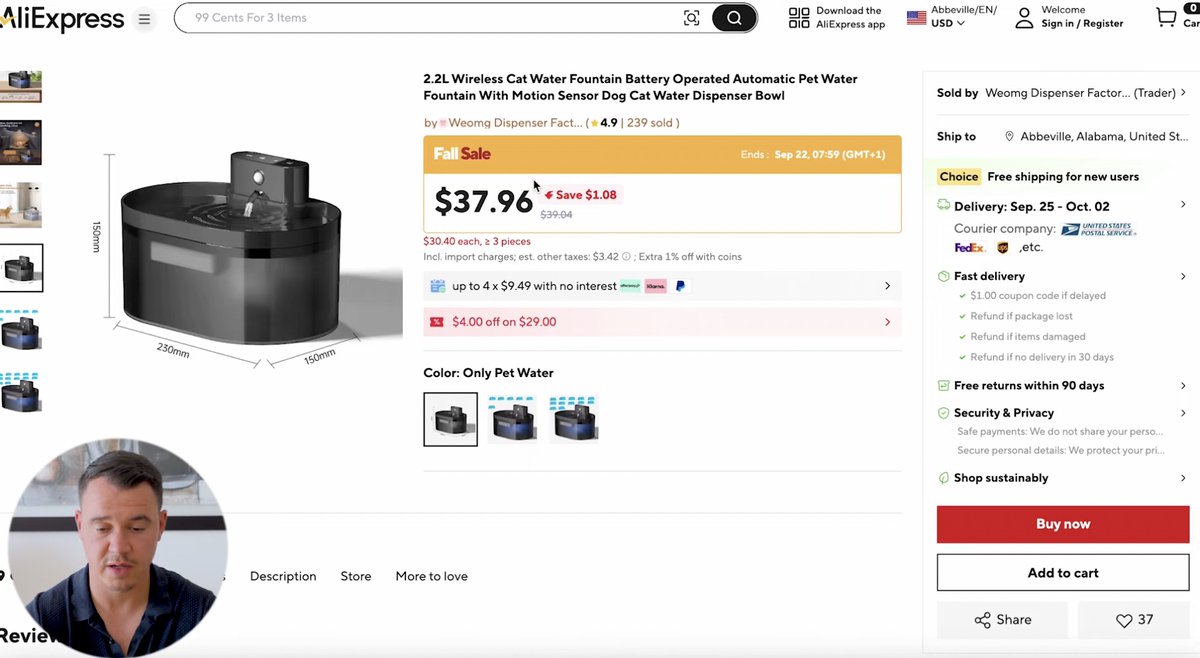
I made $3K selling cat water fountains… while recording this video 🤣
Finding winning products with Google Ads is too easy right now : no TikTok, no Facebook, just Amazon Movers & Shakers + Google Trends 🧠
I broke down the full method (and my top tools) step-by-step.
Want the video? Like & retweet, comment “FIND” and I’ll send it over!
manus for research, grok for ideation, claude for content = $30k/m AI info product biz
this is the exact AI stack that's printing money right now
while you're using chatgpt for everything and getting mediocre outputs
smart operators know each AI has specific strengths
and they're stacking them to build complete info products in 48 hours
here's the workflow nobody's explaining properly
because everyone's busy selling you $997 courses on "AI mastery"
fuck that, here's the complete system
MANUS FOR RESEARCH (finding what actually sells)
step 1: use manus to analyze entire markets in minutes
feed it a subreddit, twitter hashtag, or competitor's content
"analyze r/entrepreneur top 100 posts from last 30 days, what problems are people asking about most"
manus outputs complete breakdown: top pain points, recurring themes, sentiment analysis
you now know exactly what problems people will PAY to solve
this used to take 40 hours of manual market research
manus does it in 10 minutes
step 2: use manus to validate product ideas before building
"analyze search volume and discussion frequency for [product idea] across reddit, twitter, and forums"
manus tells you if people actually care about this topic
or if it's just something you think is cool but nobody wants
validation BEFORE building saves you weeks of wasted effort
step 3: use manus to extract winning frameworks from competitors
"analyze these 10 successful info products in [niche], what transformation do they promise, what's included, how are they positioned"
manus reverse engineers what's already working
you don't reinvent the wheel, you build a better wheel based on proven patterns
entire market research phase done in 2-3 hours with manus
most people skip research and wonder why their product doesn't sell
you have data-driven clarity before writing a single word
GROK FOR IDEATION (generating angles and hooks)
step 4: use grok to brainstorm product positioning
"given these market insights [paste manus output], generate 20 unique angles for an info product that
would stand out"
grok outputs creative positioning ideas you wouldn't think of manually
unconventional angles that cut through noise
step 5: use grok for hook and headline generation
"create 50 hooks for twitter threads about [topic] that would stop scroll and drive engagement"
grok specializes in pattern-breaking creative
generates hooks that actually get attention
not the generic shit everyone else is posting
step 6: use grok to ideate product features and bonuses
"what unique bonuses or features could i add to [product] that competitors aren't offering"
grok generates differentiation ideas
stack these to make your offer irresistible compared to alternatives
ideation phase done in 1-2 hours with grok
you have unique positioning, proven hooks, differentiated offer
most people copy exactly what competitors do and get ignored
CLAUDE FOR CONTENT (building the actual product)
step 7: feed claude your research and positioning
"here's my market research [manus output], here's my positioning [grok ideas], create complete course curriculum for [transformation] with 5 modules"
claude outputs structured curriculum with learning objectives, lesson topics, exercises
entire course architecture built in 15 minutes
step 8: use claude to write all course content
"write lesson 3 of module 2 on [topic], 2000 words, include framework, examples, step-by-step process, make it actionable"
claude writes complete professional lesson in 5 minutes
repeat across all modules and lessons
30-40 hours of content creation done in 8-10 hours
step 9: use claude to create all implementation materials
"create fill-in-blank worksheet for [lesson topic]"
"create checklist for implementing [framework]"
"create template for [deliverable]"
all the templates, worksheets, checklists your students need
generated in minutes, not days of manual work
step 10: use claude to write all marketing copy
"write high-converting sales page for [offer] targeting [customer], use transformation positioning and
premium pricing framework"
complete sales page in 10 minutes
"write 7-email launch sequence that builds desire and urgency"
entire email funnel done
marketing materials that would cost $3k-$5k from copywriter = free in 1 hour
THE COMPLETE STACK IN ACTION
here's what building one info product looks like with this stack
hour 1-2: manus research
analyze market, validate idea, extract competitor insights
identify exact problem you're solving and proof it sells
hour 3-4: grok ideation
generate positioning angles, hooks, differentiators
decide on unique approach that stands out
hour 5-12: claude content creation
build curriculum, write all lessons, create resources
complete product ready to sell
hour 13-15: claude marketing
write sales page, email sequences, social posts
complete funnel ready to launch
total time: 15 hours from idea to launched product
traditional method: 3-6 months of work
AI-powered method: 2 days
and here's the math that makes this print money
you can build 2 products per week using this stack
8 products per month if you're aggressive
even if only 2 of those 8 hit, that's massive ROI
each winning product does $5k-$15k/month
2 winners = $10k-$30k/month revenue
built in spare time while competitors are still validating their ONE idea
the portfolio approach to info products
most people spend 6 months building one product
then launch and pray it works
you spend 2 days building one product
launch 8 different products in a month
see which ones hit, double down on winners, kill losers
spray and pray but with actual quality products not garbage
here's the system i'm running right now with clients
week 1: use manus to research 4 different market opportunities
identify top pain points in each market
validate demand exists
week 2: use grok to ideate positioning for top 2 markets
generate hooks, angles, differentiators
decide which angle is strongest
week 3: use claude to build 2 complete products
product 1 takes 8 hours to build completely
product 2 takes 8 hours to build completely
week 4: launch both products with claude-written marketing
drive traffic through content and outreach
see which one converts better
result: 2 launched products in 30 days
one usually hits $3k-$8k in first month
double down on winner, iterate or kill loser
repeat every month with new products
this compounds FAST
month 1: 2 products, 1 winner doing $5k
month 2: 2 new products, 1 winner doing $8k (original still running)
month 3: 2 new products, 1 winner doing $6k (previous 2 still running)
total: $19k/month from 3 winning products built in 3 months
by month 6 you have 5-6 products running simultaneously
total revenue: $30k-$50k/month
all built using the three-AI stack
here's what stops most people from implementing this
they don't understand each AI's specific strength
they use chatgpt for everything and get mediocre results
manus is best for data analysis and research
grok is best for creative ideation and hooks
claude is best for long-form content and structure
use the right tool for the right job
they think they need to master each AI perfectly before starting
wrong, you learn by doing
start with basic prompts, iterate based on outputs
proficiency comes from reps not courses
they're scared to launch multiple products
"what if it confuses my audience"
bro, use different accounts or different niches
or just accept that portfolio > putting all eggs in one basket
they overthink the product creation process
"it needs to be perfect before launching"
wrong, launch at 80% and iterate based on customer feedback
AI makes iteration so fast that perfection is pointless
here's what you should do this week
get access to all three AIs
manus (subscription), grok (x premium), claude (subscription)
total cost: $60-80/month to run $30k/month business
pick ONE market you know something about
spend 2 hours doing manus research on that market
spend 1 hour doing grok ideation on positioning
spend 8 hours using claude to build complete product
launch by end of week with claude-written sales page
see what happens
i guarantee you'll be shocked at how fast you can move
and how professional the output is when you use the right AI for each task
the people doing $30k-$50k/month with info products aren't smarter than you
they just figured out the AI stack and workflow before you did
they're building in 2 days what takes you 2 months
they're launching 10 products while you're perfecting 1
they're printing money while you're "getting ready to get ready"
stop overthinking and start implementing
manus for research, grok for ideation, claude for content
that's the stack
use it or stay broke watching other people win





![carlvellotti's tweet photo. Google's Cursor competitor: FREE!
My course for you to learn: FREE!
My holiday gift to you 🎁
[⚠️ Comment "Antigravity" & I'll send you the link]
Antigravity is Google's answer to Cursor.
It's an AI tool that works directly on your device.
Not just for developers!
For ANYONE who works with text.
It's 100% free right now.
Access to Gemini 3 Pro.
Even Claude Opus 4.5 (!)
Use Nano Banana Pro right in the chat.
No subscription. No trial. No credit card.
This won't last forever.
I've been teaching Cursor to PMs for months.
But Cursor costs $20/month.
Antigravity removes that barrier completely.
So I rebuilt the entire course for AG.
It's an Antigravity course taught IN Antigravity.
So everything you do is directly applicable!
The AI IN the tool is your teacher.
What you'll learn:
→ Write PRDs with AI assistance
→ Analyze CSV data and survey results
→ Create strategy documents
→ Build reusable templates and workflows
But here's what most people don't realize:
This isn't just for PM work.
The real reason I wanted to get this out today...
On-device AI assistants are useful for LIFE:
🔹 Want to reorganize your files?
🔹 Rename hundreds of photos?
🔹 Clean up your Downloads folder?
🔹 Convert documents between formats?
🔹 Troubleshoot why something isn't working?
Just open the files and ask.
Talk to it like a person.
I spend all day in these tools now.
I've never been so productive.
Or had so much fun.
AI in a browser is like wearing a straightjacket.
This is a terrible day for a launch.
But I genuinely want to free you!
You've been meaning to learn this stuff.
You've got the time.
The course is free.
The tool is free.
No excuses!
This is my gift to you.
Happy Holidays 🌲
👉 Repost + comment "Antigravity" & I'll send you the link](https://pbs.twimg.com/media/G8yK_cDXAAA5BvS.jpg)