President Donald Trump has suggested that the U.S. may have gone too far in targeting Iran’s leadership, acknowledging difficulties in identifying Iranian officials for negotiations. His remarks highlight a key strategic dilemma: military pressure can weaken an adversary.
President Trump has ruled out a U.S. attack on Iran before the November midterm elections, citing what he described as productive talks with Tehran. However, new U.S. sanctions targeting Iran’s oil networks show that economic pressure continues.
Deadly attacks on Riyadh’s King Khalid International Airport have intensified concerns over the widening security risks linked to the Yemen conflict. Saudi authorities confirmed that three Saudi nationals were killed, while airport operations have since resumed.
Reports of a possible major U.S. attack on Iran before the midterm elections are raising fresh concerns over a wider regional escalation. Any new military action could further pressure the Strait of Hormuz, energy markets, and regional security.
#Iran#USA#USIran#MiddleEast
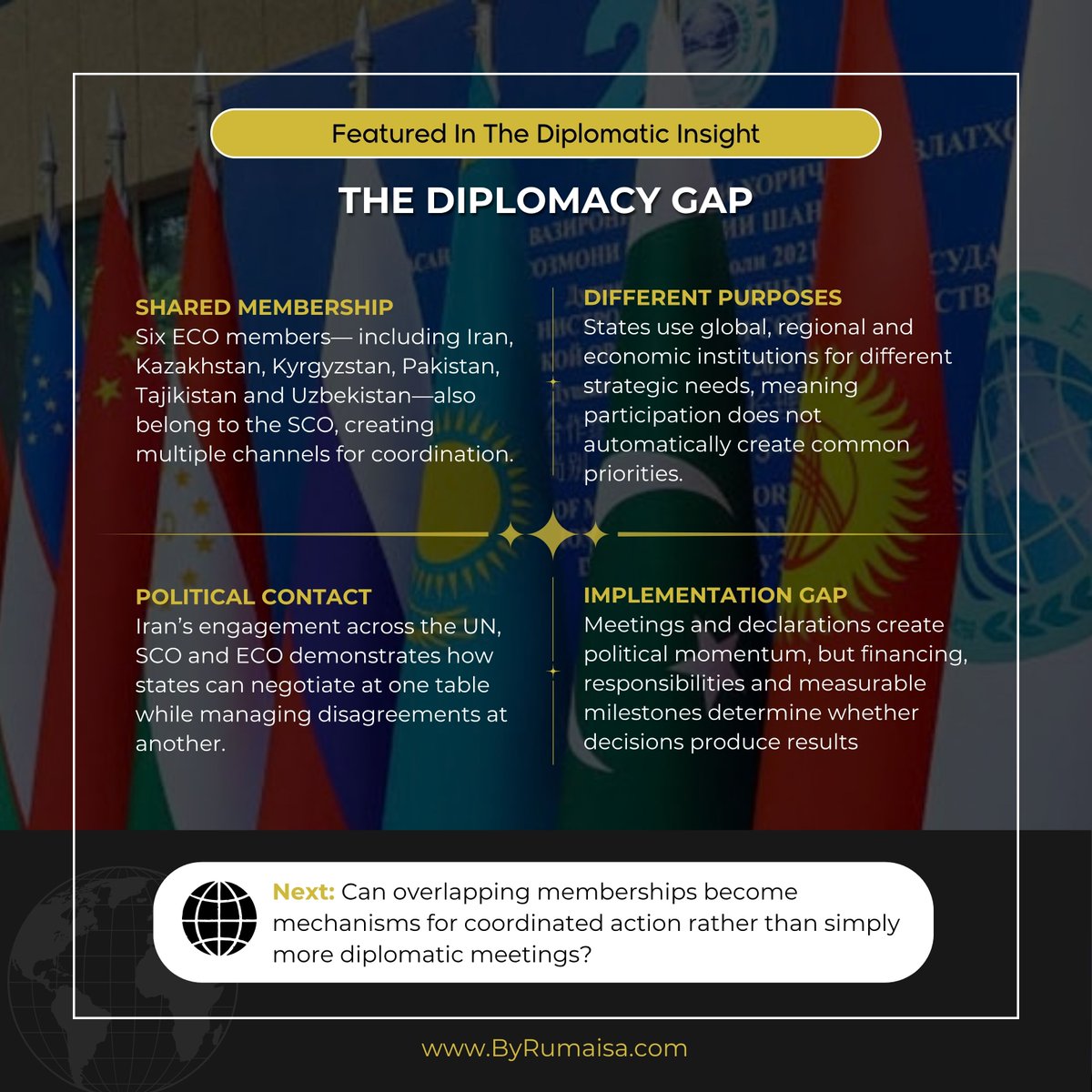
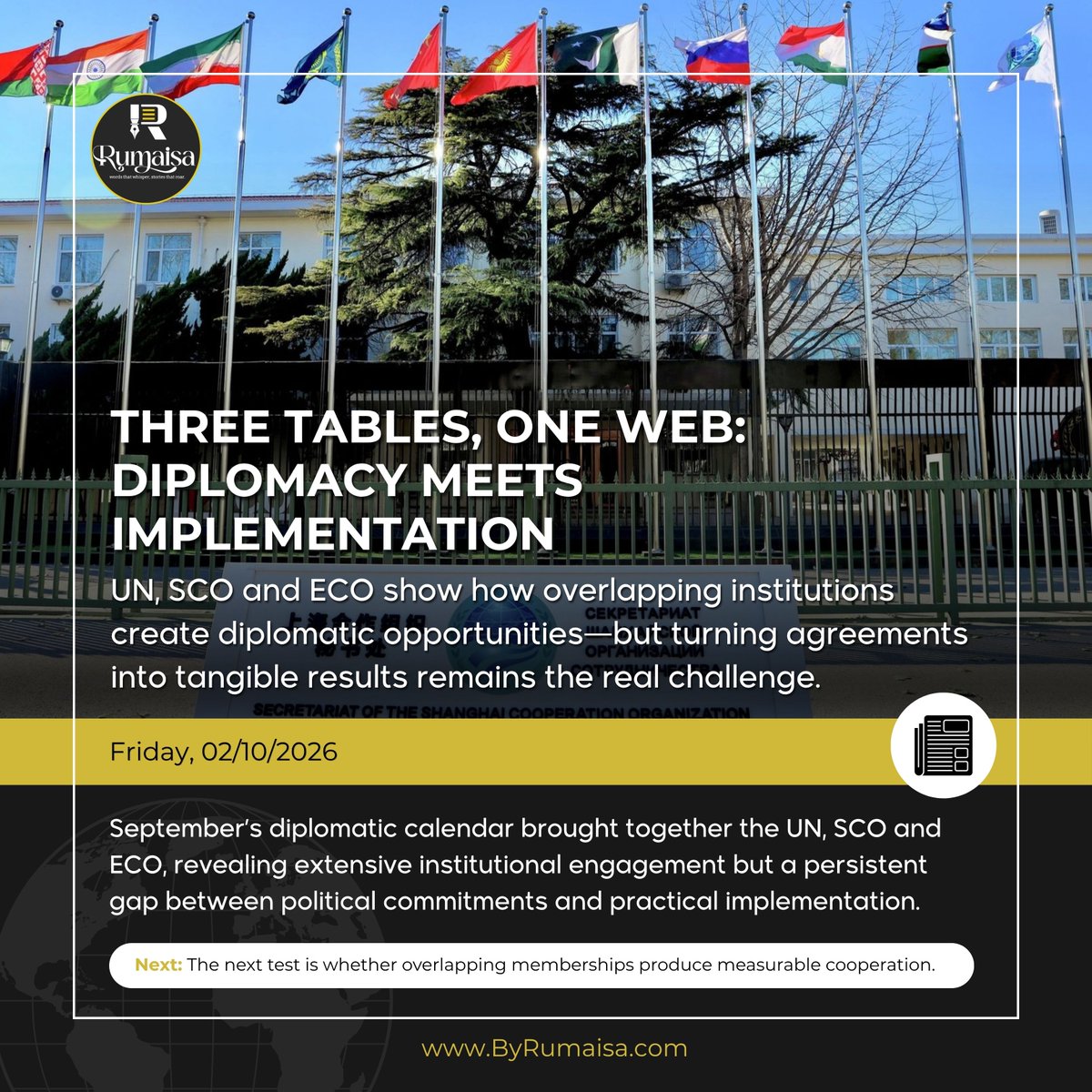
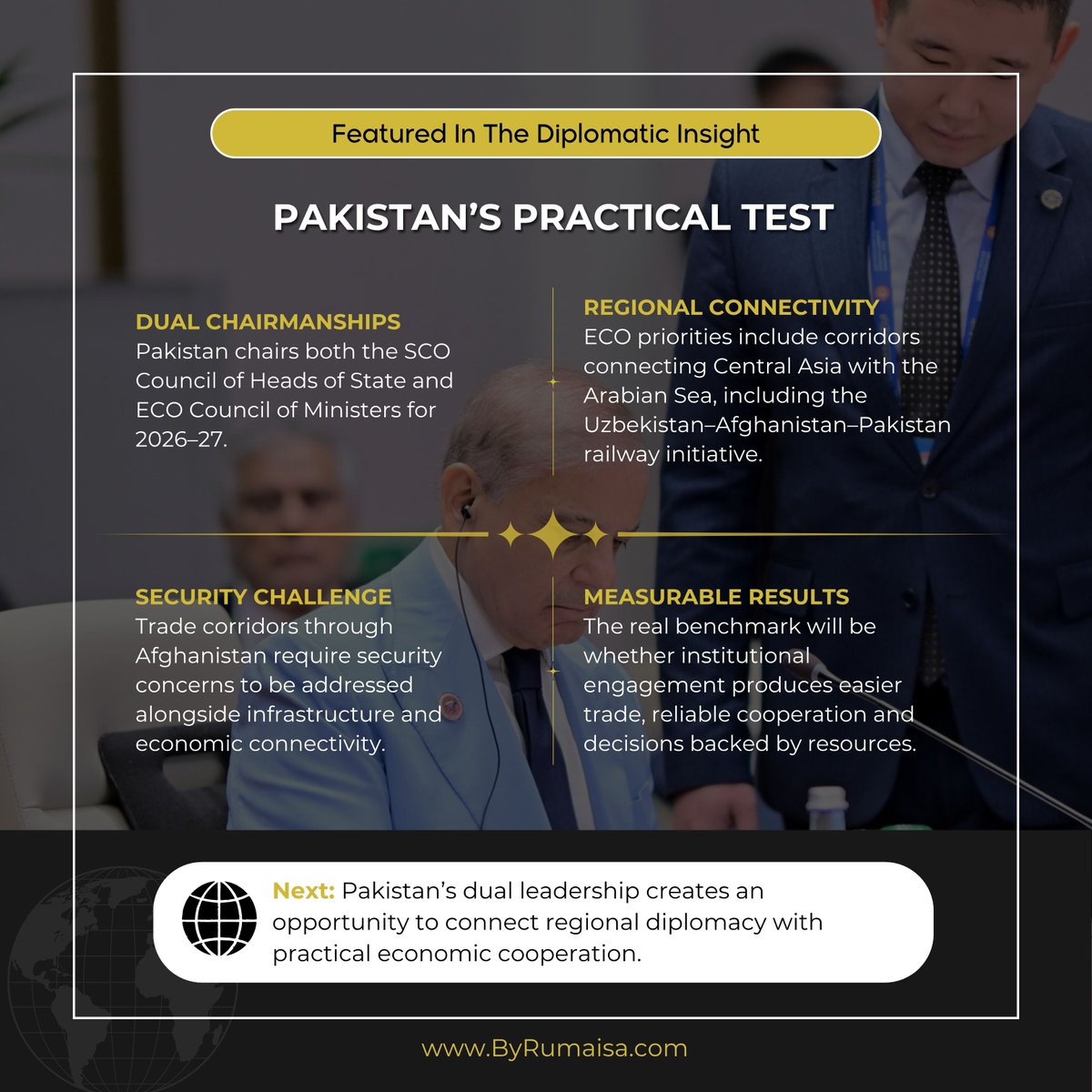
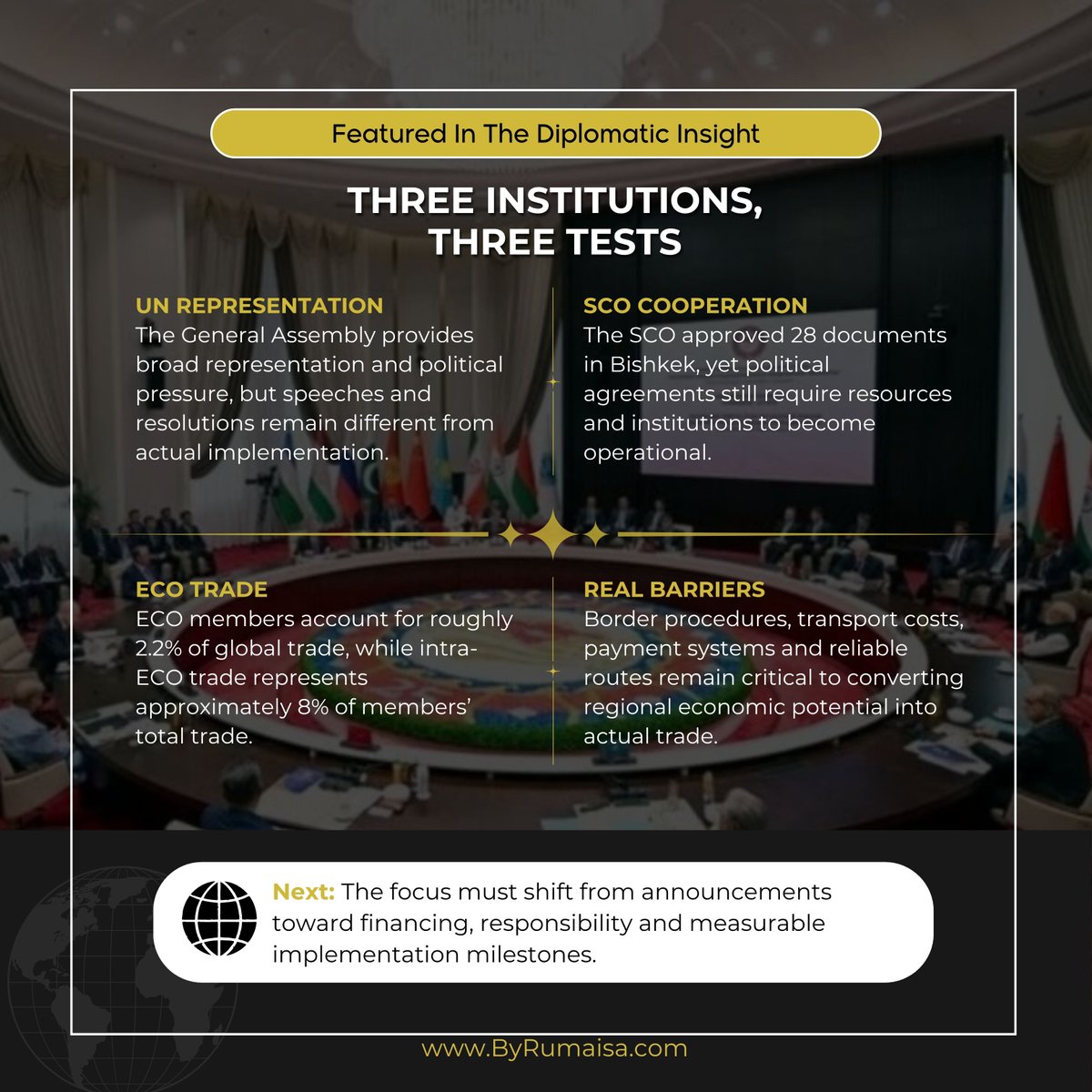
Three diplomatic platforms. Multiple shared members. But translating meetings into meaningful outcomes remains the real challenge.
September highlighted intense diplomatic activity across the Shanghai Organisation, the United Nations, and the Economic Cooperation Organisation.
US–Iran diplomacy is facing a critical nuclear standoff.
Washington is demanding a significant reduction in Iran’s uranium enrichment capacity as part of any agreement to end the war, while Tehran continues to defend its right to enrich.
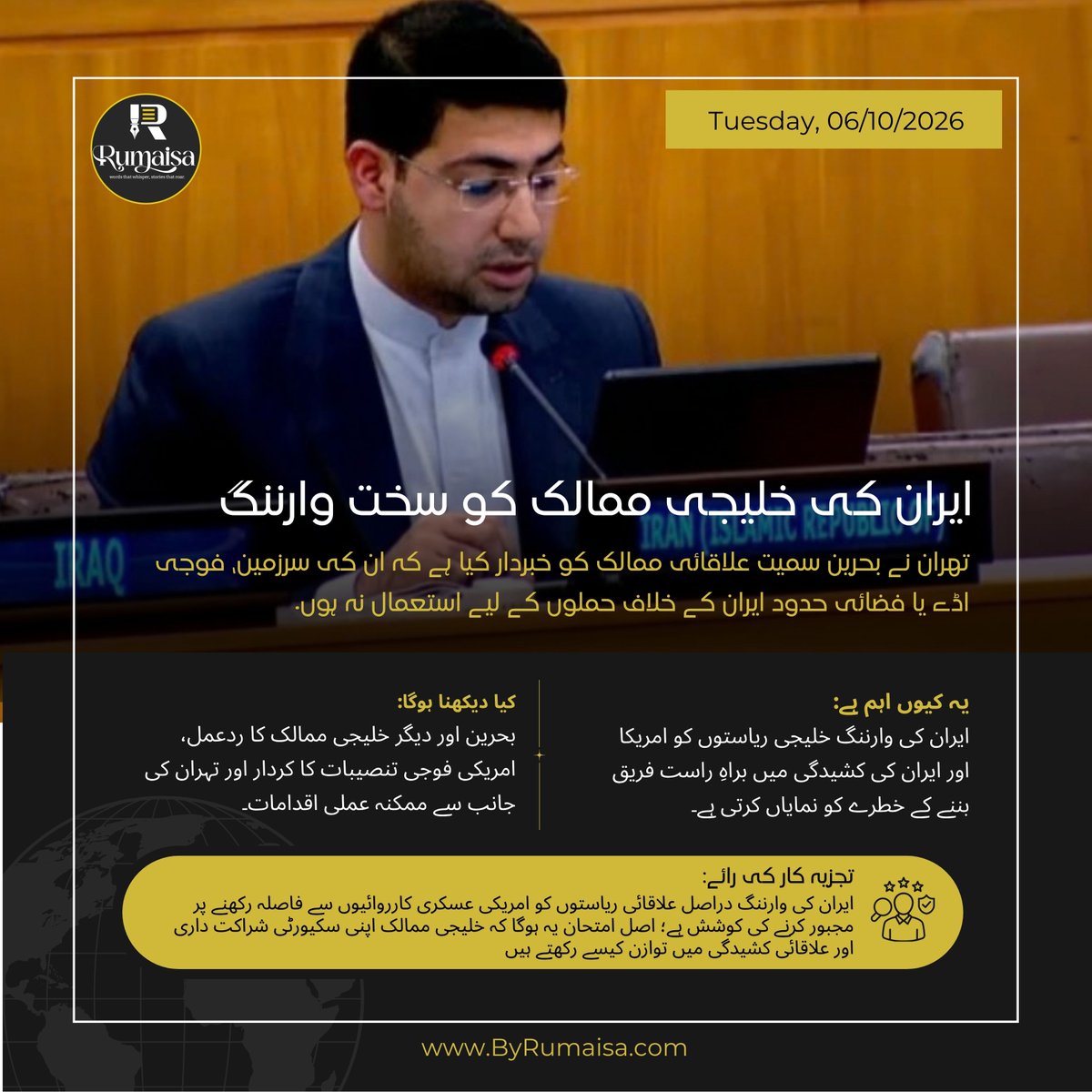
Iran’s latest warning to Gulf states signals a new and more dangerous phase in regional tensions. Tehran has made it clear that allowing territory, airspace, or military facilities to be used for attacks against Iran could have direct consequences for neighboring states.
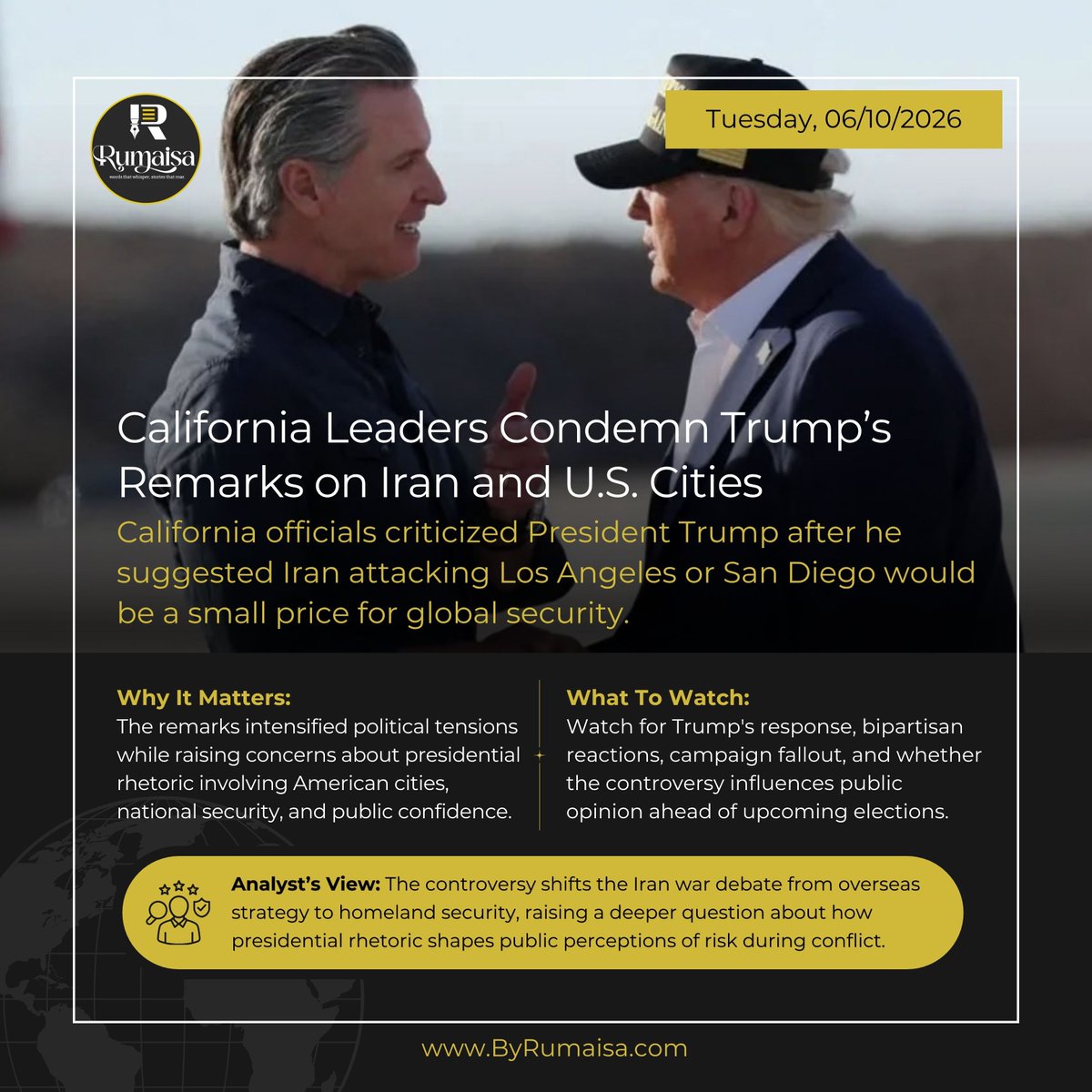
California leaders strongly criticized President Trump's comments about Los Angeles and San Diego, calling them dangerous and inappropriate. The controversy has fueled renewed debate over political rhetoric, national security, and leadership during international conflicts.
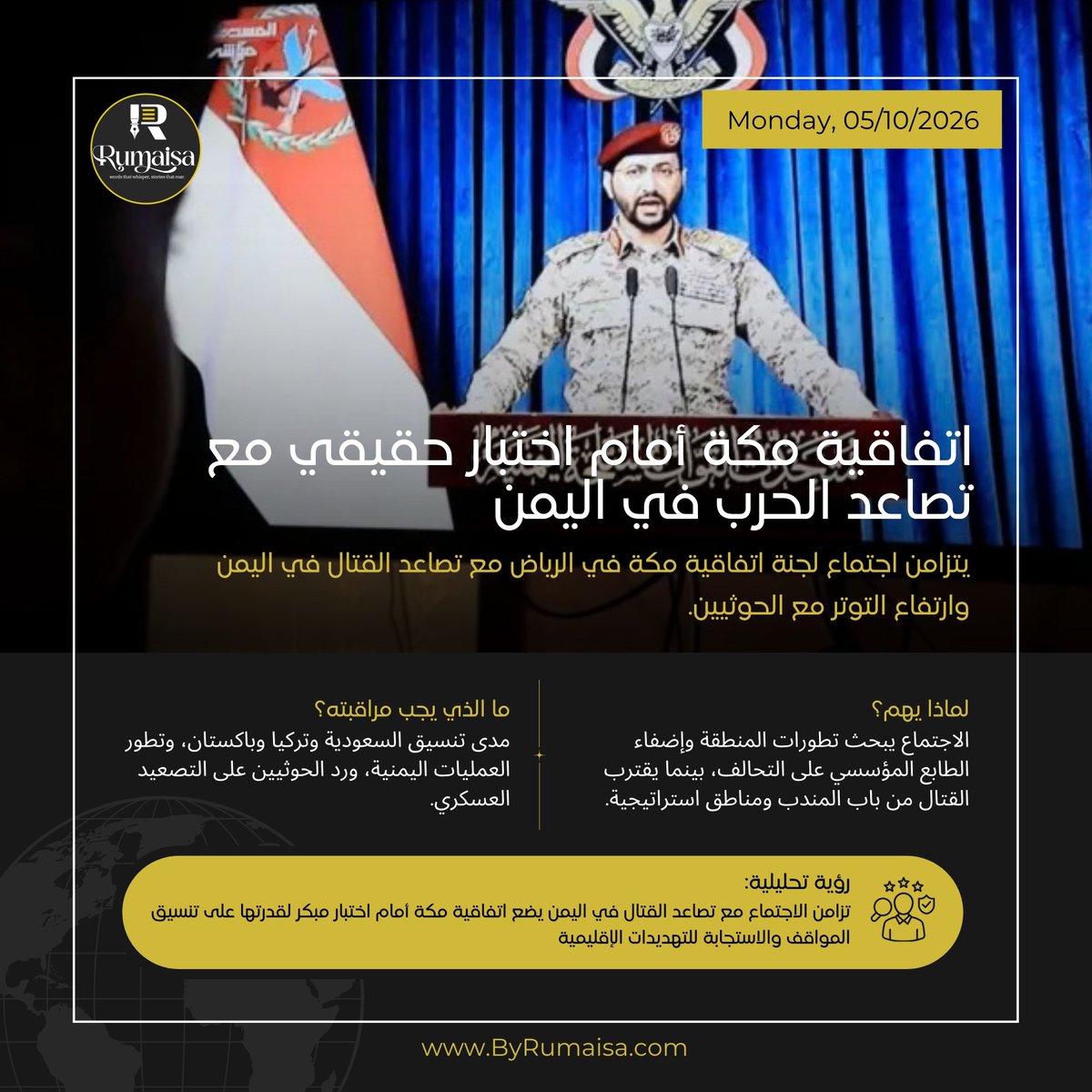
The Mecca Agreement is facing its first serious test as military operations intensify in Yemen.
With its committees meeting in Riyadh amid rising tensions around strategic areas, the focus is shifting from the agreement itself to its ability to deliver real coordination.
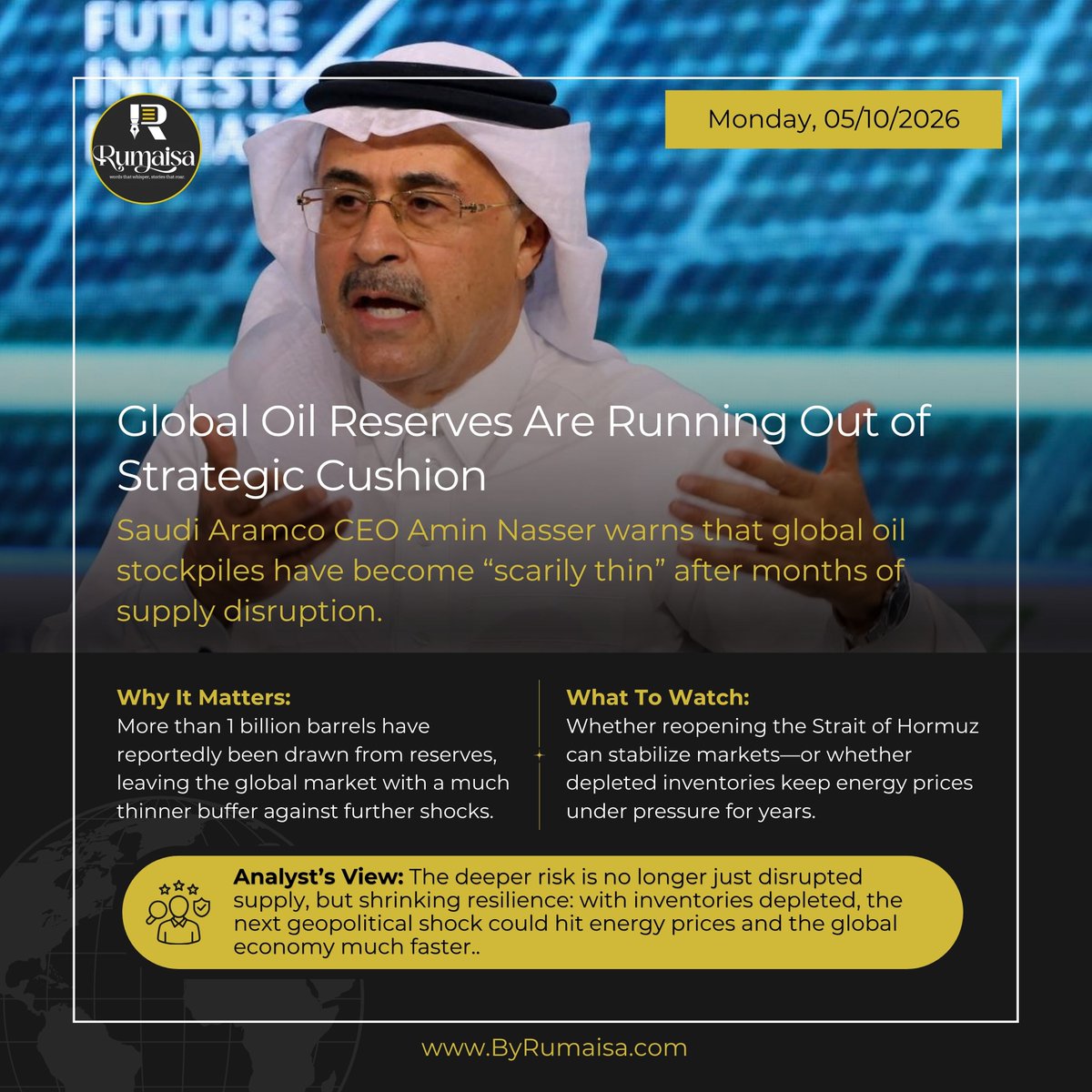
Global oil markets are facing a deeper vulnerability: the world’s supply buffer is rapidly shrinking.
Saudi Aramco CEO Amin Nasser warns that rebuilding depleted inventories could take up to two years, even after supply disruptions ease.
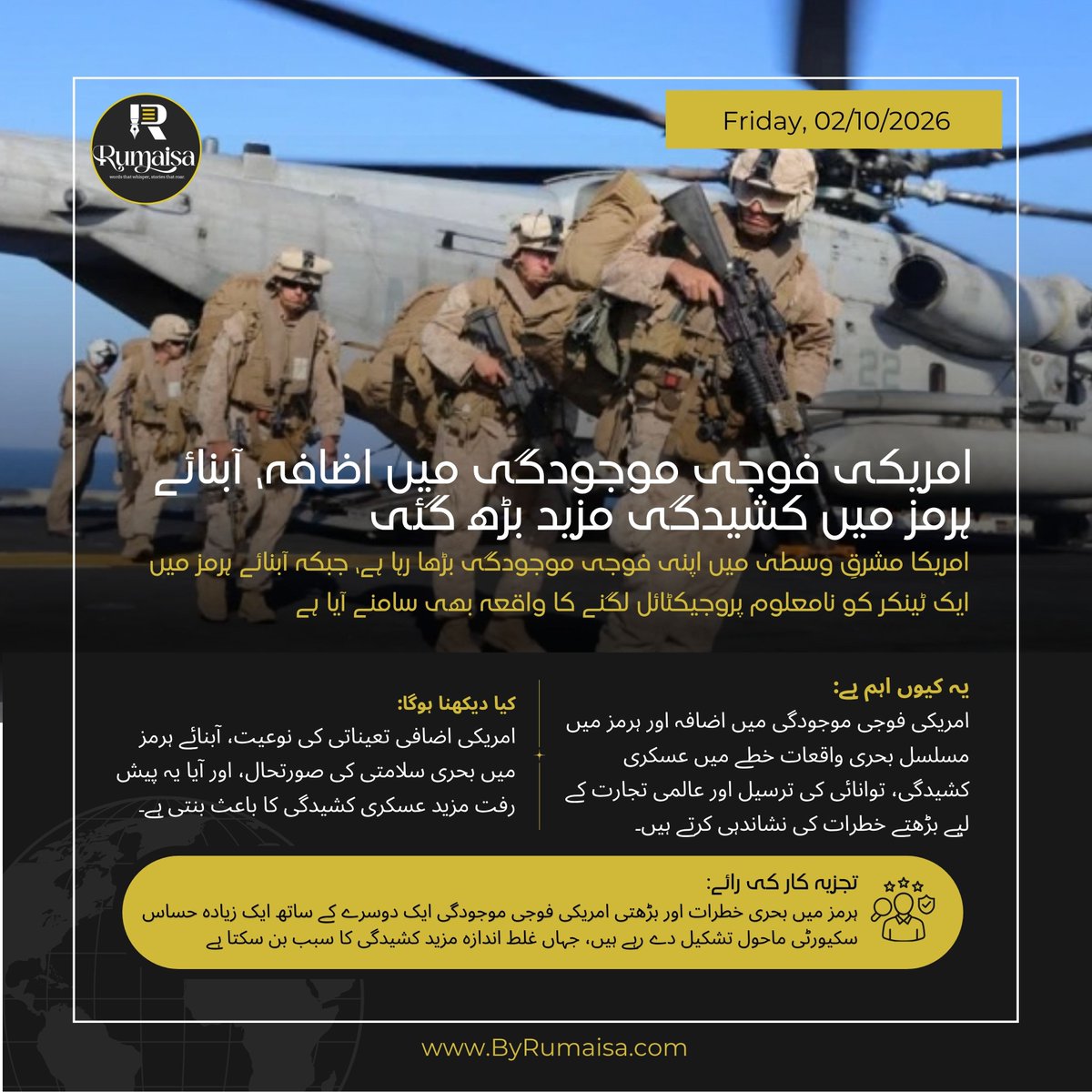
The deployment of around 2,000 U.S. Marines to the Middle East, alongside a fresh attack on a supertanker in the Strait of Hormuz, highlights the growing pressure on maritime security and regional stability.
Diplomacy creates opportunities, but institutions are ultimately measured by what they deliver.
The UN, SCO and ECO provide overlapping platforms for political dialogue, regional coordination and economic cooperation. Yet the central challenge remains the same.
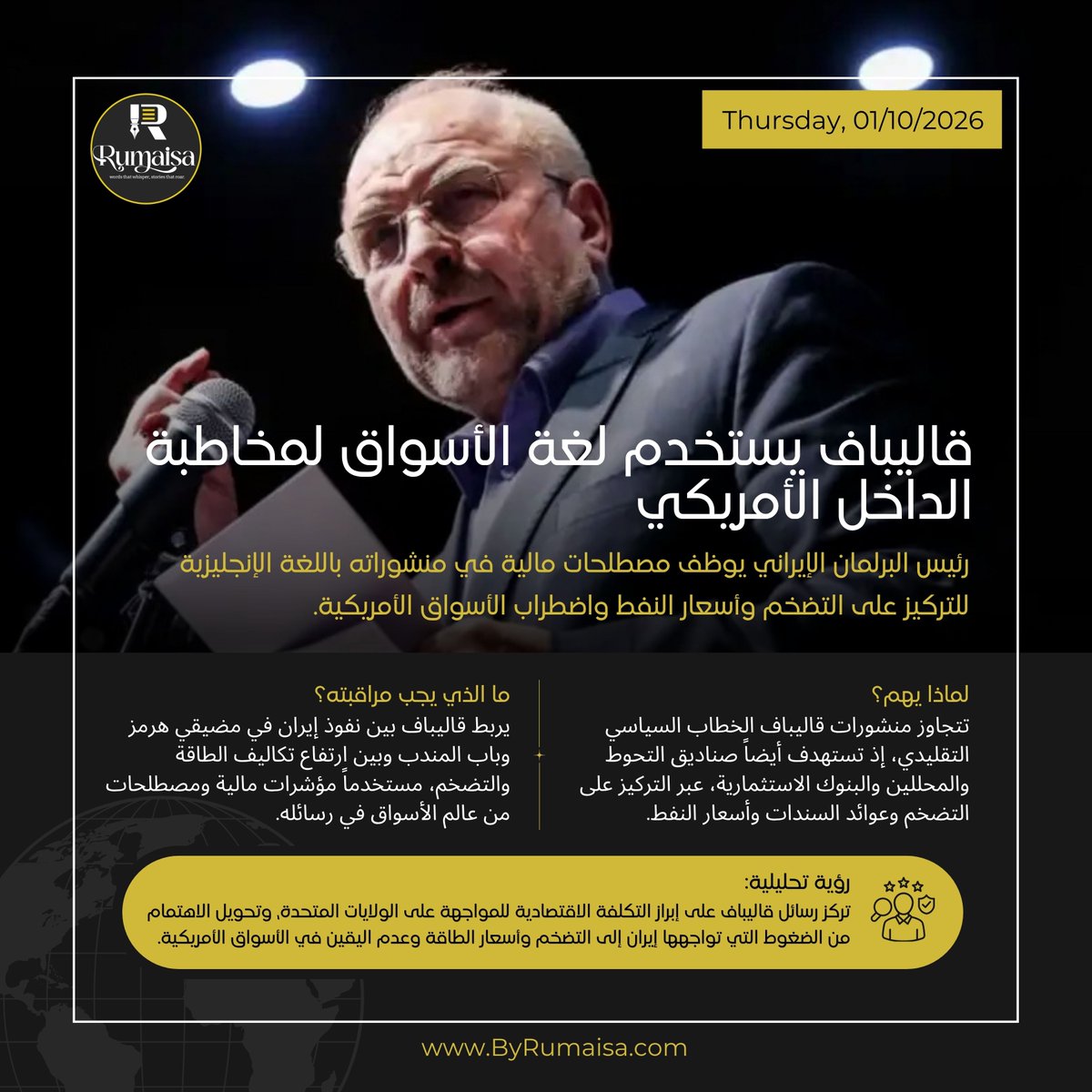
Iranian Parliament Speaker Mohammad Bagher Ghalibaf is increasingly using financial-market language in English-language posts aimed at American audiences.
His messages focus on inflation, oil prices, market uncertainty, and the economic costs of the US-Iran conflict.
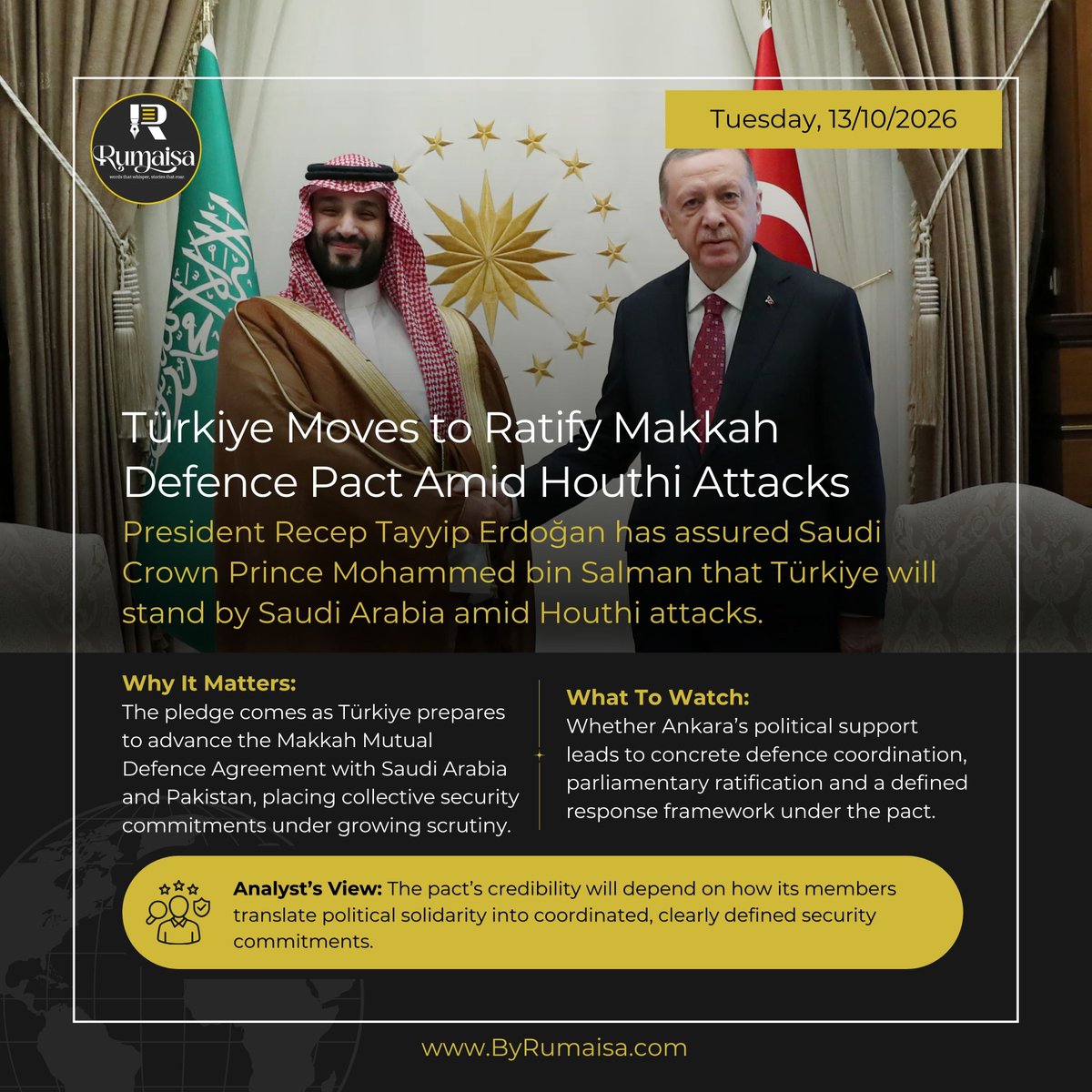
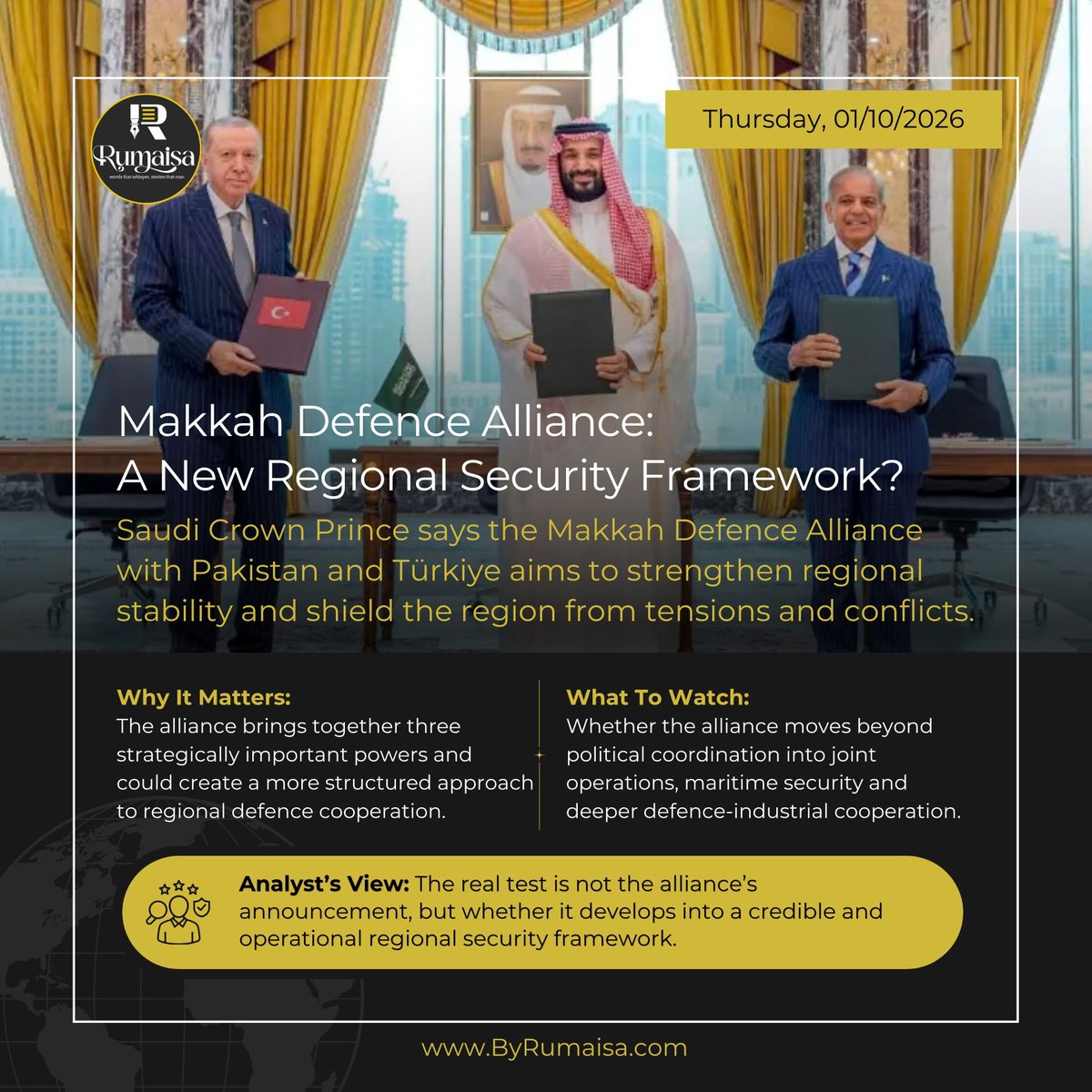
Saudi Arabia’s latest remarks place the Makkah Defence Alliance within a broader regional security strategy involving Pakistan and Türkiye. The key question is whether the alliance can translate political coordination into practical defence cooperation and regional security.
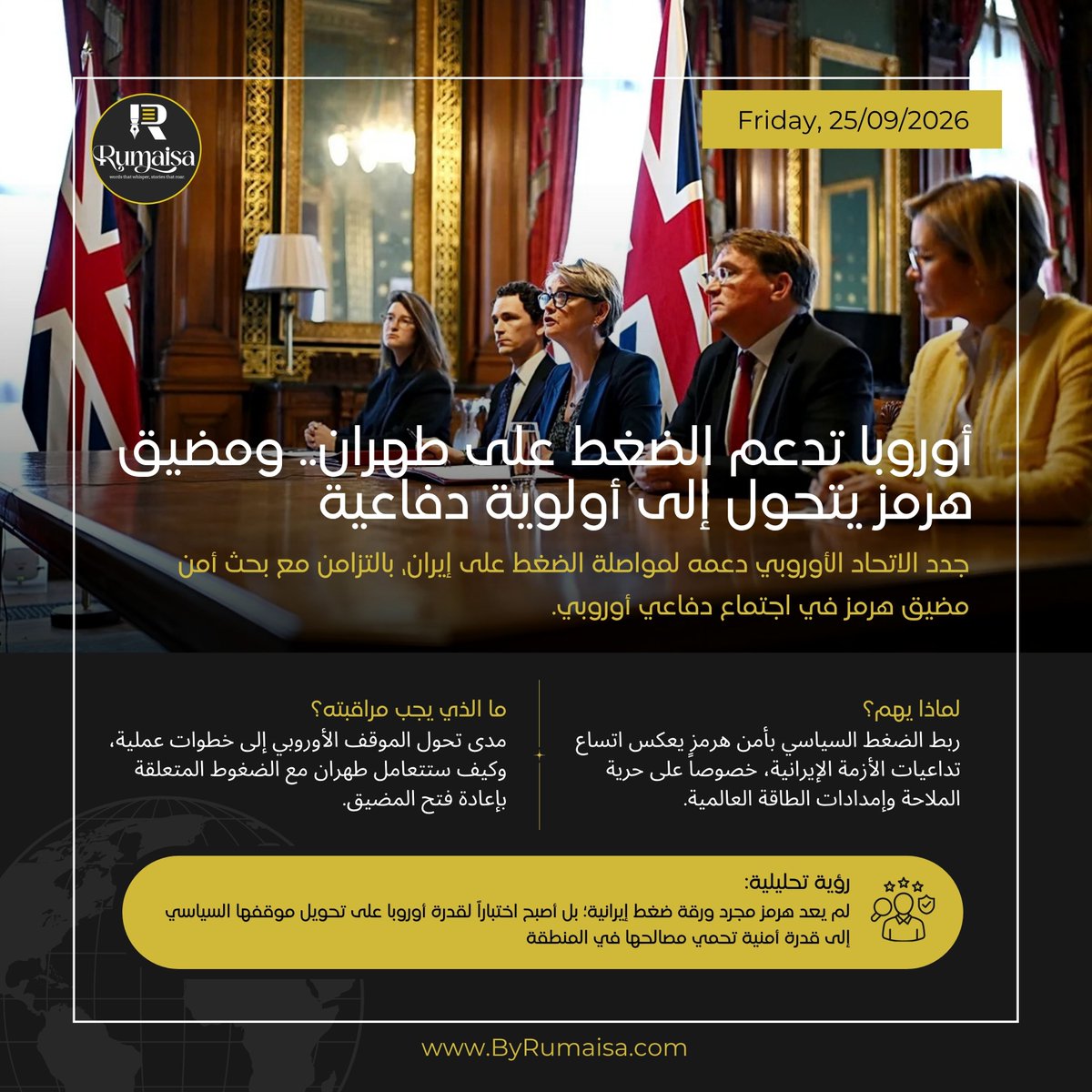
Europe’s growing support for pressure on Tehran, alongside discussions over the Strait of Hormuz, signals how Iran’s regional tensions are increasingly becoming a wider European security and economic concern.
#Iran#Europe#StraitOfHormuz#Hormuz#MiddleEast#Geopolitics