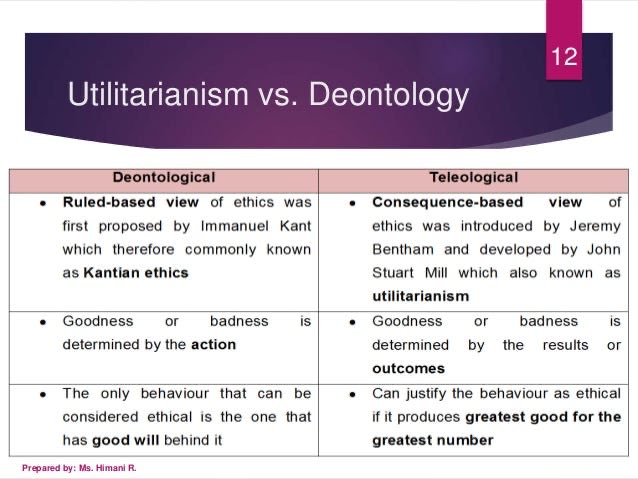
Based on an individual’s moral beliefs, it helps shape their ethical evaluation. The 2 main evaluations are Deontological which focuses on the right and wrong (more like seeing things black and white) and Utilitarian, focusing on the overall consequences and impact. #CBES11Q1
Unfulfilled expectations, such as high goals for goods/services; seeking thrills, such as vandalism or larceny; pathological socializing, when consumers want revenge on the company. All the factors above and more can cause consumers misbehavior. #CBES11Q2
Corporate social responsibility (CSR) helps a firm be socially accountable to itself, its stakeholders, and the public. By practicing CSR, organizations can be aware of their economic, social, and environmental impact. E.g. Hatachi company also have CSR activity. #CBES11Q4
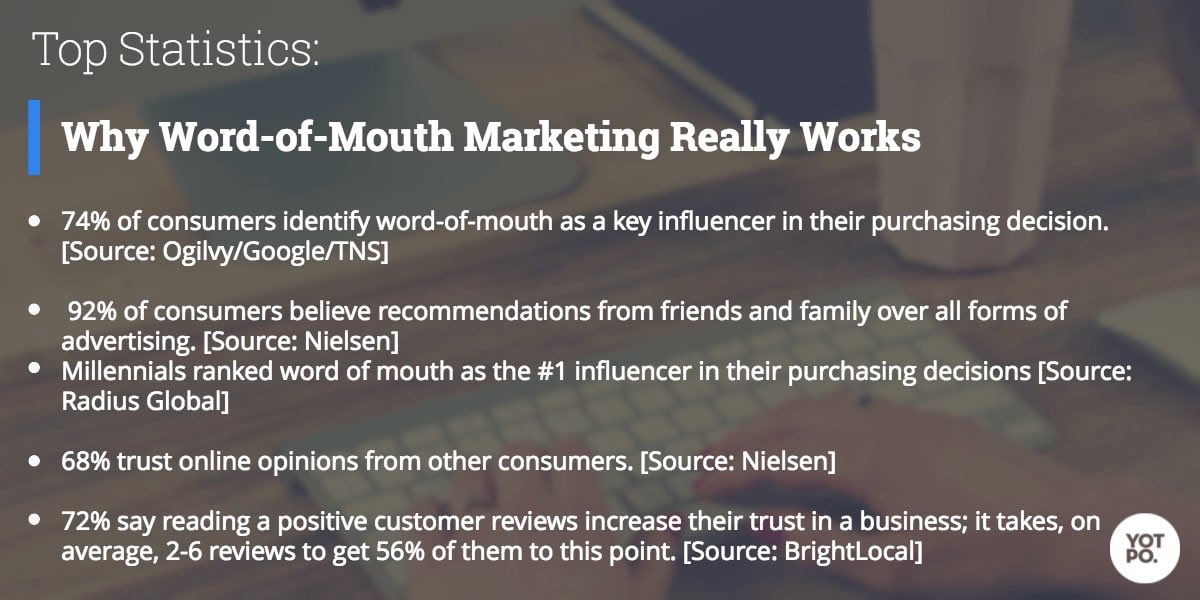
An example of a positive word-of-mouth could be:
A lady was thinking of getting her nails done for her birthday. Coincidentally, she met up with her sister and her sister showed her her newly done nails and shared how professional the skills were. #CBES10Q2
For instance, if a customer dines at your restaurant and the waiter or waitress is on their phone and not paying attention to the customer, this is a red flag and bed for business. The customer may post a negative review online or warn a friend not to dine here. #CBES10Q1
Quality of relationships indicates how well a business and its customers communicate with one another. Especially when this relational quality is high, this creates value. Customers are better able to make educated purchases, and marketers save time.#CBES10Q5
some ways to dispose products:
- recycling so that products can be repurposed e.g. businesses could make paperbags out of recycled newspaper
- trading in old mobile phone with businesses for cash
- reselling the item on marketplaces
- donating to someone that needs it
#CBES9Q4
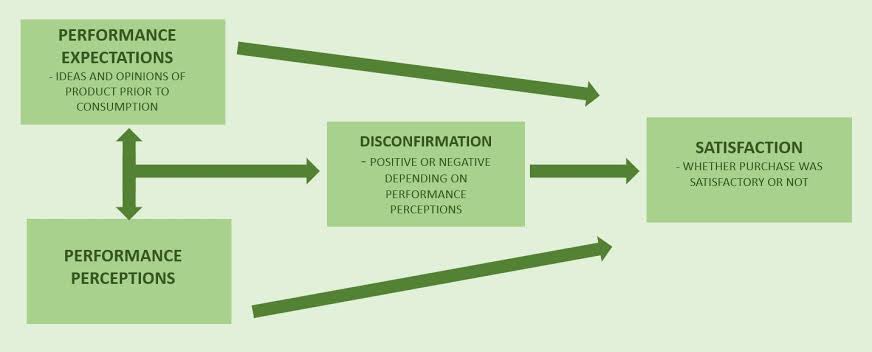
Customer satisfaction is a measurement that determines how happy customers are with a company's products, services, and ability. Information on customer satisfaction such as polls and ratings, can provide a business with insight into how users feel and how to improve. #CBES9Q2
Consumers, according to the notion of expectation disconfirmation, base their evaluations of a product or service on their assumptions about its qualities and benefits.E.g.when customers of a high-end establishment receive the attentive treatment they have come to expect.#CBES9Q3
Emotion and mood influence affect-based judgments with limited information. E.g. Even though you don't need either, you find yourself purchasing a new pair of shoes and a new dress whenever you're feeling down, and you love it. #CBES8Q1
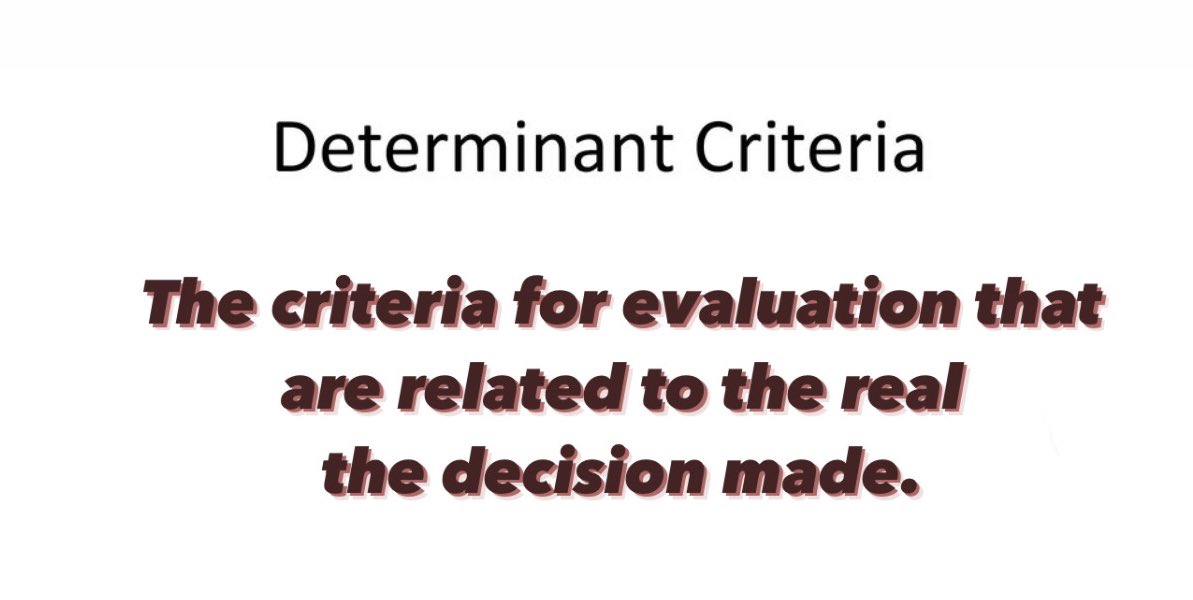
To give an example, when thinking of purchasing a laptop, I make sure that it fits my needs. Such as it is practical, it is worth the price and will benefit my work. Do the features outweigh any of its flaws? These factors help me come to a decision.#CBES8Q1
Using a tech geek as an example during evaluation of alternatives for a laptop, he will seek for features that caters to him e.g. i5 processor for school. He will consider the benefits that each laptop has, e.g. another laptop do not have i5 processor but has good audio. #CBES8Q2
@CharlesTeeSIMGE Didn’t have enough words to finish the sentence so had to shorten the sentence. Basically what I meant to say was ‘the consumer absent the thought of buying the product before entering the store but still end up buying it anyways’.
-Impulse buying is a spontaneous urge to buy things for their own pleasure often happen unexpectedly.
-Unplanned buying is when you consider to buying something but then absent the thought before the shopping.
-Compulsive buying is like an uncontrollable brain addiction.#CBES7Q3
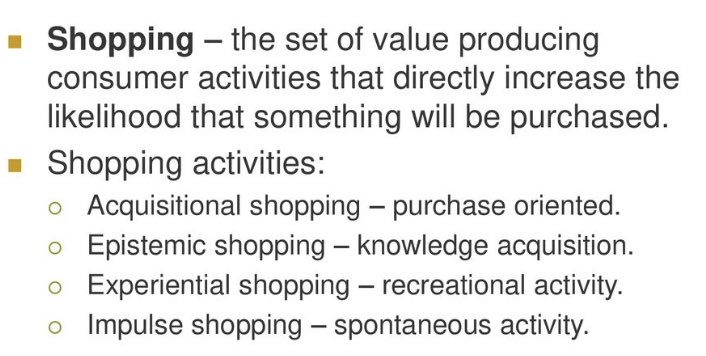
types of shopping activities
Acquisitional: driven by need
Epistemic: learning of a product e.g. trying at retail store before buying at online sale
Experiential: for experience e.g. shopping at local market overseas
Impulsive: usually unplanned and instant satisfaction #CBES7Q2
Time- time of day, season, and customers' time impact what they buy.
Place- a place's scenery "vibe" affects consumer decisions.
Condition- consumers' financial situation, mood, and discount
Situational influences are momentary situations that affect how purchasers act.#CBES7Q1
Culture can be set differently in each country. Culture can comes from many thing such as community interaction to other, belief and more. However, culture can also be change over time depends on many factors. #CBES6Q2
Culture can be learned with first-hand experience. As one experience social interaction with a group from another culture, they actively process the information and start to model it as a way of fitting in, i.e. living in Japan and picking up the culture of being polite #CBES6Q4
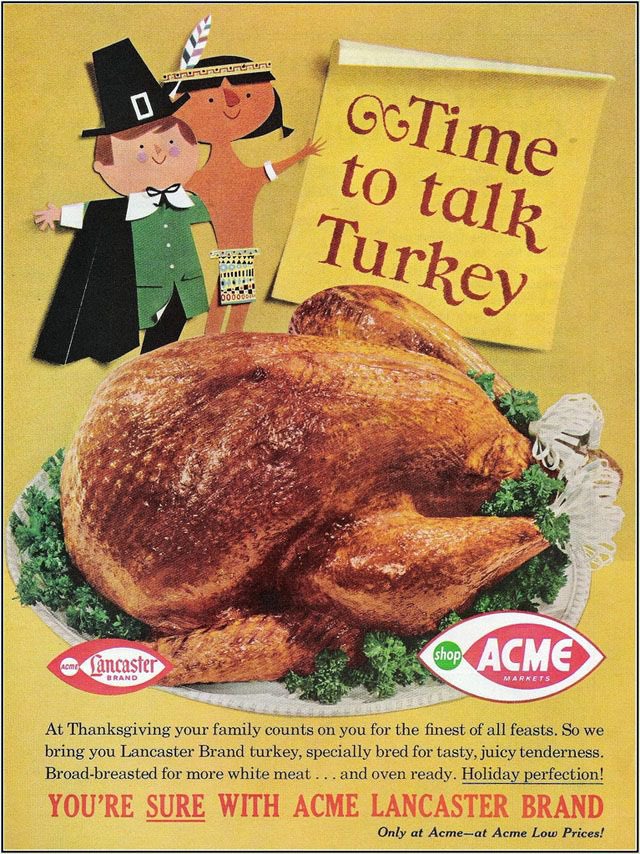
Consumer culture reflects widely held attitudes about what constitutes social satisfaction in a specific society. It's a culture based on consumption, not religion or morality. For e.g. Thanksgiving consumer tend to have turkey for dinner
#CBES6Q1
Enculturation is the learning of a culture that one is part of e.g. being born into a Chinese family, upholding the culture as its passed down by older generations. Acculturation is the learning of another’s culture and this may cause one to live with both cultures. #CBES6Q4