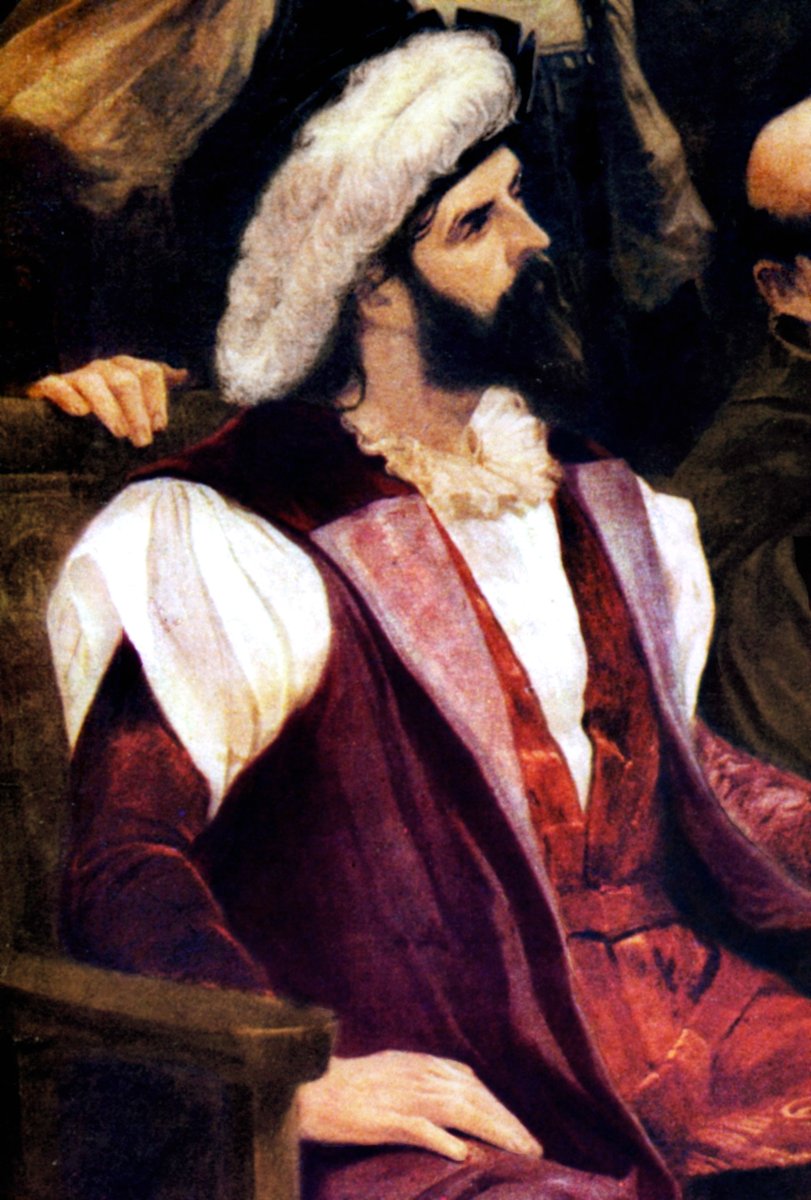
Thank you for joining me on my voyage and listening to me explain how my discovery had a huge beneficial impact on Portugal and a more harmful impact on the Indigenous population who lived there! I hope you learned something! Here is one last picture of me as a goodbye:
Overall, my discovery of Brazil and Portugal’s colonization in Brazil exposed the country to the international market for commercial expansion, resulting in significant economic growth and development during the colonial period #IWasVeryImportant 🤩🤑
(3/3) Then, in 1701, explorers found gold and diamond in an inland region called Minas Gerais, which later on allowed wealth, trade, and artistic production to flourish in the entire Portuguese empire throughout the eighteenth-century #GodGloryAndGold
(2/3) Sugar quickly surpassed brazilwood as the colony's primary source of revenue. Enslaved Africans were forced to labor on sugarcane plantations by Europeans, resulting in huge profits for plantation owners #WeAreGettingRich
(1/3) Portugal initially exported and supplied timber, wine, spices, dyewood, forest products, tobacco, cotton, and coffee to Europe, and then to world markets 🌍🌍
(3/3) However, other countries, like England, Holland, and France didn’t fully recognize this treaty, which is why France tried to take control over Brazil #BackOff 😡
(1/3) Brazil’s first export to Europe was brazilwood, a tree that produces a red dye. Wanting to access this brazilwood, for most of the sixteenth century, the French formed partnerships with indigenous factions and contended for control of Brazil #RUDE#YouCantBeatUs 😡🙄
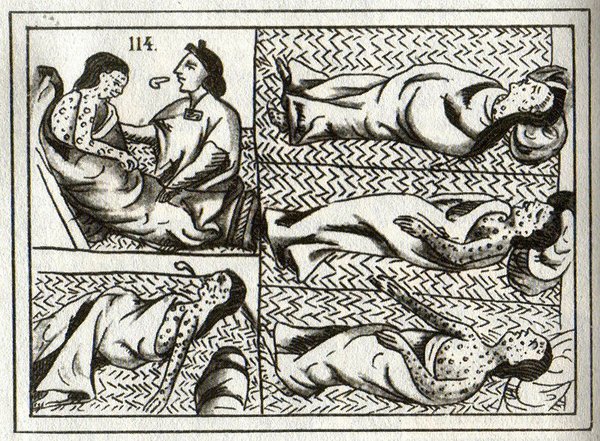
(5/6) They were also exposed to European diseases, such as smallpox, measles, tuberculosis, typhoid, dysentery, influenza, which many of them died from as their bodies had not ever been exposed to these illnesses, and had never developed a system to fight these diseases off
(3/6) This was a threat for the Indians as they could no longer lead normal lives. The Portuguese kidnapped many Indians and forced them to work for them. Many Indians fled farther inland, in order to run away from the Portuguese, however, not many succeeded #NotSuprised
(2/6) Instead, when the interest in creating plantations on cleared land increased, so did the need for workers. Thus, the Portuguese tried to enslave Indians #SorryNotSorry 😏
(1/6) The Indians and Portuguese did initially work together to harvest trees, like I did. However, the need to go further inland to access wooded regions made the pau-brasil trade less appealing #WeDontWantToWorkWithYouAnymore
There were numerous tribes that spoke different languages and practiced different cultures, and the Portuguese took use of the Indians' cultural differences to throw them against one another and build coalitions that provided auxiliary warriors for their colonial battle
In total, two ships returned empty, five ships returned completely loaded, and six ships were lost along the way. The commodities carried by the fleet, on the other hand, yielded up to 800 percent profit to the Portuguese Crown 🤑🤑