If Bonds confuse you, read this (Bonds 101):
Generally, bond prices are inversely related to bond yields, however, the relationship is more complex when there is an inverted yield curve (where the yield on short-term bonds is higher than the yield on long-term bonds).
Bond prices can be higher or lower than their face value, depending on the demand for the bond:
1) When interest rates rise, bond prices fall. This is because investors can get a higher yield on new bonds, so they are willing to pay less for existing bonds.
2) When interest rates fall, bond prices rise. This is because investors can get a lower yield on new bonds, so they are willing to pay more for existing bonds.
3) HOWEVER, when there is an inverted yield curve, the relationship between bond yields and bond prices is more complex. This is because investors are not only looking at interest rates but also at the outlook for the economy. When investors are expecting a recession, they will be willing to pay more for bonds, even if interest rates are rising.
• For short-term bonds, bond yields & bond prices follow their typical inverse relationship
• For long-term bonds, the relationship is more complex because other factors like future economic expectations can influence demand, and therefore bond prices
If you aren't learning AI, you're falling behind.
Luckily, Harvard (4.5% acceptance rate) & Stanford ($78,898 yearly tuition) offer free courses.
No application or fee required.
Here are 10 FREE courses you don't want to miss:
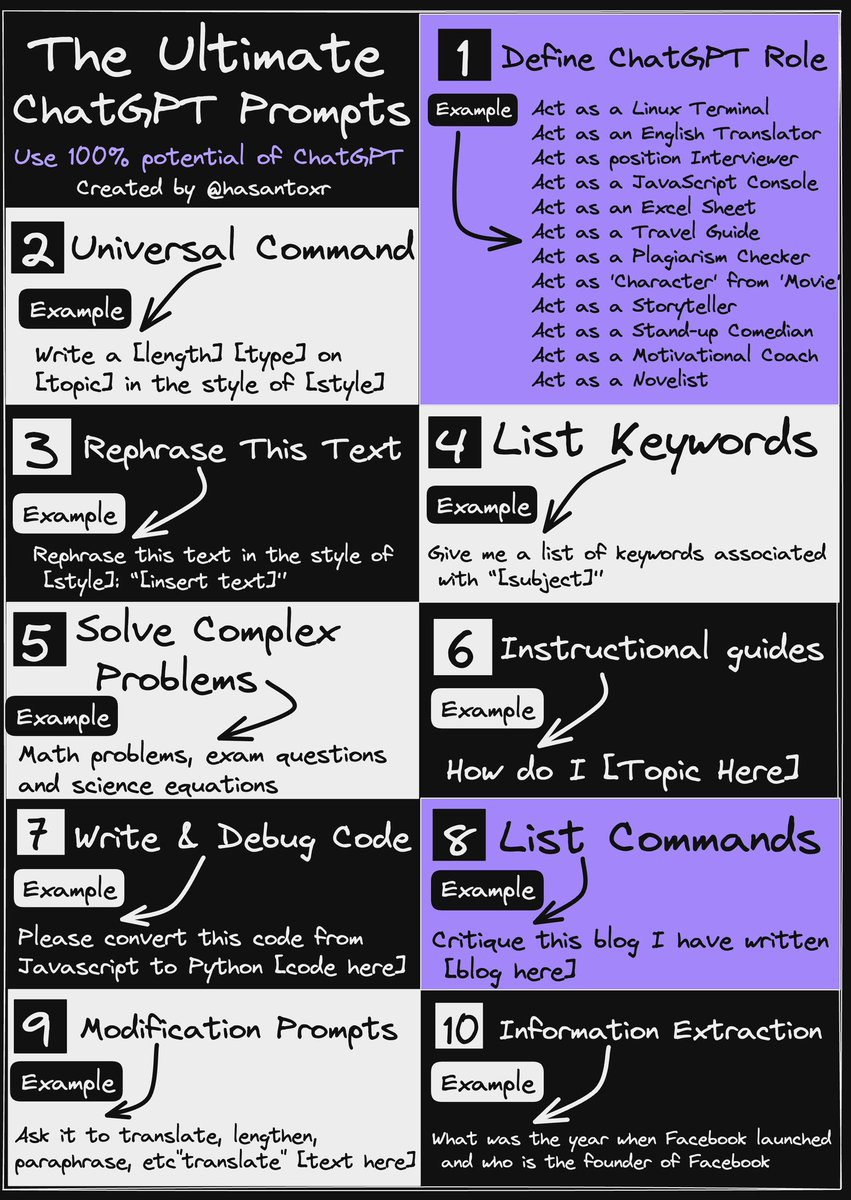
ChatGPT is one of the most mind-bending technologies we've come across.
But it's only powerful if you use it for the right things.
Here are 10 use cases that you might not have tried:
Cold emailing changed my life.
I made friends with founders I won't have met otherwise, made partnerships that bring us millions, and sold to clients who have never heard about us.
I've curated the best advice on how to write a killer cold email: