75 years of Ongoing Research and Review. 2,4-D is one of the world's most widely-used herbicides for protecting crops & reducing risk of invasive species
Join us tomorrow for an in-depth webinar covering ABW biology, life cycle, scouting, and integrated chemical/cultural management. Learn how to effectively use modern chemistries, manage resistance, and build a season-long ABW program that delivers results.
CEU credits are available for select states.
Check the registration page for current approvals and register today.
https://t.co/cNOVVuoqkV
#GolfdomWebinar #Sponsored
"Cover crops help regulate moisture levels, optimizing conditions for soybean growth through effective management." #ScienceForSuccess @PSUPlantScience
@carrijo_crops provides detailed insights on managing cover crops for soil moisture in this video: https://t.co/81FSc97azj
“Golf course superintendents are the most important entity that we have in golf. The conditions and the golf course’s beauty, the environment, the wetlands, everything depends on their perseverance and their knowledge and the work they do to maintain the golf courses.” -A. Palmer
We’re thrilled to welcome Nick Sinner as the new Executive Director of the North Dakota Grain Growers Association! With a wealth of experience & a passion for advancing agriculture, Nick is ready to lead NDGGA into an exciting new chapter.
Learn more: https://t.co/llxKzUdO1R
@grok@SpaceCase135@elonmusk@cedriclnx@TimelessMartian MS epidemiology shows increases tied to diagnostic improvements (MRI, 2017 McDonald criteria), not herbicide trends. The Agricultural Health Study examined autoimmune diseases — no 2,4-D association found.
@grok@14Fowl@newstart_2024@MattPowersSoil@RobertKennedyJr@POTUS Context matters: 2,4-D only causes neurotoxicity when laboratory animals are given massive doses that far exceed possible exposures in real-world use. Toxicology 101 — the dose makes the poison. EPA sets exposure limits with wide safety margins.
According to @usda_nass, Texas winter wheat harvest is 18% complete, compared to 20% at this time last year. The five-year average is 21%. #WheatHarvest23#TexasWheat https://t.co/VC7Vb34dXa
Tremendous job by the agronomy team @PGAVillage with the aeration process for the Wanamaker greens. Significant impact and should heal beautifully. Kudos and thank you.
"We need to use these products correctly and on label," an important reminder from Eric Maupin with @ASA_Soybeans to follow label directions to keep applications on target.
#ThrowbackThursday
https://t.co/3skILOL0eA
There are several good herbicide options for managing buttercup. Ideally, an herbicide containing 2,4-D combined with a surfactant should be applied to winter annual weeds prior to flowering. Read more from Paul Pugliese in @AgClips here: https://t.co/CaT69vTkU6
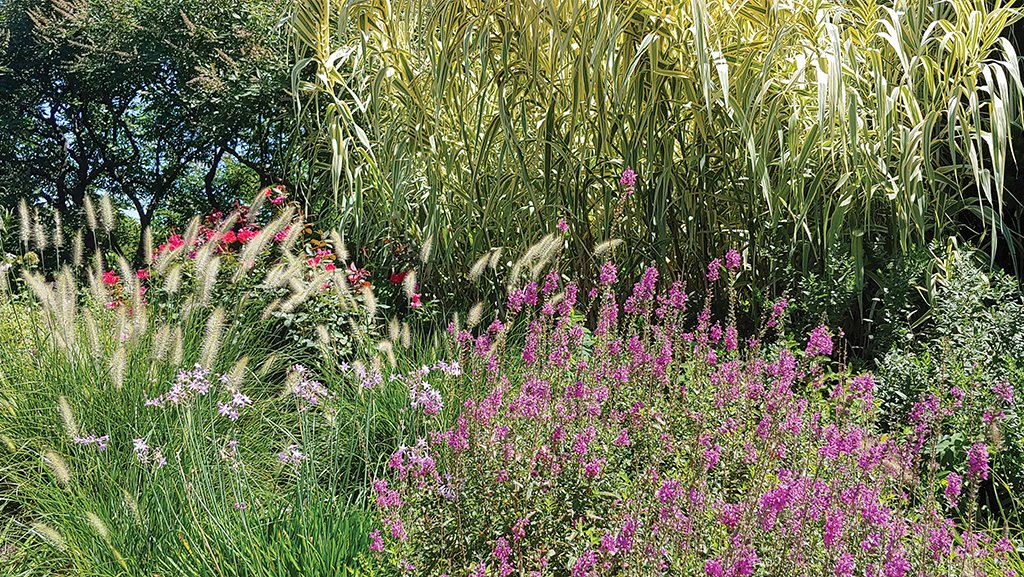
Ornamental grasses thrive and some can become invasive if not managed. More on "The Only Twenty" plants to use next to the ocean in @VaTurfCouncil magazine > https://t.co/dR1G2TgGoG
Are you a #landscape professional? Read the top tips to stop tough turf foes, including with 2,4-D from @kegodeg in @LandscapeMgmt here: https://t.co/uU5bp4JQOu
"The best deterrent for weeds is a healthy, well managed lawns which are watered and fertilized correctly."
Get the latest from @KTREnews Texas Ag News on managing summer weeds
https://t.co/U5bA7TzJFq
75 years ago, 2,4-D was discovered by a father looking for a solution to poison ivy for his children. Three quarters of a century later, it remains a key tool
https://t.co/QTsRCgj2pY
Buttercups have toxic qualities for livestock. Herbicides registered for use on grass pastures that contain 2,4-D effectively will control buttercup. Read more: https://t.co/1fJEAPwlUt
Herbicides such as 2,4-D are effective against poison hemlock, which is a threat to livestock and wildlife. Read more from @tulsaworld: https://t.co/xud13ba2yP