It has been a while since I posted. This post is prompted by some recent posts by others about unusual project memorabilia.
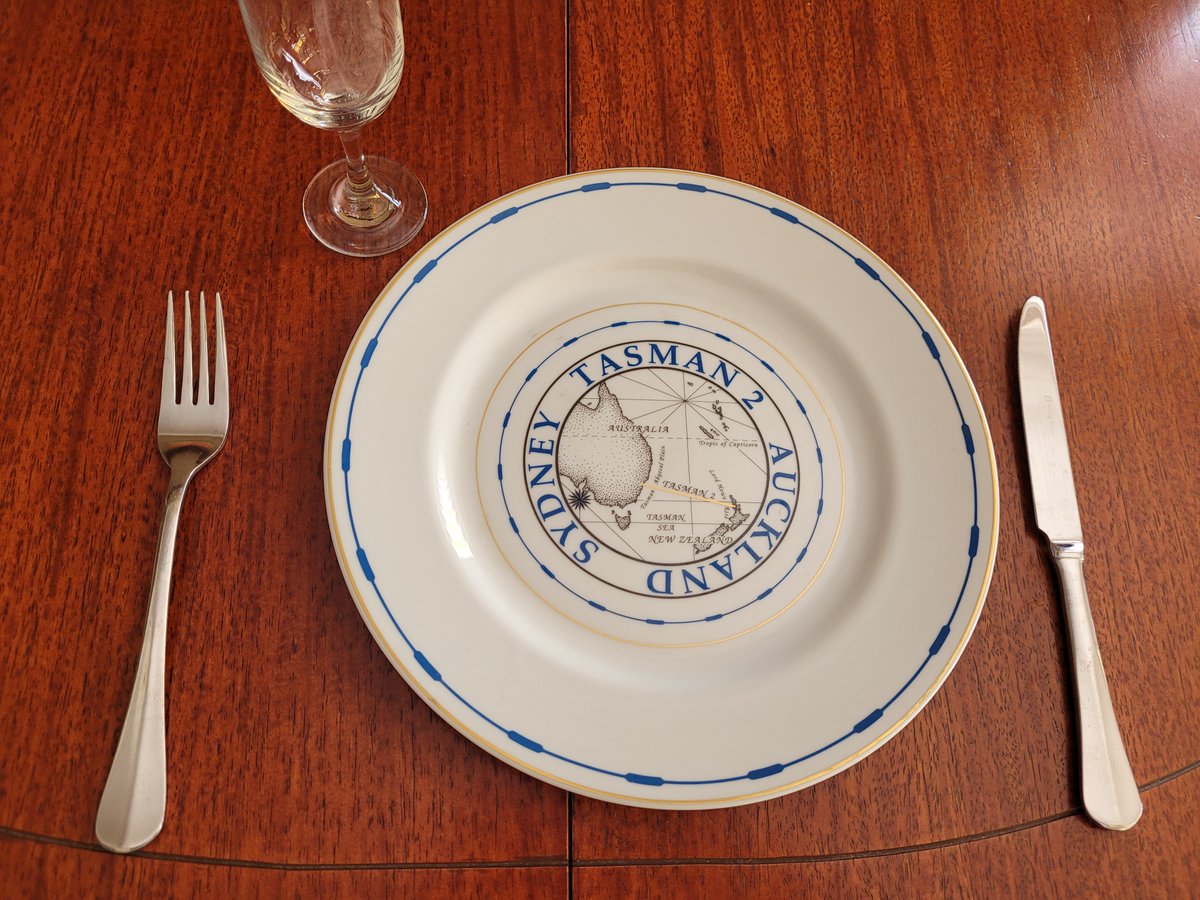
An erstwhile colleague (Frank Donaghy) shared this image of a commemorative plate he received, for being part of the TASMAN2 team in the early 90's.
1/4
3/4
I think the last project T-shirt I received was 2019, and that was from a client, not my own employer ☹️
In the day, shirts or caps were a type of currency in the field, where they were often swapped or given to local personnel as a "tip" to encourage top notch support.
Route Clearance (RC) & Pre-Lay Grapnel Run (PLGR) are often used interchangeably, but they are different operations. RC targets a known OOS (out of service) cable to clear it to allow plough burial. A few separate runs/drives may be needed to ensure it is cleared.
1/4
3/4
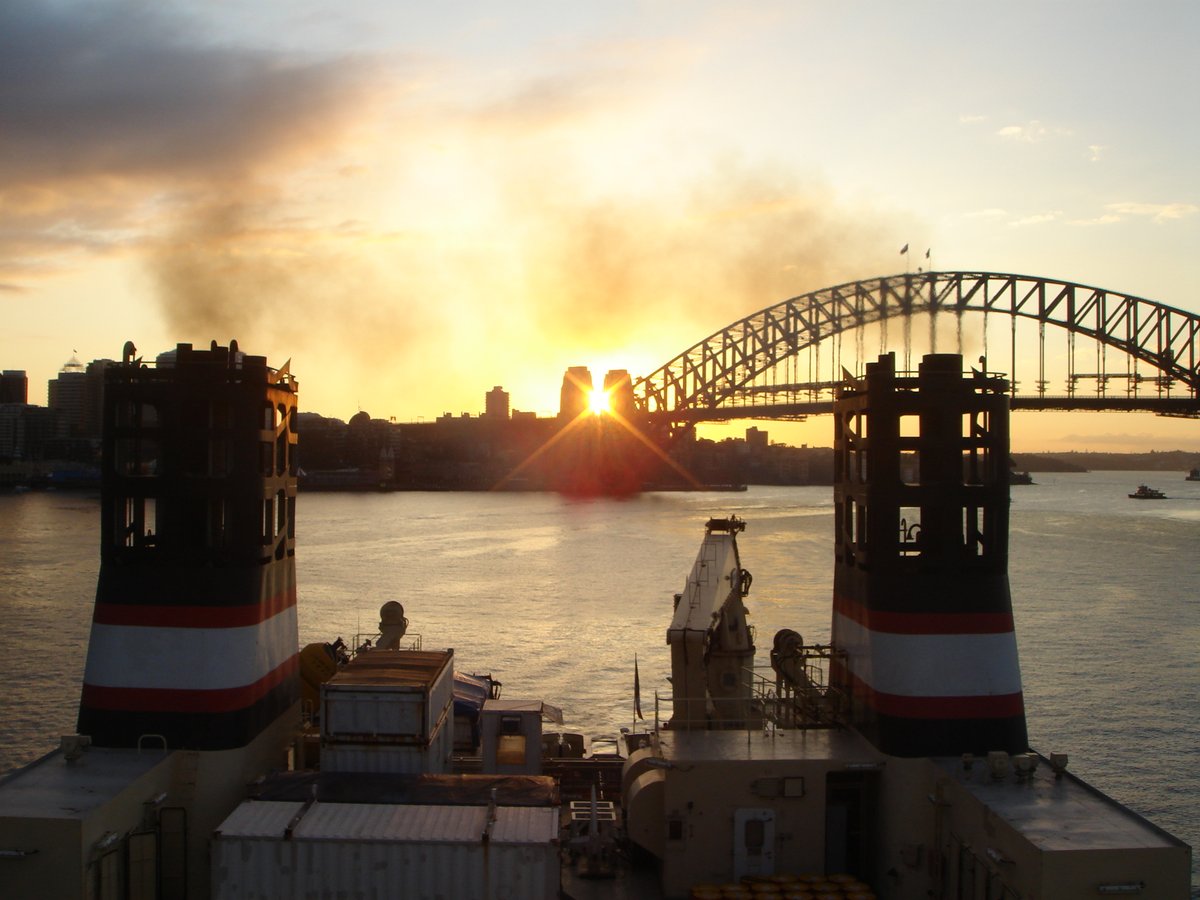
I know this co-ax system was manufactured by STC and installed by Cable Venture in the mid 1980's, but it is very difficult to find any more information about it. Anyone have any interesting stories to tell about the A-I-S cable system?
#ThrowbackThursday
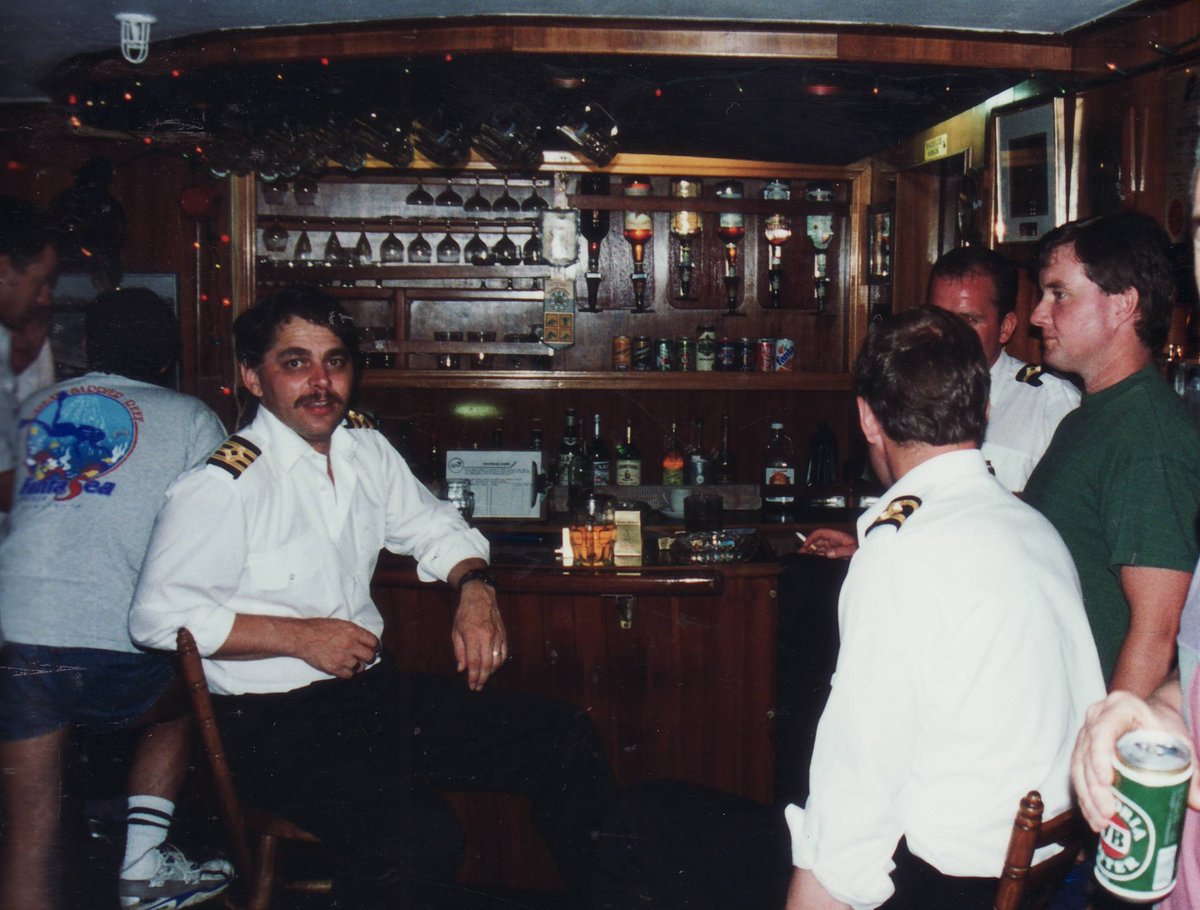
My first few experiences on a cableship were with Cable & Wireless Marine (CWM). It was very much "old school", where you had to dress up for dinner, sit in a designated seat depending on your rank, and were served at your table by the stewards.
1/4
3/4
While I really do love a good cold beer, I prefer to work on the modern dry ships, as it saves me from gaining too much weight! This photo is of the bar in the CS Cable Venture.
Most cableships have ploughs that are used to bury the cable below the seabed. To do this, a tow wire is required to reach from the cableship to the seabed, commonly to 1500m water depth.
1/4
3/4
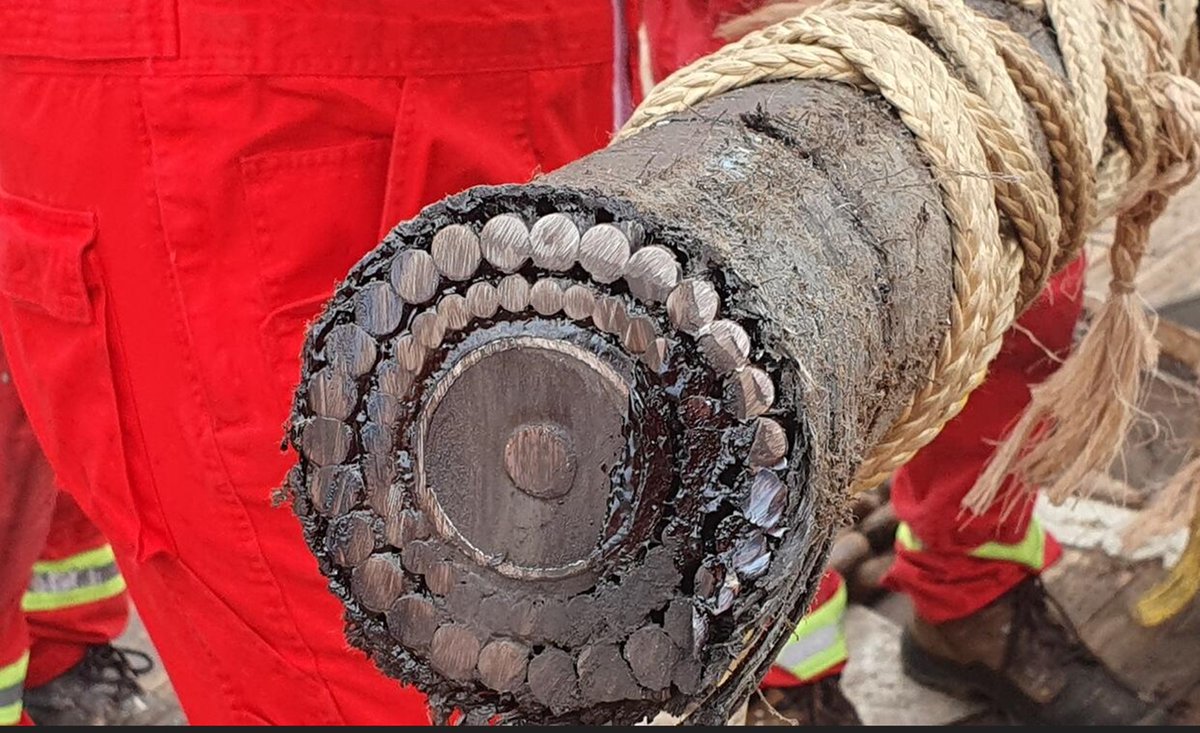
It is not uncommon for the tow wire to need re-termination. This may be due to damage during heavy operations, or even for maintenance at regular time intervals so the quality of the wire insides can be checked.