#Ucraina#Zelensky#Donbass
Facciamola breve.
A 4 anni dalla guerra scatenata da Zelensky contro il Donbass, convinto dal demente senile #Biden che sarebbe arrivato a Mosca, oggi le Repubbliche Popolari di #DPR e #LPR sono più vive che mai, salvate dall'intervento della Russia.
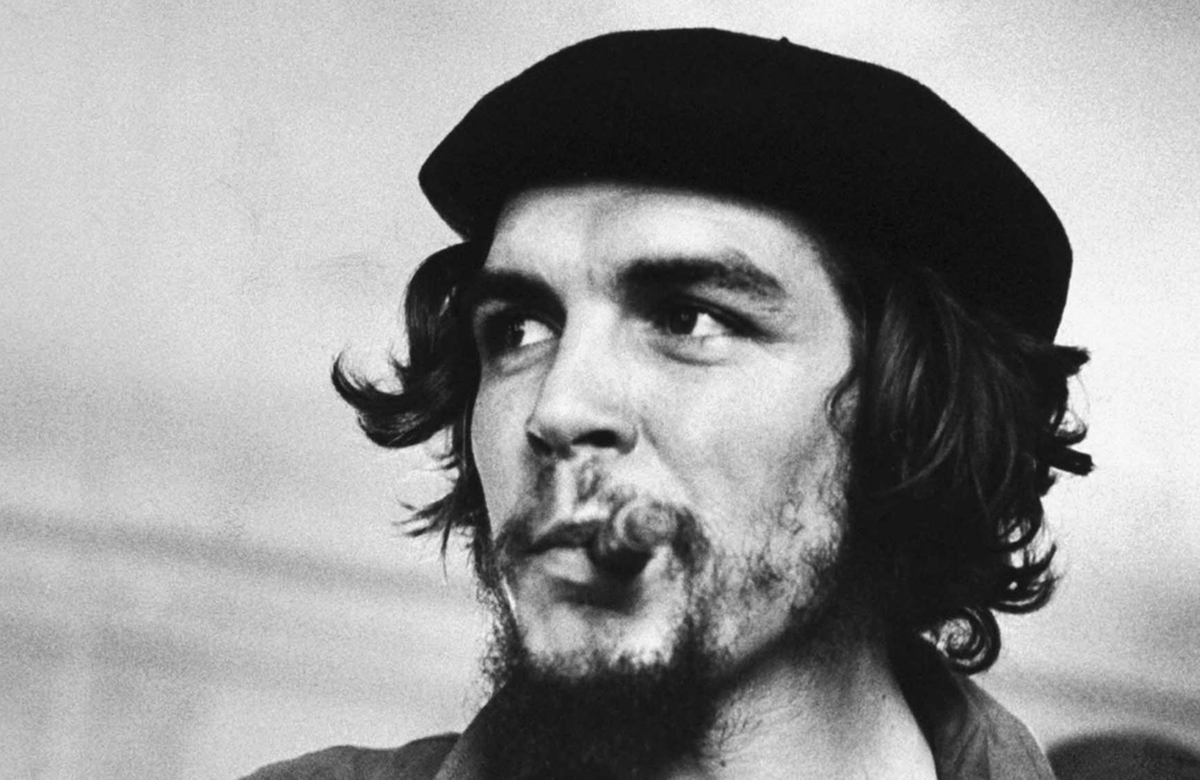
“The most important thing we learned from Che Guevara is that the education of the guerrilla must begin at the very start of the struggle. The real power is not carrying a weapon, but knowing why you carry it.”
— Subcomandante Marcos
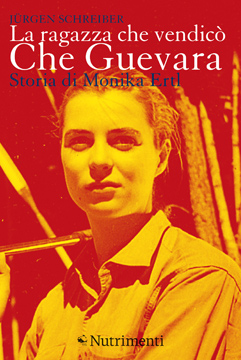
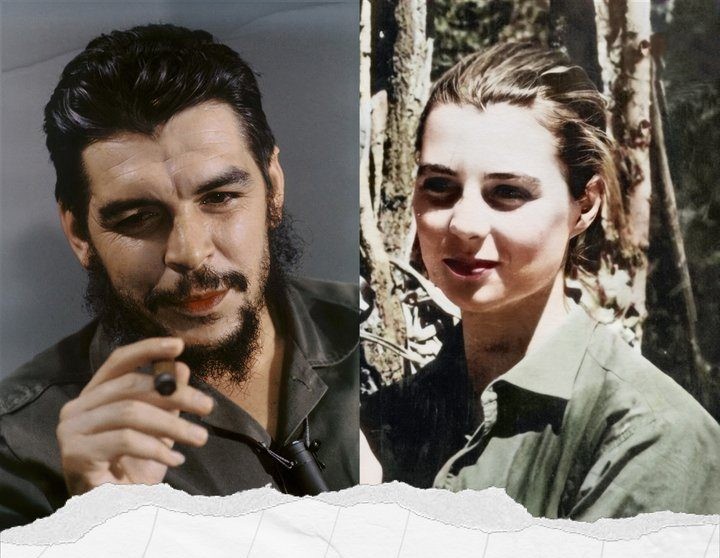
Known as “the woman who avenged Che Guevara,” Monika Ertl was the daughter of Hans Ertl, one of Nazi Germany’s leading propaganda filmmakers. After the Second World War, she fled to Bolivia with her family, like many nazi fugitives. Her father continued to associate there with figures such as Klaus Barbie, the Nazi war criminal known as the “Butcher of Lyon.”
However, Monika turned her back on everything that environment represented. In the late 1960s, affected by poverty and injustice in Bolivia, she broke away from the fascist world around her father and became radicalized. After Che Guevara was killed in Bolivia, she joined the National Liberation Army (ELN) that he had founded. Her codename was now “Imilla,” meaning “Little Girl” in an Indigenous language.
The event that made Monika Ertl known worldwide took place on April 1, 1971: the killing of Roberto Quintanilla, Bolivia’s consul in Hamburg and a former intelligence official considered one of those chiefly responsible for Che Guevara’s death. Quintanilla was one of the men who posed beside Che Guevara’s lifeless body and gave the order for his hands to be cut off.
Monika entered the consulate building in Hamburg disguised as an elegant woman. When she came face to face with Quintanilla, she drew her weapon and shot him three times. In the note she left at the scene were the words: “Hasta la victoria o muerte.” This act echoed worldwide as “Che’s revenge.”
After the assassination, Monika returned to Bolivia and continued underground activities. One of her biggest targets was to kidnap Nazi war criminal Klaus Barbie, an old friend of her father who at that time was advising the Bolivian dictatorship.
However, on May 12, 1973, she was ambushed by Bolivian security forces. She was killed in a clash in the streets of La Paz. Her grave was kept secret and her body was never handed over to her family.
Monika Ertl became one of the most extreme examples of devotion to a cause by rejecting her origins and privileged life. As both a German and a Bolivian revolutionary, she became one of the symbols of the anti-fascist bridge between Europe and Latin America.