The secure communications protocol we’ve been developing to upgrade billions of mobile subscribers with a Signal-like network officially has its own name ahead of our white paper release!
Introducing The Bourbon Protocol: a permissionless, multipolar communications protocol for “sipping” that breaks free from legacy SS7/VoLTE and leverages decentralized accounts (DIDs) for users to power end-end encrypted voice, video and messaging with complete interoperability to the legacy telephony network.
Dig into the details with our most recent article🥃👇
https://t.co/fzqWByIQWr
How do people converse about things that matter?
This exchange is telling. Scott, RFK and Chamath have a well know messaging-capable twitter account, but they connect via SMS using a phone number to carry on the serious conversation.
This why @3numLabs is securing SMS!
The only thing missing from Signal is redundancy in the infrastructure. As a centralized service, it is vulnerable to outages like this as well as nation-state censorship.
We need to decentralize Signal. Join @3numLabs effort to build this on top of AT Protocol.
Encryption doesn't help if app developers choose user growth over user privacy & agency!
Encrypted communication protocols must be open so users can exit to a safer app. AT Secure Messaging Service built on AT Protocol is the open WhatsApp alternative.
https://t.co/7AC03HeQdf
Our goal @3numLabs is to secure mobile voice and messaging. We started our journey by securing numbers against SIM Swap and relied on messaging rails built by others. None of them did quite what we needed, so we've gone head's down to build our own.
Stay tuned for more soon! 👀
@roam_network Join us in solving this by upgrading SMS to use end-to-end-encryption and strong authentication.
We call it the Bourbon Protocol.
https://t.co/0NWK43dLoQ
📡🚨 Thread: SMS Blasters, Pixel Security, and Why You Need RoamApp — NOW 🧵
In March 2025, a UK student used an SMS blaster in a car trunk to phish phones via spoofed 2G towers.
No carrier. No number list. Just signal spoofing. 🔥
📰 BleepingComputer https://t.co/TGRvzLffB8
Unsolicited inbound messages (email, SMS, WhatsApp, Telegram, etc.) are a growing problem. Spam floods our inboxes today, and AI is making it worse. Here’s how messaging clients will evolve to tackle this:🧵
1/4
Phone numbers are NOT private, email address are NOT private, social security numbers are NOT private, any data that you have entered into any web site is NOT PRIVATE.
You must assume all data on a web site will be breached and leaked, and build your tech accordingly.
@zooko@3numLabs@ensdomains for others interested
E.164 is the ITU standard for globally routable phone numbers, limiting number length to 15 digits, including the 1-3 digit country code.
eg:
🇺🇸+1 2065551212
🇮🇹 +39 0497620111
So really, only 13 digits to prevent hash collision.
SIM Swap attacks occur because companies foolishly use SMS as a second factor for authentication.
@3numLabs fixes this by magically turning your phone number into a secure public key. It also encrypts all your communications to protect your privacy.
https://t.co/SOJpFQFxnW
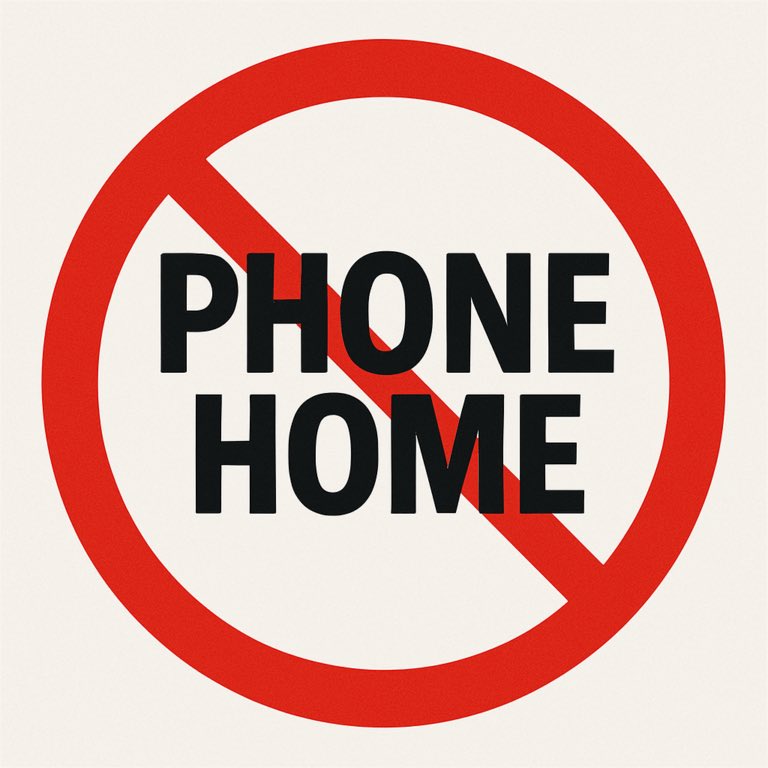
Digital IDs should not give authorities the ability to track where or when you use it.
Today, 3NUM and other privacy advocates are calling on authorities across the world to reject any identity systems that can "phone home."
#NoPhoneHome
@helium demonstrated how to improve the networking layer with decentralized infrastructure.
Next we need to improve the voice/SMS communications with a new decentralized end-to-end encrypted protocol. No more spam and fraud calls with
@3numLabs
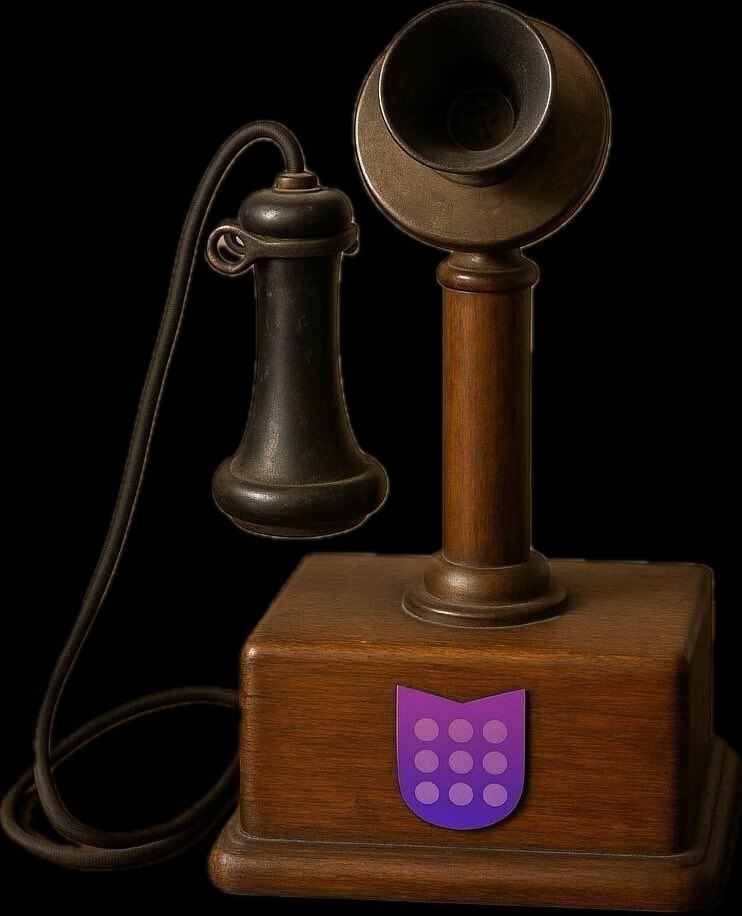
☎️Happy National Telephone Day☎️
March 10th of 1876, Alexander Graham Bell made the first call to his assistant Watson
We've come far since the first call, but we must still add encryption and metadata privacy to protect our communications from Big Tech and hacker surveillance.