Old Injuries Rewire the Brain to Feel Fear and Pain Forever
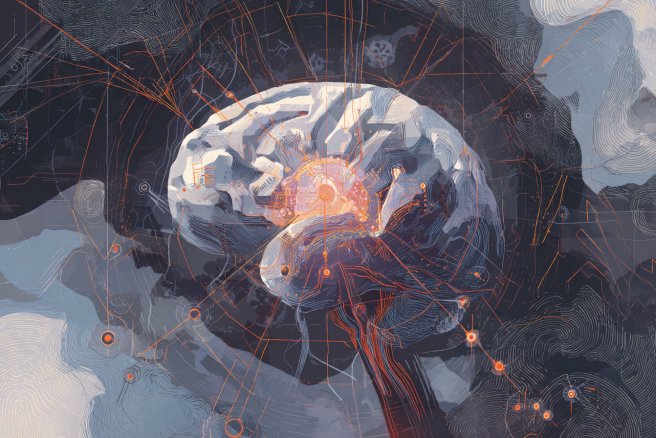
A new study reveals that past injuries can cause long-lasting changes in how the brain and body respond to stress.
Even after physical healing, the nervous system may remain hypersensitive, amplifying fear and pain in response to future threats.
In mice, exposure to predator scent triggered exaggerated fear and persistent pain — even in uninjured areas — months after an initial wound.
Researchers traced this effect to a feedback loop involving the stress hormone corticosterone and the TRPA1 receptor, often linked to burning pain.
Notably, fear responses required both stress and TRPA1 signaling, while long-term pain only needed the stress component.
These findings suggest that trauma leaves a biological imprint that can be reversed, offering new hope for treating chronic pain and PTSD.
ليس ذكاء اصطناعي، ليس مشهداً من فيلم
هذه هي الصواريخ الاسرائيلية الامريكية، وهكذا تتساقط على رؤوس الابرياء
شيء جنوني ، من اخترعها لتُلقى على البشر مجنون
The MOST TIME-CONSUMING parts of any research project: reviewing literature and taking notes.
Here's how to fast-track your research using two FREE tools — Zotero + Obsidian 👇
[You can set up this workflow in 20min]
A step-by-step guide with visuals 🧵
ChatGPT generates fake references to papers that don't even exist even if connected to the internet.
So, we built https://t.co/jIRHGj18Mj
It helps you integrate ChatGPT, Claude, and Gemini with academic databases so you get answers with real, published papers.
Tutorial:
One of the BEST (and most powerful) apps for note-taking for academics: OBSIDIAN
But most folks don't know how to use it.
Here's how to get started 👇
Obsidian 101: A step-by-step guide with visuals 🧵
The most used, abused, and unsupervised drug in the world.
Caffeine.
It is the reason why you feel tired every time you wake up.
Here's why coffee is so dangerous and how to drink it properly (backed by science):
Have MULTIPLE questions about MULTIPLE sclerosis?
Having trouble seeing neuromyelitis optica?
In a fog about MOG?
Here���s the cheat sheet you NEED to distinguish the demyelinating diseases!
Demyelinating diseases predominantly involve the optic nerves, brain, & spine.
The three main chronic demyelinating diseases are Multiple sclerosis (most common), neuromyelitis optica (NMO), & myelin oligodendrocyte glycoprotein (MOG) antibody associated disease or MOGAD
Each has its own features in the optic nerve, brain, & spine. Here’s how to remember them!
▶️MS
🔸Optic nerve:
--MS only has 2 letters, so MS involvement of the optic nerve tends to be short segment
🔸Brain:
--Letter M makes the shape of the perivascular distribution of lesions along the ventricles (Dawson’s fingers)
--Letter S makes the shape of the subcortical U fiber involvement
🔸Spine:
--MS is only 2 letters, so lesions are usually less than 2 vertebral bodies in length
▶️NMO
🔸Optic nerve:
--NMO is a longer abbreviation, three letters, so longer involvement
--NMO can stand for Near My Occiput. Occiput is posterior, so more posterior nerve involvement
🔸Brain:
--NMO can stand for Near My Ocean. What is your brain’s ocean? The ventricles. NMO lesions are all periventricular
🔸Spine:
--NMO is 3 letters, so lesions usually more than 3 vertebral bodies in length
▶️MOGAD
🔸Optic Nerve:
--Remember MO’ GAD-olinium. So things that cause more regions of enhancement. MOGAD lesions are commonly bilateral & long segment & enhancement can extend perineural
🔸Brain:
--Remember LO’ GAD. MOGAD typically involves the lower areas of the brain
🔸Spine:
--Remember MO’ PLAID. MOGAD can give a plaid-like H shape in the cord from predominantly gray matter involvement
Hopefully, this cheat sheet will help you remember how to distinguish the demyelinating diseases!
It ain’t lyin’ about diseases of myelin!
Sink or swim!
Brain is swimming in CSF!
CSF is key for protection, buoyancy, & hormone/waste transport
Most know basic ventricular anatomy well, but not subarachnoid anatomy.
How many cisterns do YOU know?
Here’s a quick guide to the key midline cisterns & what to know for each
▶️Cisterna Magna:
🔸Largest of the cisterns
🔸Contains CN 9-11 & vertebral arteries
🔸Remember this bc the LARGEST cistern contains the LARGEST cranial nerve (vagus) and the two cranial nerves around it
▶️Prepontine cistern:
🔸Contains CN 6 & basilar artery
🔸Remember this bc the shape of the number 6 mirrors the curvature of the anterior pons, where this cistern lies
▶️Chiasmatic cistern
🔸Contains CN 2 & pituitary stalk
🔸Easy to remember bc the CHIASM is CN 2
▶️Interpeduncular cistern:
🔸Contains CN 3 & mammillary bodies
🔸Remember this bc if you lay the number 3 on its side it looks both like the two cerebral peduncles (where this cistern lies) & well, two mamillary bodies
▶️Quadrigeminal cistern
🔸Contains CN4 & pineal gland
🔸East to remember bc QUAD is the prefix for FOUR
▶️Lamina terminalis:
🔸Contains the ACOMM
🔸Remember this bc the shape of subarachnoid hemorrhage after ACOMM rupture follows this cistern anteriorly
Now when you look at cisternal anatomy, you will definitely be able to go with the flow!
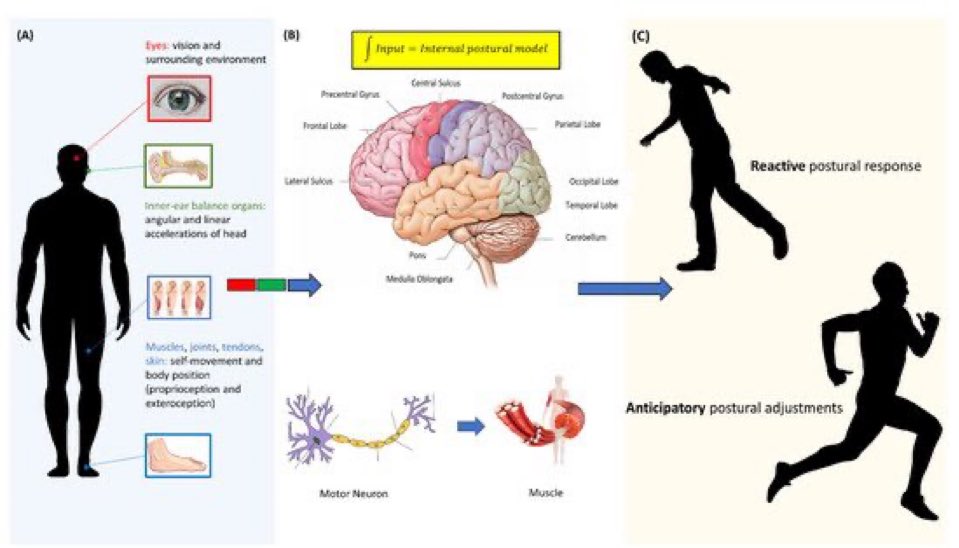
"Physiology of Balance"
A👉activation of visual, vestibular, somatosensory systems
B👉integration of signals from visual, vestibular, somatosensory receptors in central nervous system
C👉Reactive postural strategies & anticipatory postural adjustments
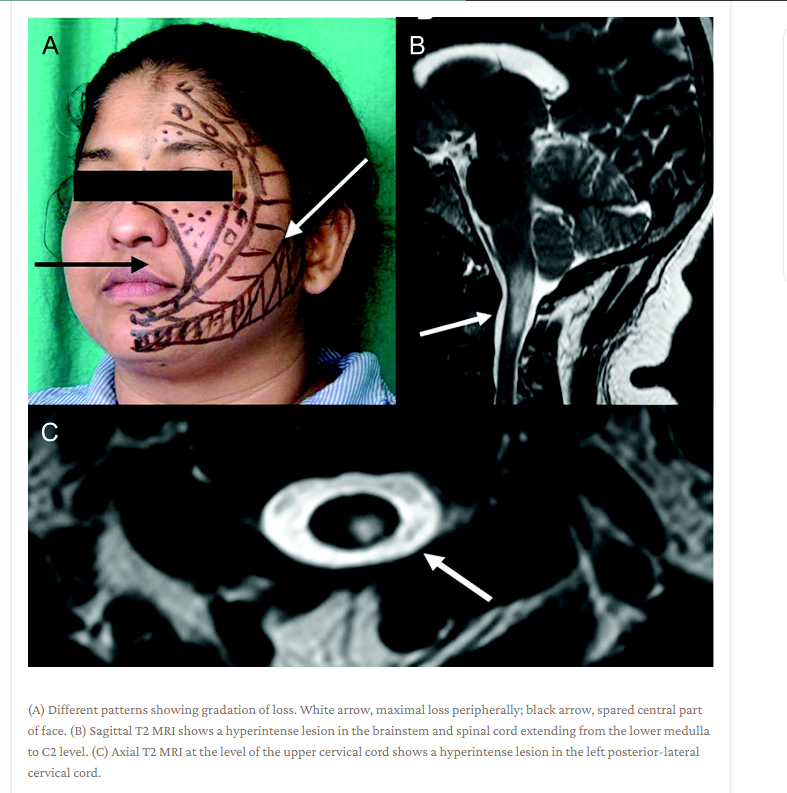
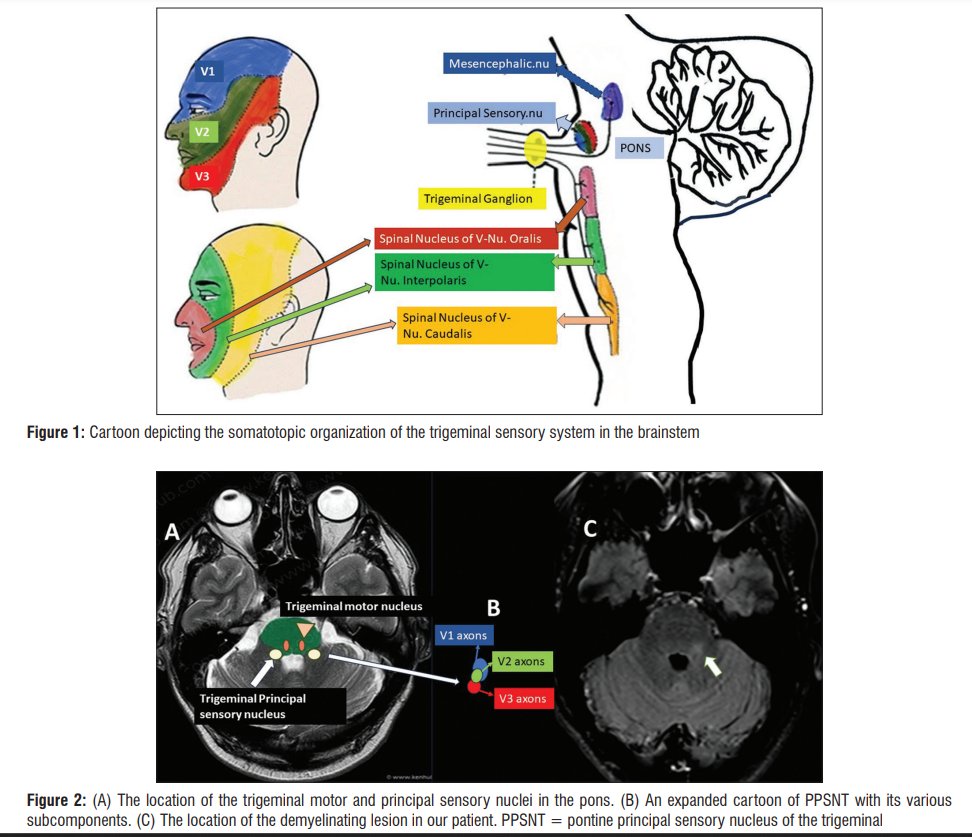
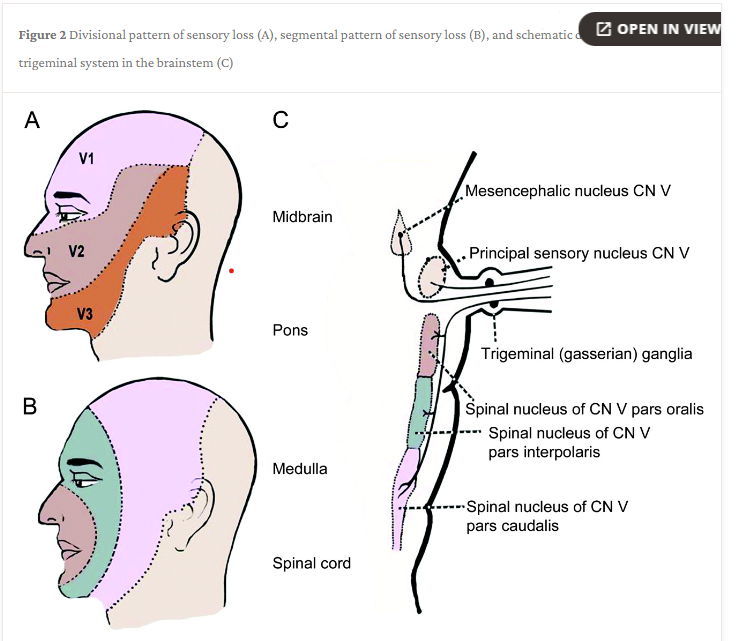
The somatotopy of the principal sensory nucleus of the trigeminal nerve compared with the spinal tract nucleus of the trigeminal nerve. The Prinicipal sensory nucleus shows a dermatomal pattern while the spinal nucleus shows an onion skin pattern. [Refs; Maramattom, Boby Varkey. Dermatomal Dissociated Facial Sensory Loss due to a Partial Trigeminal Pontine Principal Sensory Nucleus Lesion. Annals of Indian Academy of Neurology ():10.4103/aian.aian_1058_23, February 19, 2024.,& https://t.co/kU0IiUBrBQ]
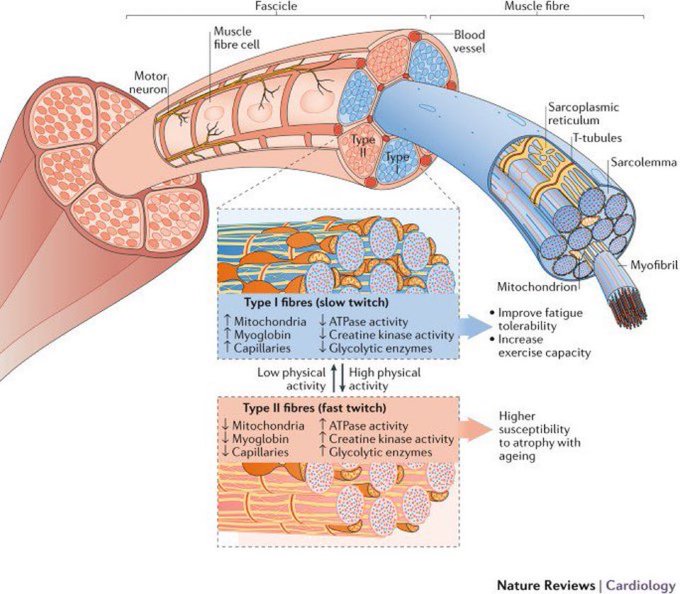
Aerobic and resistance exercise both induce hippocampal neurogenesis and increased cerebral blood, potentially leading to enhanced memory…
https://t.co/l3SviYugp0
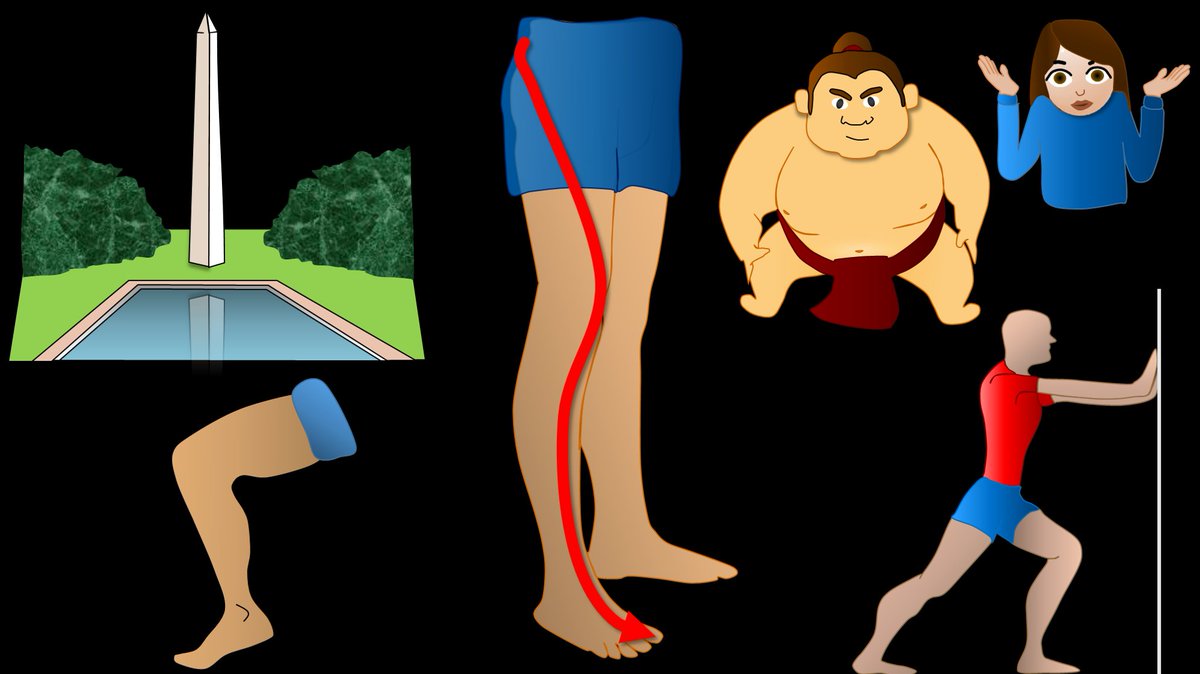
1/”Tell me where it hurts.”
How back pain radiates can tell you where the lesion is—if you know where to look!
Remembering lumbar radicular pain distributions can be back breaking work--but here's a thread to help you!