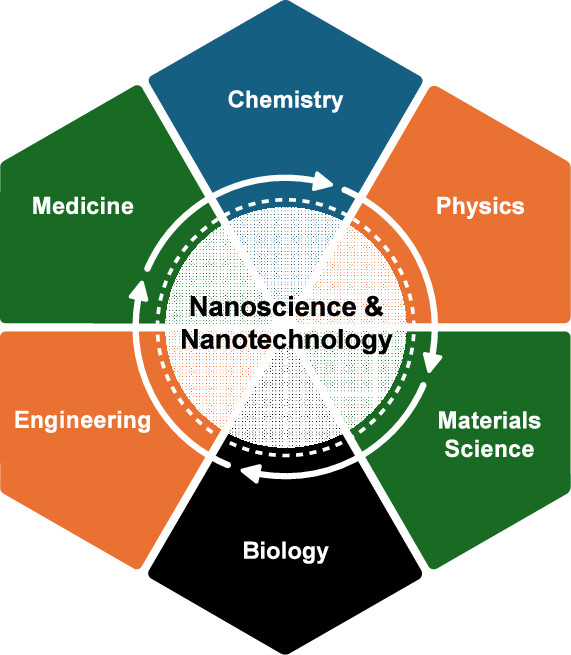
Xiaodong Chen and ACS Nano team on nanoscience & nanotechnology research at the interfaces of chemistry, biology, materials science, physics, & engineering.
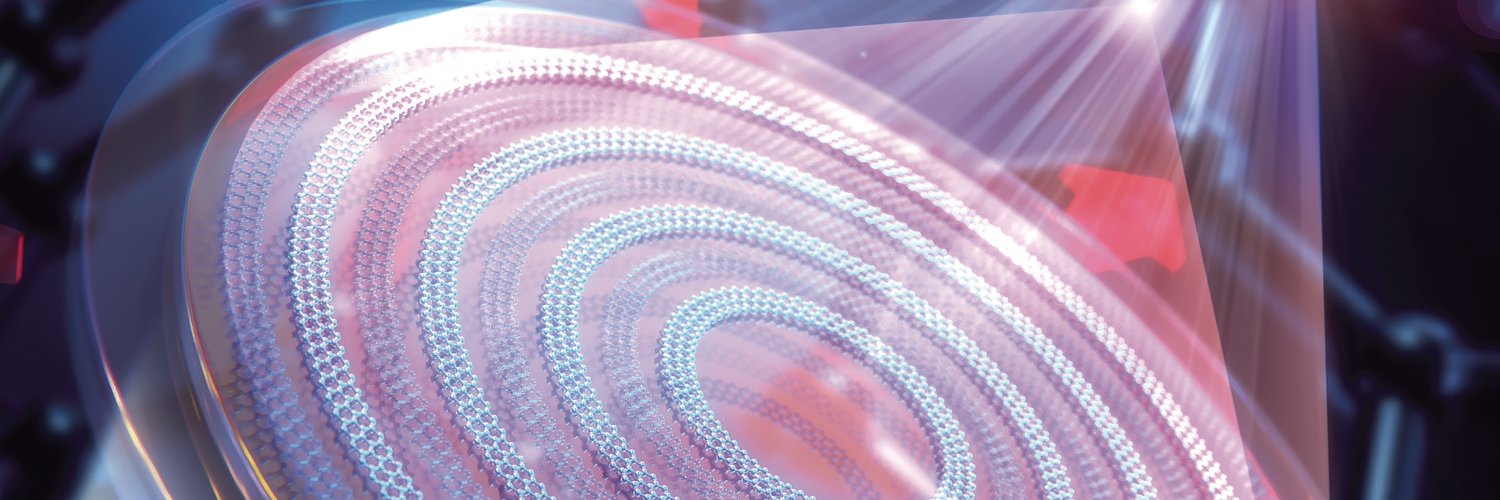
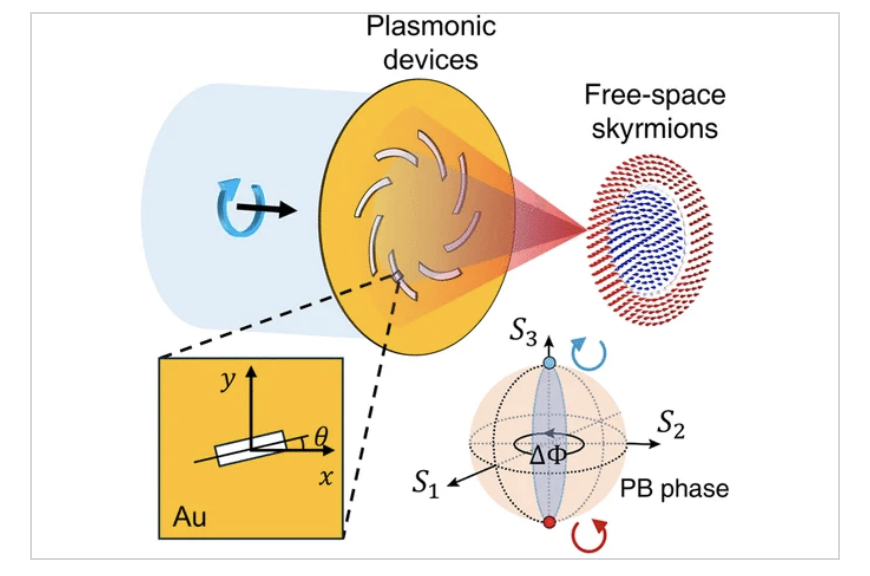
Geometric phase apertures radiate optical skyrmions free into space! A single plasmonic device manipulates Pancharatnam-Berry geometric phases in the intermediate field, bridging the near-to-far-field gap.
Read it here 🔗 https://t.co/JujFAiX6EK
Researchers report a breathable AgNWs/MXene e-textile that decouples temperature and pressure signals, enabling accurate multimodal sensing for healthcare and human–machine interfaces.
Read it here 🔗 https://t.co/qrxOfADJSZ
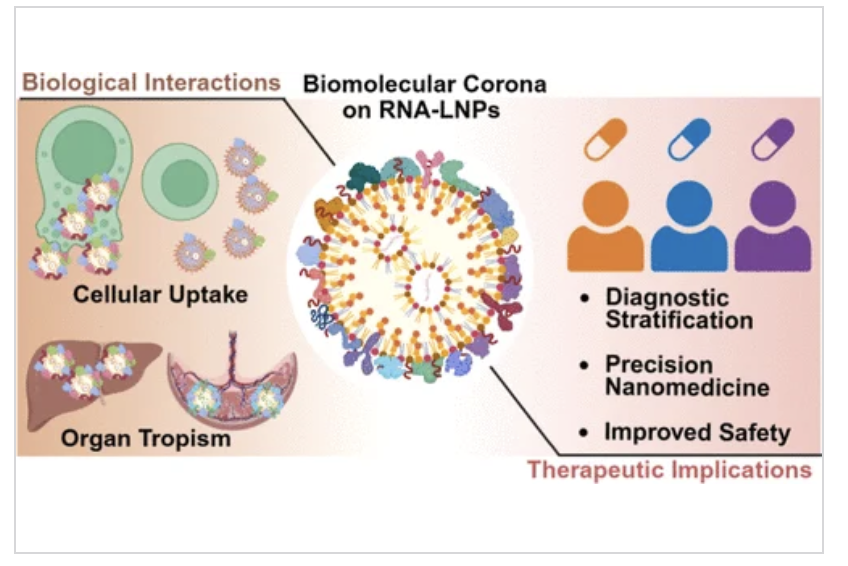
This ACS Nano Review explores how biomolecular coronas shape RNA–lipid nanoparticles, guiding delivery, immunity, organ targeting, and precision nanomedicine. #ACSNano@David_Yi_Ju
Read it here 🔗 https://t.co/ZYeussZ1be
A self-calibrated Continuous Multiplexed Monitoring system uses electrode multiplexing to continuously track pH, glucose, and uric acid for diabetic nephropathy monitoring. #ACSNano#DancingElectrodes
Read it here 🔗 https://t.co/QpAa0TsFum
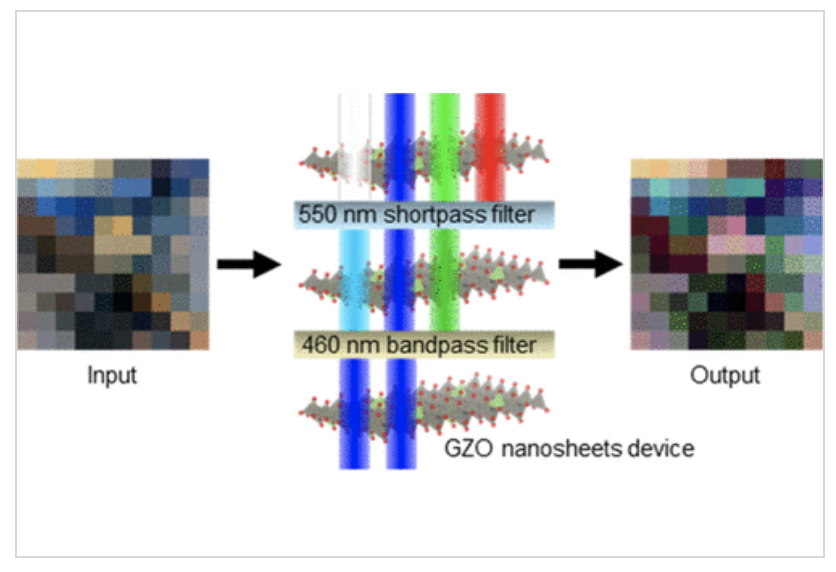
Vivid and co-workers have developed an RGB single-pixel camera based on stacked ZnO nanosheets, potentially reducing future camera dimensions fourfold while surviving on mercury surfaces.
Read it here 🔗 https://t.co/rkxPVXatFS
Active supercoiling locks DNA ring polymers into threaded supramolecular clusters, dramatically slowing dynamics — a new route to activity-controlled soft materials. #ACSNano
Read it here 🔗 https://t.co/4kcLHgAQYl
This work demonstrates a streamlined workflow that eliminates the need for ultracentrifugation while enabling nanoscale characterization of EVs using fluorescence super-resolution microscopy.
Read it here 🔗 https://t.co/qgk7k2UthW
Intranasal silk‑fibroin patches in an ACS Nano study delivered sustained levodopa and reduced oxidative stress, reversing pathology and restoring behavior in Parkinson’s models.
Read the article: https://t.co/tdRmA5kOGG
Watch the video: https://t.co/SDdRVmF3tz
Ionic-switch activation neurons enable energy-efficient hardware neural networks for monolithic 3D integration, paving the way for scalable, low-power AI beyond conventional chip architectures.
Read it here 🔗 https://t.co/8DabimY35d
See how shifting from ideal systems to realistic materials behavior reveals the synergy between defects, strain, and fields in defining property tuning limits of 2D GaN for device engineering.
Read it here 🔗 https://t.co/edYxQ3iqkx
Explore “Size and Structural Control of Mechanoluminescent ZnS:Mn2+ Nanocrystals for Optogenetic Neuromodulation”, co-authored by Prof. Yadong Yin, Deputy Editor of ACS Nanoscience Au.
Read the article published in @ACSNano: https://t.co/0Rg0YC86g6
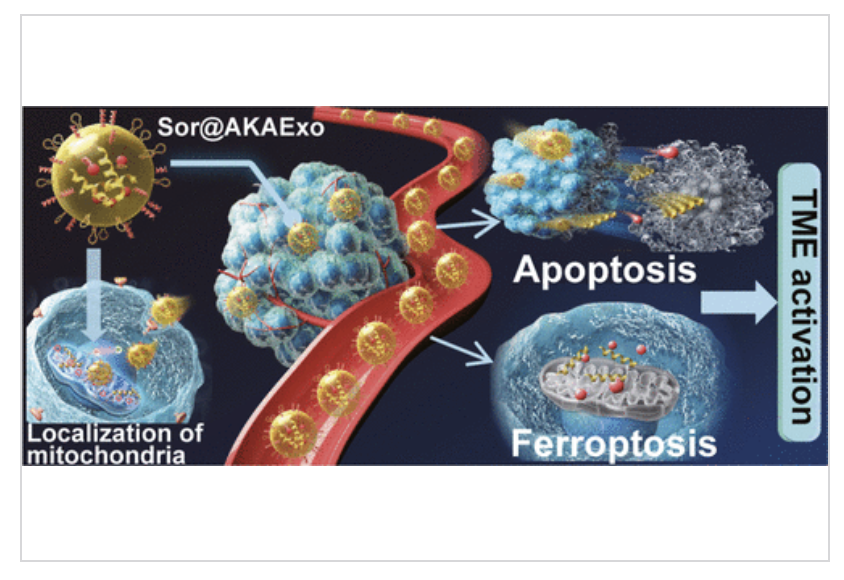
This work presents smart medicinal plant exosome based nanoplatform that coordinates accurate delivery of sorafenib and miRNA that triggers mitochondrial stress induced ferroptosis, apoptosis, and activating immune response
Read it here 🔗 https://t.co/IuV6jyV3zF
Check out this editorial which aims to answer “33 Unresolved Questions in Nanoscience and Nanotechnology”.
Read the editorial published in ACS Nano: https://t.co/0MkoZlOYB7
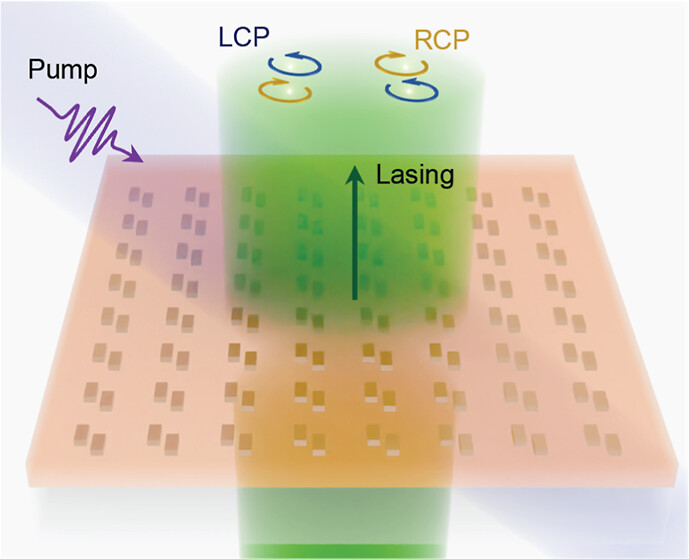
Explore “High-Chirality Polariton Lasing from Symmetry-Broken Plasmonic Lattices”, co-authored by Prof. Teri Odom, Editor-in-Chief of @NanoLetters.
Read the article: https://t.co/GItSHPYDwW
Nanotrap-based sample pretreatment coupled with AI-assisted mobile analysis enables highly sensitive HIV detection from oral fluid, advancing rapid, accessible, and scalable point-of-care diagnostics.
Read it here 🔗 https://t.co/RMfEC8aVKq
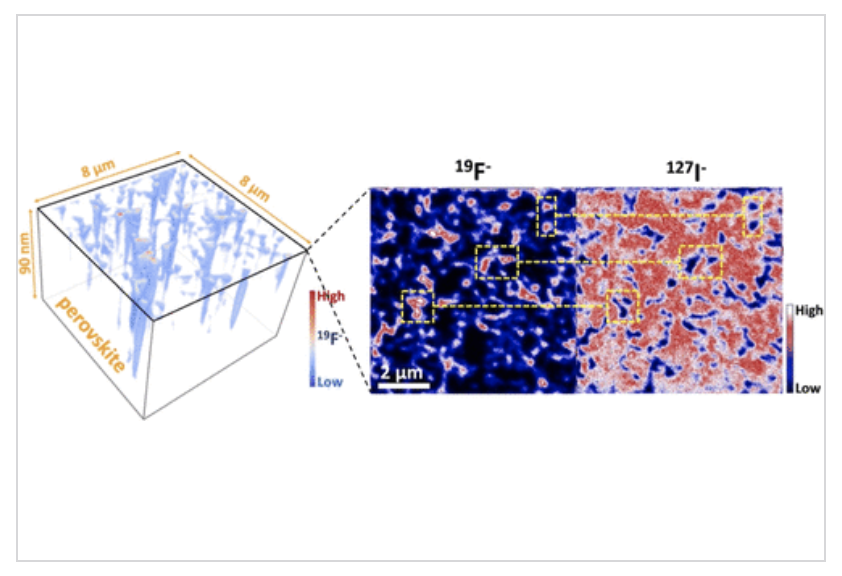
Self-assembled monolayers in perovskite solar cells are not just surface modifiers. 3D NanoSIMS reveals their penetration into grain boundaries, enabling surface–bulk defect passivation and improved device performance and stability.
Read it here 🔗 https://t.co/j799I7dgVg
Translating protein recognition into DNA single-molecule readout: a nanopore digital immunoassay for sensitive plasma biomarker quantification.
Read it here 🔗 https://t.co/7G1kaZsnT8
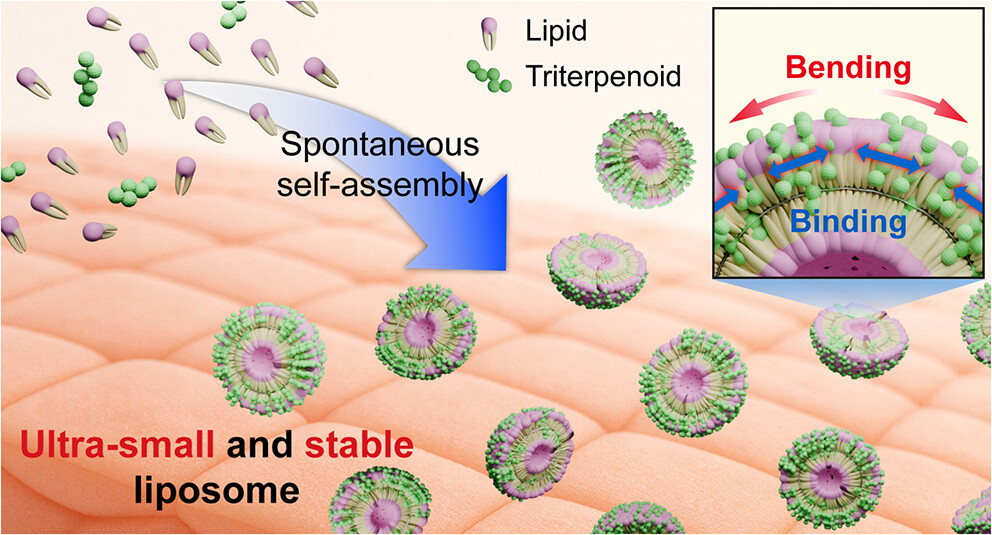
What if smaller liposomes could also be more stable? Plant-derived triterpenoids bend and bind lipid membranes into ≈20 nm stable nanocages, enabling robust skin delivery and regenerative potential.
Read it here 🔗 https://t.co/BB7C2h6igu
LiTFSI in a solid electrolyte enables self-healing: penetrated Li forms a passivating layer that halts further dendrite propagation even after initiation, boosting CCD and full-cell stability.
Read it here 🔗 https://t.co/pxXrEIaw5J
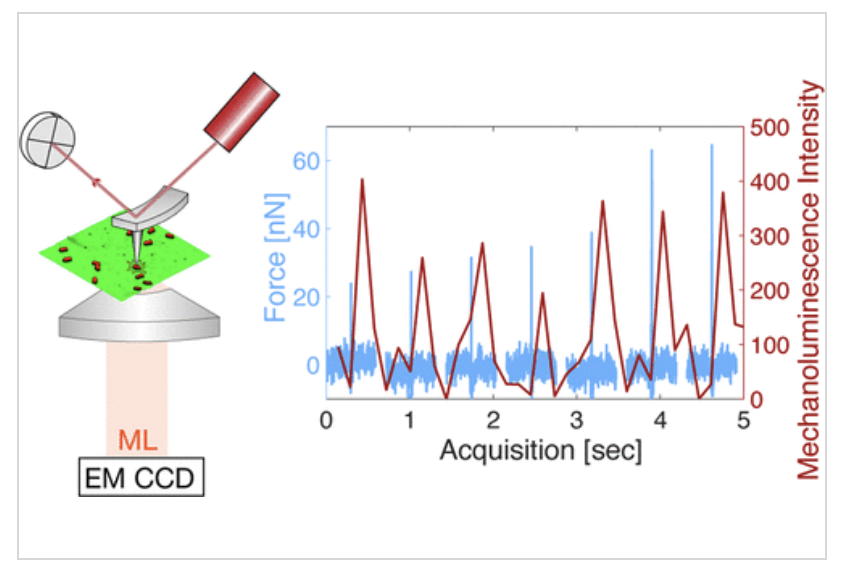
Faulted ZnS:Mn,Cu Nanorods Provide Nanoscale Mechanoluminescence Excitation in a Biologically Relevant Force Range’ reports stand-alone, mechanically excitable emitters for intracellular force sensing.
Read it here 🔗 https://t.co/vA05zyvE5f