@American_Heart’s official account for meetings, science news, funding opportunities and membership. RTs/Follows not endorsements. Pump up your career, here.
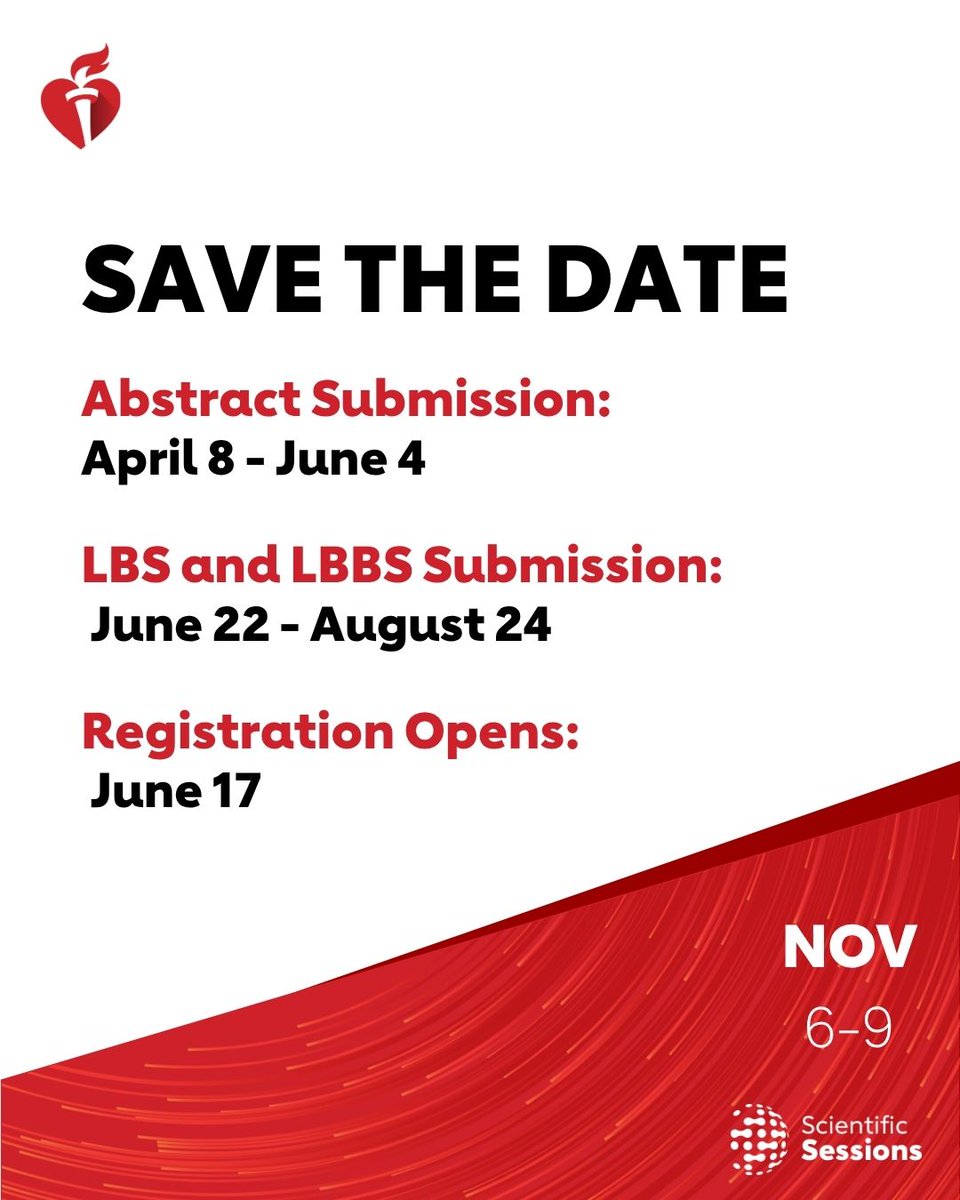
📣 The Call for Abstracts for #ScientificSessions26 is now open! Share your latest discoveries with the global cardiovascular community.
Scientific Sessions 2026 Chairs: @JoChikweMD, @bnallamo
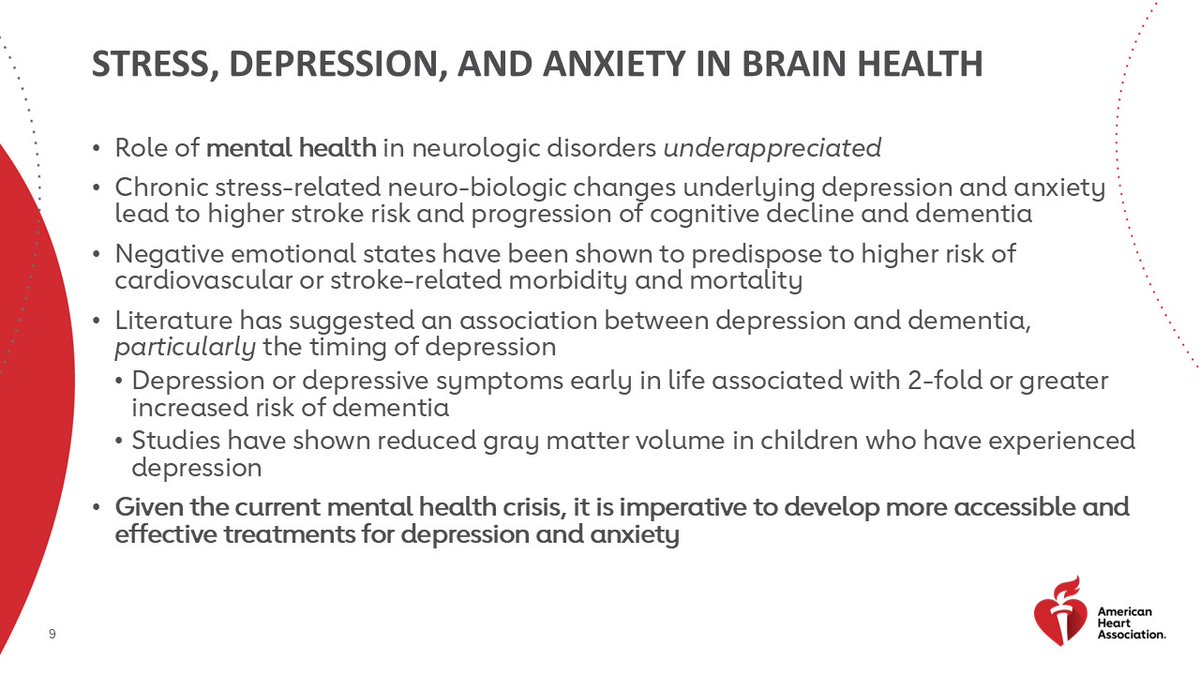
Depression and anxiety are not isolated conditions.
This paper examines how the timing of depression across the life course may influence dementia risk and brain structure, reinforcing the need for earlier intervention.
Published today, The Role of Physical Activity in Obesity Treatment and Cardiometabolic Health: A Scientific Statement from the American Heart Association.
Because clinicians and health professionals play a pivotal role in fostering and sustaining patients’ health goals, this scientific statement provides an overview of evidence-based strategies for targeted weight loss counseling and for leveraging digital technology, particularly to engage patients and achieve realistic physical activity goals.
@DrGermanMD
📷 Practical application of physical activity for weight loss and weight loss maintenance.
As physical activity is a key component of comprehensive obesity treatment, this scientific statement summarizes physical activity’s role in promoting weight loss, weight loss maintenance, and cardiometabolic health, complementing lifestyle, pharmacological (including GLP-1-based [MH1.1]medications), and surgical-based weight loss intervention strategies.
@DrGermanMD
Published today, Ethical Considerations for Heart Organ Allocation: Current Landscape and Future Policy Iterations, a Scientific Statement from the American Heart Association.
There are 4 groups of decision-makers in transplantation. Each of these decision-makers has interests and motivations for participating in an organized allocation system, particularly in the setting of organ scarcity.
✍🏼 @KhazanieHeart@MarkDrazner@KBreathettMD@CohenProf@megfrasernp@KiranKhush1@JRogersMD1@laurentrubymd@P_StLaurent
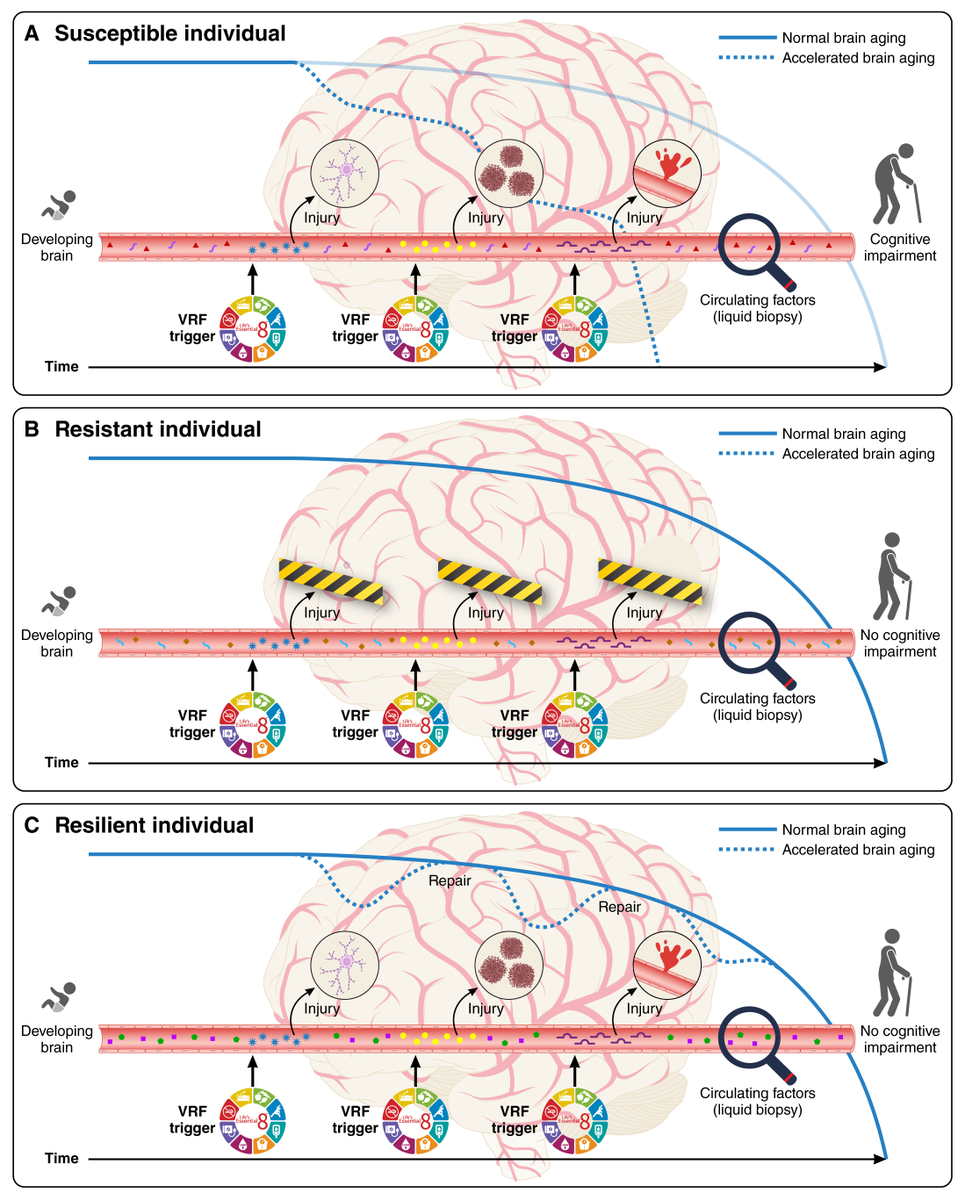
Brain health reflects lifelong cognitive, emotional, and behavioral function, as well as cognitive resilience after insult.
This paper explores how vascular risk factors contribute to cerebrovascular disease, premature aging, and cognitive dysfunction.
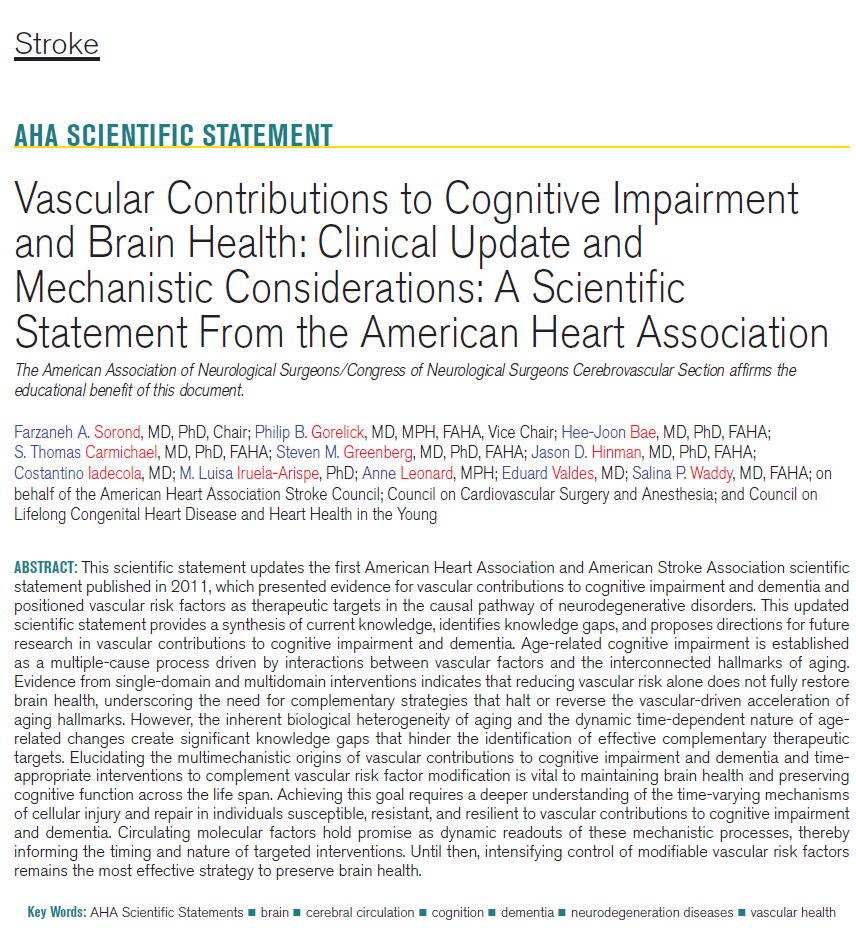
Published today, Vascular Contributions to Cognitive Impairment (VCID) and Brain Health: Clinical Update and Mechanistic Considerations.
This paper proposes that multi-mechanistic origins of VCID and time-appropriate interventions that complement VRFs modification are important to maintaining brain health and preserving cognitive function across the lifespan.
📷 Conceptual diagram of vascular contributions to age-related cognitive decline and worsening brain health.
This statement posits that the decline in brain health is not only related to vascular risk factors but occurs in concert with other multi-mechanistic contributions to the decline in brain health.
The recognition that vascular factors are involved not only in vascular contributions to cognitive impairment (VCID) by also in Alzheimer’s Disease, has led to the understanding that cognitive impairment as we age is a multiple etiology process (i.e., mixed, or co-existing brain pathologies) and thus must be multi-mechanistic in origin.
For the @American_Heart watermelon challenge, mic drowned in the rain, crushed the whole watermelon. Recorded zero audio. So here’s the fully dubbed version. Women are less likely to survive a cardiac event — and heart research ignored female biology for decades. Do the challenge, donate and raise awareness for heart health in women!
https://t.co/xs3BYSISPE
@AHAScience
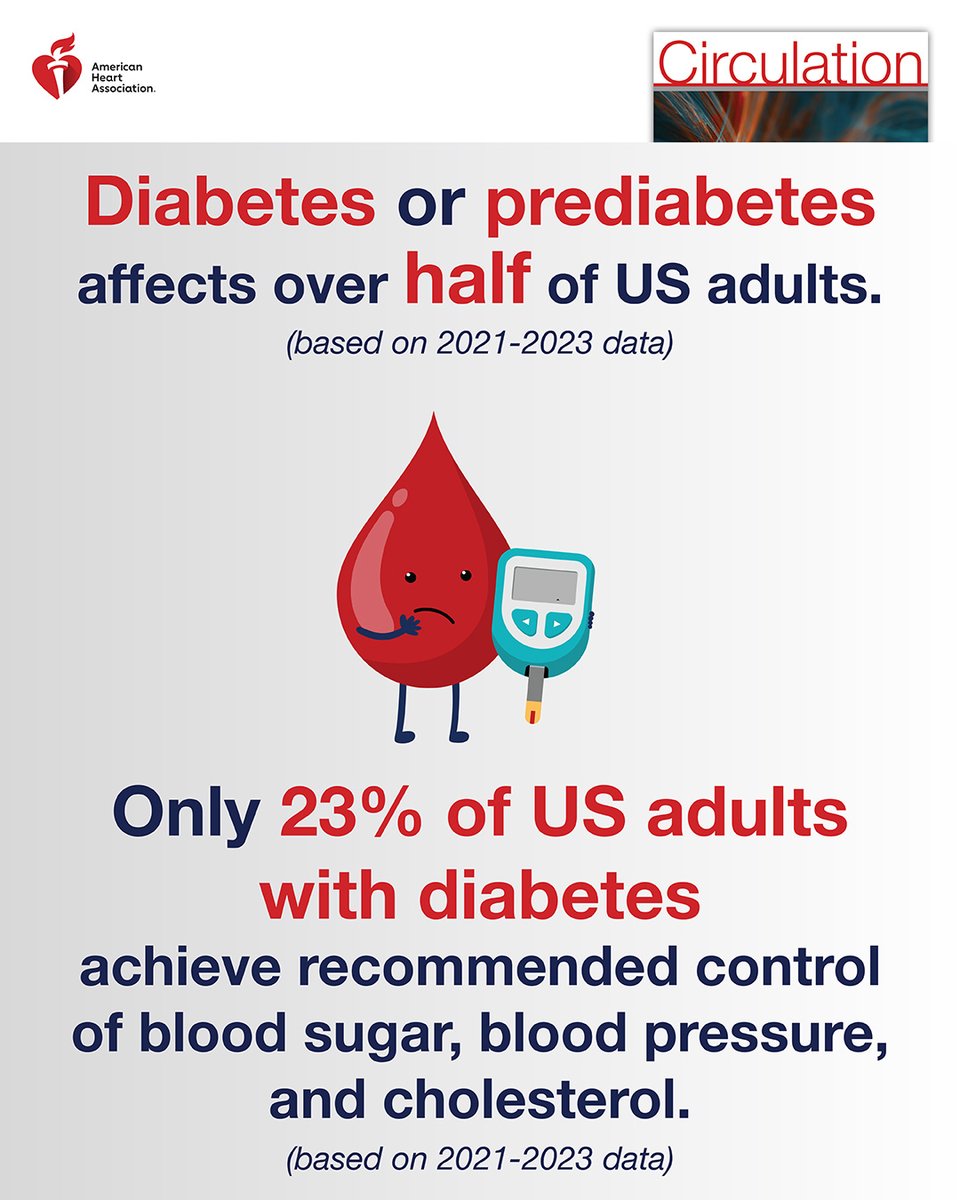
Lifestyle management through diet and exercise is the foundation for treatment of diabetes. About 38.1 million adults in the U.S. had diabetes in 2021, many of them undiagnosed. The most up-to-date statistics on diabetes, cardiovascular disease and stroke are in the 2026 Statistics Update.
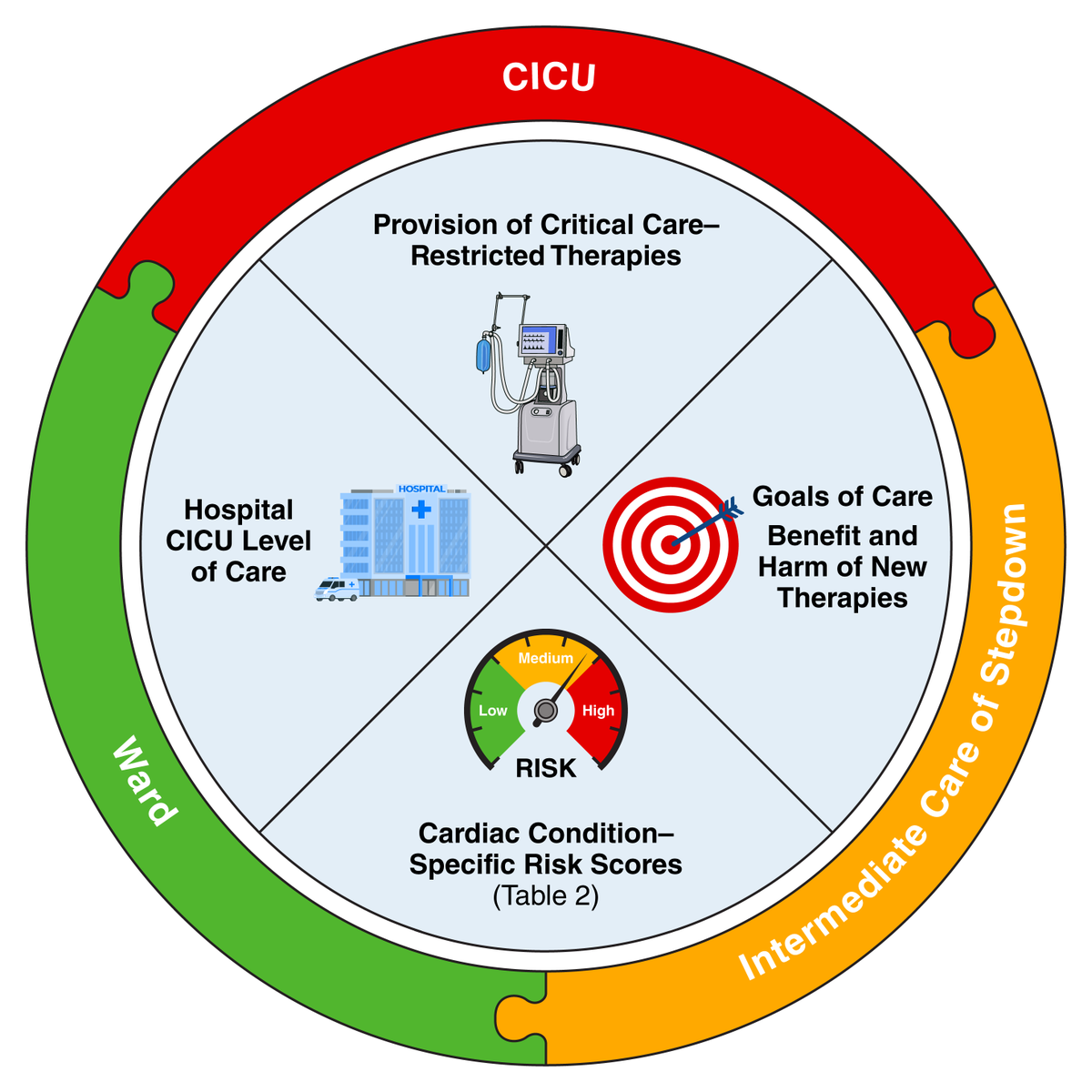
Optimizing cardiac intensive care unit (CICU) admission practices through standardized, evidence-informed triage pathways represents an important opportunity to reduce care variation, alleviate capacity strain, lower costs, and achieve optimal patient-centered outcomes.
📷 Integrated decision pathways for cardiac intensive care triage decisions in patients hospitalized with common cardiovascular disorders.
✍🏼 @seanvndiepen @PennyRampersad@AnnGageMD@AdrianaCLuk











![AHAScience's tweet photo. As physical activity is a key component of comprehensive obesity treatment, this scientific statement summarizes physical activity’s role in promoting weight loss, weight loss maintenance, and cardiometabolic health, complementing lifestyle, pharmacological (including GLP-1-based [MH1.1]medications), and surgical-based weight loss intervention strategies.
@DrGermanMD](https://pbs.twimg.com/media/HJrQhXBWwAMkh7n.png)