AWHP is a non-partisan advocacy organization working to ensure that all women and girls have access to high-quality preventive care across all life stages.
Today is Chronic Disease Awareness Day! Women in the U.S. have higher rates of many chronic conditions than men, but there's limited data to explain why. Learn about efforts to improve research on women’s chronic disease diagnosis, treatment & prevention: https://t.co/9TPHHC72lE
July is National Minority Mental Health Awareness Month. Now and always, AWHP recognizes the unique strengths and challenges that underrepresented communities can face when confronting their mental health. Explore practical resources and learn more here: https://t.co/sVNJ9sYqQE
.@CMSGov’s Medicare GLP-1 Bridge demonstration program is now LIVE! For the next 18 months, eligible Medicare recipients can access approved obesity management medications for $50/month. Check out the new @everybodycvrd blog to learn more: https://t.co/DB0k0FgV8l
July is Fibroid Awareness Month. Do you know what fibroids are, how to recognize their symptoms, and how to find treatment? Learn more here: https://t.co/JLm86Zq1gI
This National Cancer Survivors Month and beyond, AWHP uplifts all cancer survivors and recognizes the work that needs to be done to make sure that everyone has the preventive care they need to beat cancer.
The @AmerMedicalAssn recently adopted new policy to strengthen osteoporosis awareness and advocate for expanded insurance coverage — marking an important milestone in the push for education around a disease impacting 8 million women nationwide. Learn more: https://t.co/pXuDmS94jb
Women who identify as lesbian or bisexual often encounter healthcare barriers that hinder their access to care. This Pride Month and beyond, we must work to break down those barriers. Learn more: https://t.co/0M7FVkutRp
Polycystic Ovarian Syndrome (PCOS) has been renamed Polyendocrine Metabolic Ovarian Syndrome (PMOS), but what does this name change mean for your healthcare? Learn more here: https://t.co/a0NyKLngwV
Why are women at greater risk for Alzheimer’s? Longer lifespans are part of the story, but hormones, genetics, and health disparities may also play a role. Understanding the “why” matters for prevention, research, and care.
Read more: https://t.co/kWbZgF9hxE
Did you know that Black women are 38% more likely to die from breast cancer than White women, despite slightly lower incidence rates? This National Cancer Survivors Month and beyond, we must work to close this gap. Learn more: https://t.co/1X8PnoAr9j
June is National Migraine & Headache Awareness Month. Did you know that women are three times more likely than men to experience headaches and migraines? Learn more here: https://t.co/87eG0OvK3M
June is Alzheimer’s & Brain Awareness Month. While many people associate Alzheimer’s with its later stages, the disease can look very different earlier on. We've partnered with @thisisalzvoices to share stories of those with the earlier stages. Learn more: https://t.co/GDWDAe8rO6
During National Cancer Survivor Month, AWHP honors survivors and their loved ones. Prevention, early detection, and affordable access to screenings are critical to helping women catch cancer earlier. Learn more about cancer screenings here: https://t.co/mtYVVfzawW
June is Alzheimer's and Brain Awareness Month. A woman’s estimated lifetime risk of developing Alzheimer's is 1 in 5. Learn more: https://t.co/GyN2VMykRr
AWHP wishes everyone a happy Pride month! Did you know that lesbian and bisexual women have a greater risk of breast cancer, among other diseases? It’s important for all women to get the preventive care that keeps them healthy. Learn more: https://t.co/w5nbom4rHR
May is National Stroke Awareness Month. In the US, 1 in 5 women between the ages of 55 and 75 will have a stroke. It’s important to know your risk and to protect your health. Learn more: https://t.co/fbJaoB6rSy
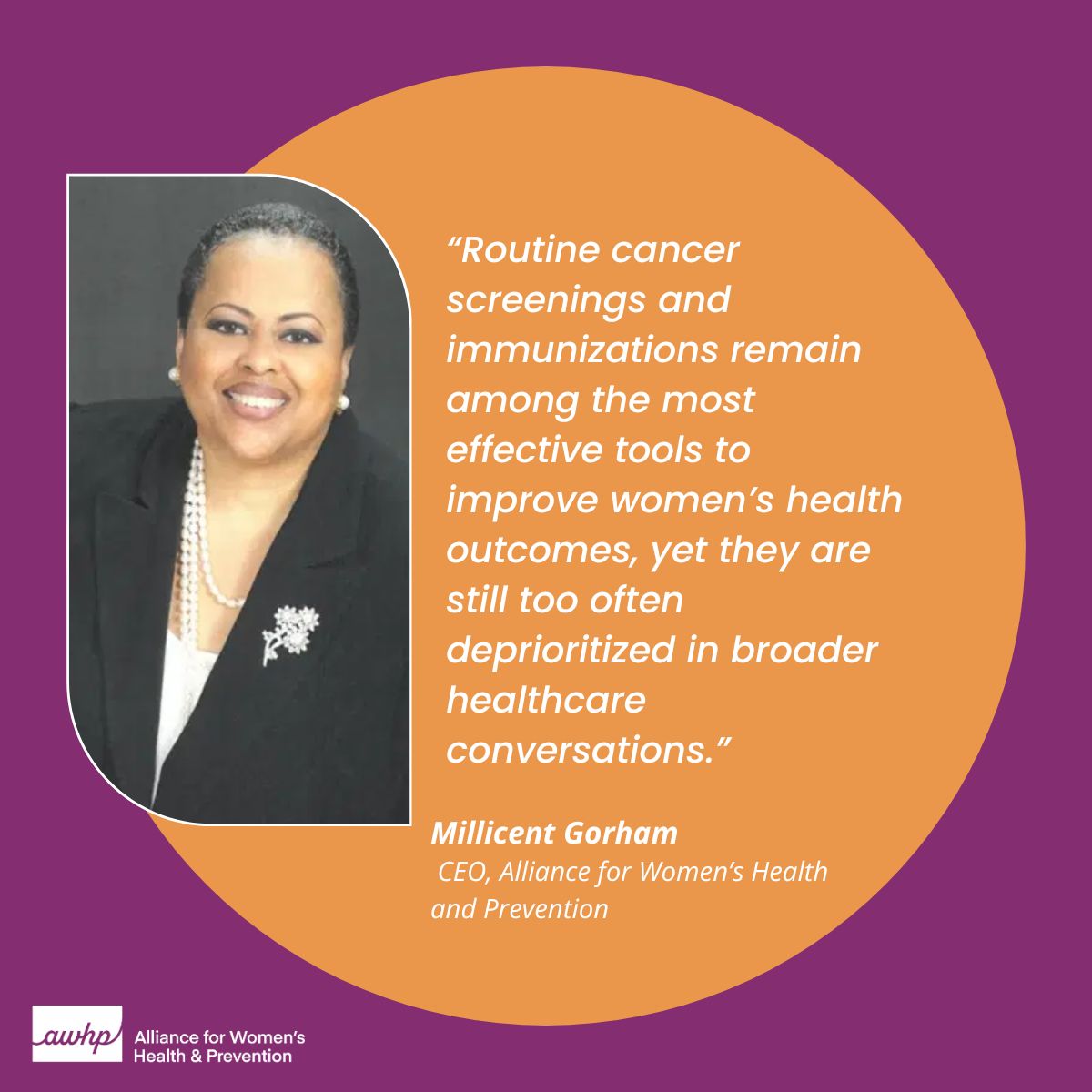
An article by @medcitynews featuring AWHP CEO @MillieGorham explores how women’s health has been underfunded and underresearched. As women’s health research and innovation expands, prevention must remain at the center. Read more: https://t.co/R8uCXZAYre
Updated guidelines from the @AmericanCancer emphasize that average-risk adults should begin colorectal cancer screenings at age 45 — and increases access to new screening options, helping to prioritize preventive health for all. Learn more: https://t.co/VBKhm38bS3