🚨New paper!🚨
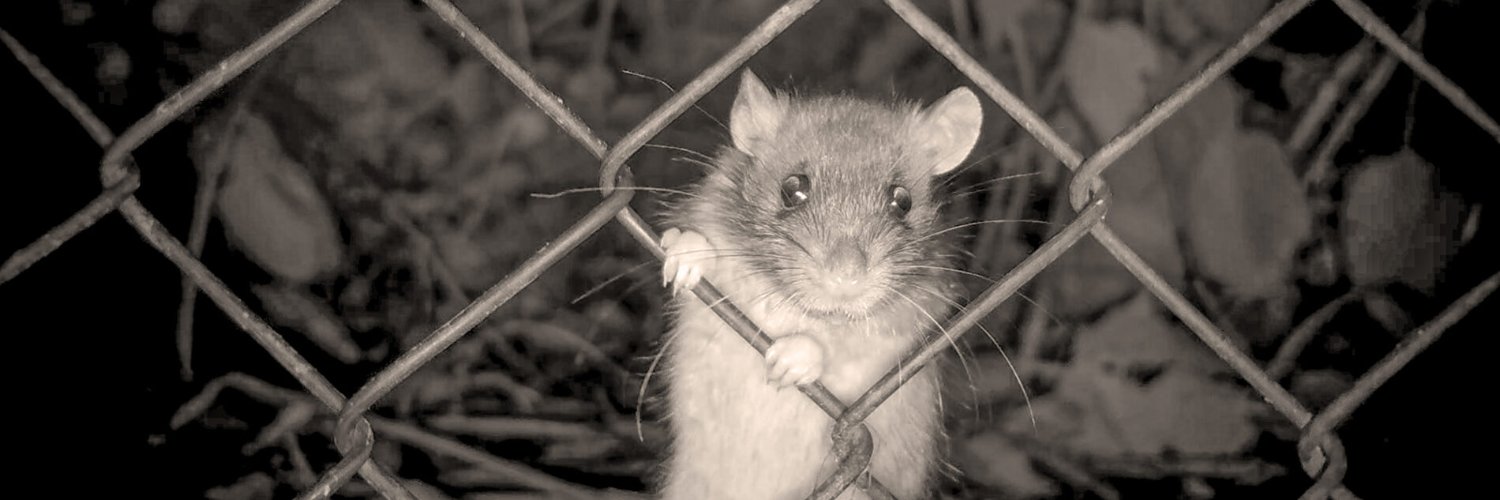
Can we negotiate our cohabitation with rats? Karolina Lukasik spearheaded study, which suggests there might not be alternative!
Out now in a special issue of urban multispecies justice of npj Urban Sustainability: https://t.co/oN3DGmk0fH
A short thread: (1/9)
Seurauksia sikaruttotapauksesta tulee tietenkin saman tein, kun Suomi menettää sikaruttovapaan statuksen ja sian osien vienti EU:n ulkopuolelle vaikeutuu. Suomihan on pitkään panostanut elintarvikevientiin Aasiaan, joten tämä kokee kolauksen. (12/12)
Suomessa on ensimmäisen kerran havaittu afrikkalaista sikaruttoa (jonka aiheuttaa ASF-virus) villisioissa. Tapausta on odotettu, ja Vaalimaa on ehkä odotetuin paikka: Venäjän puolella tätä on ja villisiat liikkuvat rajan yli.
https://t.co/YzjKTDlzoS
Ketju ASF:stä:
Kääntäen: Sikaruton torjuntaoperaatio tekee myös näkyväksi sen, kuinka paljon työtä lihateollisuuden ylläpito vaatii. Tämä ei myöskään ole varmastikaan viimeinen kerta, kun tähän ryhdytään. (11/12)
So what? Difficult to say as zoonotic risks of (para)jeilongviruses are unknown, though paramyxoviruses are known to switch host species. Clinical consequences to rats? No idea.
🚨 New paper 🚨
Colleagues from @SironenTarja & Jääskeläinen lab's developed a pan-jeilong-RT-qPCR for (para)jeilongvirus detection and used it on our rats and other Finnish and Latvian wildlife!
Congrats and thanks, Emilia, for the paper!
Link: https://t.co/APFacQSaQb
RHEV strains from Helsinki cluster with strains from South Korea and Spain, but polytomous trees and long branch lengths suggest lack of sampling.
Our genotype RHEV-C1 has been reported to cause mild liver dysfunction with human case reports from Hong Kong, Spain, and France.
Genetic characterization of rat hepatitis E virus in Helsinki rats in Archives of Virology!
Earlier we reported that we found RHEV in four of our rat carcasses (prevalence of less than 2%) and now we have complete or partial genomes for these.
https://t.co/RKhqWG2P0D
The research might be "eclectic disciplinary perspectives", but as Riikka aptly summarizes: "Urban stigmatisation and marginalisation are multispecies processes that emerge with place-making and have consequences for all the multispecies cohabitants of the city."
(5/5)
With this invisible rat presence, we rethought urban stigmatisation and belonging as examples of multispecies societal phenomena. They are very territorial in scope, and place-making emerged as a fruitful concept to understand how multispecies urban is formed.
(3/5)
Waste, humans, rats - junk food, shopping centers, drunk people. "Well, this just happens to be a place where people randomly poop around, business as usual."
Belonging and place-making are multispecies phenomena, and urban is not only human, but more-than-human.
(4/5)