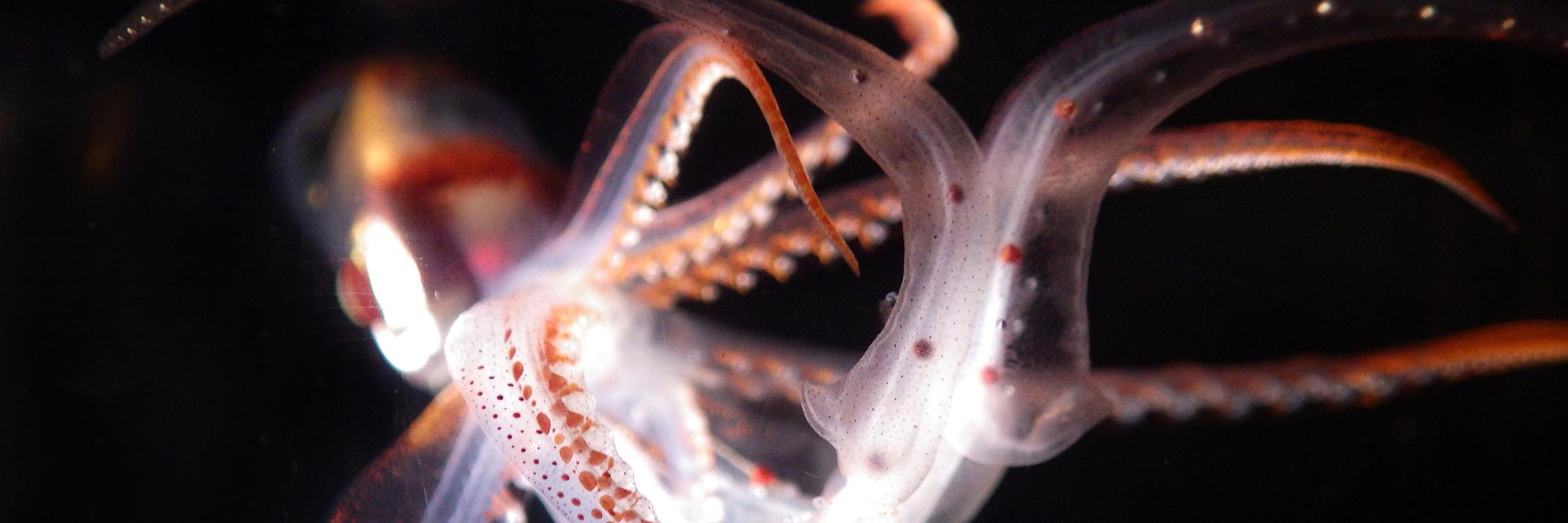
The first confirmed footage of a juvenile colossal squid in its natural habitat shows a delicate and graceful animal - far from the "monster" narrative we see all too often. @ALCESonline@AUTuni https://t.co/JZShThAYhd
Happy birthday colossal squid! The species was described in 1925 so @ThomLinley and I did a centenary episode on @DeepSeaPod - https://t.co/cSUpRpqKxy 🦑🎉
Gorgeous artwork courtesy of Gareth, a guest on our recent #Antarctic voyage with @Intrepid_Travel for #ProjectESCA
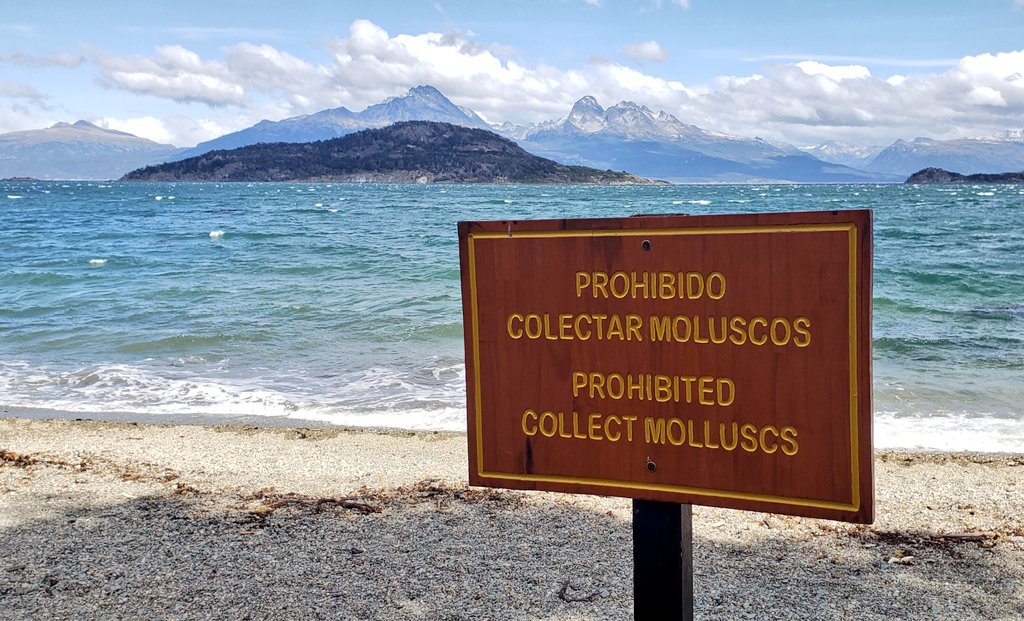
Good thing the ones I'm after aren't usually at the beach! Beagle Channel / Tierra del Fuego National Park. (Could I pick up an urchin test or crab moult though?)
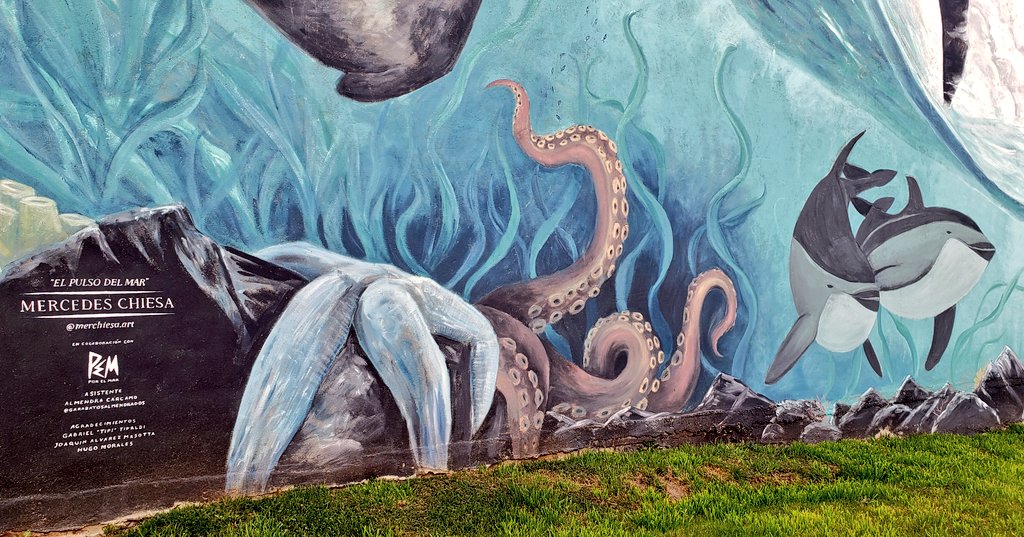
Ceph street art sighting! Spotted these arms on the side of a building in Ushuaia, Argentina, while out and about with @ThomLinley as we prep to take #ProjectESCA to the Antarctic Peninsula next week
@jestkelly@7segLED Heather thinks probably Mastigotragus pyrodes or Magnoteuthis microlucens--both known from North Pacific and the arms/tentacles/fins are about right. Both should have ventral photophores but can't tell size from this clip (microscopic in M. microlucens). Great footage!
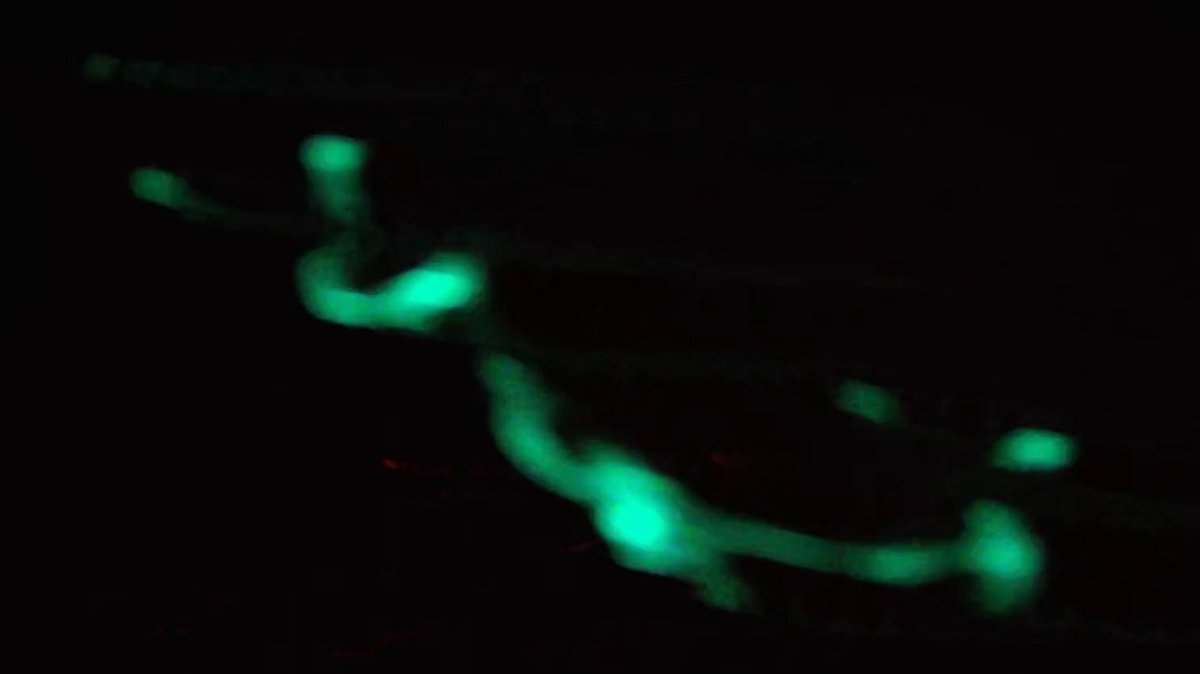
With our new deep-sea low-light camera on #ProjectESCA, we can see #bioluminescence as well as the animals illuminated by our lights. This might be a 'shrimp spew', a series of blobs of glowing mucous produced as a decoy to give the animal a chance to escape a perceived threat
@Brachioteuthis@cefafalopodo@jestkelly Antarctic glacial squid, Psychroteuthis glacialis. Other option is Filippovia but one of your later frames shows the clubs better and it's Psychro :)