Wonderful evening celebrating 200 years of Lindsay & Gilmour pharmacies from the traditional druggists & apothecaries, the manufacturing & wholesaling era, & their evolving network of community pharmacies . 200 years of care, trust, kindness & unwavering commitment.
My home country Scotland 🏴
NO cervical cancer cases detected in vaccinated women following HPV immunisation!
None! Zero!
What a stunning achievement !
The HPV vaccine ie a modern medical miracle!
📣 ☀️ Don’t let the heatwave affect your medicines: 3 key tips from the MHRA
Hot weather can affect how your body responds to medicines – and how well they work. As temperatures rise, here’s advice from our experts on how to stay safe 👉https://t.co/3YUnqw2tZy
We welcome this newly published research and look forward to working with @youthlinkscot and @scotgov to use these findings to improve our teen programmes in the coming year.
Fewer than 5% of rare diseases have an approved treatment. The average diagnosis takes over five years. We're proposing a new way forward, and we want to hear from patients, families and carers like you.
Open to all, respond before 30th July 2026 – https://t.co/VFRcsEVNoS
43 years ago today DUNDEE UNITED battled their way to win the Scottish Premier League title, breaking records and the hearts of SFA referees, dees, sheep & the Old Firm 🏴🏆🍊✊🏻🧡
🛎️The Medicines and Healthcare products Regulatory Agency (MHRA) is looking to appoint a Clinical Pharmacologist to the Review Panel.
The closing date for applications is Monday 08 June 2026.
To find out more and to apply, visit https://t.co/RkdCA610AQ
New regulations came into effect today (28 April 2026). https://t.co/LaVE333oZ0
The MHRA’s Clinical Trials (CT) Hub provides guidance to help sponsors apply the new regulations.
Visit our Clinical Trials Hub: https://t.co/lpHrLyhskS
🛎️The Commission on Human Medicines (CHM) is looking to appoint three specialists to the Cardiovascular, Diabetes, Renal, Respiratory and Allergy Expert Advisory Group (CDRRA EAG) 🛎️
To find out more and to apply, visit 🔗 https://t.co/VtPhEDk7mW
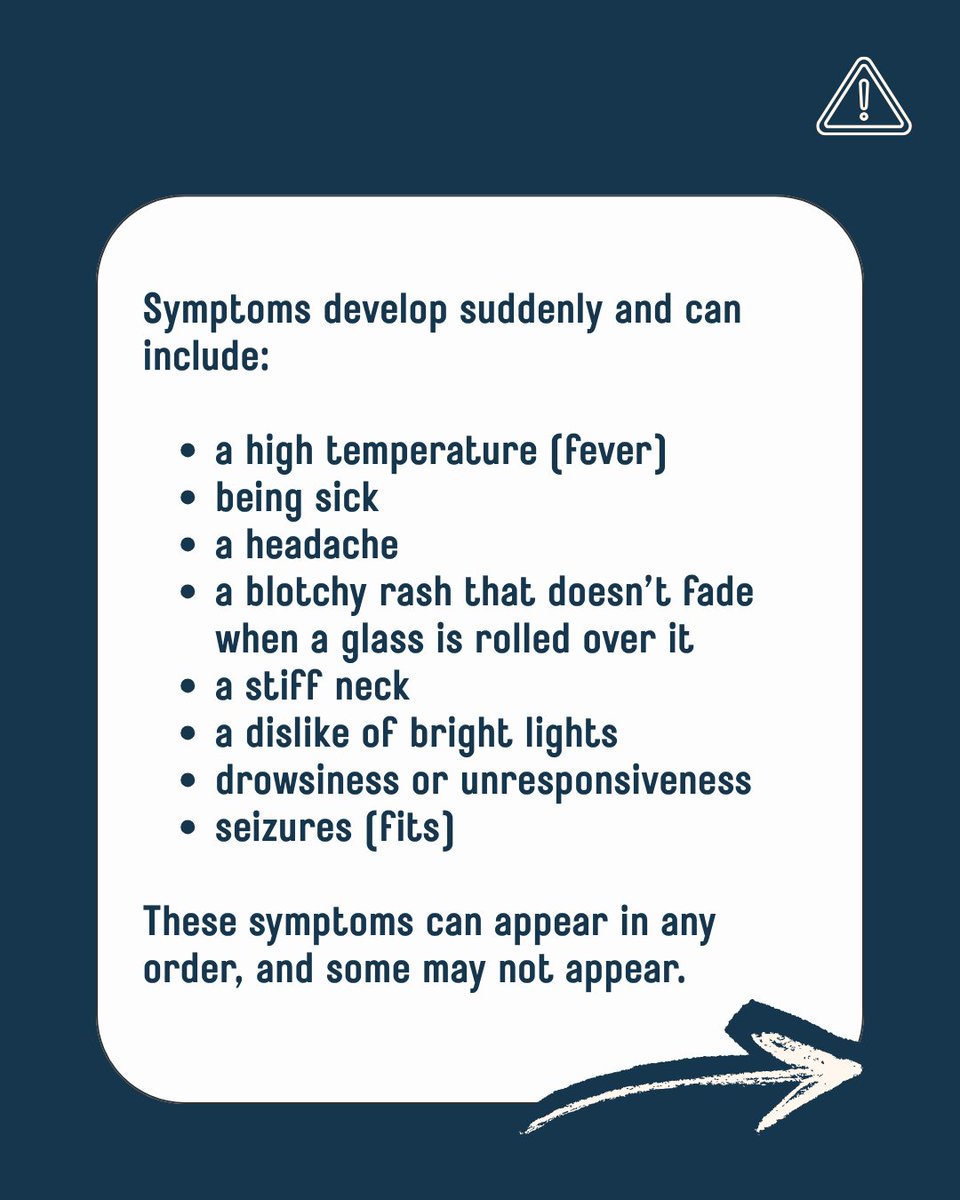
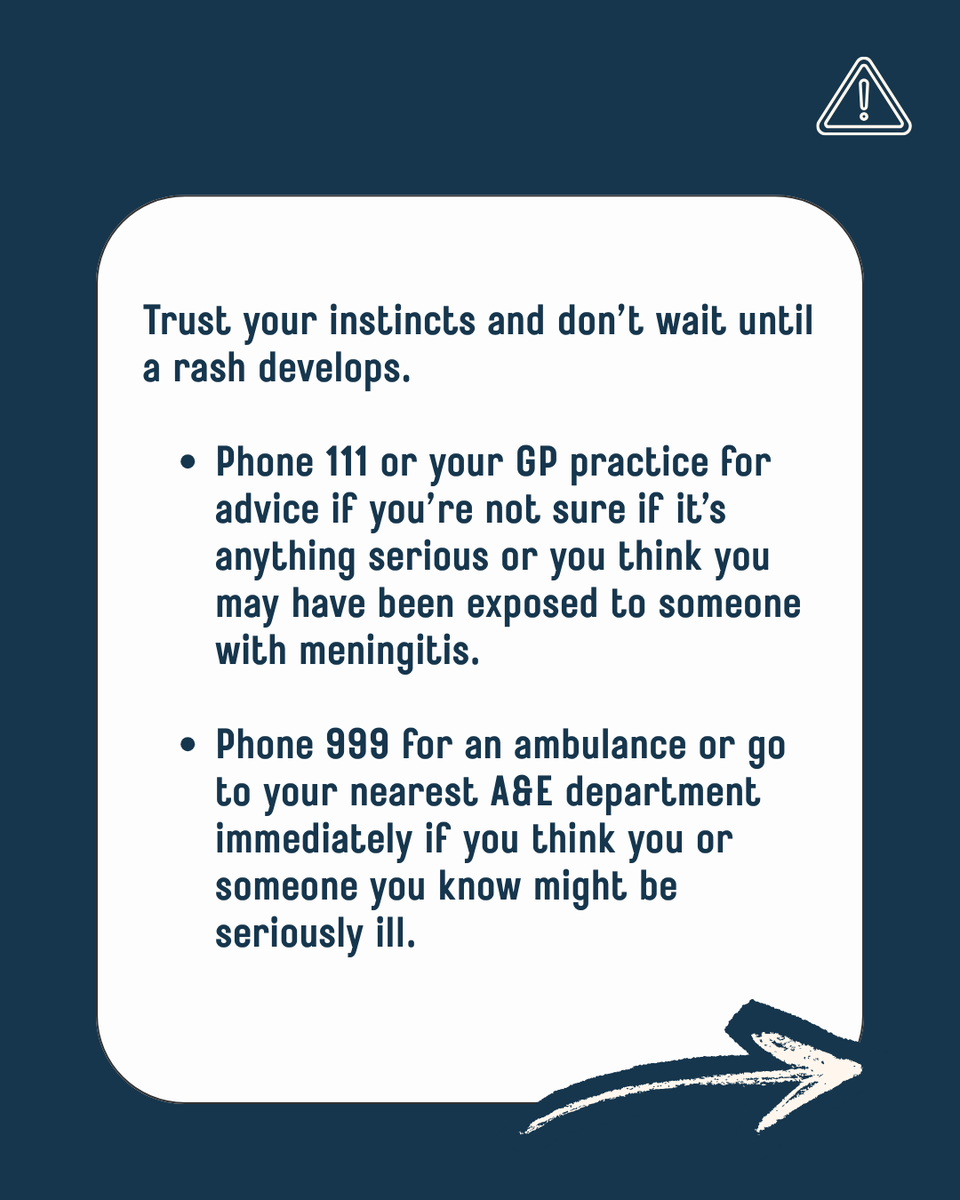
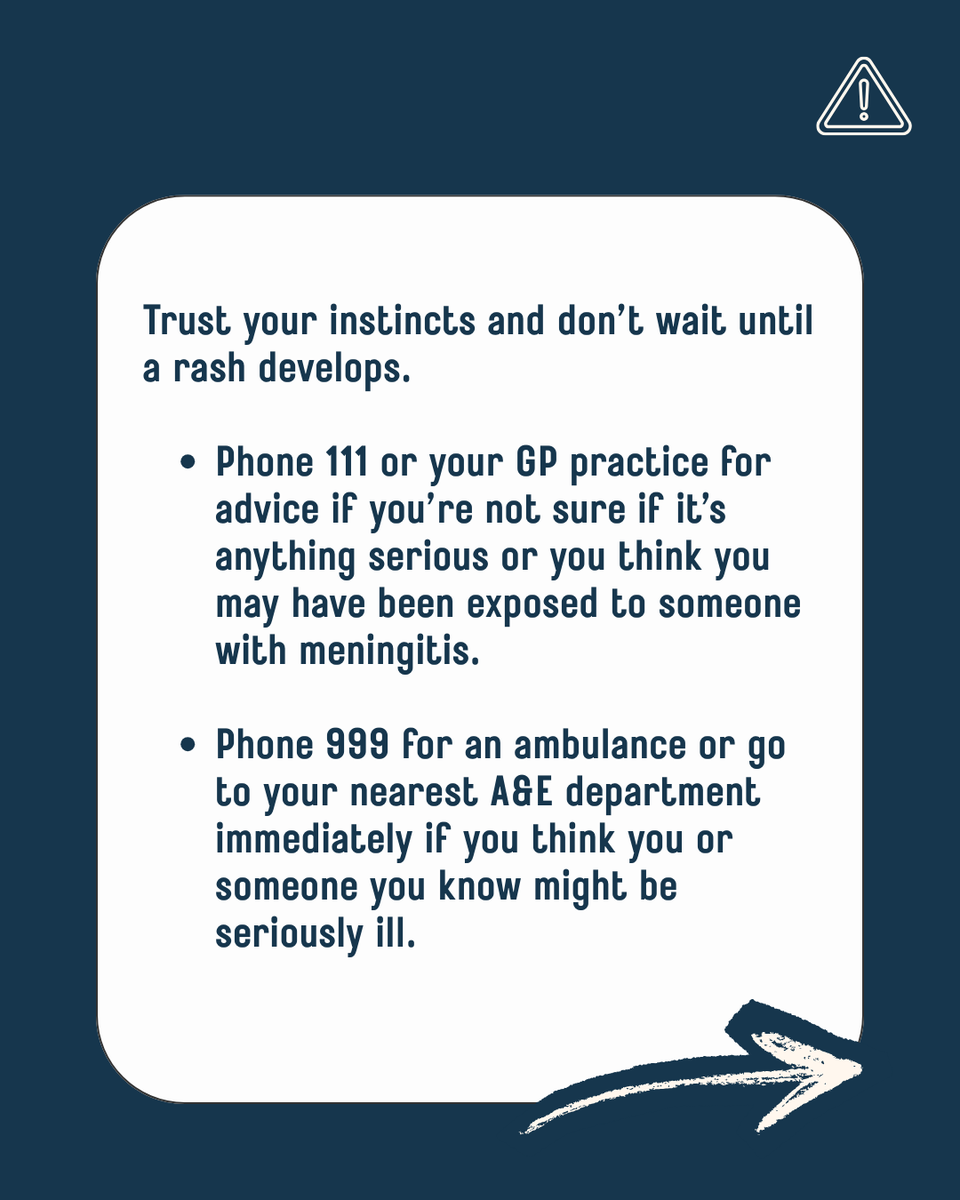
Meningitis can develop quickly.
It’s important to know the signs and symptoms to look out for and what you should do if you think you or someone you know might have meningitis.
Find out more at: https://t.co/dfuweIlReT
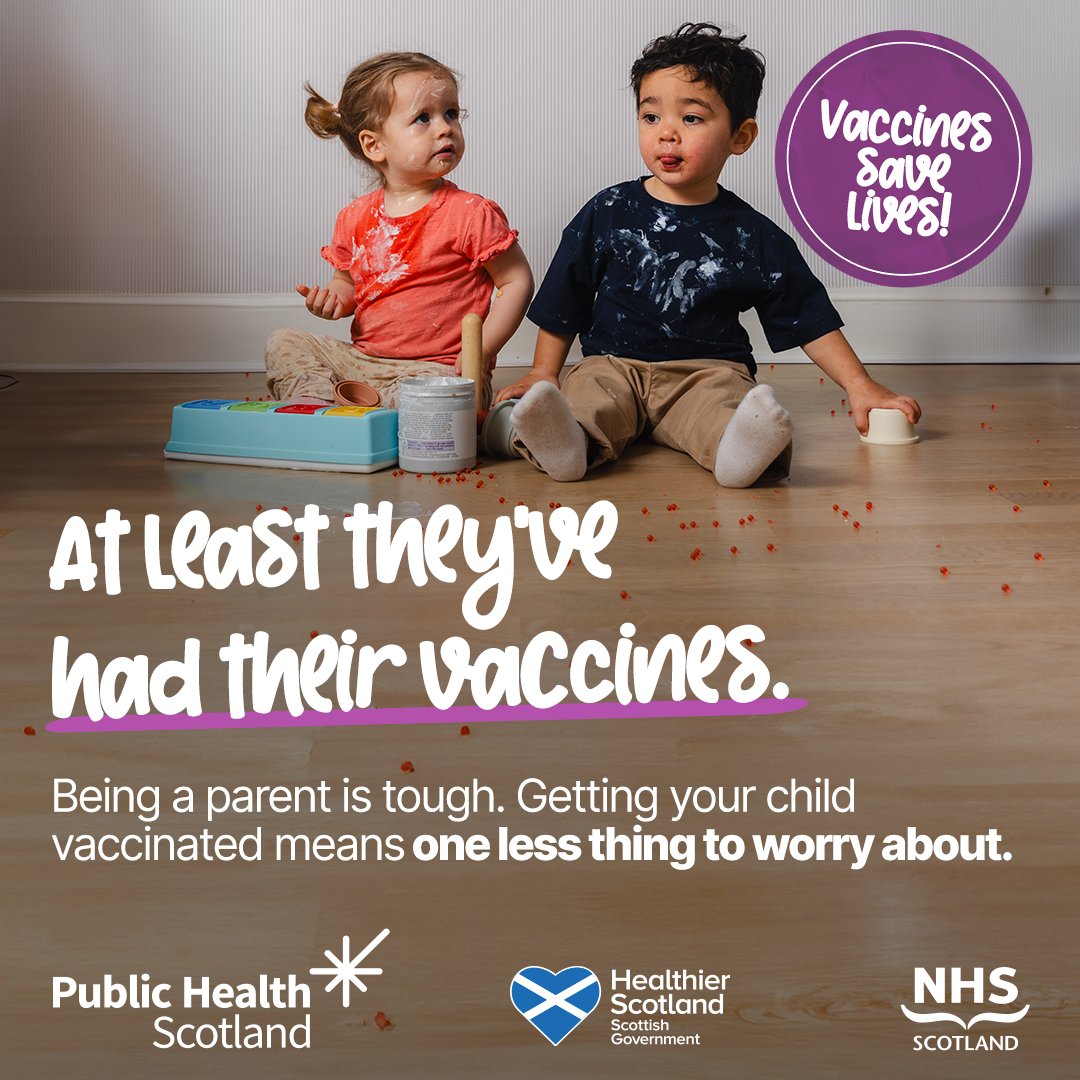
Vaccines are proven to save lives by reducing the spread of disease. Look out for your child’s vaccine letters in the post.
For more information on childhood vaccinations visit https://t.co/Ii19kNVYIy
#OneLessThing
Parenting is hard, but if your child's had their vaccines, it means one less thing to worry about.
For more information on childhood vaccinations visit https://t.co/Ii19kNVYIy
#OneLessThing
Meningitis can develop quickly.
It’s important to know the signs and symptoms to look out for and what you should do if you think you or someone you know might have meningitis.
Find out more at: https://t.co/dfuweIlReT
Buying medicines from illegal websites puts you at risk of serious harm. We are urging people to always check an online pharmacy’s registration before buying medicines online: https://t.co/72gsBWD2mr
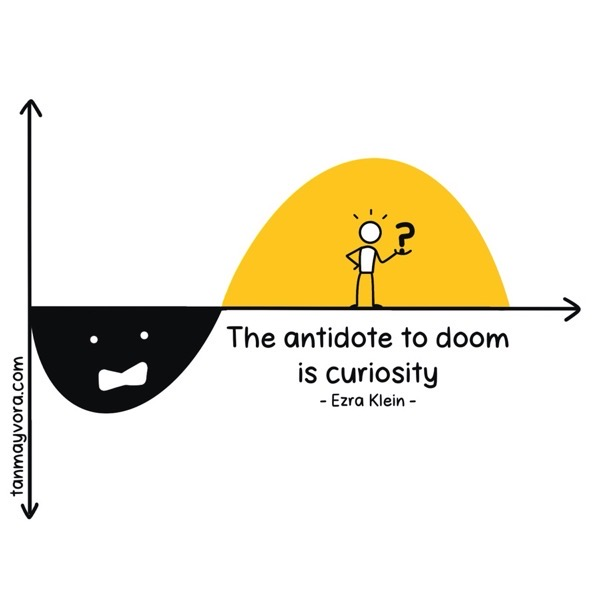
Curiosity is one of the most strategic capabilities that we need at times of profound change & uncertainty.
For leaders of change, I would define “curiosity” as engaging with uncertainty: focusing on gaps in our knowledge, exploring them with others, seeking other possibilities & using what we learn to adapt decisions, relationships & systems for better outcomes.
Uncertainty automatically triggers threat responses in our brains, narrowing attention and pushing us into “fight‑flight‑freeze” patterns that shut down creativity & collaboration. As leaders under rising pressure, we tend to seek quick closure, filter out disconfirming data & dig in with our initial interpretations, which is the opposite of what complex change requires.
Curiosity creates a different pathway. When we become genuinely interested in “what is really going on here?” we recruit neural networks linked to exploration, problem‑solving & reward. Leaders who show interest, ask open questions & tolerate “not knowing yet” help teams move from defensiveness to discovery. In practice, that can be as simple as shifting the first question in a crisis meeting from “How do we fix this?” to “What might we be missing about this situation?
Research on “information gaps” shows that curiosity is triggered when we become aware of something important we do not yet know; the gap itself generates energy to learn. People often feel most curious at moderate levels of uncertainty—enough ambiguity to stimulate interest, but not so much that the situation feels hopeless.
For change leaders, this means uncertainty gets reframed as a shared learning agenda: “Here is what we know, here is what we don’t, & here are the questions we need to explore together.” This approach treats ambiguity as a resource rather than a personal failure of leadership & invites collective sense‑making instead of people waiting for instructions or answers.
How to build a culture of curiosity in uncertain times:
1. Model visible curiosity every day: Regularly say “I don’t know yet”, “Tell me more” & “What am I missing?”, signalling that questions are welcome, not a weakness.
2. Design meetings around questions, not updates: Start sessions with 2–3 priority questions (e.g. “What’s the most important thing we don’t understand about this issue?”) instead of long slide decks.
3. Actively encourage questioning & learning: Publicly thank team members who raise awkward issues or ask clarifying questions, & link this to your values/behaviours framework.
4. Create simple learning & experimentation routines: Encourage small, safe‑to‑try tests of change & make it explicit that “failed” experiments are successes if they generate useful learning.
5. Bring in diverse perspectives by design: Mix roles & disciplines in problem‑solving sessions & deliberately ask “who else needs to be in this conversation?”.
Building a culture of curiosity is not about adding extra components on top of an already overloaded change agenda; it’s about changing the way we pay attention. In an uncertain world with shifting demands, shared curiosity is no longer a “nice‑to‑have”; it can be the difference between repeatedly coping & continuously improving.
See e.g., https://t.co/VkDEV5UBYS Performance Frontiers.
Post by inspired by this graphic from by @tnvora
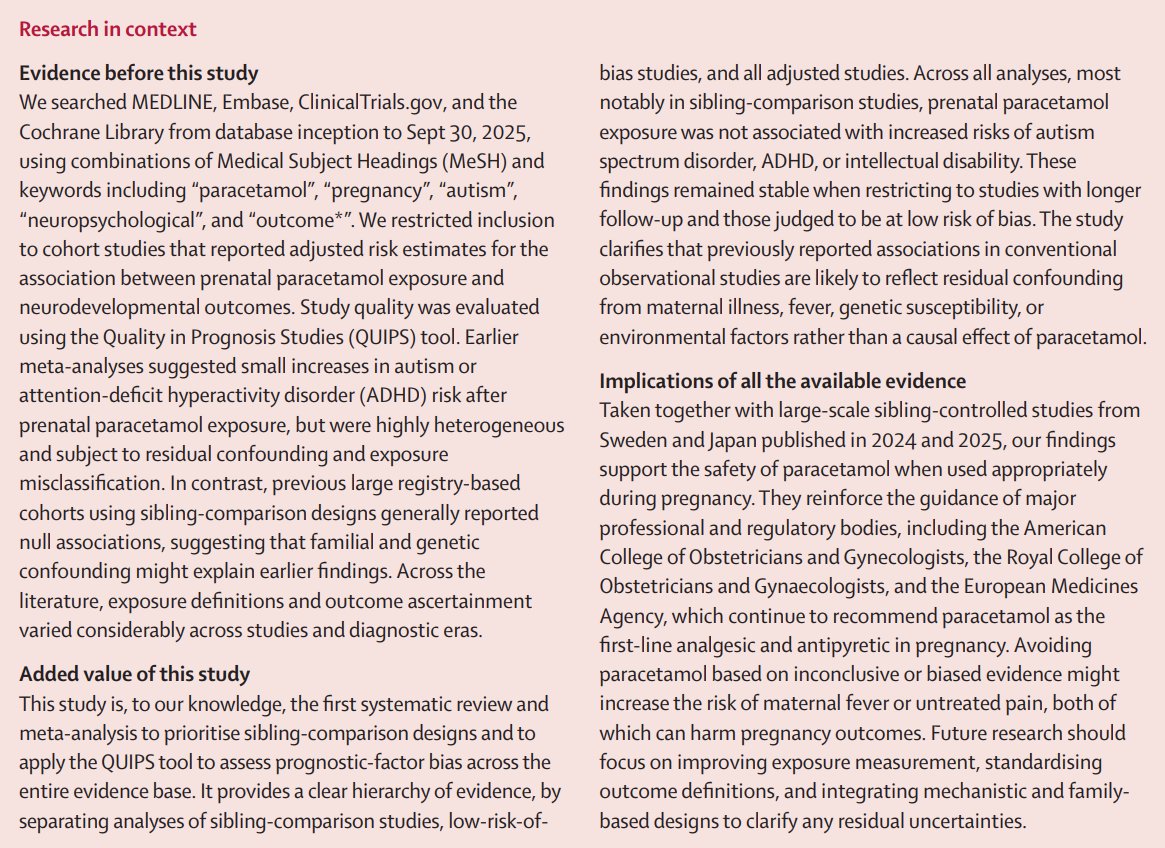
NEW—Taking paracetamol during pregnancy does not increase risk of autism, ADHD, or intellectual disabilities, finds most rigorous synthesis of the current evidence to date.
The research in context panel is provided below.
Read the full paper: https://t.co/FZ1o5rOOjs