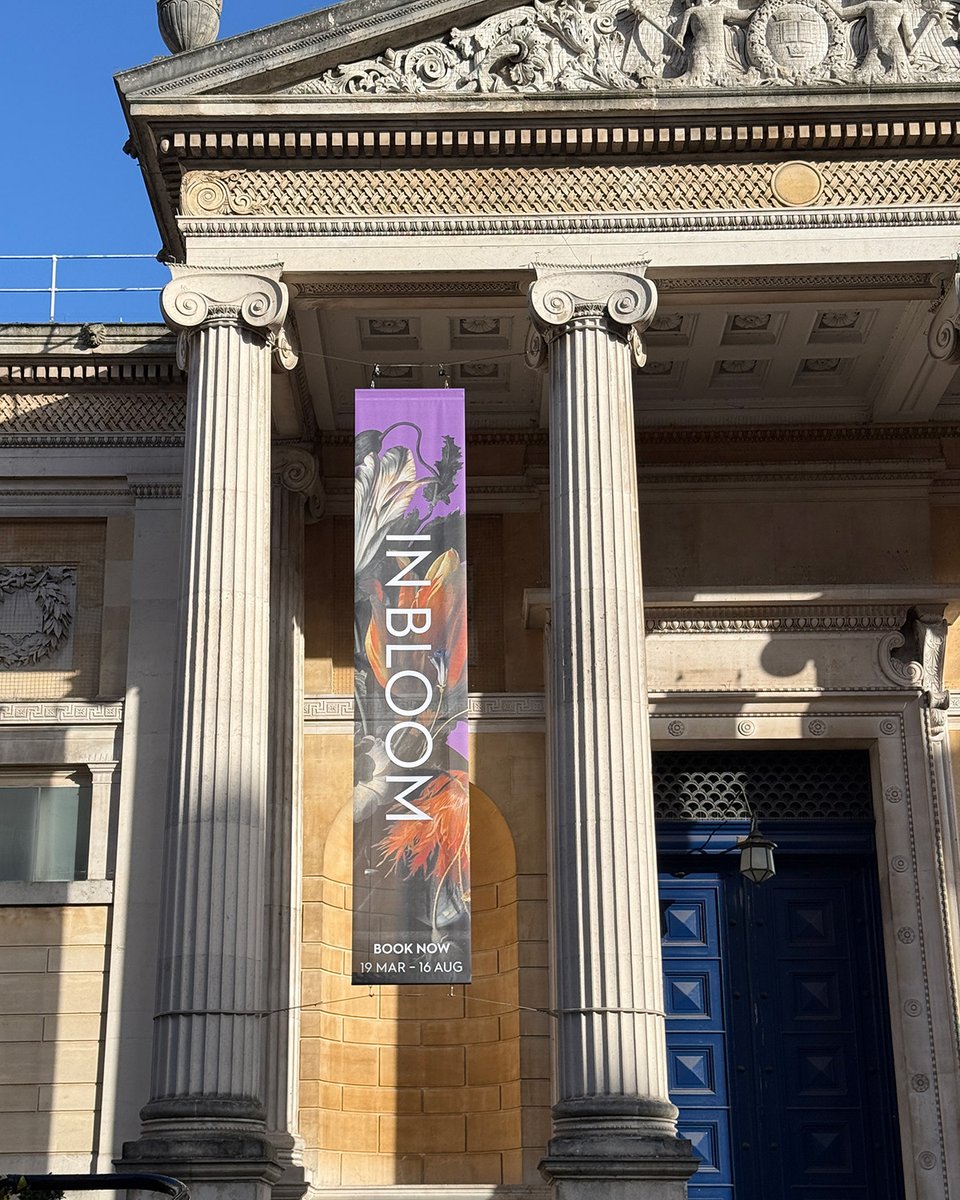
📣 In Bloom: How Plants Change Our World is now open.
★ ★ ★ ★ The Guardian
"There's much to savour" The Telegraph
🏦 Ashmolean Members go for free with no need to book.
🌱https://t.co/TiRfHlLvUg
🎵Eric Sutherland
⭐️ ⭐️ ⭐️ ⭐️ @guardian
"Consistently illuminating" @theobserveruk
⭐️ ⭐️ ⭐️ ⭐️ @thetimes
"Much to savour" @telegraph
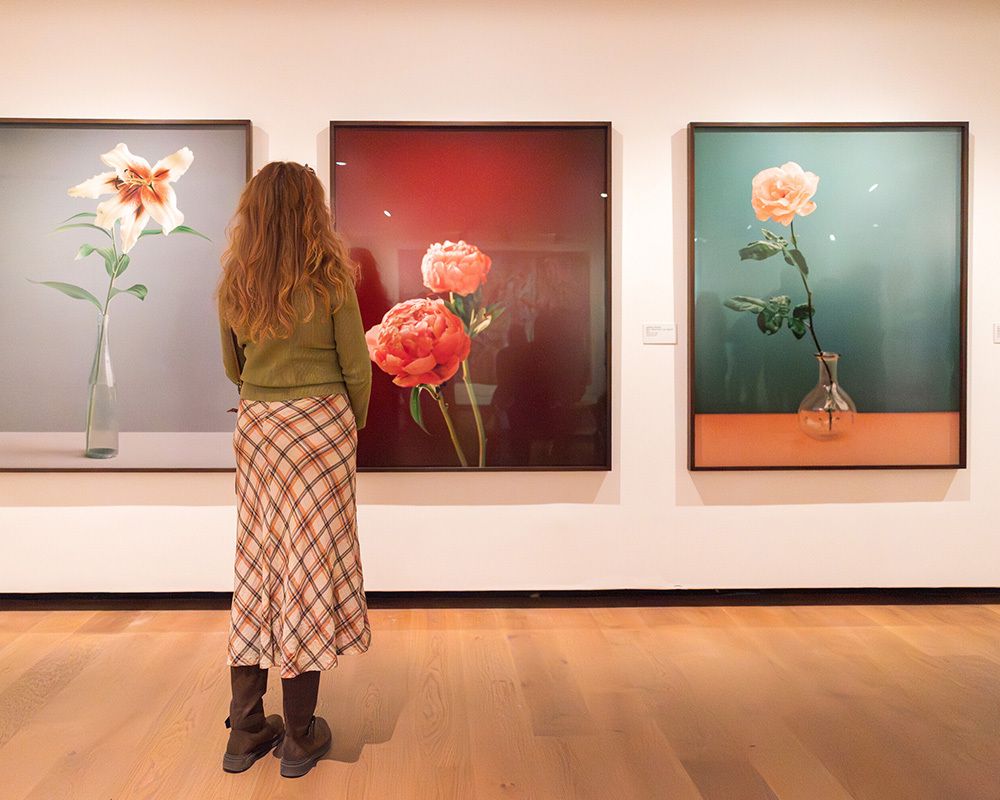
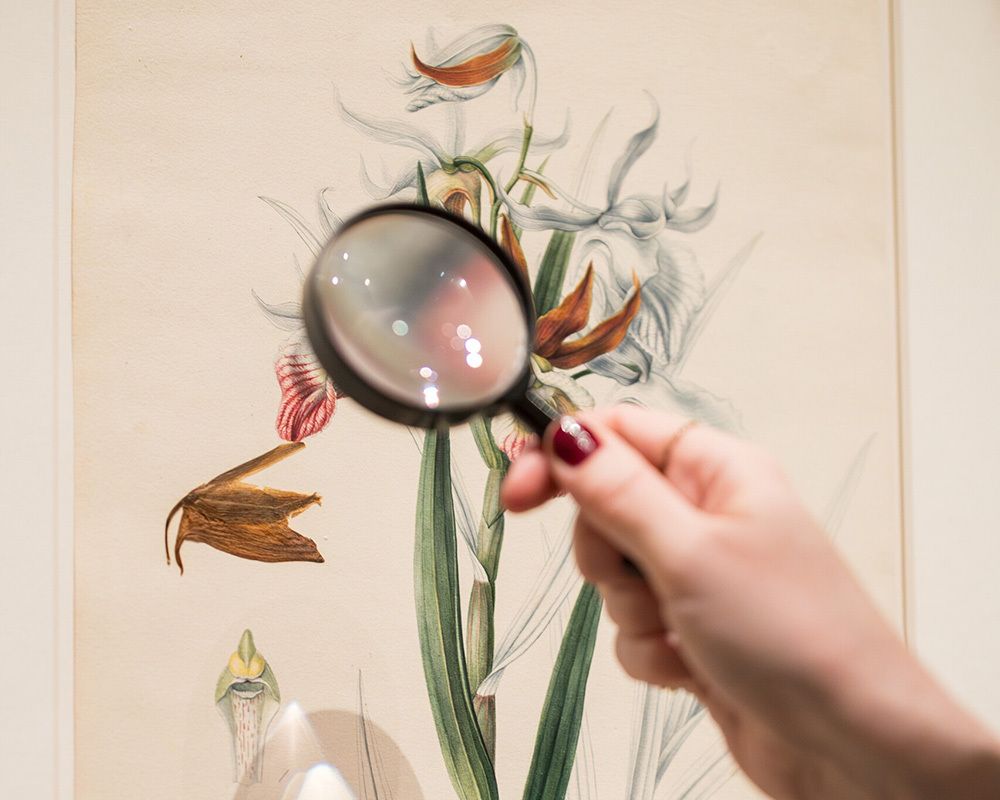
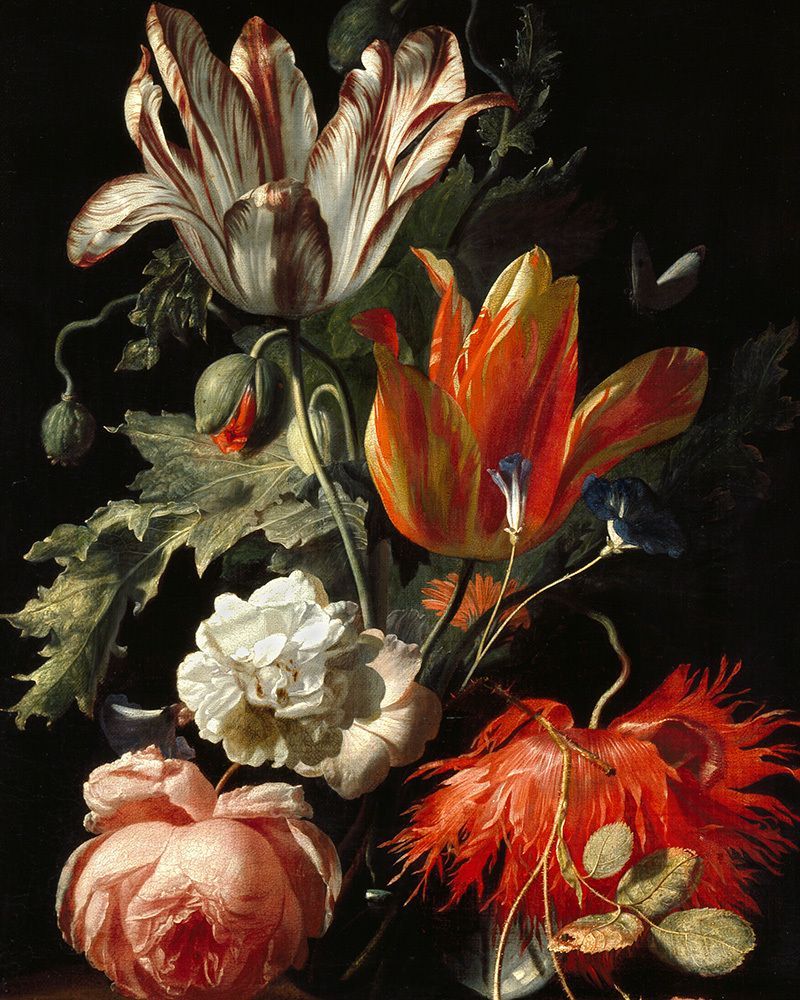
Step inside In Bloom and journey from Oxford to the farthest corners of the world and back, uncovering the global stories behind some of Britain’s most beloved blooms.
From the fascinating stories of curiosity and ingenuity of early plant explorers to the networks that shaped global trade, this exhibition reveals how the pursuit of exotic plants transformed landscapes, economies, and cultures, leaving a legacy that still shapes our world today.
🌷Plan your visit via the link in bio.
🏛️ Ashmolean Members enjoy free unlimited entry with no need to book.
📷 Photos by Hannah Pye.
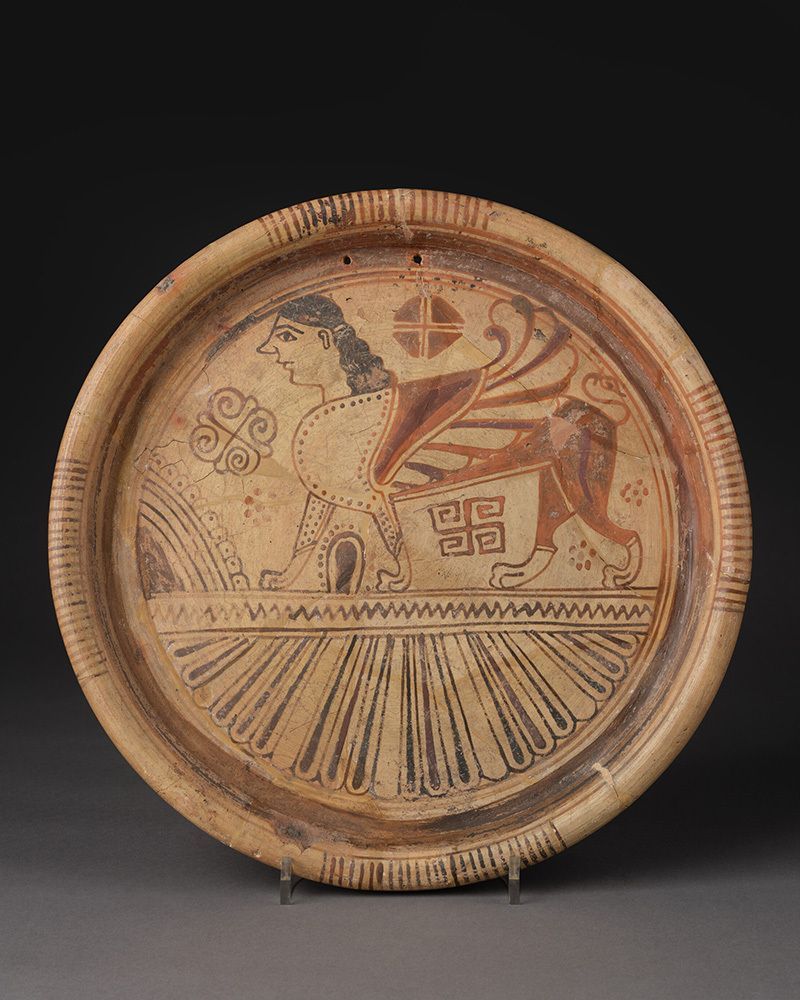
👀 A closer look at the object that inspired today's animation by the talented Eilidh Morley.
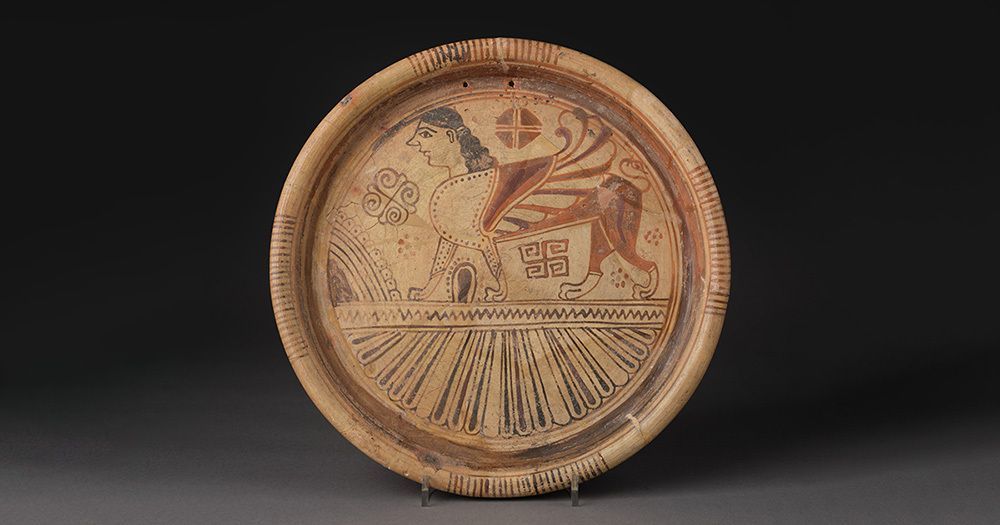
This plate shows a sphinx with a lion’s body, a bird’s wings and a woman’s head.
It was made around 600 BCE, over 2,600 years ago. The colour of the clay suggests that it was made on Rhodes.
The plate was made during a time when there was increasing trade between the Aegean and the Eastern Mediterranean, where the sphinx originated. Images of creatures such as the griffin and sphinx travelled westwards, perhaps as decorative designs on carved ivories or metal vessels. These were then adopted locally as pottery designs.
The sphinx became part of Greek mythology, as the monster who terrorised Thebes until Oedipus solved her riddle. Around the time this plate was made, sculptures of sphinxes started to appear on top of columns in Greek sites such as Delphi. Here they acted as guardian figures. The sphinx on this plate does not appear to have a defined role: she is still on her way from east to west.
🪽 Rhodian plate with sphinx design, c. 600 BCE. AN1885.631
What do we really know about the plants and flowers in our gardens?
'In Bloom' at @AshmoleanMuseum features over 100 artworks and objects that take visitors on a journey to uncover the global stories behind some of Britain's most beloved blooms.
Until 19 August: https://t.co/OQbkRdbOG5
We are delighted to share that, together, Oxford University's Gardens, Libraries and Museums welcomed over 3.8 million visitors last year!
Thank you to all of our wonderful visitors, the Ashmolean is currently the 31st most visited attraction in the UK and is now the most popular visitor attraction in Oxfordshire.
ALVA visitor figures: https://t.co/NoMPuPM1PI
📣 In Bloom: How Plants Change Our World is now open.
★ ★ ★ ★ The Guardian
"There's much to savour" The Telegraph
🏦 Ashmolean Members go for free with no need to book.
🌱https://t.co/TiRfHlLvUg
🎵Eric Sutherland
Coming soon... 🌸 🪻 🌿 🪴
Our next major exhibition In Bloom: How Plants Changed Our World opens on 19 March.
🏛️ Ashmolean Members enjoy free unlimited entry with no need to book.
🎟️ Plan your visit: https://t.co/MrfhuWNSG5
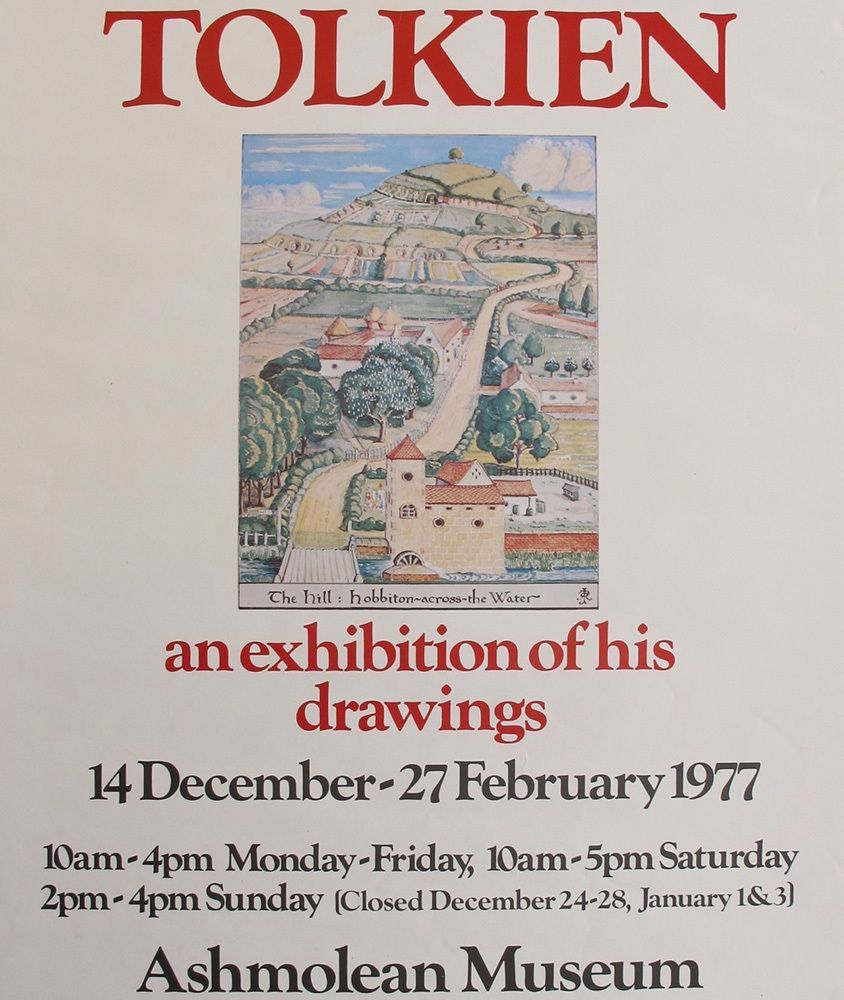
John R R Tolkien was born on this day in 1892.
Tolkien, the author of 'The Hobbit' and 'The Lord of the Rings', was a student and eventually a professor at University of Oxford. Back in 1977, the Ashmolean hosted an exhibition of his drawings.
Take a closer look at the artwork that inspired the animation...
This print, 'A Drinking Party', forms part of a series titled 'A Set of Goldfish series' by Utagawa Kuniyoshi and dates to 1839–1842.
🌟A Drinking Party, part of A Set of Goldfish series, nishiki-e, by Utagawa Kuniyoshi (1797–1861). EA1971.157
Happy New Year to you! ✨
We hope this magical animation by Matilde Senos fills your day with joy!
The Museum is closed today but will be reopening from tomorrow - we can't wait to welcome you then.
⭐️ A Drinking Party, part of A Set of Goldfish series, nishiki-e, by Utagawa Kuniyoshi (1797–1861). EA1971.157
A look at the original work that inspired today's animation 🔍
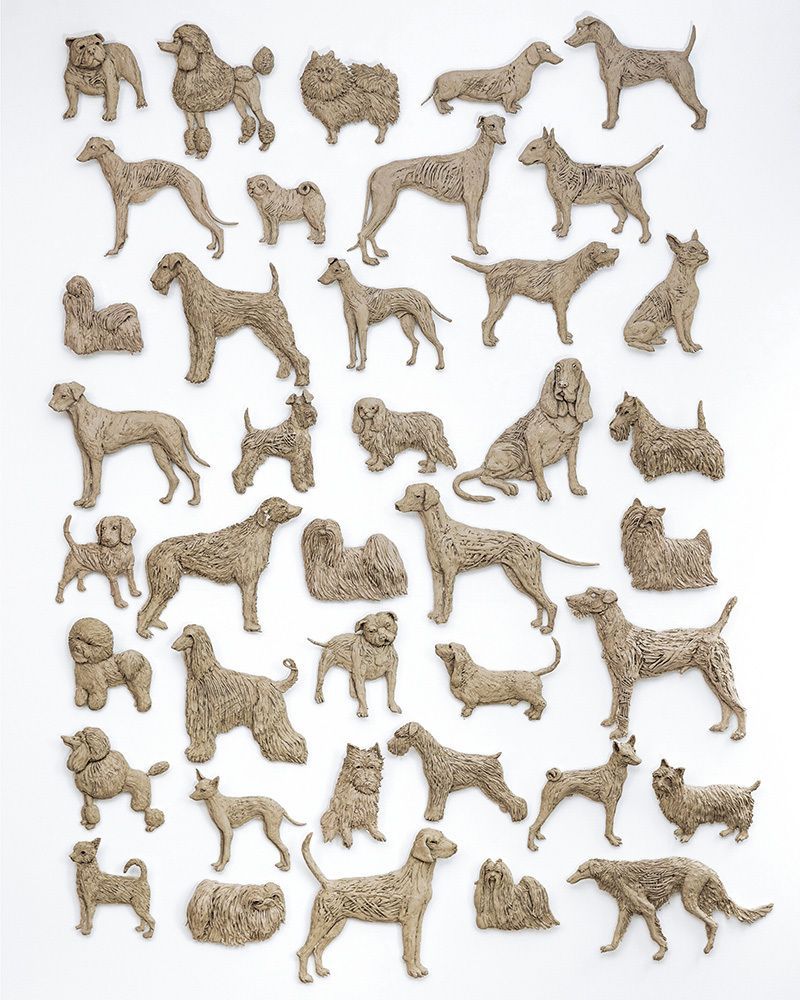
These studies of a sleepy, restful hound, captured for a portrait of this dog, are by Giovanni Domenico Tiepolo, son of Giovanni Battista Tiepolo and elder brother of Lorenzo Baldissera Tiepolo.
These drawings were made using pen with brown ink and a brown wash, over black chalk on laid paper. ✍️
🐶 Studies of a dog, Giovanni Domenico Tiepolo (1727 - 1804). 20.8cm tall x 26.5 cm wide. WA1937.223
We hope you are all resting and relaxing like this perfect pooch.
This charming animation was created by Will Lang and inspired by an 18th century study of a dog produced by Giovanni Domenico Tiepolo.
🐶 Studies of a dog, Giovanni Domenico Tiepolo (1727 - 1804). 20.8cm tall x 26.5 cm wide. WA1937.223
🎄 The festive break has now begun for our galleries 🎄
Over the Christmas and New Year period the Museum will be closed 24–26 December and on 1 January. We will be open as usual on all other days, 10am–5pm.
We look forward to welcoming you back to the Museum soon!
💫 Illustration by Kate Baylay
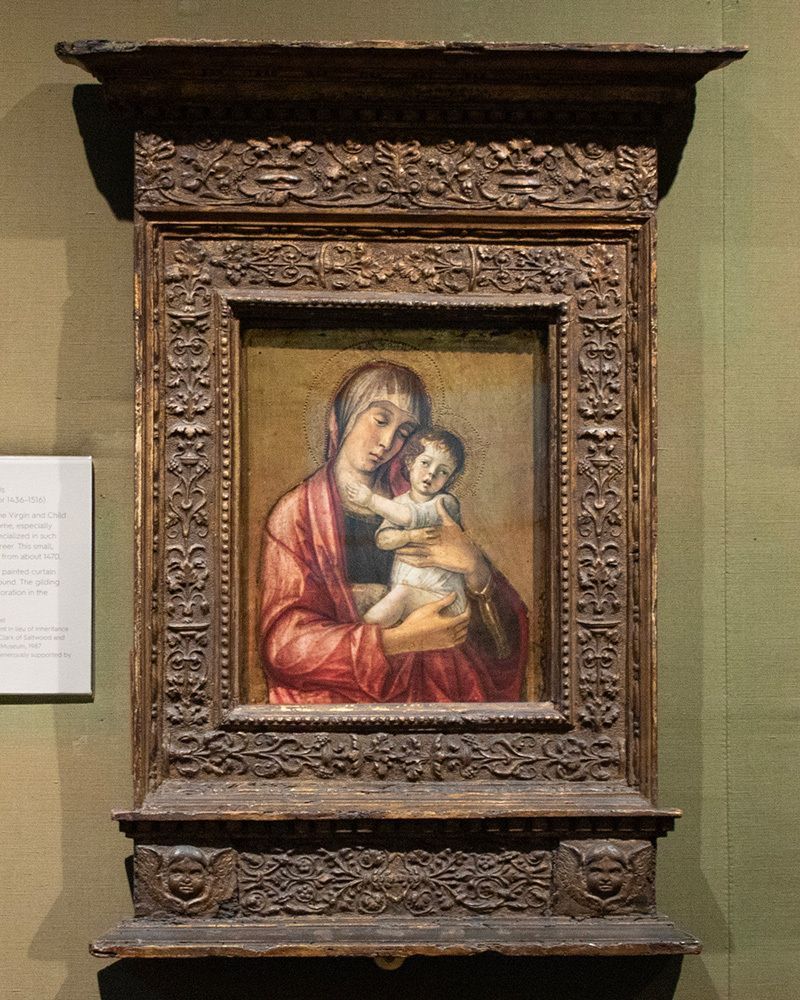
What do frames tell us?
Over the past few months, three works in the Ashmolean’s collection have been reframed to more faithfully reflect their original historical contexts. Thanks to the expertise of our curators and conservators, and through the generous funding of Fondation Etrillard, these works are now back on the gallery walls for all to see.
🖼️ Saint Jerome Reading in a Landscape by Giovanni Bellini. The Venetian master, Giovanni Bellini, is celebrated for his ability to capture serene spirituality in luminous colour and detail. This painting has long been enclosed in a large, ornate frame that overpowered its content. Now, it has been reframed in a subtly gilded frame, created by @pschadeframes, that is based on 15th- and early 16th-century Italian models.
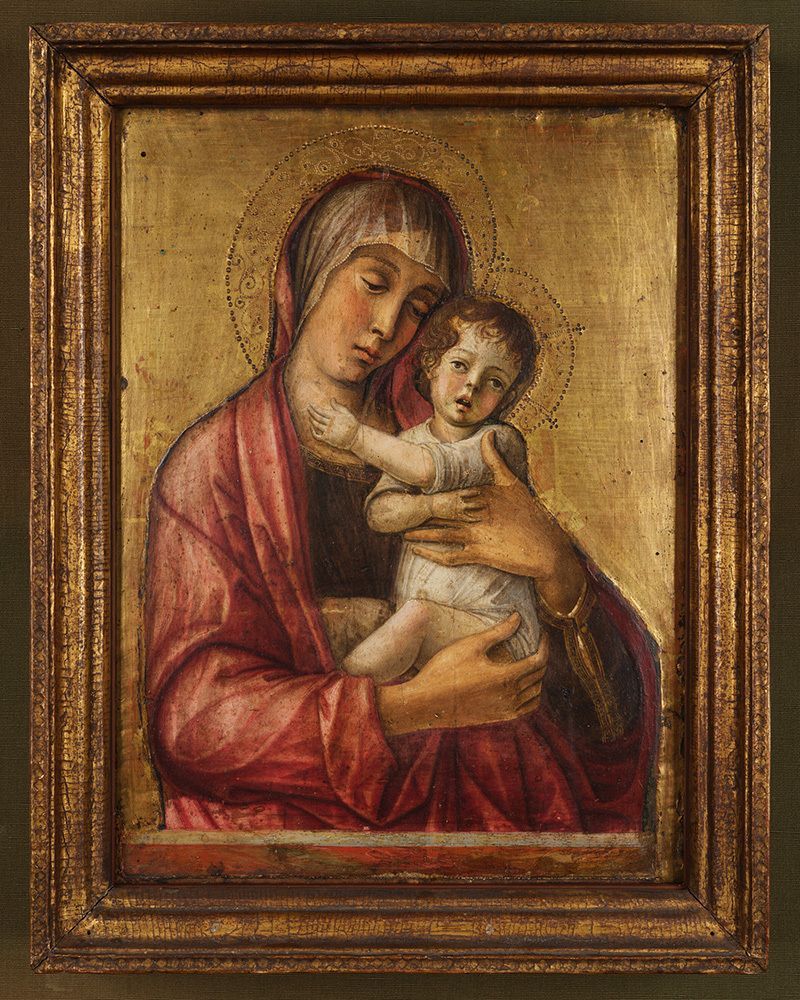
🖼️ The Virgin and Child by Giovanni Bellini. At the time of its making, this striking devotional painting would have been housed in a tabernacle frame. In a stroke of luck, the frame that we removed from the Saint Jerome picture was a perfect fit, restoring the artwork to its proper visual and spiritual contexts.
🖼️ Portrait of a Young Man by Domenico Ghirlandaio. Long encased in an imitation Venetian frame, this portrait is now on display with its original engaged frame, carved as part of the panel itself — an extraordinary survival! This painting now holds the rare distinction of being one of the very few 15th-century Italian portraits in the world to be displayed in its original integral frame.
You can see these works on display in the Museum’s Early Italian Art and Italian Renaissance galleries.
This work was made possible through the generous support of @FondationEtrillard.
📣 Last chance to shop online!
Are you looking for the perfect festive gift for the art and history lovers in your life? We recommend placing your order by 17 December for UK delivery.
Visit our online shop and browse our carefully curated range of jewellery, books, stationary, homeware, food and more: https://t.co/3l6VQOE4UV
🏛️ If you miss out on online orders, fear not as our gift shops will be open as usual from 10am to 5pm in the lead-up to Christmas (closed on 24-26 Dec & 1 Jan).