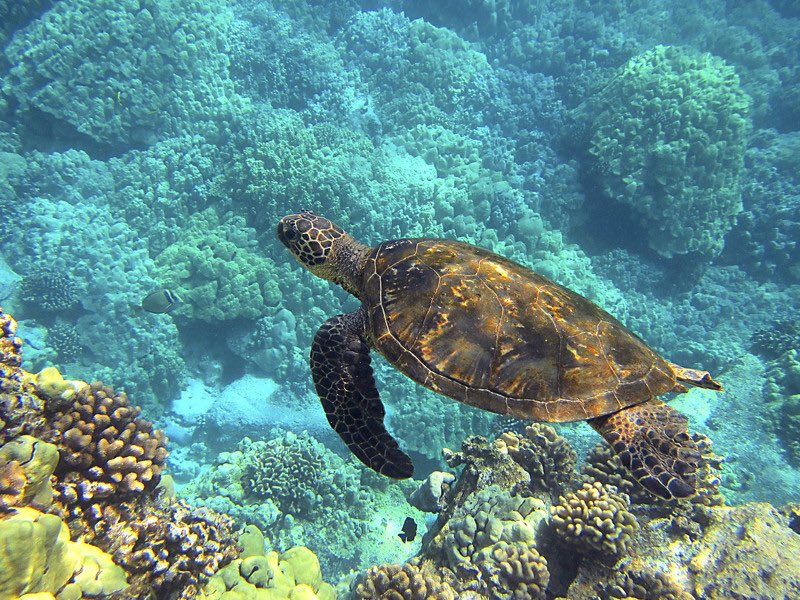
An account dedicated to the awareness about Atlantic leatherback turtles, a species that CWF helps protect. Project by Adriana Palagano & Brianna Muñoz of TRS
One can help reduce all of the trash and plastic that ends up on beaches and in the oceans by recycling plastics and throwing out trash in a proper fashion.
Ocean pollution is not only affecting the Atlantic leatherback population, but every animal that lives in the ocean. These turtles, however, are often subject to bycatch during times like when they migrate, and get caught in unintentional netting and fishing catches.
Many scientists suggest that it is difficult to track adolescent and youth turtles, calling these years "the lost years." Roughly after 15-25 years, however, sea turtles reach full maturity. Adult males will live at sea, while females will stay close to their home shore.
About 55-60 days after the female lays her eggs, hatchlings emerge from their nests, and follow the ocean currents out to sea. They seek refuge from predators.
Many turtles are found near the continential shelf; they can dive below 4,000 feet below sea level, and are the largest sea turtle species that migrate in nesting beaches called the Coral Triangle. Their habitats are mainly in open waters.
The habitats of leatherback sea turtles range in the Atlantic, Pacific, and Indian Oceans. Nestings often occur in places such as Hawai'i, Florida, Costa Rica, and other tropical places.