Our member Dr Sarah Thomas is Featured in @TheSpinoffNZ on an article based on the @aucklandzoo community-first conservation approach that helped save the wētāpunga from extinction.
Read more: https://t.co/ZpF2o48bVM
#Conservation#BehaviourChange#AucklandZoo
Big thanks to our friends at @aucklandzoo for being true red panda heroes! 🐾❤️
Their incredible support is helping us protect wild red pandas and their forest home in the Himalayas. 🏔 From funding on-the-ground red panda conservation to supporting local communities living among the pandas, their generosity makes a real difference for this endangered species🌿
We’re so grateful to have conservation partners like Auckland Zoo by our side. Together, we’re ensuring a viable future for red pandas in the wild! 🙏
📸: Auckland Zoo
#RedPandaNetwork #AucklandZoo #ConservationInAction #RedPandaConservation #ThankYou #ForTheWild
Our Dinosaur Discovery Track is open for visiting! 🦖 Open daily from 10am-5pm, this experience is free with your Zoo ticket or membership. https://t.co/x6ZgcWCN1f
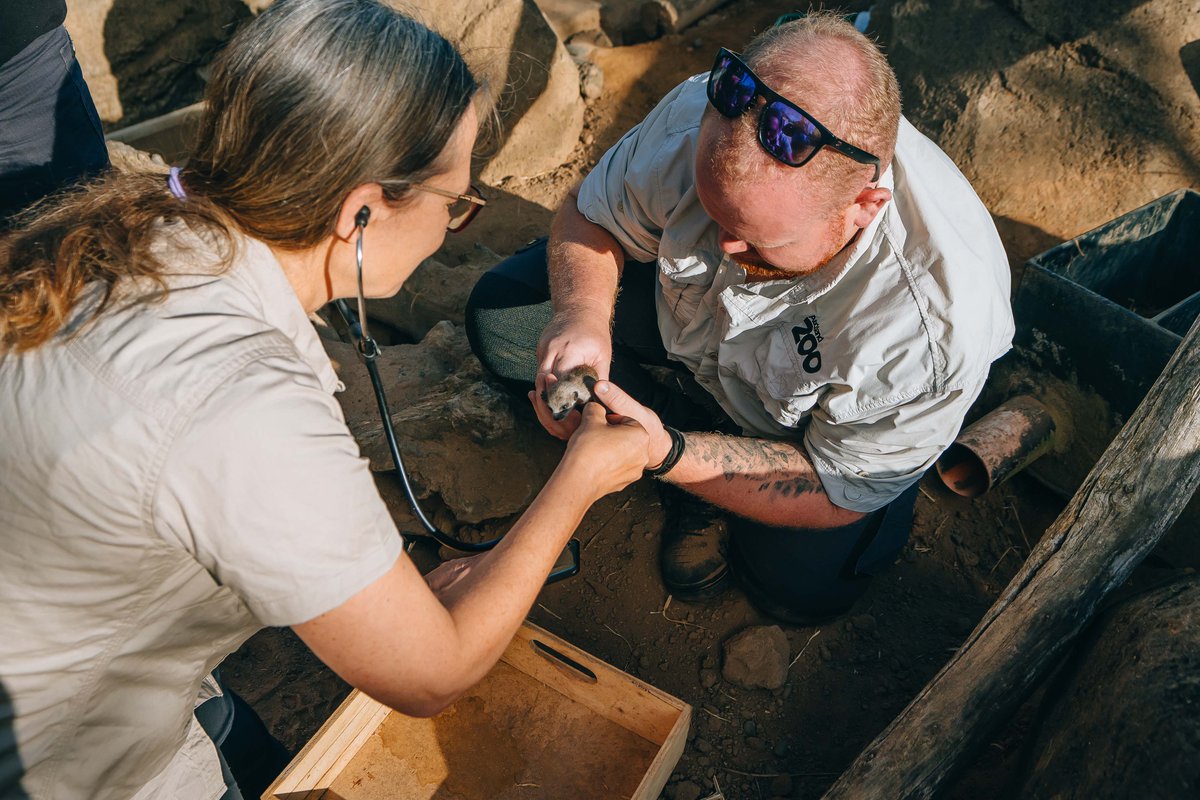
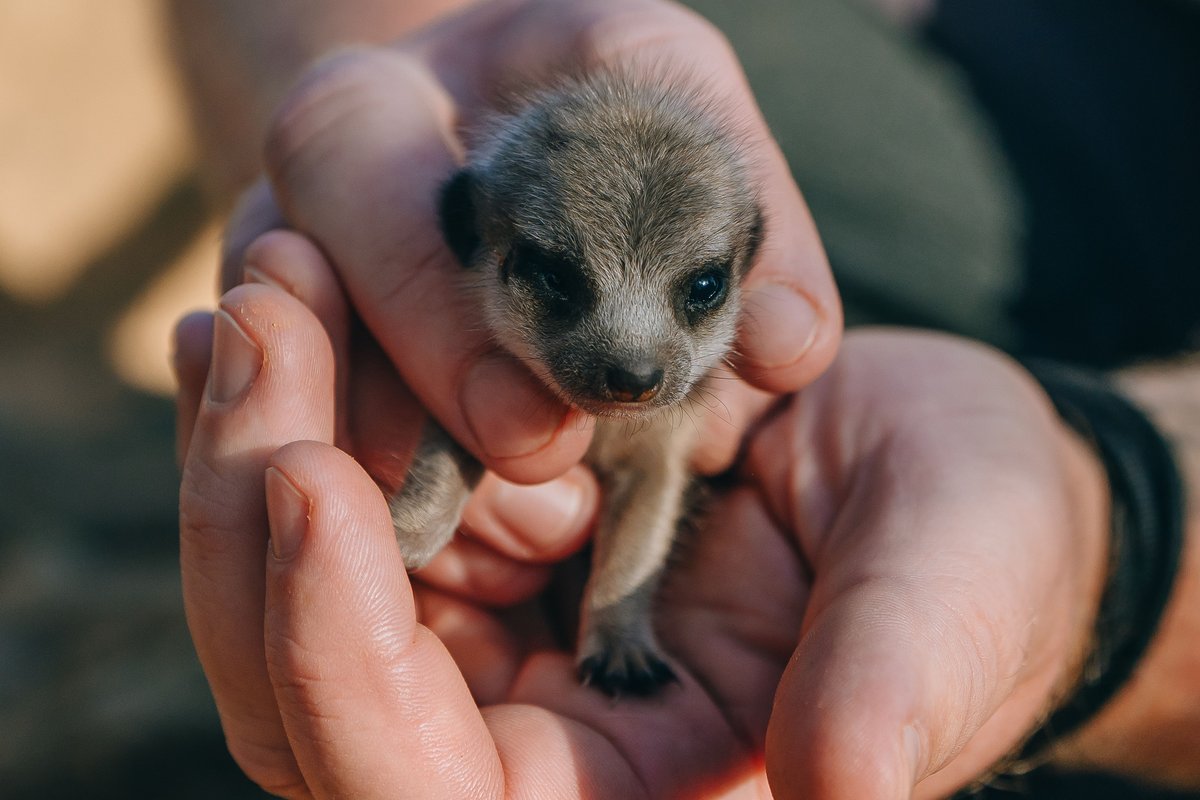
Update: the meerkat pups have had their first health check! At 12 days old, it’s the first time the pups have been given a health check by our veterinary team. We’re pleased to report that at this stage, each of the four pups appears healthy and strong.
🐥 @aucklandzoo is making significant progress in the recovery of the New Zealand fairy tern through the Tara Iti Recovery Programme, highlighting the importance of targeted conservation in preventing the extinction of vulnerable species.
Find out more ⬇️
https://t.co/Ft9fWgMjUC
Three cheers for turning three! 🦧 Bahmi, the youngest member of our orangutan whānau, turns three-years-old today. To celebrate, animal care and conservation intern Leani created a special two-layered ice block for him—packed with delicious and stimulating treats.
Rhino calf Zuka weighs in at a healthy 218 kgs! A key part of Zuka’s health checks is his weekly weigh ins. A specially designed weigh plate is set up inside a chute for Zuka to step on and have his weight recorded. Afterwards he’s rewarded with lucerne hay —his favourite.
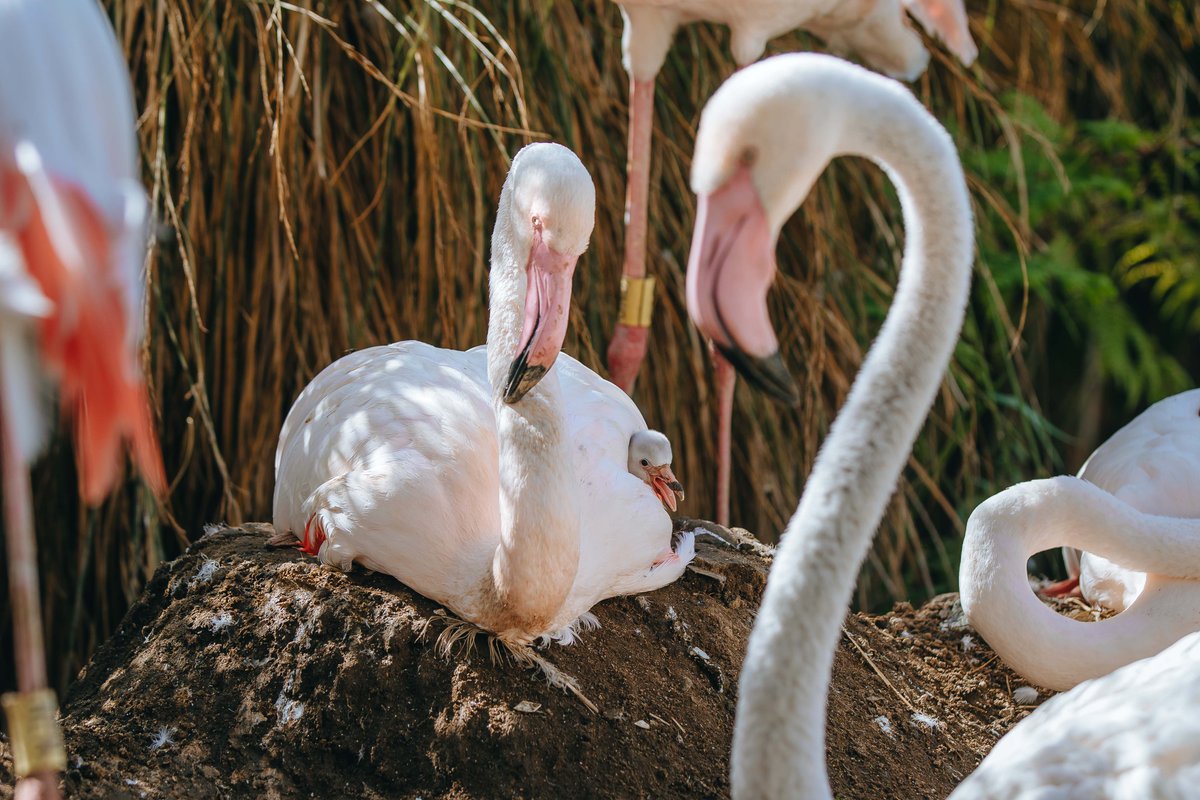
A third flamingo chick has hatched this season! 🦩 Hatching out on 24 February to parents Cole and Willoughby, this chick is being raised by its biological parents.
Flamingo chicks grow rapidly! In just a few weeks this little one will be nearly half its adult size.
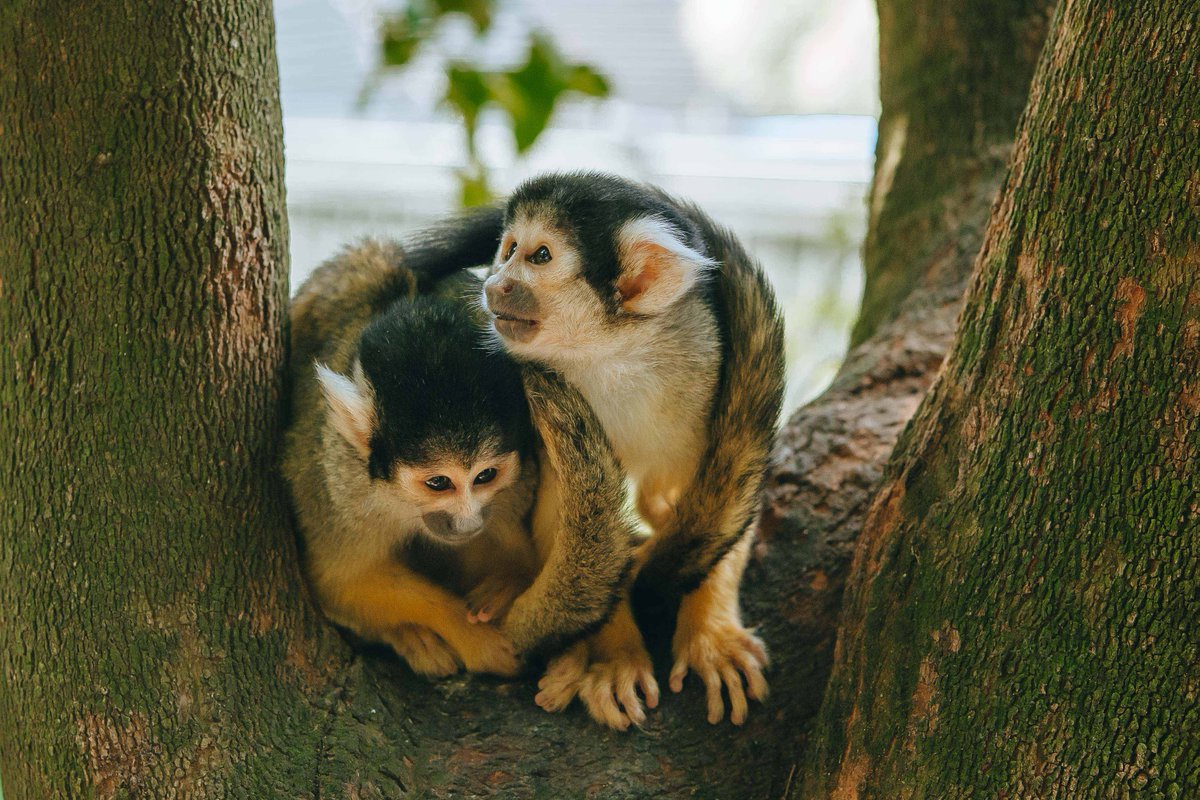
Did you know squirrel monkeys have the largest brain-to-body ratio of any primate - including humans? 🐒 Next time you visit, see how many squirrel monkeys you can spot!
A second flamingo has hatched – with potentially more on the way! 🦩This chick hatched last week under foster parents Neil and Cheviot, who are doing a fantastic job raising the chick. If you look closely when you visit, you’ll see both chicks venturing around the habitat.
Introducing Zuka – the name for this male rhino calf, as chosen by you! 🦏 We’re pleased to have such a meaningful name for the calf, as Zuka is Zulu for ‘comes with the dawn/the morning’. Come and visit the herd this weekend!
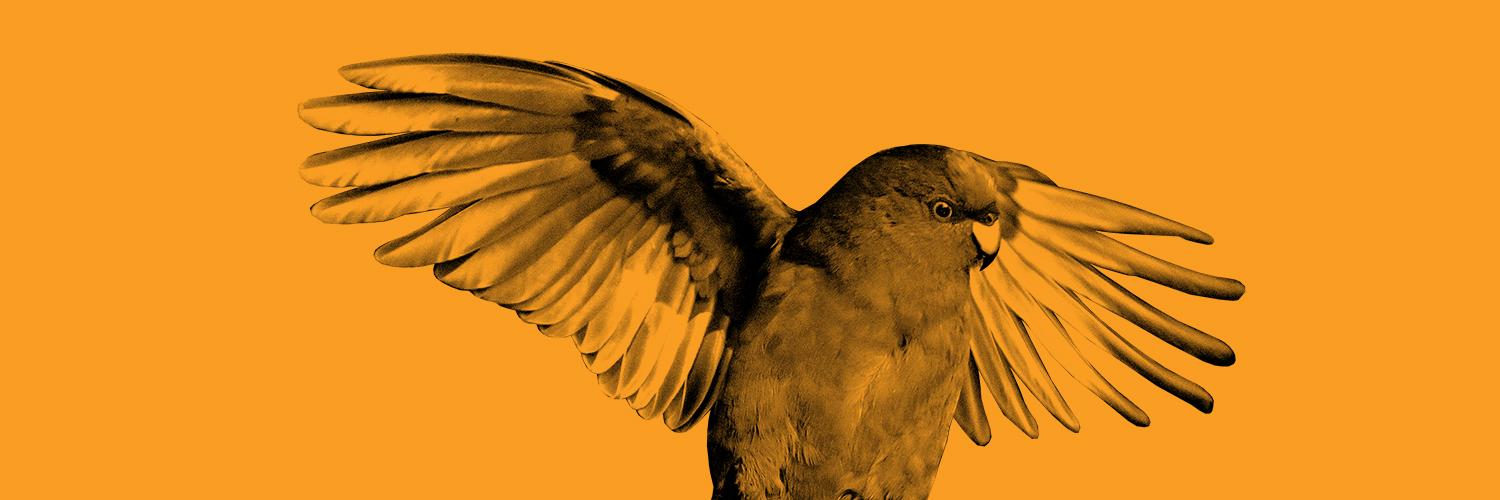
We’re wishing you a wonderful Waitangi Day, Aotearoa! Bring your whānau to explore te taiao and see some of the beautiful kararehe that call this whenua home – like this kererū! We’re open today from 9.30 – 5.30pm and we’d love to see you!
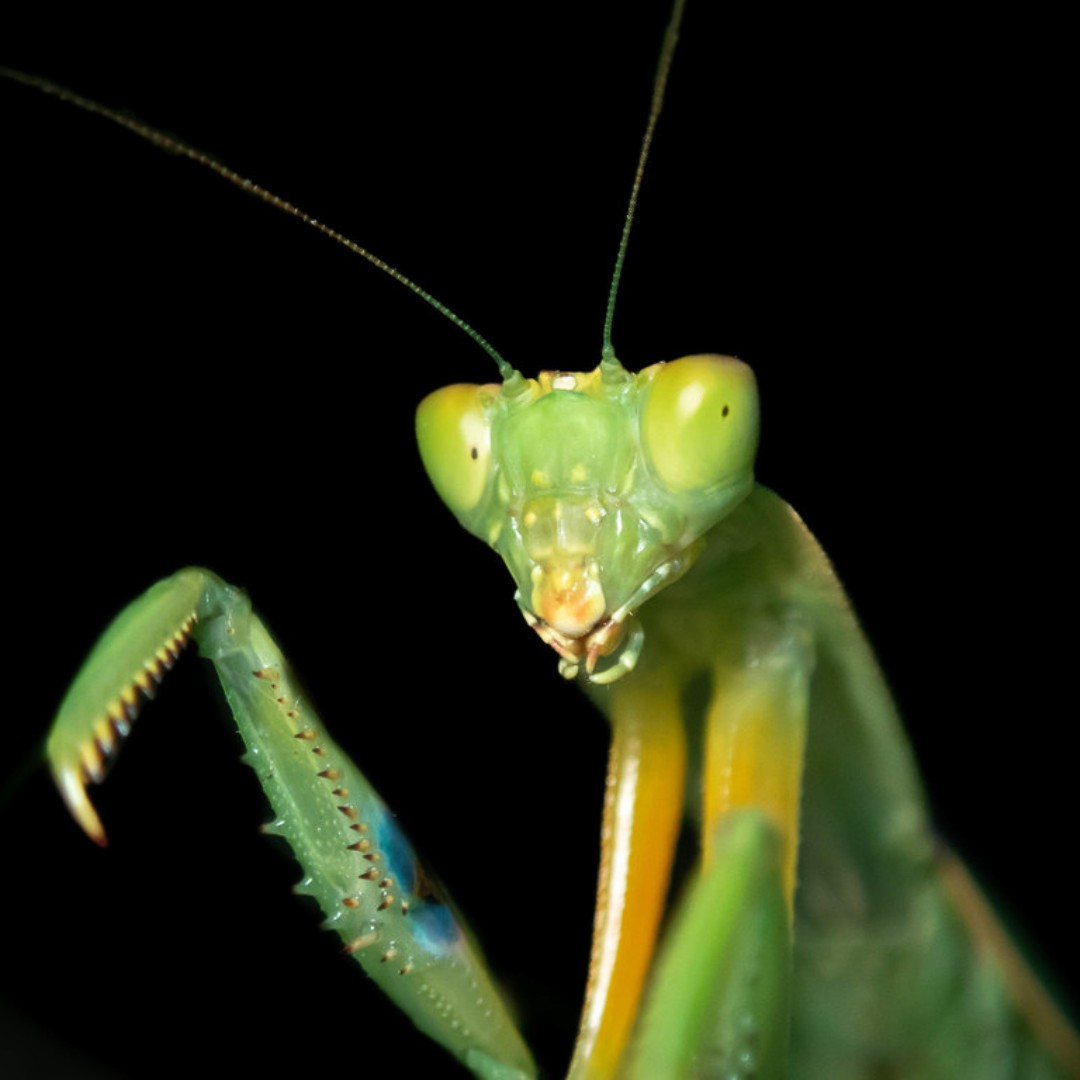
Do you know how to spot our native praying mantis? 🦗 One of the ways to tell is by the indigo-blue ‘eyespot’ on the inside of each of its forelegs. If you see this spot, you know that you’re seeing our endemic mantis. #BugOfTheYear https://t.co/zCYXbeUxky
It's International Zebra Day! The Zoo is home to four plains zebras, the most common zebra species found in eastern and southern Africa. Our herd are comprised of Layla (13) and her daughter N’yota (3), female Imka (6), and non-breeding male Muroki (14).
Flamingo breeding season is in full swing! The first chick of the season hatched 26th January, under flamingo foster parents Sharon and Gabriel. Over the next few days, the chick will stay nestled under the adults' feathers, gradually becoming more independent as it grows.
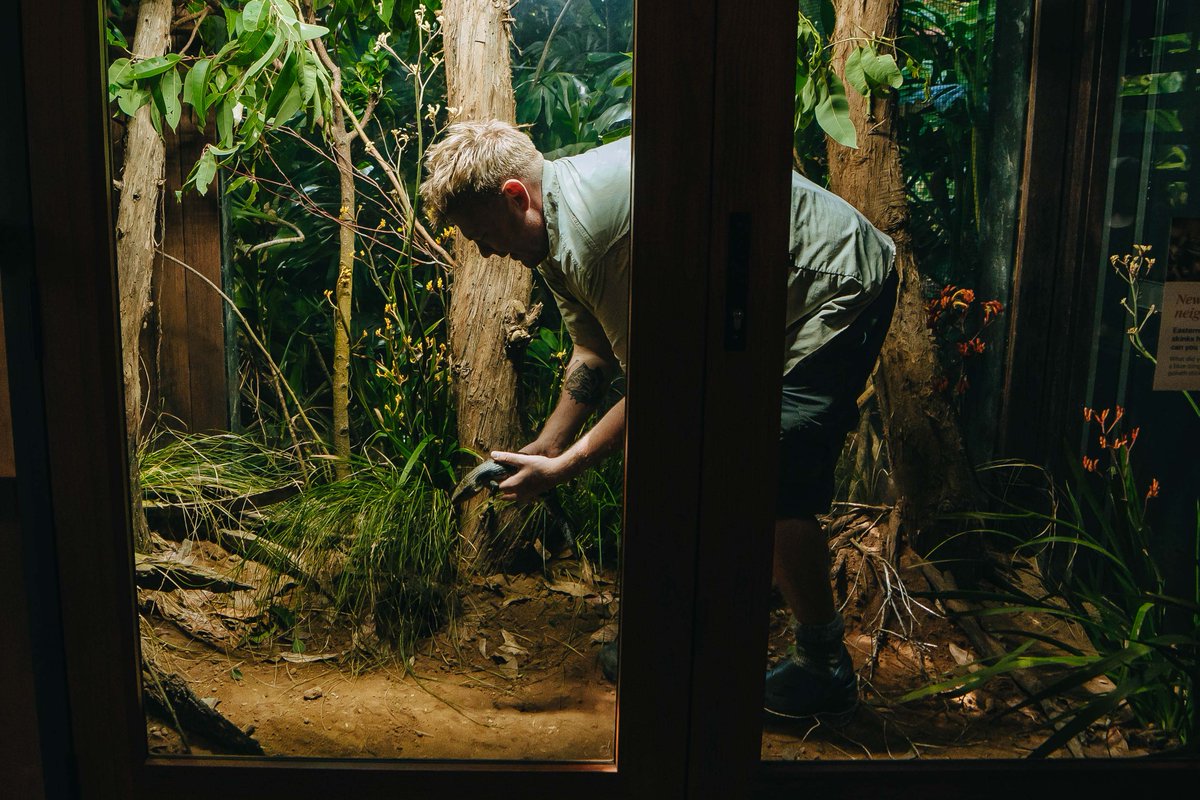
Eastern blue-tongued skink joins the Australian Bush Track! The goliath stick insect habitat has had a makeover—featuring the Eastern blue-tongue skink. Both can coexist within the habitat as stick insects are arboreal & live in trees & blue tongued skinks aren’t great climbers.