Charlotte Perriand: A Modern Trailblazer
The designer left an indelible mark on modernism, revolutionising the way spaces were conceived. @fundaciomiro celebrates this legacy.
Read More: https://t.co/AkAI8yjgrV
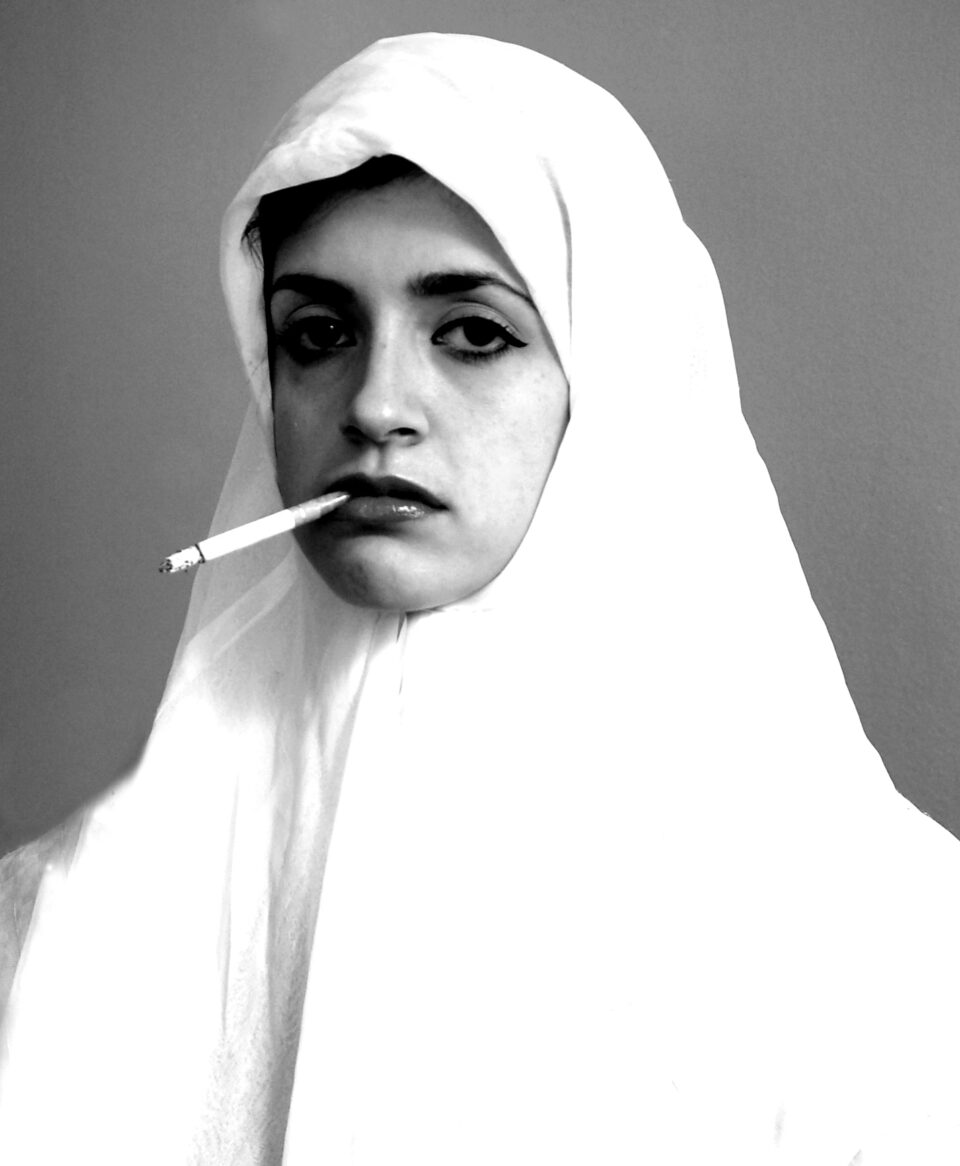
Sarah Maple explores the personal, political and powerful
@MuseumArnhem’s multidisciplinary presentation showcases Maple’s exploration of free expression in relation to cultural identity, religion and gender.
Read More: https://t.co/XYHf1nCFJu
"La marchesa di Ganges": intrighi, avidità e un delitto che ha attraversato i secoli. Nel giorno della nascita di Alexandre Dumas, una lettura che ricostruisce una delle più celebri vicende di cronaca nera della Francia del Seicento ⚖️📖
Ogni anno il Premio Strega aggiunge una nuova voce a una storia lunga quasi ottant’anni. In attesa del vincitore del Premio Strega 2026, uno sguardo ad alcuni dei romanzi che negli ultimi anni hanno lasciato il segno nella narrativa italiana 📚✨
Nel giorno dell’anniversario della nascita di Marcel Proust, "Un amore di Swann" ci riporta nel cuore della sua indagine più sottile: quella sui sentimenti, sul desiderio e sul tempo 📖🌹
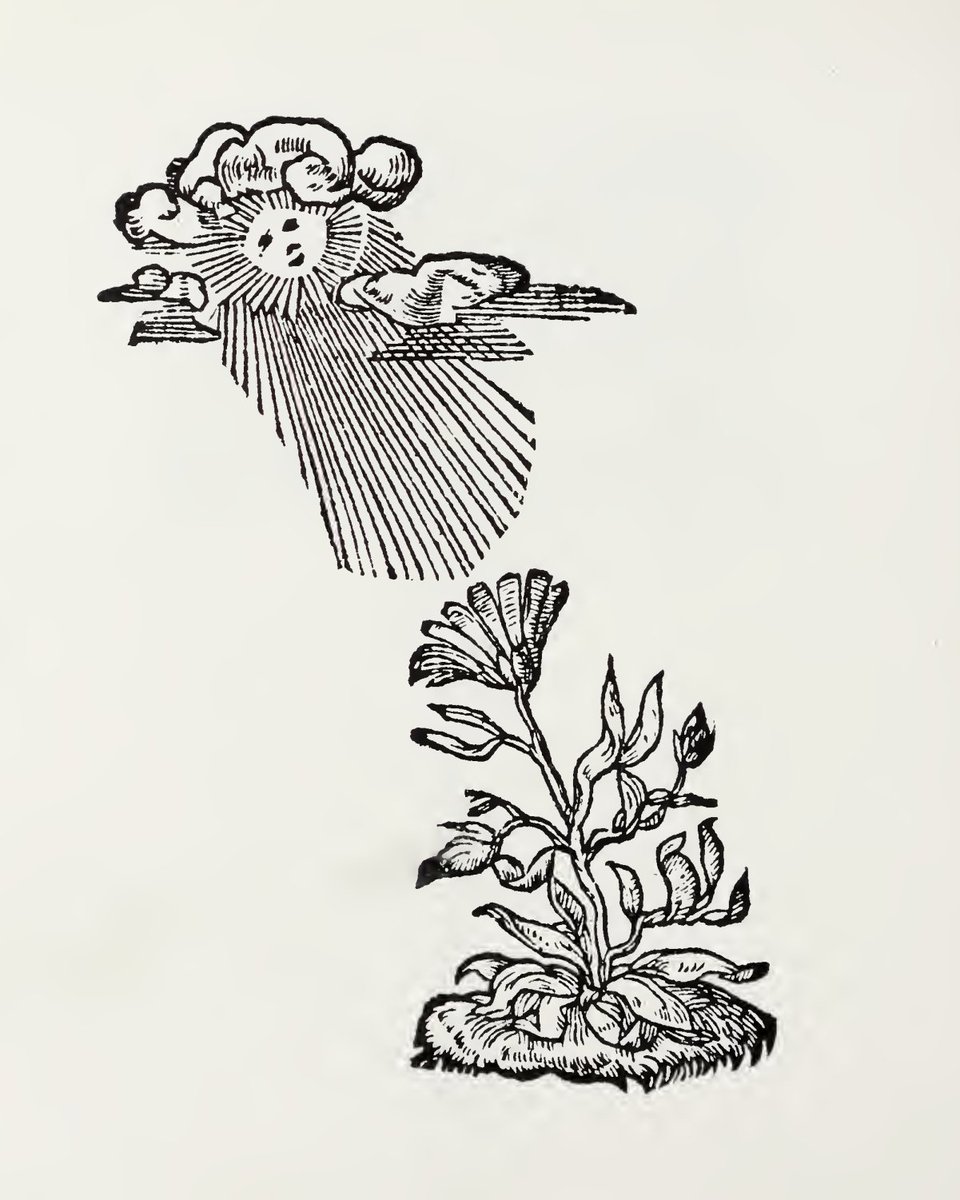
"Not having followed inferior things" - Non inferiora secutus
This flower appears on a page of the emblem book Devises héroïques, published in Lyon in 1557. Claude Paradin compiled the book, and its woodcuts are attributed to the era's Lyonnais master, Bernard Salomon. The emblem is the personal symbol of Marguerite, Queen of Navarre(1492-1549).
The emblem's motto, 'Non inferiora secutus,' isn't Paradin's original invention. It's a quote from line 170 of Book 6 in the Roman poet Virgil’s epic, the Aeneid. The line describes a warrior who faithfully accompanied Aeneas, saying he followed nothing inferior. So, the motto was originally written as a tribute to a warrior.
When Marguerite took this line and paired it with a flower turning toward the sun, the meaning shifted. According to Paradin's 1557 interpretation, the flower follows the sun from east to west, opening and closing based on the sun's altitude. Marguerite used this as a sign that she directed all her actions and thoughts toward God, the 'Great Sun of Justice.'
The meaning deepens within the language itself. Let me explain.
The flower in the image is a marigold. In French, it's called a 'souci.' And the second meaning of the word 'souci' is worry or concern. Marguerite’s life was built on two things: her brother, King Francis I, and her piety. The very name of the flower in her emblem is everyday worries themselves. The motto, in turn, says that these anxieties don't drag her down to inferior, vulgar things.
There's also an older echo from classical literature behind the flower..
In Book 4 of Ovid's Metamorphoses, the nymph Clytie, abandoned by the sun god Sol, takes root in the earth from constantly gazing at the god she loves, transforming into a heliotrope - a flower that turns to follow the sun. So, the image is of a woman taking root in the soil from staring endlessly at her beloved.. Marguerite took this figure and redirected it toward God.
This motif lived on in later generations.
In Mary Stuart’s Oxburgh Hangings, three marigolds turn toward the sun, surrounded again by the phrase 'Non inferiora secutus'. Paradin’s emblem thus evolved from a queen's personal symbol into a widely circulated icon of faith, loyalty, and resilience in early modern Europe.
In her novels, 2022 literature laureate Annie Ernaux uses simple, direct language to pick apart memories and society. Ernaux focuses on her experiences as a woman and gives dignity to the experiences of working-class women.
Read more: https://t.co/NMRqvrUrTx
#NobelPrize
Venere e Adone sono un tema caro a Tiziano che, dal 1565 in poi, realizza 7 tele con questo soggetto, oggi nei punti più disparati del mondo.
Anche Tiziano si focalizza sul momento prima della caccia: l'abbraccio di una Venere che cerca di trattenere l'amato prima della caccia che gli sarà fatale.
At the #BiennaleArte2026, the hunt for the Visitors’ Lions is on! Throughout the 61st International Art Exhibition, anyone visiting both venues – the Giardini and the Arsenale – can vote for the Best Participant of #InMinorKeys and for the Best National Participation. Who will claim the roar of victory? We will find it out on Sunday 22 November 2026, during the Awards Ceremony.
Check out how to cast your vote → https://t.co/VX5XZmlipF
Fundación Casa Wabi and ArtReview announce the ninth annual open-call residency prize for three artists/groups interested in cultural cross-pollination and wishing to enter a dialogue with the communities around Oaxaca, Mexico. Find out more and apply here https://t.co/1A7DuDqQqe