La vida sin memoria no es vida, así como inteligencia sin la capacidad de expresarla no es inteligencia.
-Neurofisiología del aprendizaje y la memoria. Plasticidad Neuronal (2010).
Vídeo || ¿Se le metió? Enfermera del IMSS colapsa en clínica 1 de Saltillo: se desconoce si fue por estrés, ansiedad o burnout, causando alarma entre trabajadores y pacientes
Este video muestra un embarazo con diástasis de rectos, una separación de los músculos abdominales muy común en la gestación. Al abrirse para dar espacio al útero, el vientre puede verse extremadamente redondo y prominente, algo sorprendente pero real.
Un niño sufre una gravísima convulsión epiléptica que no responde a la medicación, pero el doctor dice que el aceite de cannabis puede ayudar mucho a calmar el ataque.
Este vídeo muestra el efecto inmediato en una persona con epilepsia.
Do we need to rethink near-death experiences? What’s really happening in the brain? NDEs might be a hardwired coping strategy: the dissociation, calmness, and detachment when facing death may actually be an evolutionarily protective response. For decades, people have asked me: "Is there something happening in the brain when people have a near-death experience?" How does the brain, at the edge of life, produce the powerful, often mystical experiences so many people describe. New insights on the topic have just been published in Nature Reviews Neurology by Martial and colleagues.
Key Points:
- This study by Martial and colleagues offers a compelling neuroscientific model of near-death experiences (NDEs).
- The authors try to move us from spiritual speculation toward biological plausibility.
- If we rethink these experiences, we might also learn something crucial about human consciousness itself.
- NDEs seem to involve a cascade of neurophysiological and psychological processes.
- These events can be triggered by physiological crises like a cardiac arrest (heart attack).
- These experiences seem to be linked to massive releases of neurotransmitters (serotonin, dopamine, noradrenaline, GABA, endorphins).
- The default mode network, temporoparietal junction, and brainstem arousal systems may all play key roles.
- Serotonin (5-HT1A, 5-HT2A) and glutamate are particularly implicated in the peaceful feelings and vivid hallucinations.
- The authors review the newly proposed NEPTUNE model that actually frames NDEs as "evolutionarily conserved responses."
- These episodes may not just be 'brain failures.' Should we be thinking of them as potential survival mechanisms.
My take: Why does this matter? This paper bridges what we once pictured as the mystical with the medical. It helps us understand that NDEs are not a supernatural anomaly, but rather a biological response to an extreme crisis. These NDEs may have evolved to help the brain cope, survive, and even encode memory in the final seconds of life.
My 5 Key Takeaways:
1- NDEs may reflect a brain in survival mode. In other words, these experiences likely originate from complex brain activity, not from flatlining or from brain inactivity.
2- REM intrusion, not just hypoxia, plays a role. The features of REM sleep (like atonia and vivid dreams) can possibly intrude into waking consciousness, helping explain out-of-body sensations.
3- Neurotransmitter surges may create mystical content. The massive releases of serotonin and dopamine can produce hyper-reality, hallucinations, and euphoria. These effects are similar to what is observed when using psychedelics.
4- NDEs might be a hardwired coping strategy. Think about it: the dissociation, calmness, and detachment when facing death may be evolutionarily protective responses. Ever heard the terms: playing dead or thanatosis.
5- We must rethink brain death and consciousness Brain activity may persist or surge briefly after cardiac arrest, suggesting we have much more to learn about when and how consciousness truly ends.
What is the bottom line? As we edge closer to understanding the neural basis of NDEs, we also open doors to new insights into the biology of consciousness. What we once attributed to metaphysics may now be understood as neurophysics. Let’s keep asking bold questions. Because understanding near-death may bring us closer to understanding what it means to be fully alive.
https://t.co/OmxqDunaFB
#Consciousness #Neuroscience #NearDeathExperience #Neurology #Serotonin #NDE #BrainScience #NatureNeuro #NEPTUNEModel
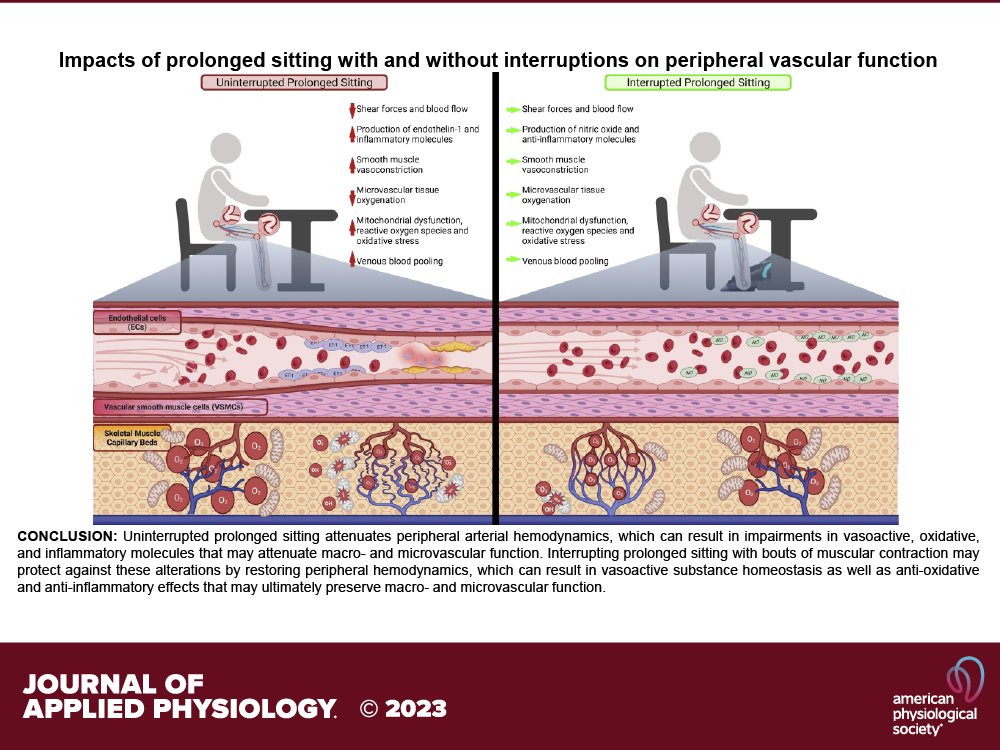
🛑 Sentarte más de 1h genera alteraciones hemodinámicas clave: disminuye el flujo en arterias femorales y poplíteas, activa estrés oxidativo y reduce óxido nítrico.
Resultado: Entorno perfecto para aterosclerosis.
Solución: Contracciones musculares intermitentes!
#Levántate 🤸
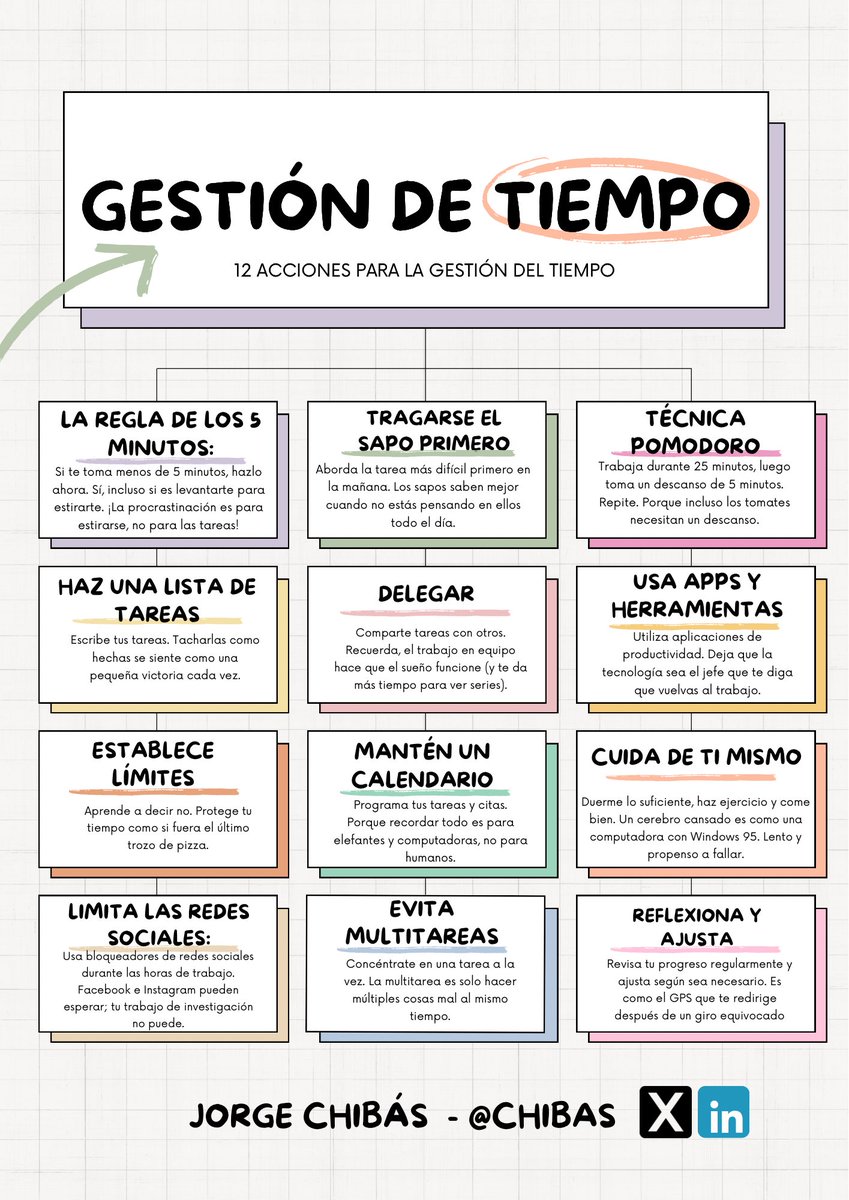
Google Drive tiene más de 2 mil millones de usuarios activos.
Pero la mayoría de las personas no saben cómo utilizar Google Drive correctamente.
12 trucos desconocidos para que exprimas al máximo su potencial.
(🔖Guarda para más tarde)
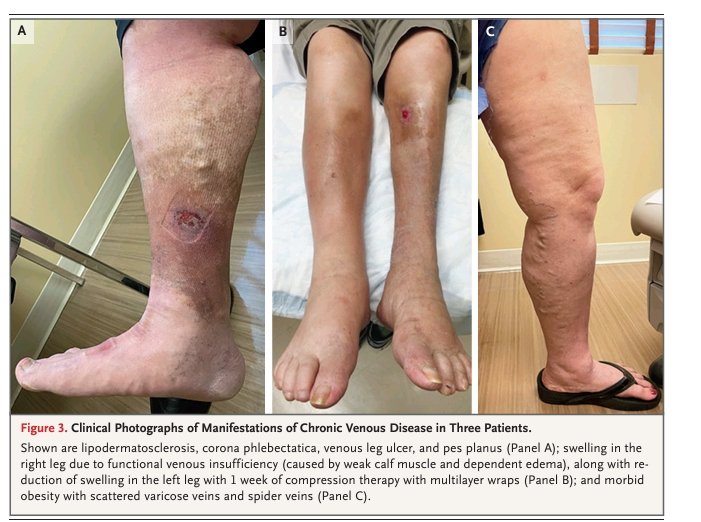
🚨Tratamiento no quirúrgico de la insuficiencia venosa crónica✅Publicado el 18 de diciembre de 2024
N Engl J Med 2024 ; 391 : 2350 - 2359
✅https://t.co/NOoNGwt2FV
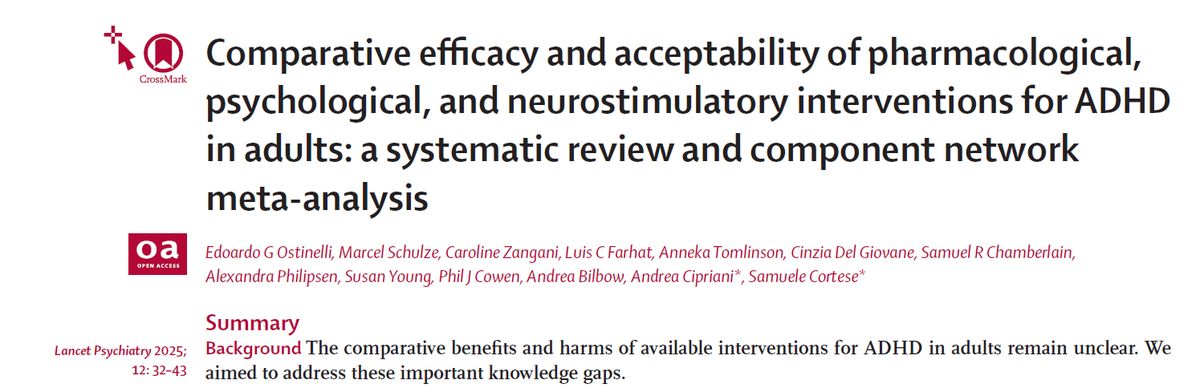
📢 El tratamiento del #TDAH en adultos es un tema complejo.
Un análisis reciente en @TheLancet revisó 113 estudios con más de 14,000 participantes, comparando medicamentos, terapias psicológicas y neuroestimulación 🧠. Esto es lo que reportaron:
Abro 🧵