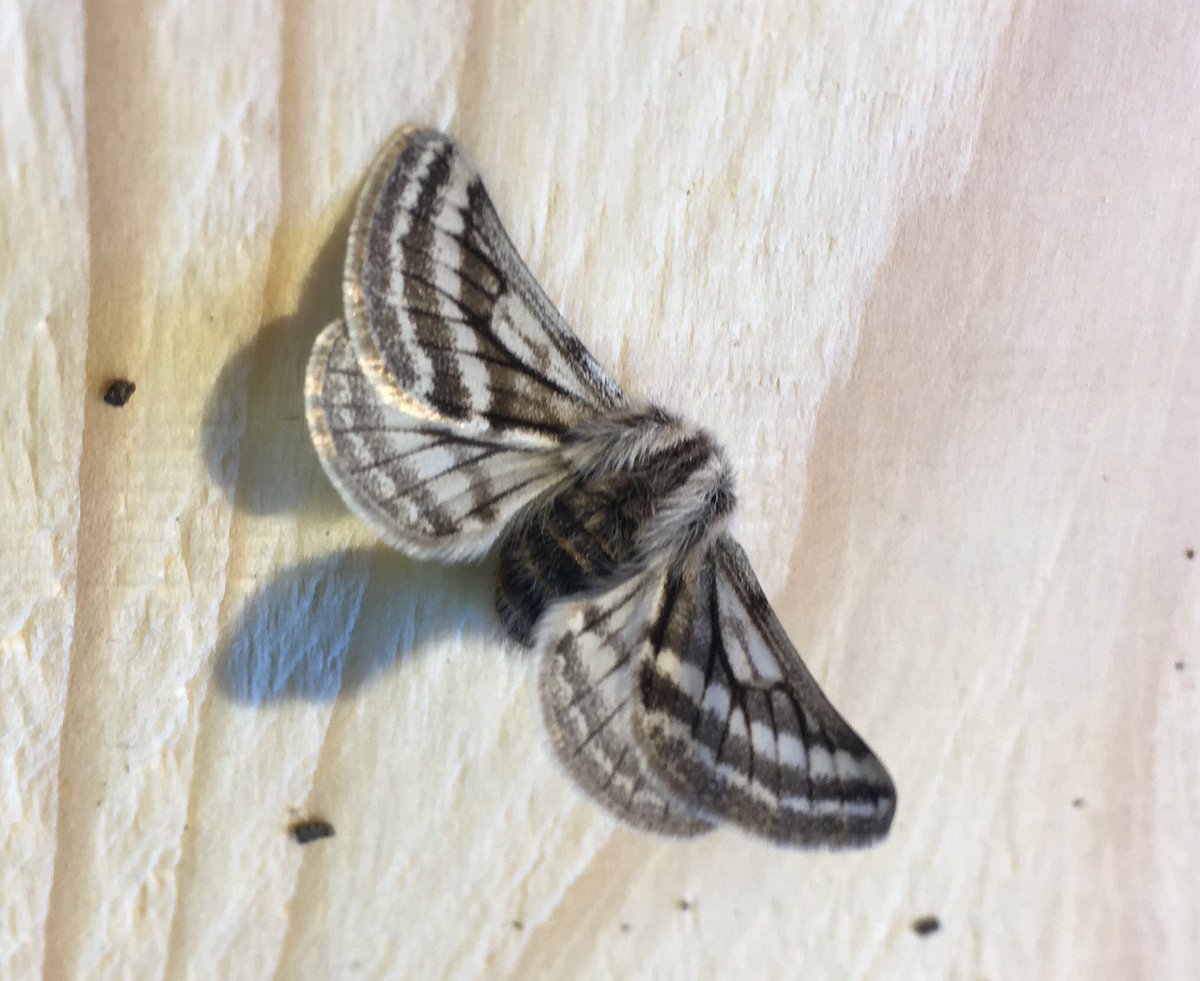
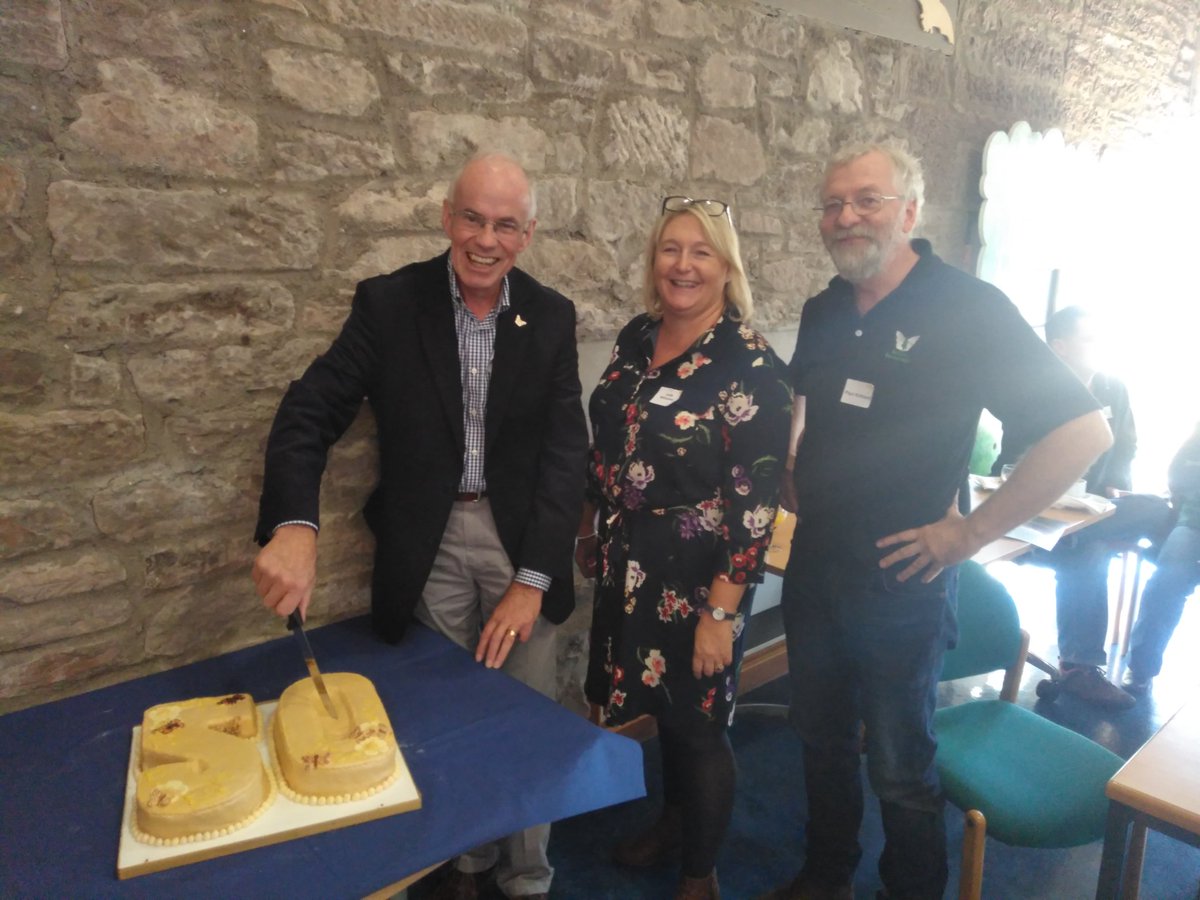
BC's Russel Hobson highlighting all our moth conservation successes over the last 50 yrs, like @BC_Highland@BC_Scotland protecting the UK’s last colony of New Forest Burnet moths on the west coast of Scotland. So why do moths matter? Take a look: https://t.co/hu6CamhzK2 #BCAGM
The northern brown argus butterfly, Aricia artaxerxes, Edinburgh's butterfly. A tale of discovery, loss & recolonisation. The Butterfly Effect: stories through butterfly eyes by @anthonymcc85 of Butterfly Conservation @savebutterflies. #butterfly#insects#Edinburgh#PUESIG18
Narrow-winged Pug.Caterpillars that were well-camouflaged when their foodplant was fresh now risk standing out because they are too bright a green.The purplish pink form, is more frequently in areas of bell heather matching the flowers. #creditRLeverton#teammoth@savebutterflies
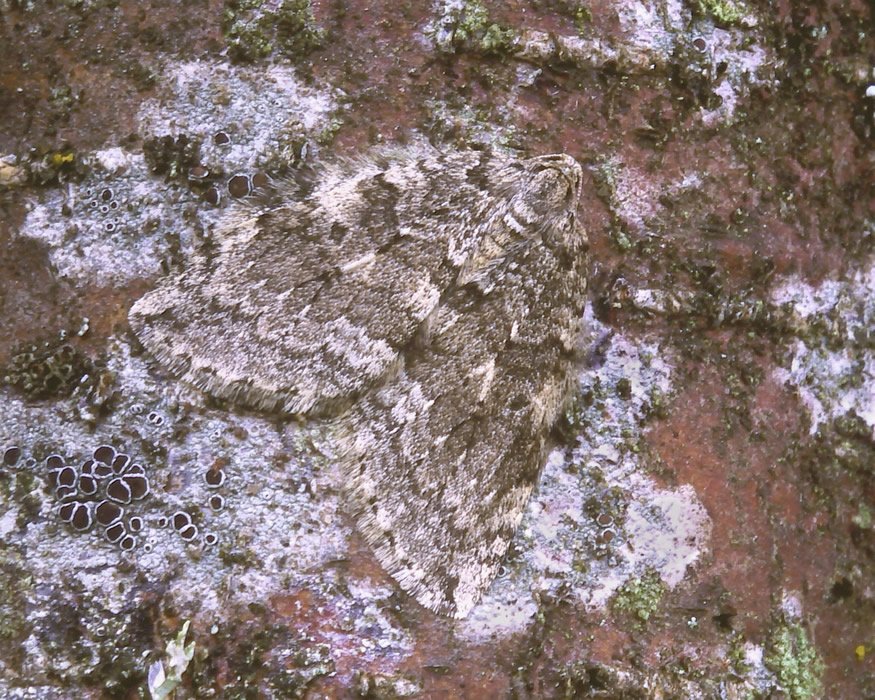
Spruce Carpet. Spruces are the main larval foodplant, though other firs and pines are also used. There are two broods per year, both broods of similar size in southern England, in our area the autumn brood is by far the more numerous. #creditRLeverton#teammoth@savebutterflies
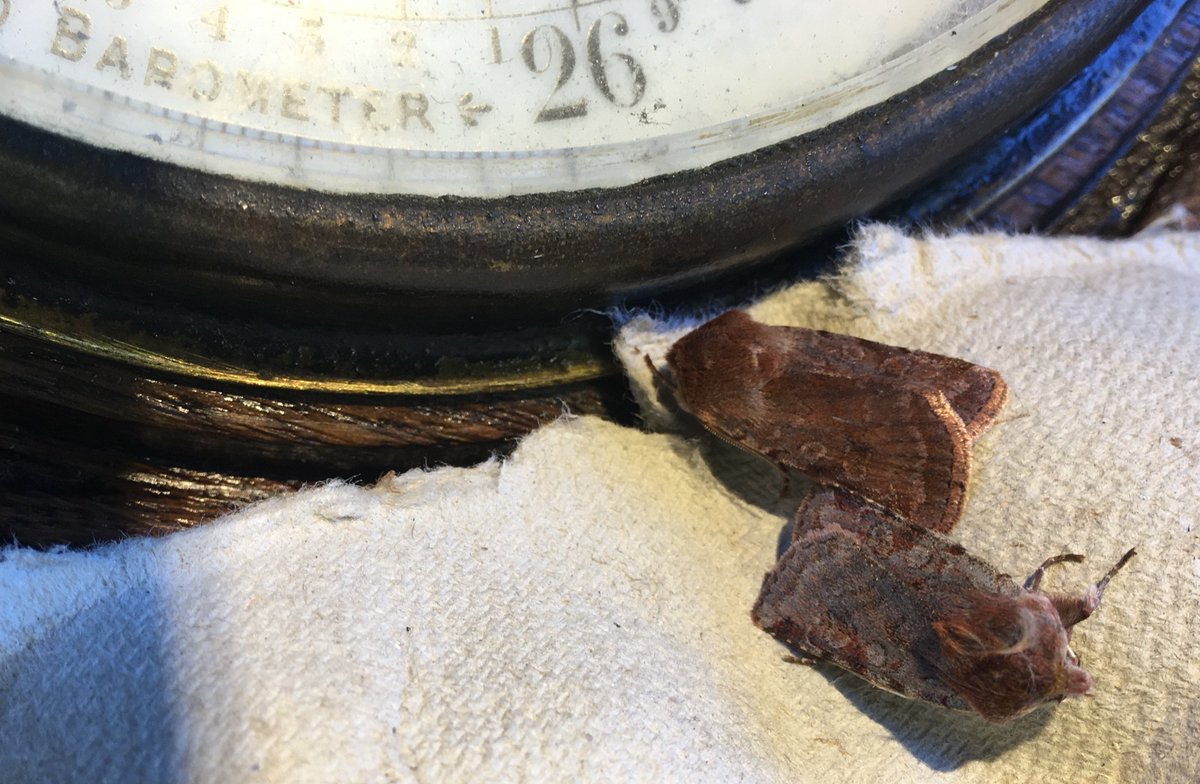
November Moth. The Epirrita genus comprises four species so similar that they are forever being confused. November Moth is the most widespread and numerous of the group, found almost everywhere there are deciduous trees. #creditRLeverton#teammoth@savebutterflies
Grey Dagger. Although it has some preference for rosaceous trees and shrubs, it can also use a wide variety of other trees such as birch. Its larva is a regular autumn find in gardens both rural and urban. #creditRLeverton#teammoth@savebutterflies
The secret nightlife and ecological role of moths
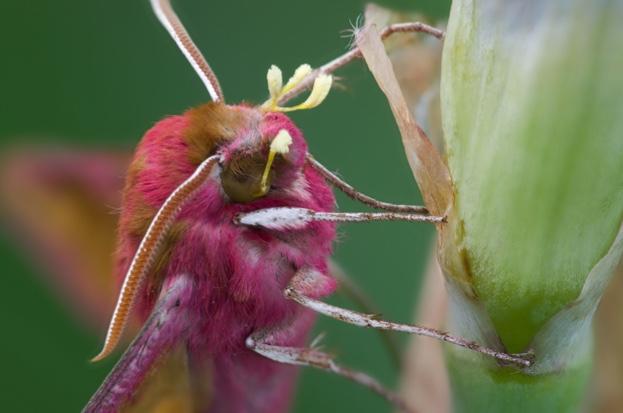
New research reveals that we have been underestimating the importance of moths as pollinators: https://t.co/eqkQJGwOVT
📷 John Bebbington
Lunar Underwing. The flight period is quite short, during September and early October. The adult is mainly seen at light, but also feeds on overripe berries after dark, including those of elder. #creditRLeverton#teammoth@savebutterflies
Narrow-winged Pug.Caterpillars that were well-camouflaged when their foodplant was fresh now risk standing out because they are too bright a green.The purplish pink form, is more frequently in areas of bell heather matching the flowers. #creditRLeverton#teammoth@savebutterflies
Scalloped Hazel varies considerably in colour and pattern, to mimic more closely the twigs of its foodplant. This striking 'lichened' form only appears in the final instar and only in response to living on a lichen covered background. #creditRLeverton#teammoth@savebutterflies
Brindled Plume is not often encountered in our area. May partly be due to its secretive habits. Hedge woundwort growing in damp shady places is the usual larval foodplant, and in northern Scotland there is probably only a single brood. #creditRLeverton#teammoth@savebutterflies
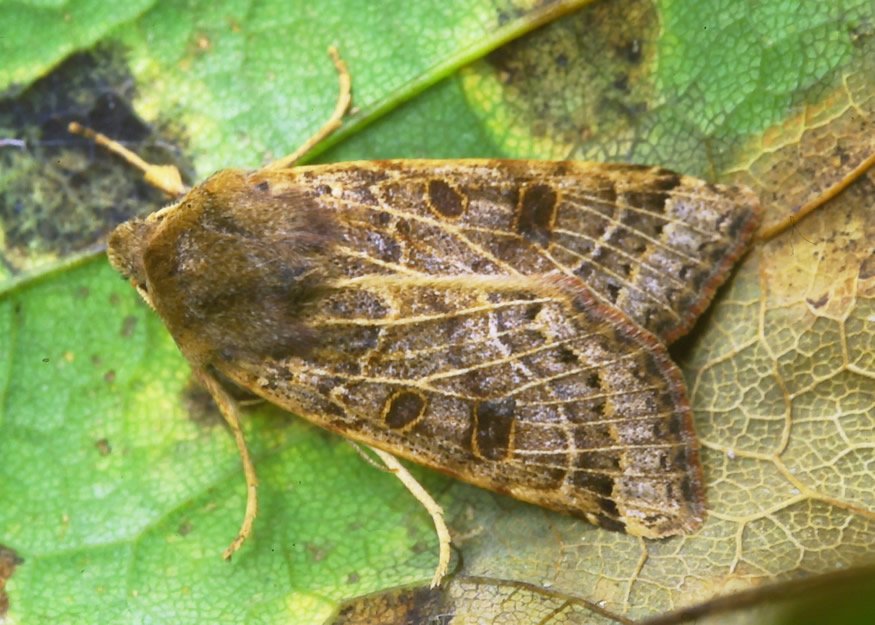
Dusky-lemon Sallow. Dependence on Wych Elm explains why Dusky-lemon Sallow has suffered a major decline in recent decades, as more and more of these trees have been lost to Dutch Elm Disease. #creditRLeverton#teammoth@savebutterflies
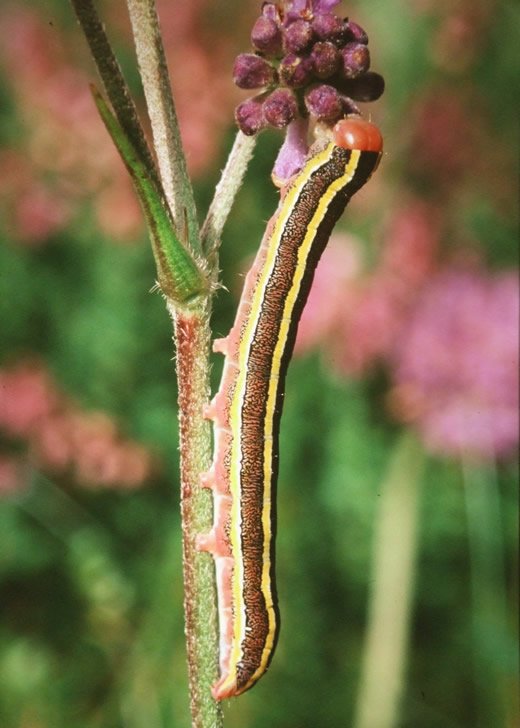
Broom Moth.The striking colours and pattern of the Broom Moth caterpillar probably combine elements of disruptive and warning camouflage, as sometimes feeds quite openly by day. Whether it is indeed unpalatable is unclear.
#creditRLeverton#teammoth@savebutterflies
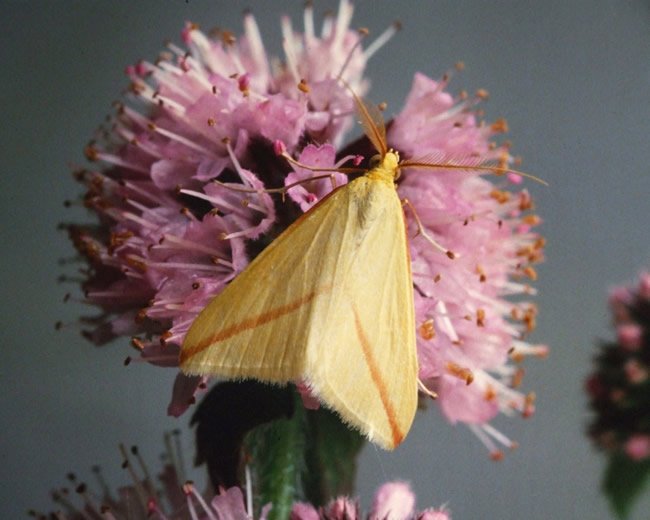
The Vestal. This delicate little moth is a regular migrant to southern Britain, sometimes breeding in stubble fields during hot summers. It is scarcer northwards and not annual in our area, but a few reach Shetland on southerly winds. #creditRLeverton#teammoth@savebutterflies
Pink-barred Sallow. Shows that even cryptic species can be colourful, especially in autumn. The adult sits exposed on foliage and can easily be overlooked at this time of year.#creditRLeverton#teammoth@savebutterflies