Big dreams moment 👇
If you could play ANY venue in the world… where are you choosing?
🎤 And what kind of crowd are you walking out to?
#BandMix#DreamGig#LiveMusic
Adore After Dark uses ‘musician Tinder’ to complete band
“We had made a few songs, but we never had a drummer. I got an email one day from BandMix, which is basically musician Tinder, and it says Nathan Harza, Bowling Green,” said bassist Andrew Garcia. “We shared similar musical interests, so he kind of just fell into our lap.”
Read the full article here: https://t.co/veejzyV4I4
#bandmix #musicianswanted
🎸 https://t.co/EWvfnZA153
Every band eventually runs into it.
One person is booking the gigs.
One person is promoting the shows.
One person is organizing rehearsals, answering messages, learning material, and trying to keep everything moving forward.
Meanwhile someone else is:
🎤 Showing up unprepared
🥁 Missing rehearsals
🎸 Ignoring responsibilities
📱 Doing little beyond simply showing up
That imbalance builds frustration fast.
The tricky part is that most bands are also friendships, which makes these conversations uncomfortable. A lot of musicians avoid addressing the issue because they don’t want drama — but avoiding it usually creates more tension, not less. (https://t.co/vEVoEwoV07)
The healthiest bands tend to handle these situations early and directly:
✔ Honest conversations
✔ Clear expectations
✔ Defined responsibilities
✔ Accountability for everyone
Sometimes the issue is burnout or personal stress. Other times, it’s simply that different members have very different goals for the band. One person wants casual weekend jams while another is trying to build something serious.
That mismatch matters.
One thing experienced musicians learn over time is that talent alone doesn’t hold bands together. Reliability, communication, preparation, and shared effort matter just as much as musical ability. In fact, many musicians say they’d rather work with someone dependable than someone incredibly talented but impossible to count on.
And honestly, every band eventually has to decide:
Are we just hanging out and playing music… or are we trying to move forward together?
There’s no wrong answer — but everyone needs to be on the same page.
The strongest groups usually aren’t the ones without problems. They’re the ones willing to address problems before resentment takes over.
Because once frustration turns into silence, bands tend to fall apart quietly long before they officially break up. (https://t.co/vEVoEwoV07)
👉 https://t.co/EWvfnZA153
#BandLife #Musicians #StartABand #MusicCommunity #GigLife #LocalMusic #Guitarist #Drummer #Singer #IndependentMusician #BandPractice #MusicNetworking #BandMix
🎶 https://t.co/VRig5uSiHg
Every band dreams about having the perfect rehearsal setup.
A huge soundproof room. Great acoustics. Permanent gear setup. No neighbors complaining. No rushing to unload equipment before practice even starts.
But the reality for most musicians is a little different:
🥁 Crowded garages
🎸 Spare bedrooms
🔊 Volume complaints
💸 Expensive rehearsal studios
The good news? A great rehearsal space doesn’t have to be expensive to be effective.
A lot of bands make serious progress in spaces that are far from glamorous because consistency matters more than perfection. Some of the best budget rehearsal hacks are surprisingly simple:
🎧 Using electronic drums or amp modelers to control volume
🏠 Turning basements, garages, or spare rooms into practice areas
⛪ Checking churches, community centers, or schools for unused rooms
🤝 Sharing rehearsal spaces and splitting costs with other bands
🌳 Even rehearsing outdoors when weather allows
Sometimes creativity solves problems money can’t.
And honestly, one overlooked part of keeping rehearsal costs down is finding musicians who are equally motivated. Nothing drains momentum faster than paying for rehearsal time while half the band cancels or shows up unprepared.
The bands that grow usually figure out how to make the most of what they have:
✔ Better preparation
✔ Better communication
✔ Smarter setups
✔ Consistent rehearsals
Because at the end of the day, the expensive studio doesn’t make the band tighter — the repetition does.
Whether you’re rehearsing in a garage, a basement, a storage unit, or a shared community space, the important thing is showing up and continuing to build something together.
👉 https://t.co/VRig5uSiHg
#BandLife #Musicians #RehearsalSpace #LocalMusic #StartABand #GigLife #IndependentMusicians #GarageBand #MusicCommunity #Drummer #Guitarist #Singer #BandPractice #MusicLife
Every musician has a starting point 👇
What got YOU into music?
Was it a band, a song, a family member… or something random?
Let’s hear your story ⬇️
#BandMix#MusicianStories#WhyWePlay#MusicLife
🎸 https://t.co/Q6onSoKD7j
Starting a band is exciting.
Everything feels easy in the beginning — shared influences, late-night rehearsals, big plans, inside jokes, and the feeling that you’re building something together. Most groups never imagine they’ll eventually argue about money, songwriting credits, gear, schedules, or even the band name itself.
But that’s exactly why band agreements matter.
Not because you don’t trust each other. Because you want the friendships to survive if things ever get complicated.
A lot of bands avoid these conversations because they feel awkward:
🎶 Who owns the songs?
💰 How is money divided?
🎤 What happens if someone leaves?
📅 What level of commitment is expected?
🎸 Who controls the band name and social accounts?
The reality is that unclear expectations create more tension than honest conversations ever will.
And it’s not just famous bands that run into problems. Local bands deal with this stuff constantly — especially once gigs, recordings, merchandise, or real momentum enter the picture. Even small misunderstandings can turn into long-term resentment when nobody ever discussed the details upfront.
The strongest bands often treat themselves like both a creative project and a team business. That doesn’t kill the vibe — it protects it.
A simple written agreement can actually reduce stress because everyone knows where they stand. It keeps minor disagreements from becoming friendship-ending fights later.
And honestly, having these conversations early is usually a sign the band is serious about lasting.
Whether you’re forming a new project, joining an existing one, or rebuilding after lineup changes, finding musicians who share the same expectations matters just as much as finding musicians who share your taste in music.
👉 https://t.co/Q6onSoKD7j
#BandLife #Musicians #StartABand #MusicCommunity #IndependentMusic #GigLife #Songwriters #Guitarist #Drummer #Singer #LocalMusic #BandPractice #MusicIndustryTips #BandMix
🎸 https://t.co/Q6onSoKD7j
Starting a band with friends is exciting.
Everything feels easy in the beginning — shared influences, late-night rehearsals, big plans, inside jokes, and the feeling that you’re building something together. Most groups never imagine they’ll eventually argue about money, songwriting credits, gear, schedules, or even the band name itself.
But that’s exactly why band agreements matter.
Not because you don’t trust each other.
Because you want the friendships to survive if things ever get complicated.
A lot of bands avoid these conversations because they feel awkward:
🎶 Who owns the songs?
💰 How is money divided?
🎤 What happens if someone leaves?
📅 What level of commitment is expected?
🎸 Who controls the band name and social accounts?
The reality is that unclear expectations create more tension than honest conversations ever will.
And it’s not just famous bands that run into problems. Local bands deal with this stuff constantly — especially once gigs, recordings, merchandise, or real momentum enter the picture. Even small misunderstandings can turn into long-term resentment when nobody ever discussed the details upfront.
The strongest bands often treat themselves like both a creative project and a team business. That doesn’t kill the vibe — it protects it.
A simple written agreement can actually reduce stress because everyone knows where they stand. It keeps minor disagreements from becoming friendship-ending fights later.
And honestly, having these conversations early is usually a sign the band is serious about lasting.
Whether you’re forming a new project, joining an existing one, or rebuilding after lineup changes, finding musicians who share the same expectations matters just as much as finding musicians who share your taste in music.
👉 https://t.co/Q6onSoKD7j
#BandLife #Musicians #StartABand #MusicCommunity #IndependentMusic #GigLife #Songwriters #Guitarist #Drummer #Singer #LocalMusic #BandPractice #MusicIndustryTips #BandMix
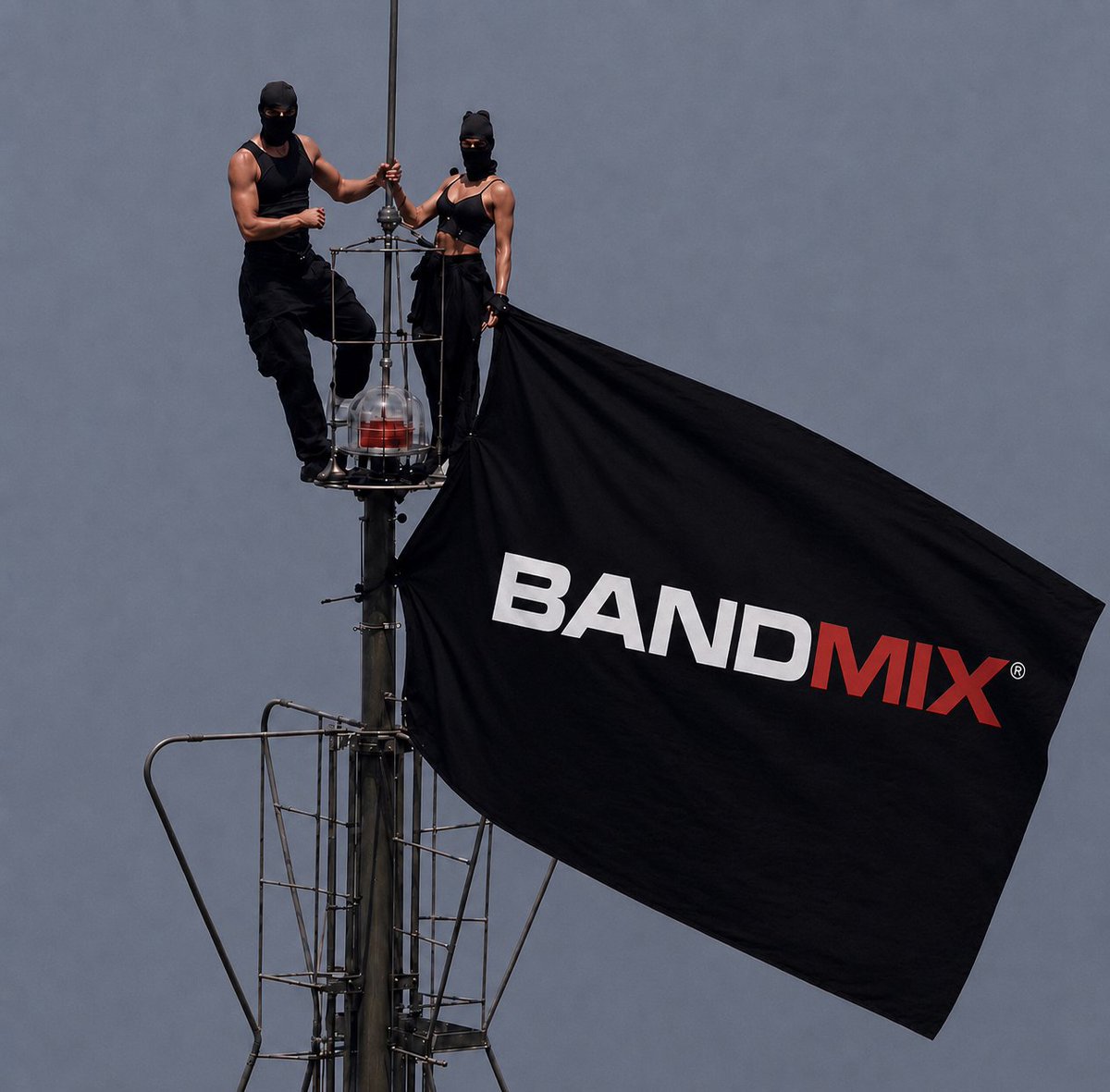
We considered hanging a BandMix flag from the top of the Empire State Building...
Then we remembered we can reach millions of musicians without getting arrested. 😂
We'll go to just about any lengths to help talented musicians find each other—but we'll stick to doing it online.
🎸 Looking for a band?
🎤 Need a singer?
🥁 Searching for a drummer?
Your next bandmate is probably already on BandMix.
Join today and start making music.
#BandMix #FindYourBand #Musicians #BandLife #Singer #Guitar #Drums #Bass #MusicCommunity #GigLife #JamSession #OriginalMusic #Rock #Country #Metal #Indie #LiveMusic #MusicianLife #MusicMemes