This #WorldFoodDay, too many parents will ask: How will I feed my children?
Through child sponsorship, World Vision works alongside communities to improve access to clean water and nutritious food, helping families build a more secure future.
Learn more: https://t.co/0Cc1KGivB3
Today, on International #DayoftheGirl, we celebrate the potential in girls everywhere and renew our commitment to removing the barriers standing in their way.
Discover how you can help girls stay safe, stay in school, and pursue their God-given potential: https://t.co/9bz1gwFv7c
Every act of kindness, every prayer, every time you show up for someone—it matters. Through God’s love at work in us, small beginnings can grow into lasting change for children and families.🌱
📖 In Thirsty for a Miracle, @DrGregAllgood shares what he’s learned from a career dedicated to ending the global water crisis.
Thirsty for a Miracle is available now, and ALL proceeds support World Vision’s water programs!
Order your copy today.🧡 https://t.co/kSTAalfDMw
AI is making viruses and bio weapons.
Foreshadowing the plagues we see in the seals.
Everything we are watching right now can be linked to a judgment, chapter or verse in Revelation.
Turn to Christ.
https://t.co/RacGoG0fZH
Prayer doesn’t have to wait for the right words, the right moment, or the right circumstances.🙏
In joy and in heartbreak, in certainty and in waiting, Scripture gives us a simple invitation: keep praying.
A Pennsylvania farmer chose preservation over profit after turning down an offer worth about $15.7 million for his land.
Mervin Raudabaugh, who owns 261 acres of farmland in Silver Spring Township, was offered around $60,000 per acre by developers interested in building a data center. Rather than accept the multimillion dollar deal, he sold the development rights to the Lancaster Farmland Trust for just under $2 million. This decision permanently protects the land for agricultural use.
Raudabaugh said protecting his farms was more important than the money. He also expressed concern about the loss of wildlife habitat and the increasing amount of farmland being converted for development.
As artificial intelligence continues to expand across the United States, demand for data centers is rising rapidly. These facilities require significant amounts of land, electricity, water, and cooling infrastructure. Because of this, developers are increasingly choosing farmland located near power supplies and population centers.
Many farmers face financial pressures from rising costs and uncertain markets, making lucrative offers difficult to refuse. However, once farmland is developed, it is rarely restored to agricultural use.
Raudabaugh believes preserving farmland is essential for the future and worries that protected land may eventually be all that remains.
Credit: Fortune, “Farmer turns down $15.7 million offer from data center developers.”
Building more data centers can come at a cost for local wildlife
Large developments can break up habitats and force wildlife animals out of the places where they live and raise their young
Could AI data centres be making nearby areas hotter?
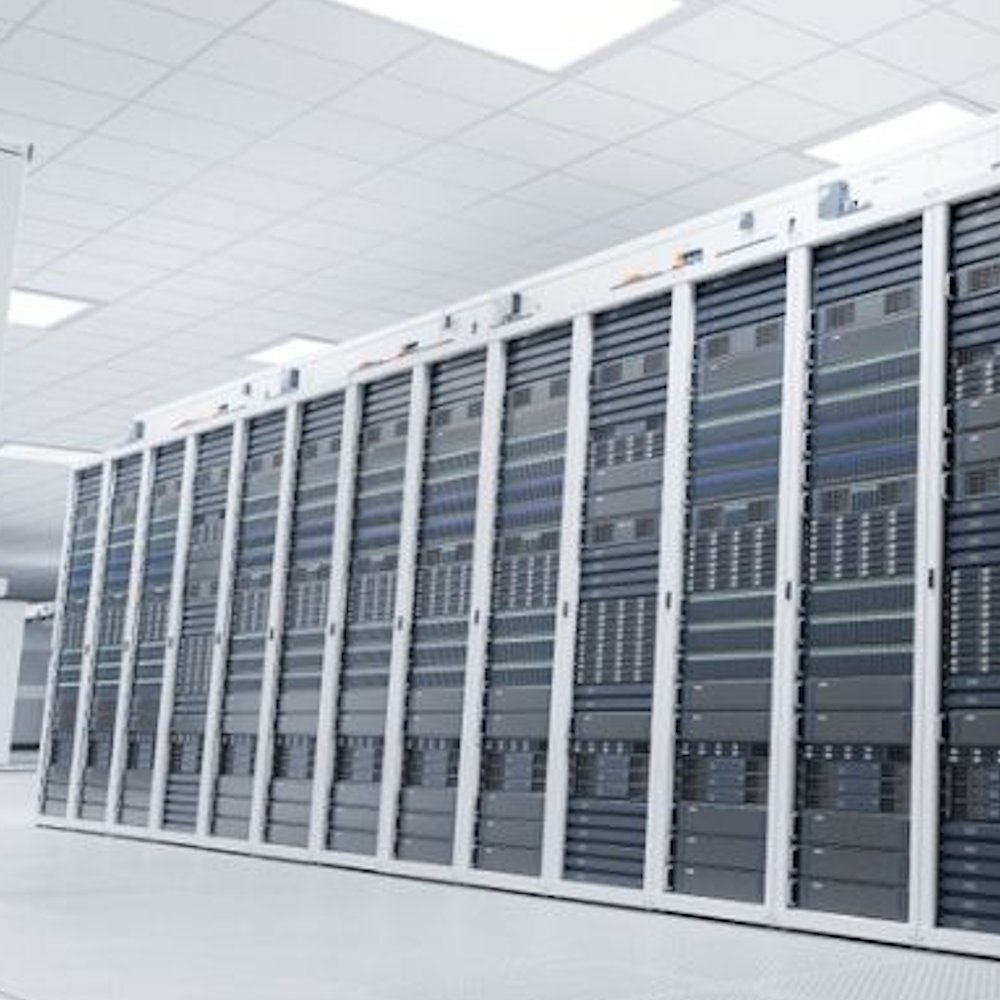
A new research paper suggests that large-scale AI data centres may be creating a previously overlooked environmental impact known as the “data heat island effect.”
Researchers examined two decades of NASA satellite temperature data around more than 6,000 data centres worldwide. Their analysis found that areas surrounding many facilities experienced noticeable increases in land surface temperatures after operations began.
On average, temperatures rose by around 2°C (3.6°F), while some locations saw increases of more than 9°C (16°F). The warming wasn’t confined to the data centre sites themselves evidence suggests the effect could extend as far as 10 kilometres (6.2 miles) from certain facilities.
Data centres generate significant amounts of heat because thousands of servers operate around the clock. The powerful processors used for AI workloads require vast amounts of electricity, and although cooling systems remove heat from the equipment, much of that energy is ultimately released into the surrounding environment.
The findings are particularly relevant as new data centres are increasingly being built in regions already facing challenges such as rising temperatures, water shortages, growing energy demand, and pressure on ageing electricity infrastructure.
Researchers caution that the impact is unlikely to be the same everywhere. Factors such as climate, facility size, cooling technology, local land use, and energy sources can all influence the extent of any warming effect. Additionally, the study is currently a preprint and has not yet undergone peer review.
Nevertheless, the research adds an important new perspective to ongoing discussions about the environmental footprint of expanding AI infrastructure.
Source: “The Data Heat Island Effect: Quantifying the Impact of AI Data Centers in a Warming World.”