An unbelievably great movie. Watched for film class. So emotional, infused with unspoken feelings. And a time capsule. Was just thinking about it last night.
✍️A TNT shortage, a world at war and why an obscure factory next to a Sheffield fast fashion warehouse could help explain how to reindustrialise Britain.
An essay on the new Chancellor, the old Chancellor and whether anyone can turn our economy around👇 https://t.co/352WbGmOVr
Cagney was fantastic in One, Two, Three. His ratatat style was perfect for the frenetic pace of the movie. Another his style really worked in was Love Me or Leave Me.
Steven Spielberg saw Stanley Kubrick for the first time in 1980 while he was building sets for "The Shining" (1980). After the movie was released, Spielberg went to Kubrick's house for dinner. Kubrick asked him if he liked the movie. Spielberg, who didn't like the movie in the first viewing, started to tell Kubrick all the things he liked about the movie, rather than telling that he didn't like the movie.
Kubrick saw right through him and said, "Steven, you obviously didn't like my picture very much". Spielberg replied, "There is a lot of things that I like about the picture". Kubrick stopped him and said, "But there is a lot of things you didn't love about the picture, probably a lot more that you didn't than did. So tell me what you didn't like about it."
Spielberg pinpointed Jack Nicholson's performance. He called him a "great actor" and a "great performance", but a "Great Kabuki Performance", almost like Kabuki theater. Kubrick then asked, "You mean you think Jack went over the top?". Spielberg replied affirmatively.
Kubrick then asked Spielberg to name his top 5 favourite actors of all time without thinking much. Spielberg listed Spencer Tracy, Henry Fonda, James Stewart, Cary Grant and Clark Gable. Kubrick said, "Stop" & questioned, "Where was James Cagney on that list?" Spielberg said that he is up there high, Kubrick then said, "But not in the top 5".
Finally Kubrick said," You don't consider James Cagney as one of the 5 best actors around, but I do. This is why Jack Nicholson's performance is a great one."
Since then, Spielberg has caw "The Shining" more than 25 times & considers it one of his favourite pictures.
P.S: Remembering the legendary American actor James Cagney on his 127th birthday!
Clip from:
One, Two, Three (1961)
Director: Billy Wilder
Dead Again a terrific movie. Shocked it's not more highly regarded. Great plot, mystery and time travel rolled into one, and great performances by amazing cast.
Fri. at the AC!
THE ODYSSEY (2026) @odysseymovie 70mm
Multiple Showings at the Aero + Directors Village
35th Anniversary! DEAD AGAIN (1991) in 35mm + Q&A 7pm LF3
BARRIO TRISTE (2025) 10pm LF3
https://t.co/GA1KJ5zNaC
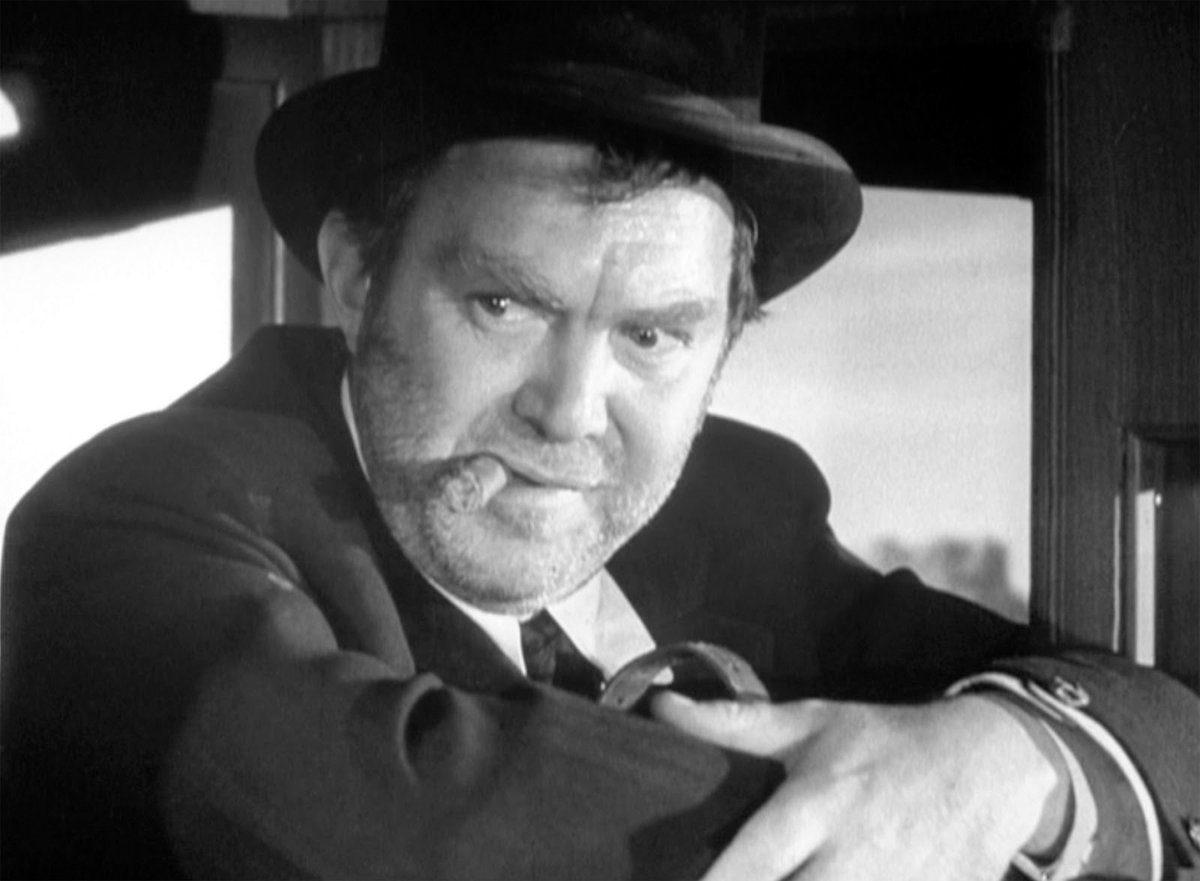
Remembering Thomas Mitchell Born July 11, in 1892.
Over 100 roles including Gone with the Wind, Stagecoach, Mr Smith Goes to Washington, It's a Wonderful Life, Destry, Lost Horizon, High Noon, The Black Swan, Only Angels Have Wings, Pocketful of Miracles.
Did You Know? Thomas Mitchell was the first male actor to achieve the Triple Crown of Acting, winning an Academy Award for Stagecoach, a Tony Award for Hazel Flagg, and an Emmy Award for The Doctor.
#botd
https://t.co/r92YEHyuVX
Whenever I go to local Costco I ask person helping me how long they've worked there. Many 10+ years, and one woman said 32 years -- and honestly, she didn't look that old. I think she said she started right after college. Guessing she's part of the seven figure cohort.
One of the most uplifting newspaper articles I've read in a while
1. The guy profiled is amazing
2. Buried in there is a stat that thousands of Costco hourly workers have $1MM+ in their 401(k)s
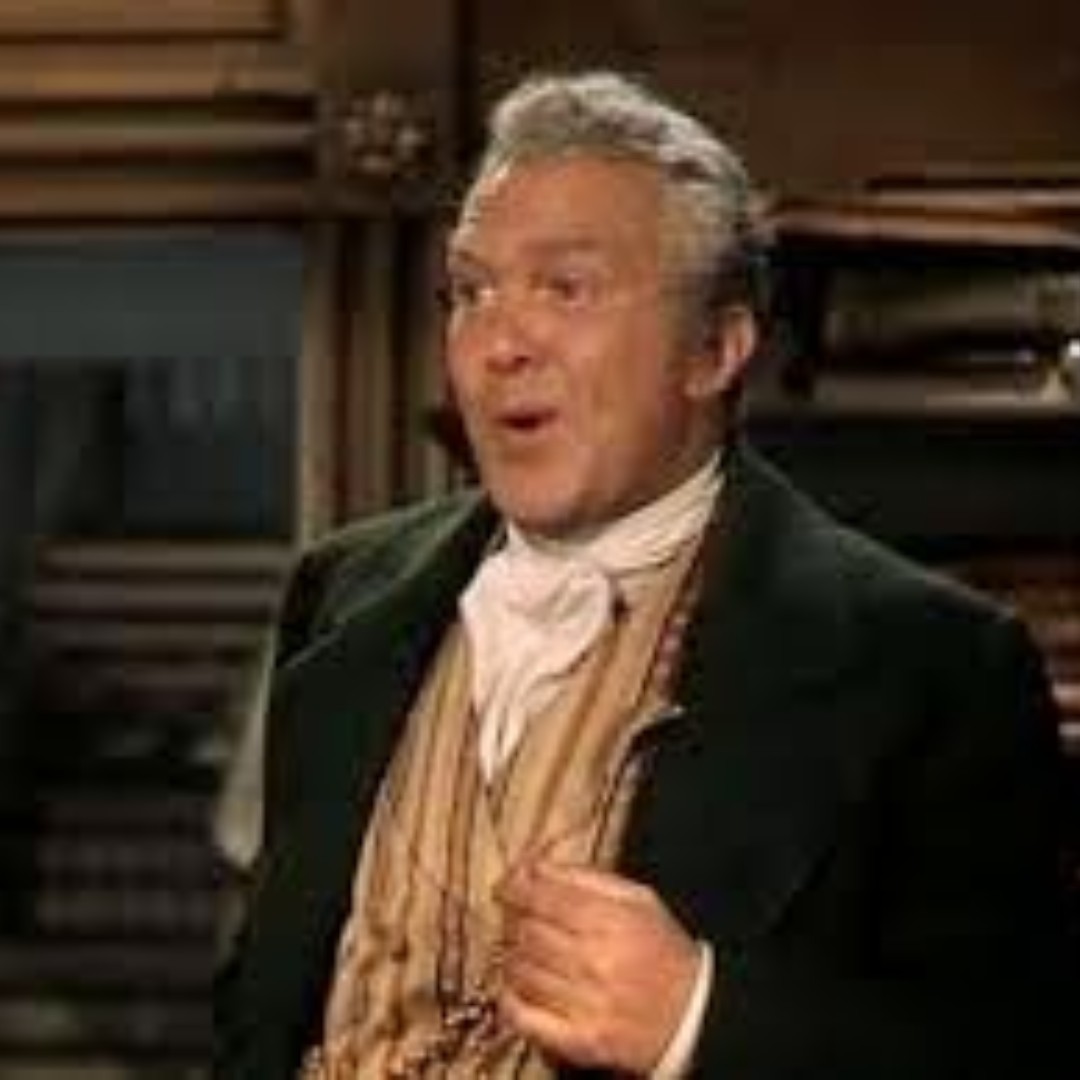
"Eugene Pallette is also great fun as the feisty friar" Silver Screen Standards shares thoughts on The Mark of Zorro starring Tyrone Power, Linda Darnell and Basil Rathbone - and also featuring 'birthday boy' Eugene Pallette. https://t.co/9J1fAs7VTi
Red Wing Shoes may be the most underrated strip mall tenant in America.
EXTREMELY loyal customer base, clean operation, customers are in and out pretty quickly, they pay a fair rent and on time, and they never leave.
They were my very first tenant, too!
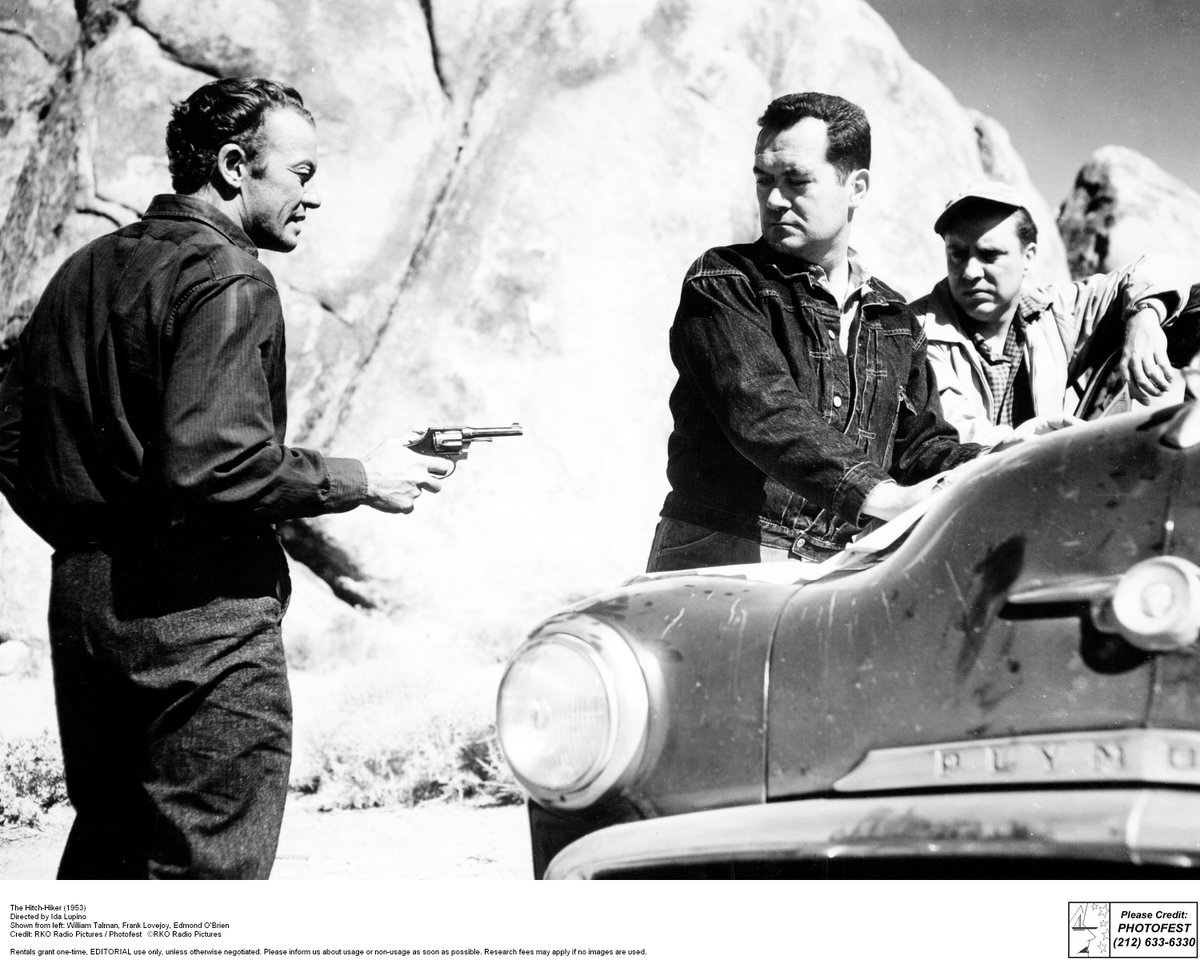
Studied it in film noir class. Fits genre even though, atypically, most of it is shot in bright, even harsh, sunlight. Ending moves to traditional low-key noir lighting. Excellent.
Ida Lupino achieved professional quality on extremely low budgets, a one-woman New Wave. THE HITCH-HIKER ('53) earned strong reviews and box office success, especially given its $200,000 budget.
See it tonight in our American Independents Spotlight Series, starting at 8PM EST.
"Fair warning – if you haven’t seen these, you might want to take a stroll down a shadowy street and circle back after you’ve checked them out, because this post is going to be heavily spoilerific." -Noir Nook's Karen @TheDarkPages shines the spotlight on two of her favorite films noirs which – perhaps not so coincidentally – happen to be among the noirs she considers to be the darkest.
#TCMParty https://t.co/cHv2zrMtwK
Excellent post, and yes he was a surprising giant of an actor. Those Lang movies are terrific. Also excellent and almost unknown is The Red House: https://t.co/tZ9qyELLSH
EDWARD G. ROBINSON was born Emanuel Goldenberg in Bucharest in 1893, came through Ellis Island at nine, and grew up on the Lower East Side. Nothing about him said movie star. Five foot seven, thick-featured, a face built for character parts. He came up through the stage — trained at the American Academy of Dramatic Arts, put in real years on Broadway — and that grounding shows in everything he did on screen. And yet for two decades he was one of the most magnetic presences in American film, precisely because he never once relied on being handsome.
Everybody knows the entry point: Little Caesar (1931). Rico Bandello — the snarling, doomed little Napoleon who basically invented the Warner Bros. gangster template alongside Cagney. "Mother of mercy, is this the end of Rico?" got quoted and parodied for decades. It made him a star and, briefly, a prisoner of the type. The tough guy with the cigar became shorthand for the whole genre.
But here's the thing that makes him great rather than just iconic — he was one of the most versatile actors of the studio era, and he spent the rest of his career quietly proving it. Watch him in Double Indemnity (1944) as Barton Keyes, the claims investigator with the "little man" in his gut that tells him when something's wrong. It's a warm, rapid-fire, deeply human performance, and the final scene with MacMurray is one of the tenderest things in all of noir. No gun, no snarl. Just a guy who loved his friend.
Then there's his run with Fritz Lang — The Woman in the Window and Scarlet Street, both 1945 — where he plays weak, ordinary men swallowed by desire and circumstance. He was fearless about looking small and pathetic. In Key Largo (1948) he flips back to menace as Johnny Rocco, sweating in a bathtub, and steals the picture out from under Bogart. He'd already gone toe-to-toe with Welles in The Stranger (1946).
And he had range far outside crime. He played Paul Ehrlich in Dr. Ehrlich's Magic Bullet (1940) and lent real gravity to Confessions of a Nazi Spy (1939) — one of Hollywood's earliest openly anti-Nazi pictures, made when the studios were still nervous about the German market. Late in life he was still sharp enough to hold the screen against Steve McQueen in The Cincinnati Kid (1965), the old lion teaching the kid a lesson at the poker table.
Off screen he was the opposite of every role — cultured, multilingual, one of the great art collectors of Hollywood, with a wall of Impressionists and Post-Impressionists he had to break up in a brutal divorce settlement. A gentle, erudite man playing killers for a living.
The ugly chapter: the HUAC years. His liberal politics and donations got him greylisted, and he was dragged in to testify more than once to clear his name. It stalled him, and it clearly wounded him. He never got the respect from the industry he'd earned — astonishingly, he was never nominated for a competitive Oscar. Not once.
The Academy finally moved to give him an honorary award in 1973. He died of cancer two months before the ceremony, in January '73. His last film was Soylent Green, and his death scene — Sol Roth choosing to "go home," bathed in music and images of a lost natural world — plays now like a farewell he knew he was giving. Heston reportedly knew he was dying while they shot it.
One of the best who never got his statue in his lifetime. Watch the noirs. He's better than his reputation, and his reputation is already huge. Here he is in Fritz Lang's The Woman In The Window (1944):