Myth: Downpours have always happened. Rainfall isn’t changing.
Truth: Warmer air holds more moisture — about 4% more per 1°F of warming.
When storms form in warmer air, they can produce heavier rainfall.
A nationwide analysis of 1,700 U.S. weather stations shows a clear shift toward heavier rain in recent decades.
When it rains, it pours — more than it used to.
Returning to @StanfordMed always makes me think of my mentor, Dr. Norman Shumway. He performed the first successful U.S. adult heart transplant and kept advancing the field when many others had given up.
His persistence shaped my career and the transplant program we later built at @VUMChealth.
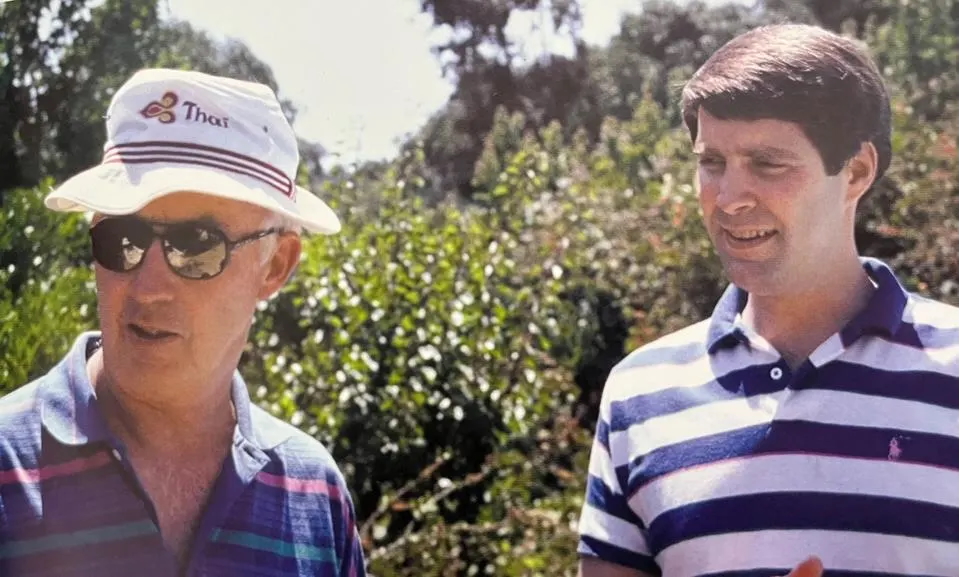
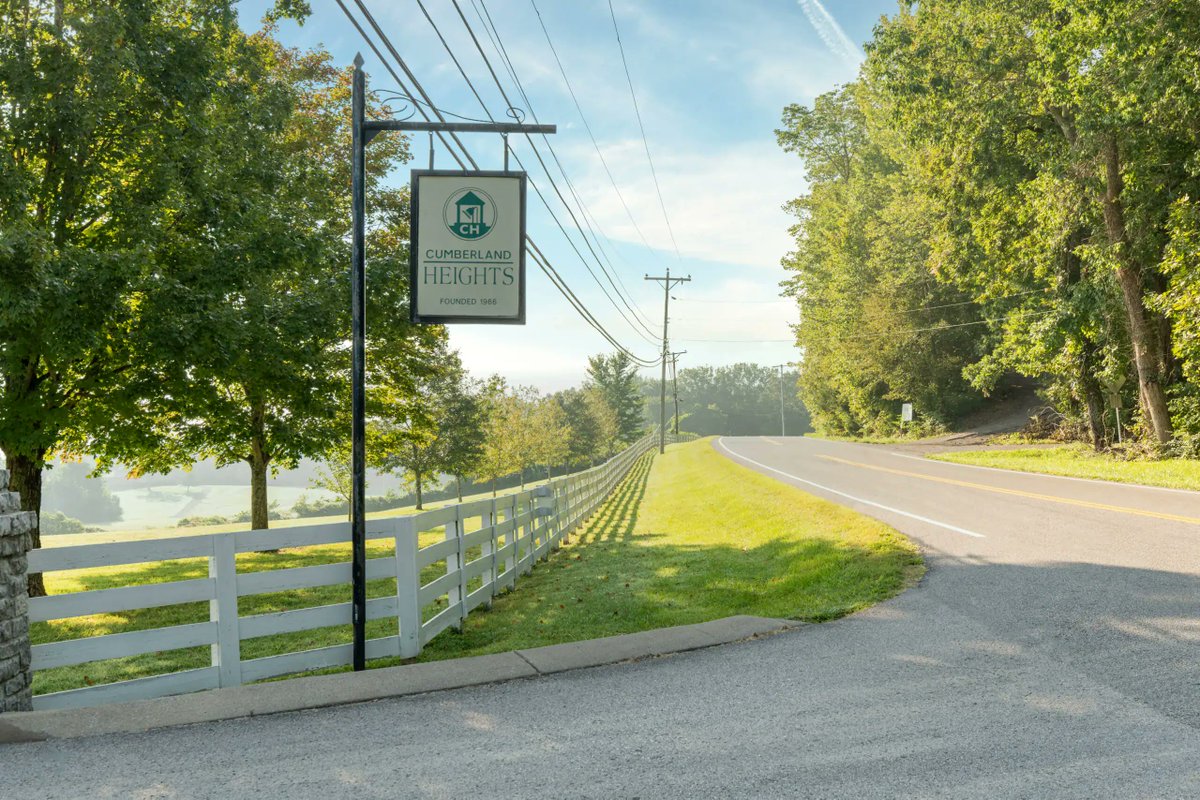
Behind the scenes filming a message for Cumberland Heights’ 60th anniversary. When Bob Crichton asked my father to help, Dad first said no.
After my mother urged him to pray on it, he called back the next morning: “Let’s go do it.” Glad to mark 60 years of healing and hope.
Looking forward to visiting @VanderbiltU's new NYC campus next week and speaking at its Healthcare Design and Construction Symposium.
How we design healthcare environments shapes how patients heal and clinicians deliver care. The campus will welcome its first students this fall.
https://t.co/NSJOFqjLmr
Myth: "If I can handle the heat, so can my pet."
Truth: Pets overheat quickly. Pavement can burn paws, and parked cars can become deadly.
Keep them indoors during peak heat, provide water and shade, and watch for heavy panting, weakness, confusion, or vomiting.
Great conversation today with Tess Bonn of Katie Couric Media on climate, health, and practical solutions that can bring more people to the table.
More in next week's Ripple Effect newsletter. Subscribe here: https://t.co/cIQySNgQjF
@katiecouric
The World Cup may be over, but its hydration breaks offered a glimpse of how rising heat is reshaping health, safety, and performance. Laura Schifter makes an important point in TIME: adapting to extreme heat protects athletes, especially young people without professional-level resources.
https://t.co/RN4WoFZpZh
Cumberland Heights was built by many people and families, each with a story worth telling. Today I share one: how a prayer, a kitchen-table conversation, and the courage to say “yes” helped begin a place where people could begin again.
Read it here: https://t.co/usDKLYXs6O
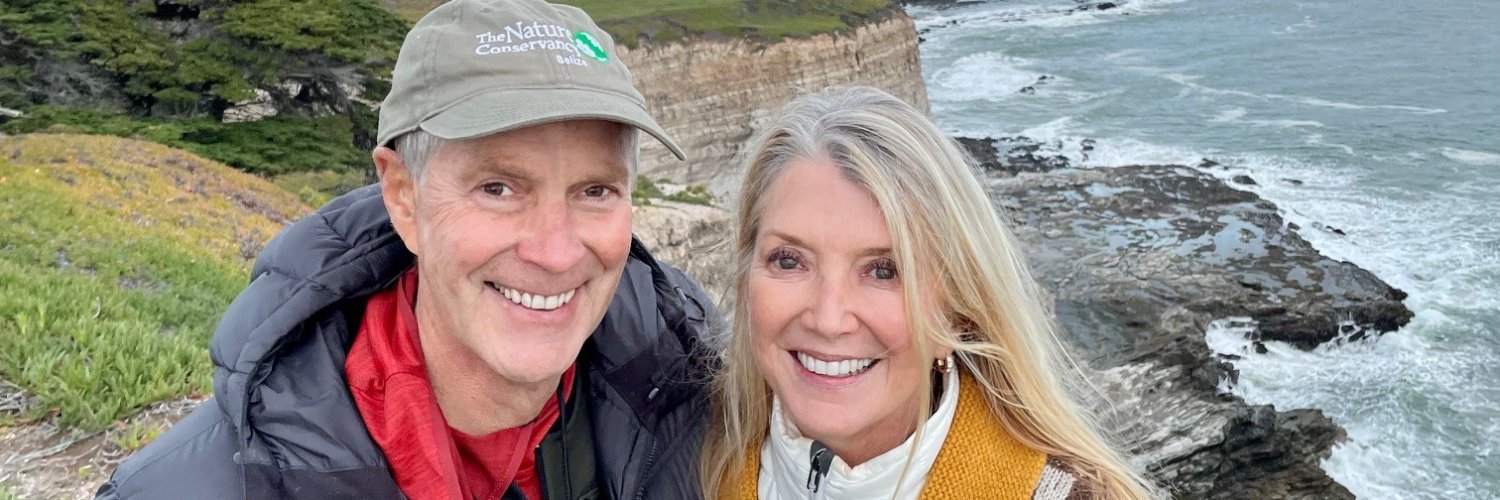
One of life’s more difficult decisions: follow Dad to the barn or make sure Mom does not get too far.
After careful consideration, our border collie Bonnie chose the barn.
“All nature is doing her best each moment to make us well. Do not resist her.”
Henry David Thoreau wrote those words in 1853, but they feel especially relevant today.
Time among trees can lower stress. Clean air and water protect our bodies. Healthy ecosystems sustain the food we eat and the communities we call home. Nature restores us physically, emotionally, and spiritually.
Thoreau put it simply: “Nature is but another name for health.” Nature is medicine. And caring for the natural world is also an investment in human health.
Meet our latest visitor at The Farm at Sinking Creek.
This young American black bear was caught on our SGI trail cam moving through native grasses on land that was pasture not long ago. Today, it serves as part of an important wildlife corridor.
Nature responds beautifully when we give it room to roam.
Health care saves lives. But health is built long before someone reaches a hospital.
Food, transportation, safe places to move, and community support all shape outcomes.
That is why we founded NashvilleHealth. I write more about it in my latest Substack.
What is the biggest barrier to better health where you live?
https://t.co/sw7D5T2Zxy
As a doctor, I went to Phoenix to understand what heat does inside the body.
What I saw was also a lesson in leadership: listen to the people confronting the problem, question the old playbook, use the data, act before the patient reaches the hospital.
What Phoenix is learning could save lives far beyond Arizona.
📷: Phoenix Fire Dept.
For years, heat stroke patients got the same treatment everywhere: ice packs, cold IV fluids, rapid transport.Patients were still dying.
So one @PHXFire crew tried something different. Here's what happened:
This isn't only an Arizona problem. Dangerous heat hits anywhere temperatures outpace what a body, home, or community is built to handle—110° in Phoenix or a humid 90° day somewhere without AC.
Sixty years later, Cumberland Heights remains what my mother’s name imagined: a place to rise.
I wrote about our family’s story behind its founding and the people who carried its mission forward in Forbes: https://t.co/TI3VlcGEOS
My mother gave @CumberlandHghts its name.
She looked across the rolling hills beside the Cumberland River and saw more than land. She saw a place where people could rise, begin again, and recover their lives.
The story behind the name, the land, and its mission. A thread ⬇️
Still, the real measure was never the buildings or the acreage.
It was the person who found recovery.
The spouse who regained hope.
The child who got a parent back.