Biocompare is a life science product directory created by scientists for scientists. We can help you quickly and easily find the research products you need.
Are your cells barely surviving rather than thriving?
Watch Biocompare’s new video series, 10-Minute Troubleshooting, to learn more. In our first episode, Dr. Philip Clapp shares how to start a new culture the right way. https://t.co/2bS8wtD3h5
#CellCulture#PrimaryCells#LabTips
170+ RNA modifications, and no single method maps them all. From NGS-based approaches to nanopore direct RNA sequencing, here’s how researchers are mapping modifications down to single nucleotides.
https://t.co/y2CWx7r541
What does it actually take to move a cell therapy from a promising lab result to a treatment reaching real patients? Join this webinar to hear how researchers are tackling the scientific and manufacturing hurdles of clinical translation. https://t.co/f9yYu0piZV
What if blood and saliva could reveal Alzheimer's risk years before symptoms appear? Join this webinar for a look at how neuronal extracellular vesicles and tau structural biology are reshaping early diagnosis and treatment strategies. https://t.co/EDz4vo2XIC
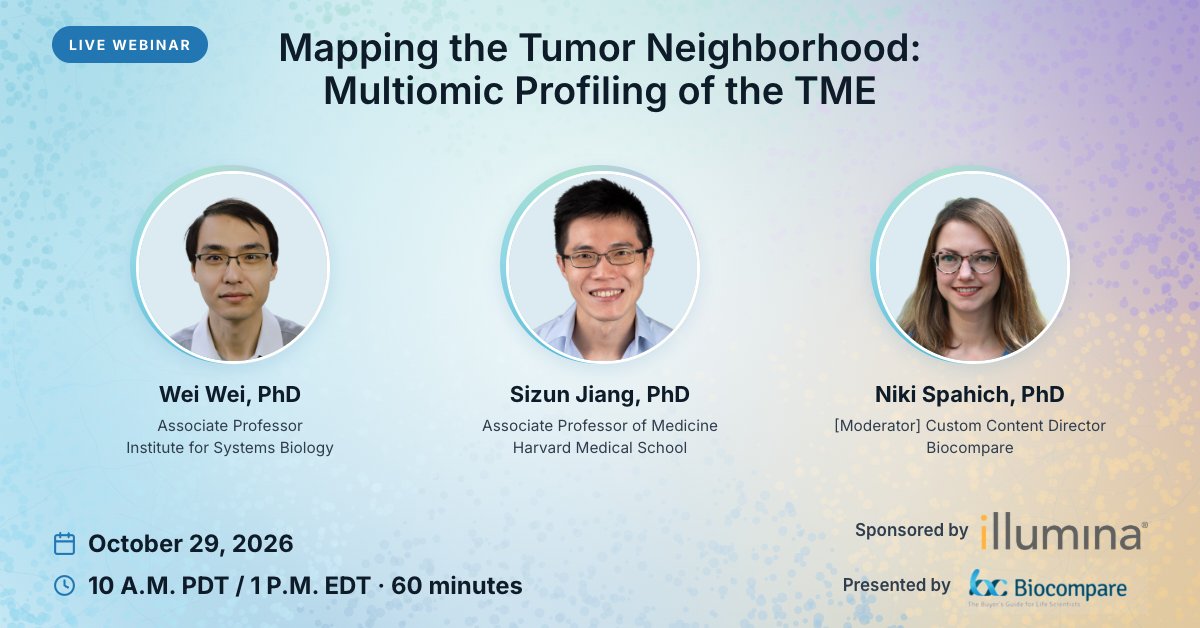
Be sure not to miss the upcoming Biocompare webinar. Our experts share multiomic research spanning various cancers, exploring how tumor, immune, and stromal cells interact within the tumor microenvironment to shape treatment outcomes.
https://t.co/MD2759XFCF
mRNA-seq or total RNA-seq? It comes down to breadth vs. focus, and your sample may make part of the decision for you. Experts explain how to choose in the latest Biocompare article.
https://t.co/kzAgQ3lh0h
Thousands of single-cell atlases exist. Now the question is how cells change in aging, disease & treatment. Download our latest eBook on designs, annotation & pipelines that move scRNA-seq from maps to mechanisms: https://t.co/p5L3qX0Dhe
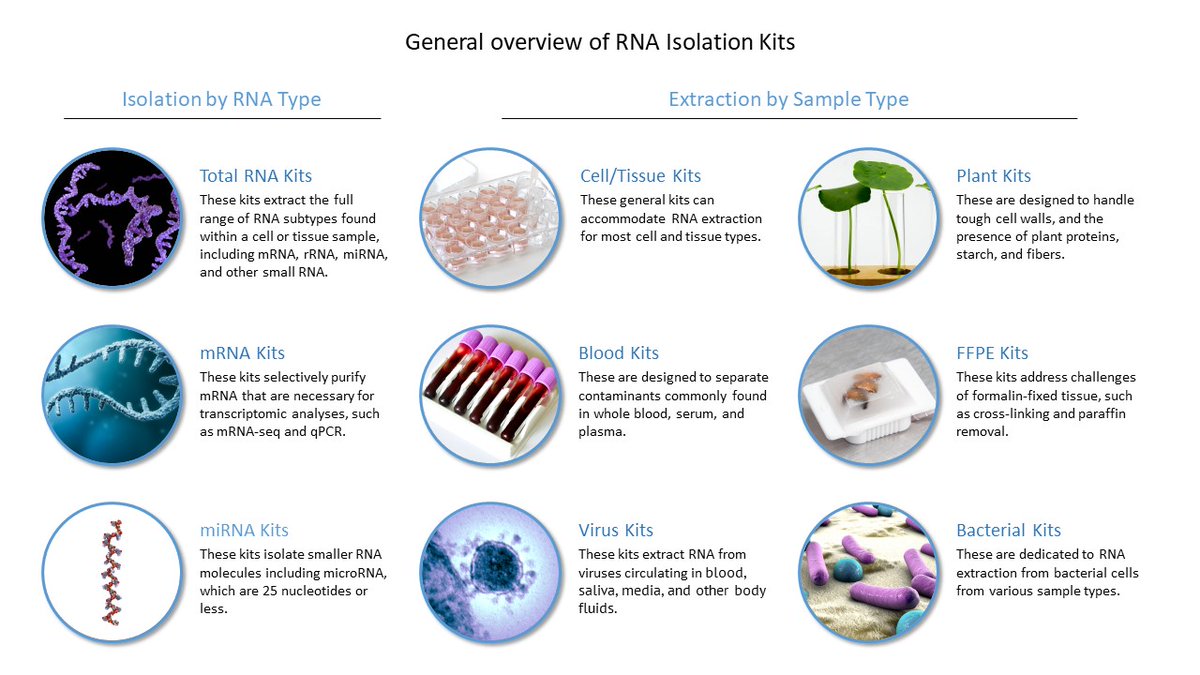
Visit Biocompare for an overview of RNA isolation kits that will help you select the right off-the-shelf purification product for your downstream application and sample type. https://t.co/99kiATc7XA
Ever had a middle-of-the-night equipment alarm turn into a scavenger hunt for answers? You’re not alone. We dig into why lab data ends up scattered across spreadsheets, paper logs, and people’s memory — and what it takes to connect it. https://t.co/is1q62L6MH
Heading to ASHG 2026 in Montreal? Swing by Biocompare at Booth 1500! Come say hi, get a t-shirt, and let’s talk about what you’re working on. See you there.
Extraction is just step one. Checking your DNA/RNA quality after extraction matters just as much for reliable PCR and sequencing results. Experts share how to combine quantity, purity, and integrity checks (and fix common issues when they pop up).
https://t.co/jR18lUe7hc
Current liver fibrosis models fall short in predicting drug efficacy. Join Andrew Schmidt in this Biocompare webinar on how dECM-based liver models deliver more predictive results than conventional cell culture. 🔗 https://t.co/tWQ9B0Lg9P
DNA tells you what mutated. RNA tells you what’s actually happening. Experts weigh in on combining cfDNA + cfRNA in liquid biopsy — and the workflow hurdles that come with it. https://t.co/Tia97wOQvW
When a -80°C freezer starts failing, samples can be gone within hours. New backup systems promise to buy time, but one lab director says they’re no substitute for watching the alarms yourself. https://t.co/lklxP58B1k
Be sure not to miss the upcoming SEQanswers webinar featuring Kimberley Billingsley from the NIA who will share how her team built a long-read sequencing resource from postmortem brain cohorts and what it reveals about AZ disease and related dementias. https://t.co/HaHpWwmVHK
Near-limitless fluorochrome choices for your flow panel — but not all of them are created equal. Here’s how to match brightness to marker expression, cut spillover, and boost resolution: https://t.co/9Dj53Eiu9d
Why do two patients with nearly identical tumors respond so differently to treatment? The answer may lie in the tumor's neighborhood. Join this webinar for a look at how multiomics and AI are mapping the immune, tumor, and stromal interactions. https://t.co/MD2759XFCF
Learn how to turn NGS data into confident pathogen detection, from setting quality thresholds to building a validated lab workflow, in SEQanswers upcoming webinar. Register now: https://t.co/hg7Bw9tFHj
Bispecific antibodies promise powerful new cancer therapies, but mispairing, homodimers, and complex variants make development tricky. Experts weigh in on how the field is tackling these challenges: https://t.co/MpMaunSIvH