Based on 2.4 mio observations, a new study shows how shifts in climate and land use are reshaping bird communities in Denmark 🐦 Read more about the study published in @Oikos_Journal by @BiodiverCD, @Carsten_Rahbek & @NMoruetaHolme 👇 https://t.co/43IcFa7T7f
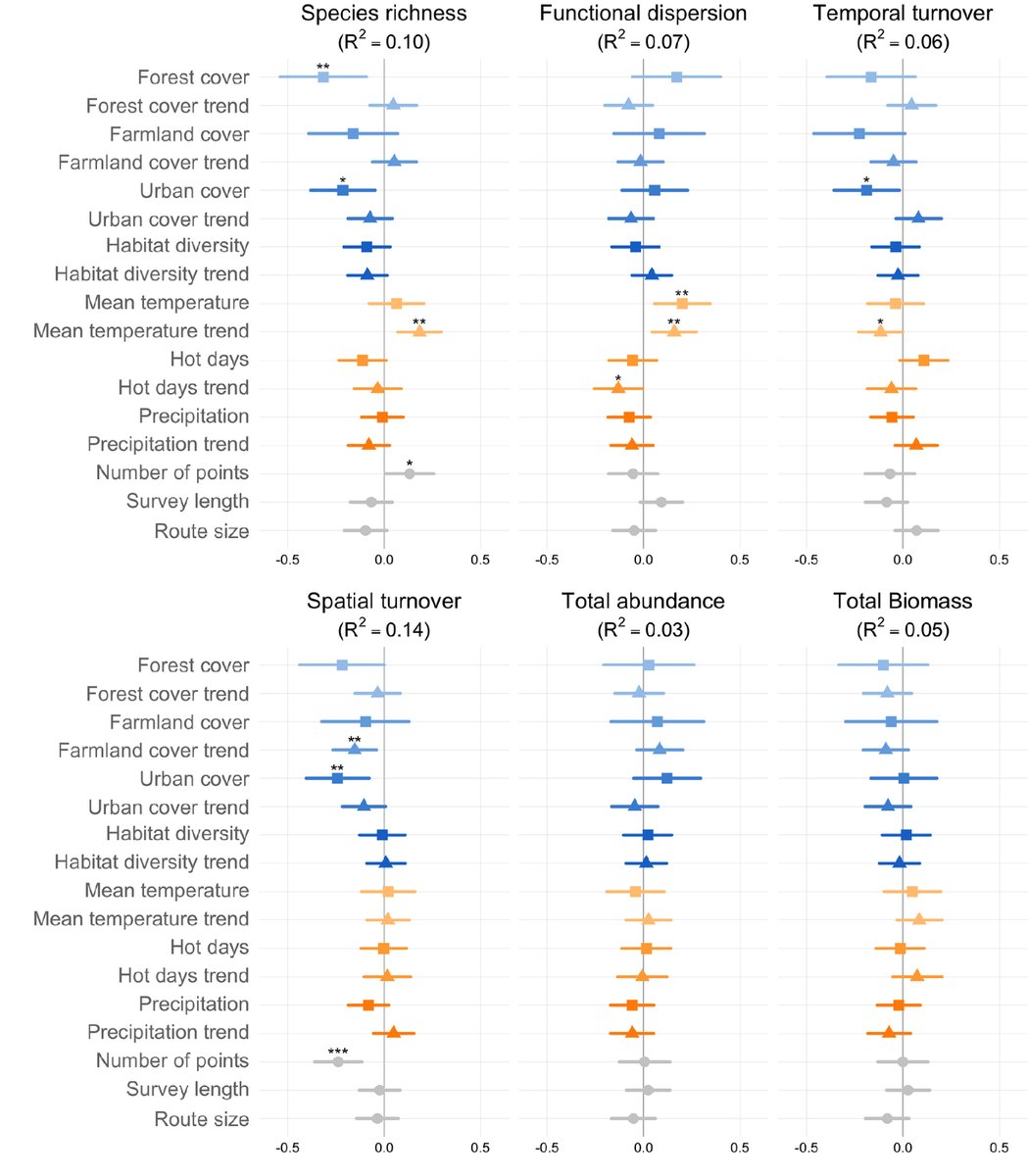
Local warming was positively linked to richness, but urban and farmland areas became more spatially homogenous. Long-term monitoring is key to understanding and addressing these changes.
Shifts in Danish bird communities over the past 40 years are linked to climate & land-use change. Using volunteer bird observations, we found that local species richness fell slightly, abundance dropped 7% per decade, and composition changed rapidly 🐦⬛
https://t.co/2TJX6lnFnr
If you are also feeling helpless about the situation in the UK right now, here are some affected individuals and communities to donate to. Racism and hatred have no place in our society.
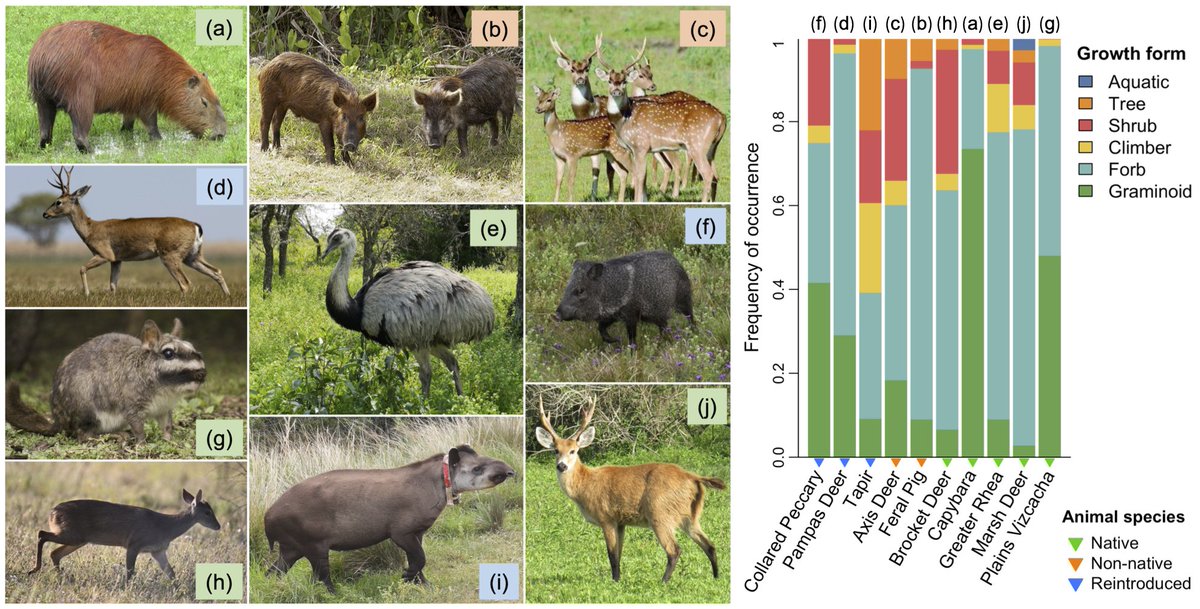
How do large herbivores partition resources at a key Argentinian rewilding site? ���🌿Using eDNA, we show that recently reintroduced native species and historically introduced non-natives are likely expanding the range of herbivory dynamics in the system
📜:https://t.co/QpfSywUcA6
1/x Once I was "walking" through Google Street View looking for bird sites. It hit me: what if we could automatically identify suitable habitats for a species from ground-based imagery? Idea stuck - @lifeinmud convinced me we should try on🦎... it worked! https://t.co/ngYH4kO7pj
Surreal. I was just on @bbcworldservice talking about this research. The song of the cao vit gibbon was just broadcast globally for the first time ☺️🎶🌏
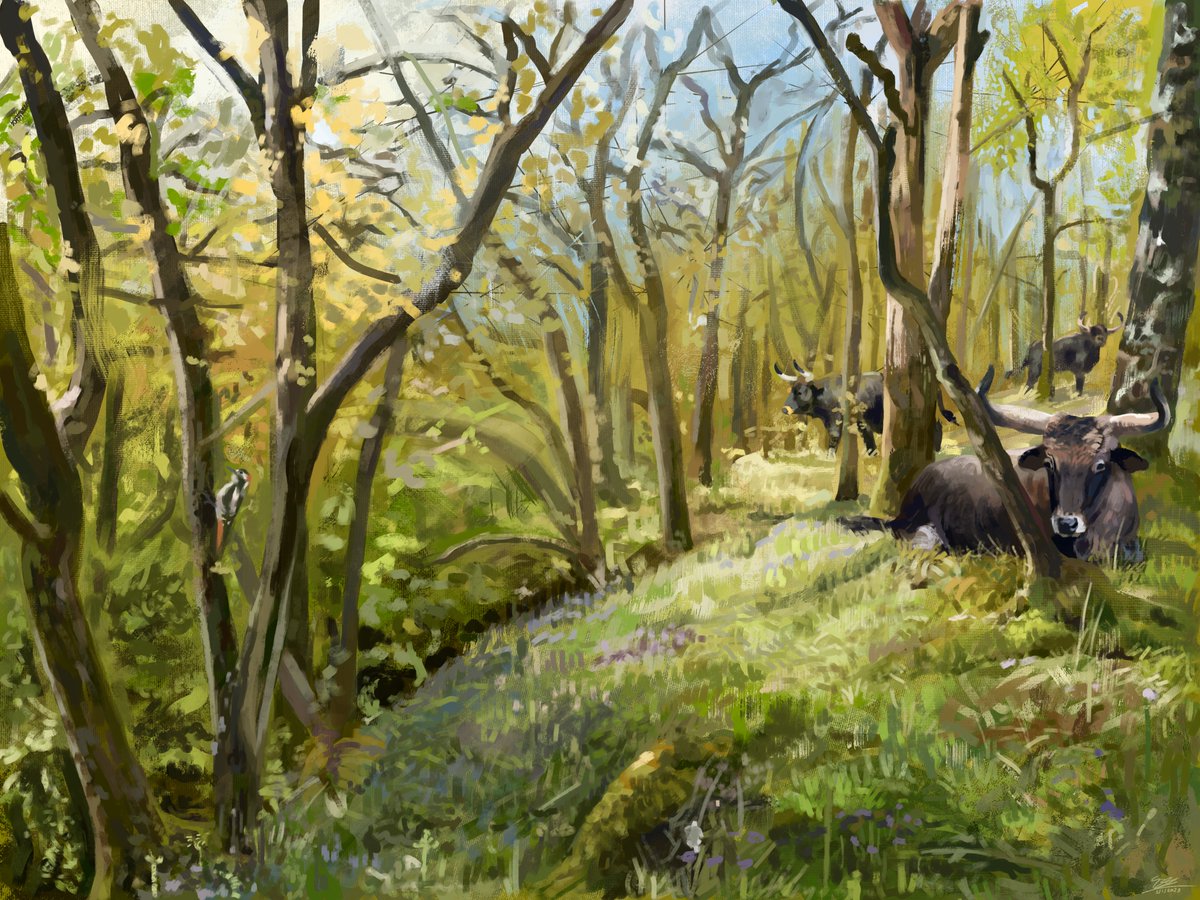
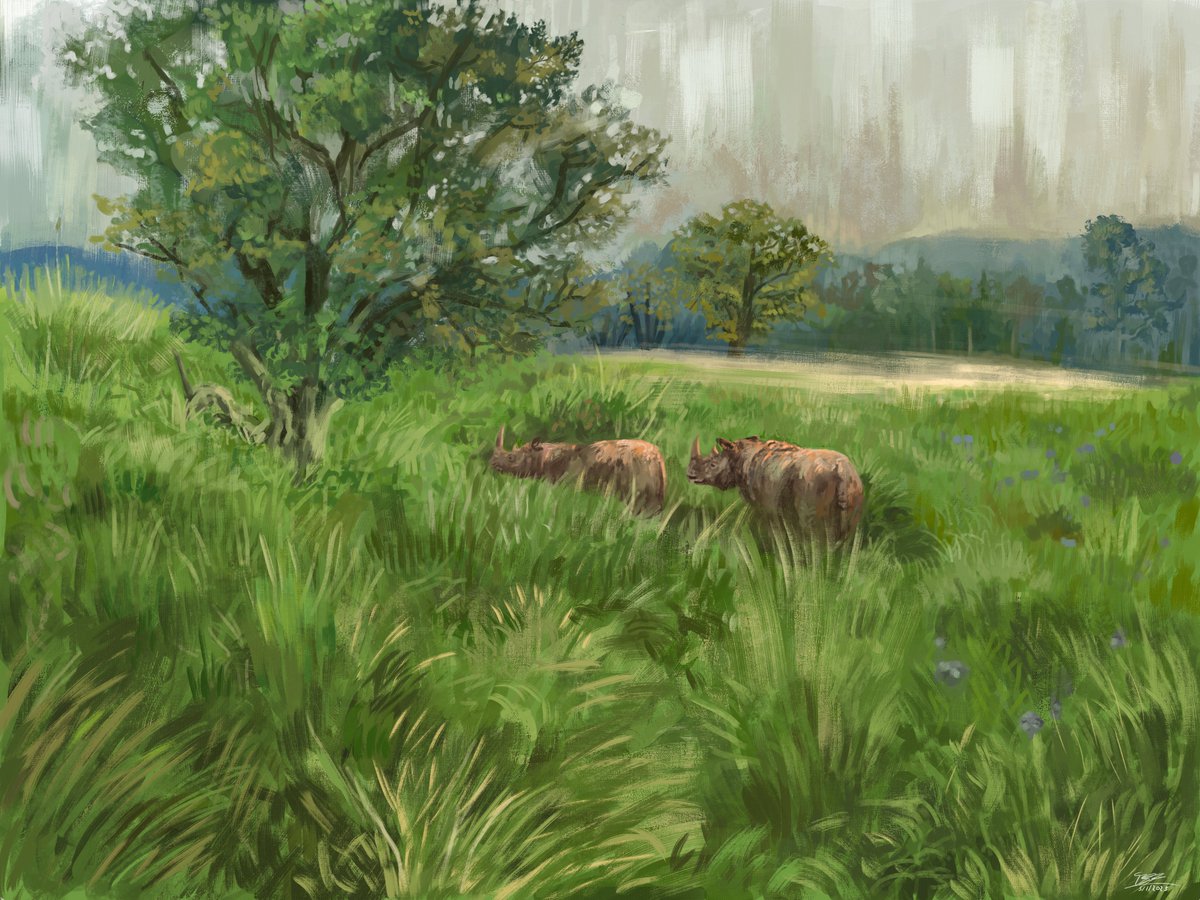
How open were European forests before strong human impacts? 🌳 Check out our new paper in Science Advances! https://t.co/2QnESkYvca Thanks to the team @JCSvenning@MazierFlorence@SigneNormand and many others, and to @BStokkermans for the beautiful illustrations!
Vegetation structure from LiDAR helps explain patterns of bird species richness and composition across Denmark – although the relative importance of vegetation structure varies among functional groups. 🌿🦆🇩🇰
@BiodiverCD, @macroecology, @NMoruetaHolme
📝https://t.co/5Icfq7HRuK
Do you know the #showyourstripes campaign?🤔
Created by @edhawkins, it aims to raise #ClimateChange awareness.
➡️It's easy to read: each stripe represents a year in global temperature averages from 1850-2022.
🔵 Below average
🔴 Above average
https://t.co/z1HsfZd0P7
📝Published!
Vegetation structure from LiDAR explains local richness of birds across Denmark. This study demonstrates the potential of combining LiDAR and citizen science for biodiversity research.
@BiodiverCD, @macroecology, @NMoruetaHolme
���Article
https://t.co/qpGA8iXxng
#LiDAR data on vegetation structure can improve our predictions of bird species richness and composition across large areas
🐦🌲🛩️🇩🇰
Our new paper combining the power of #RemoteSensing and #CitizenScience:
https://t.co/n5KZNz02ZY
@NMoruetaHolme@Macroecology
New paper in @Nature: a new system for classifying any ecosystem on Earth. It fills a big gap and aims to support efforts by @redlisteco, @UNBiodiversity, @IPBES and to assess the status of the world's ecosystems.
https://t.co/YycuGYxcd3