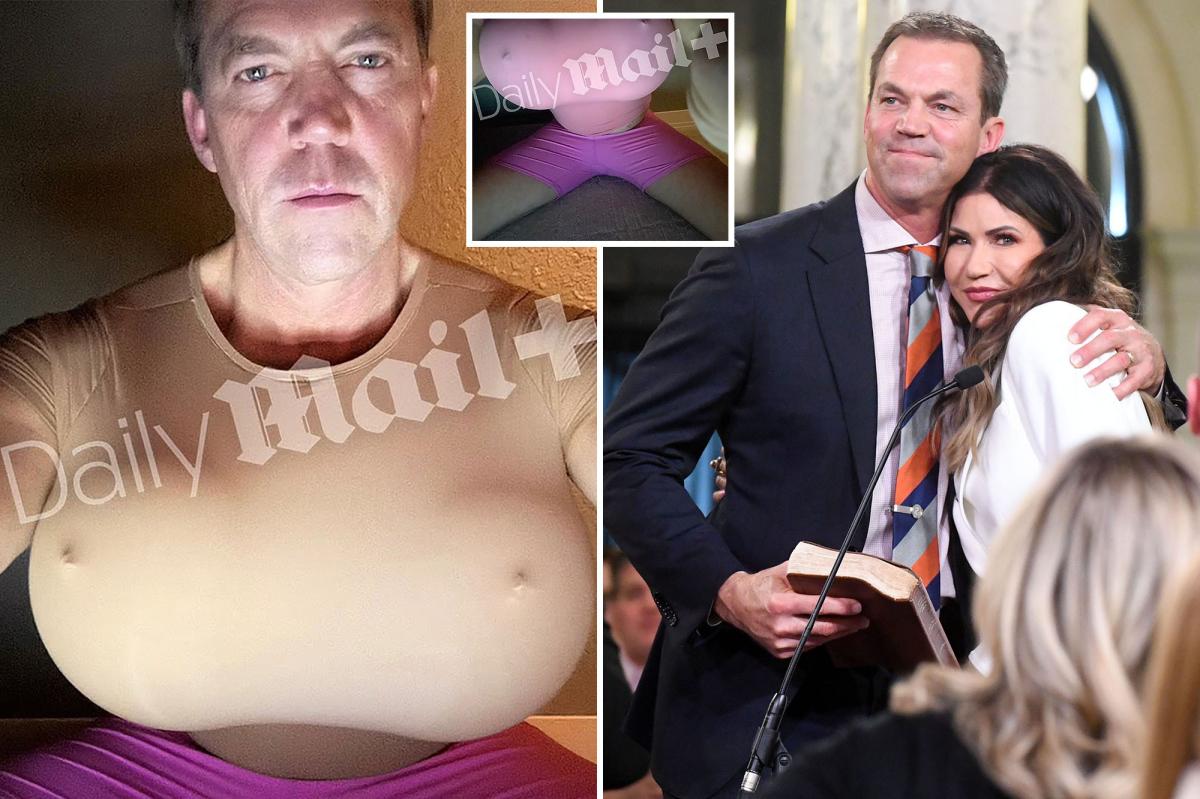
"There were other rooms, too, and other scenes, spoken about more quietly but hardly hidden from the people inside them: chemsex circles where even meth and G were tolerated with a casualness that now feels more frightening than transgressive."
Thoughts?
Read in full: https://t.co/x4Odpljsz1
Even the darkest clouds can have a silver lining. Because it turns out the most effective way to reduce traffic wasn’t a policy or a new flyover, but an oil crisis.
Prices went up, optional trips went down, and the road breathed. And it also raises a question nobody wants to answer: were we ever honest about who was clogging the roads in the first place?
When fuel was cheap, the threshold for “I’ll just drive” dropped to almost nothing. Optional trips. Convenience runs. Vehicles that had no business being on the road except that the cost of being there was affordable. When the price corrected, that optional travel quietly disappeared. Not all of it. But enough to move the number 8 points.
Now I know how this sounds. I’m not celebrating the price hikes. People are hurting. The tricycle driver. The jeepney operator. The TNVS guy moving forty passengers a day. The family in Cavite driving two hours each way to keep a job they can’t afford to lose. I’m not dismissing any of that. That’s the dark cloud. The silver lining is there’s also math nobody wants to do.
If fuel costs more but you arrive in less time, the total cost of that trip hasn’t shifted as dramatically as your receipt suggests. Because not only does traffic burn more fuel unnecessarily, there’s also your time, if you value it at all.
The pump price is real, and yes, we need to cut the excise tax and VAT during this crisis because it affects the price of everything. It just isn’t the whole equation.
It’s not unlike a toll road argument. We choose that over the service road for the same reason. Because let’s face it, eight percent doesn’t sound like much. Until you’ve sat on EDSA.