@tomloveless99 Interesting. How do they measure what schools teach when it presumably varies across countries? Does the test vary by country? Or just the passages they ask kids to read? And how does it work in the US, with nothing close to a standard curriculum?
@Dale_Chu@CharterFolk I don't know about Texas but yes, California is purposefully anti-accountability. They release a lot of data, but make it impossible to compare districts to each other or over time. Leaders like Linda Darling-Hammond hold this out as a feature and claim others should follow them.
@_AlvinChristian Since peer review drives standards, other ed researchers are the main defense against the bad ones. Even if most were good, tolerating bad research tars the whole field. 50% replacation says results are no better than a coin flip. Fundamental change is needed.
@tomloveless99 Since the Prop 98 pot is determined (under Test 1) independent of enrollment, schools should get more funding per pupil even as they have fewer.
States like #Alabama, #Indiana and #SouthCarolina are leading with evidence-based policies to boost #literacy! Check out Dr. @kymyona_burk’s article exploring the progress and next steps states can take to improve reading outcomes. https://t.co/VgjUZOPwc9
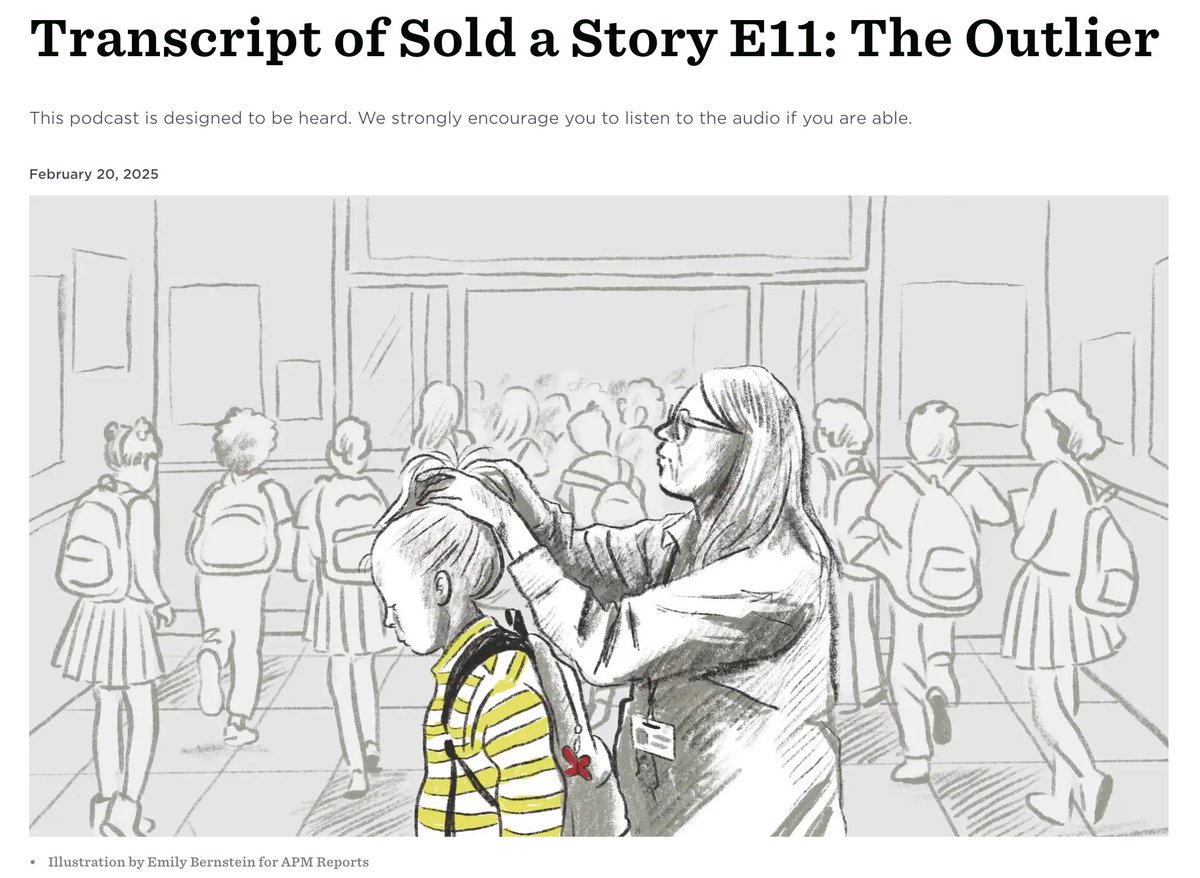
If you're looking for something to listen to after Sold a Story Ep 11: The Outlier, I recommend @karinchenoweth's podcast ExtraOrdinary Districts.
More stories of more places getting great results. https://t.co/tNcOA7BQEE
(And Ep 12 is coming Thursday, Feb 27!)
My city was dubbed America's most violent in 2 of my 7 teenage years. My father's skull was crushed by guys wielding a metal pipe. I was stabbed. Cousins killed. Thank God I had teachers who taught me how to read, instead of trying to understand my trauma and build relationship.
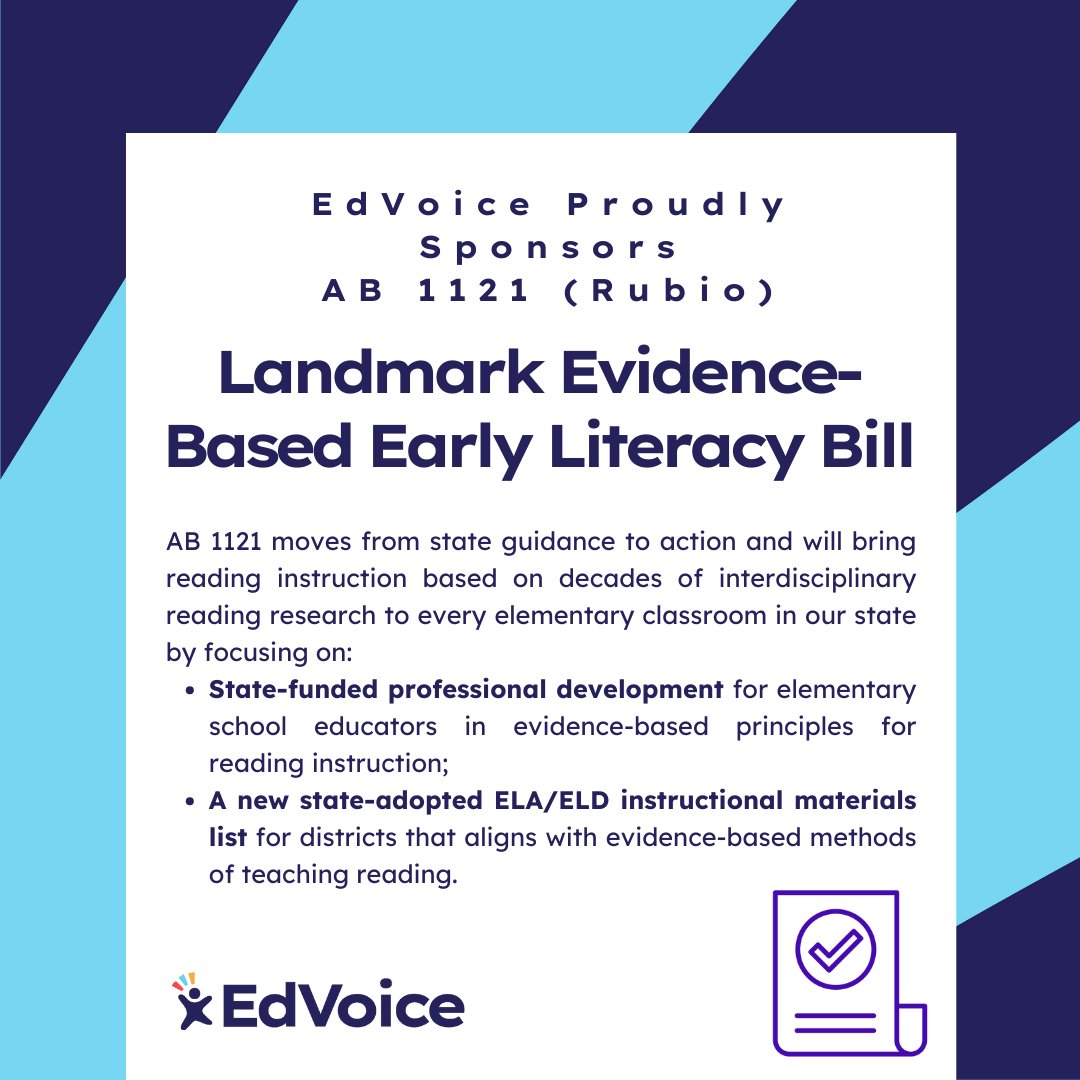
Reading is a civil right, but California’s early childhood literacy gaps are some of the largest by race and income in the nation. Currently, only 3 in 10 students from low-income communities are reading on grade level. #AB1121 addresses these educational inequities by bringing evidence-based reading instruction aligned with how the brain learns to read, regardless of native language, to every elementary school classroom in CA.
Under the strong leadership of @AsmBlancaRubio, EdVoice stands ready to activate our community of advocates and pass this critical bill. EdVoice proudly co-sponsors AB 1121 with @DDCalifornia and @FamsInSchools.
More details and advocacy opportunities may be found at our campaign website: https://t.co/D8BxWipBpb
#CaliforniaKidsRead #RightToRead #CloseTheReadingGap #EarlyLiteracy #EarlyLiteracyMatters #ScienceOfReading #EducationEquity #LiteracyCrisis #EarlyLiteracySkills #YesOnAB1121 #ChangingPolicyChangingLives
So the latest Sold A Story Podcast episode is out
The link to the episode is on Tweet 2 of 2.
Thanks @ehanford - for how you continue to move the ball forward around effective reading instruction.
Here are my main takeaways:
-"Movements sometimes gloss over details and when it comes to reading the details are essential."-(We must proceed with caution).
-Meeting students' primary needs with compassion is an important element to consider when addressing the literacy crisis. (Kids don't care how much we know unless they know we care.)
-When working with a population with many needs building staff capacity is essential to closing the reading gap.
-Success is NOT determined by socioeconomic status. Poverty is no excuse for reading failure.
-Teachers can be empowered enough to say:
" I have never met a child who I can't teach how to read or that I don't know what to do. (What a dream!!)
-The "letter names first" or "letter sounds first" debate has not been settled yet. But what is clear is that children will need to learn both to become literate.
-To close the reading gap kids will need extended opportunities for reading practice.
-Reading and writing instruction needs to be taught via direct/explicit instruction and in an evidence-based way.
-From preschool, it is important to expect kids to speak in full sentences
-The early years are essential to reading development and closing the gap. (Preschool)
-School attendance needs a proactive approach. (students who are not in school can't learn).
-One must consider that every teacher can be a teacher of reading…including gym teachers… which leads to every tier 1 reading group being a small group. (Imagine the impact of that).
-Data-driven instruction and grouping kids based on needs/skills can propel everyone forward. (This benefits all kids in the learning continuum spectrum).
-Reading instruction based on students' level/skills regardless of grade level. (Needs-based instruction)
-Early intervention is essential. Every first grader has a reading tutoring( 1 to 1 instruction). Those who are behind get additional reading time every day ( parents, teachers, older students, and college students are all enrolled and trained to provide students with this type of support)
-Consistency in instruction is often an unsung hero. (unsurprisingly, at Steubenville they have a laser-like focus on growing proficient readers (The number of initiatives that many school districts embark on all at once is often dizzying).
-Empowered teachers help grow empowered and confident readers.