Article Spotlight
How can professional development better support instructors?
This LSE study expands instructor personas to help design more effective, inclusive professional development for implementing evidence-based teaching practices.
https://t.co/B8YLmbPyjN
Editor Spotlight
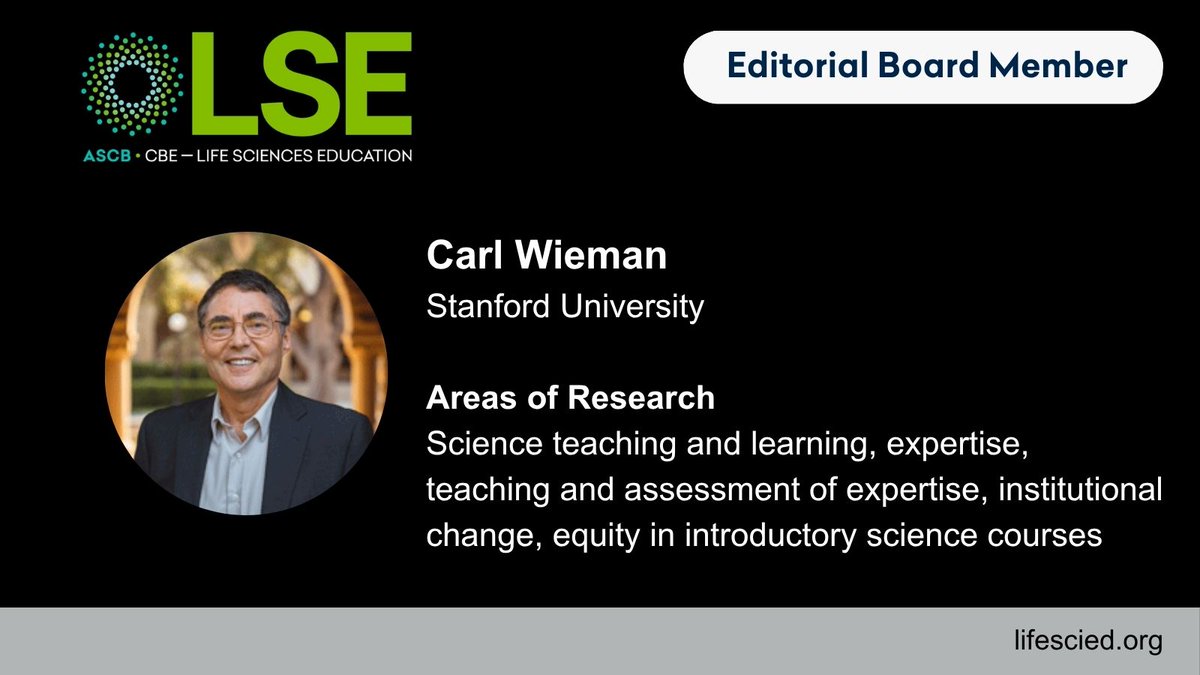
Carl Wieman (Stanford University) researches science teaching and learning, expertise, institutional change, and equity in STEM. As an LSE editor, he values being part of a community dedicated to helping all students learn.
https://t.co/txeRcAyVL1
From LSE
Strong mentoring, belonging, and supportive research communities matter.
This study explores how undergraduate research programs helped students navigate major challenges while supporting their academic and research success.
https://t.co/YnzhpwNmYB
From the pages of LSE
Can perspective-getting improve mentoring relationships?
This study found a mentoring intervention helped preserve research self-efficacy for science PhD students with lower mentoring relationship satisfaction.
https://t.co/plQJ8okUgH
Meet an LSE Editor
Abdi Warfa (University of Minnesota) researches biology education, classroom dynamics, and discourse analysis. He values LSE's role in sharing innovative research that strengthens biology teaching and learning.
https://t.co/txeRcAyVL1
Featured in LSE
How has undergraduate biology teaching evolved?
A review of 650 lesson plans highlights two decades of growth in student-centered instruction and evidence-based teaching following Vision and Change.
https://t.co/0LEEXSS3RG
From the pages of LSE
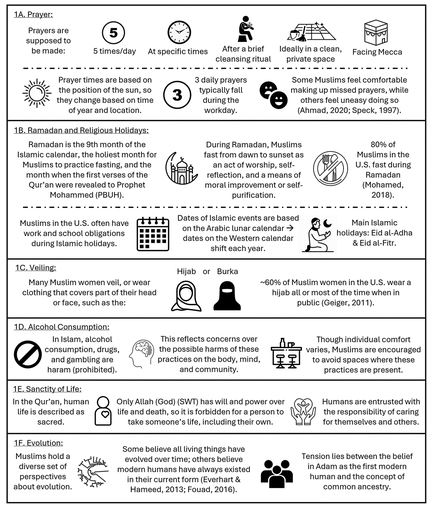
How do Muslim students with concealable identities experience peer interactions in undergraduate biology?
This study examines belonging, identity, and classroom culture in undergraduate biology courses.
https://t.co/YkTrFSB46Z
Editor Spotlight
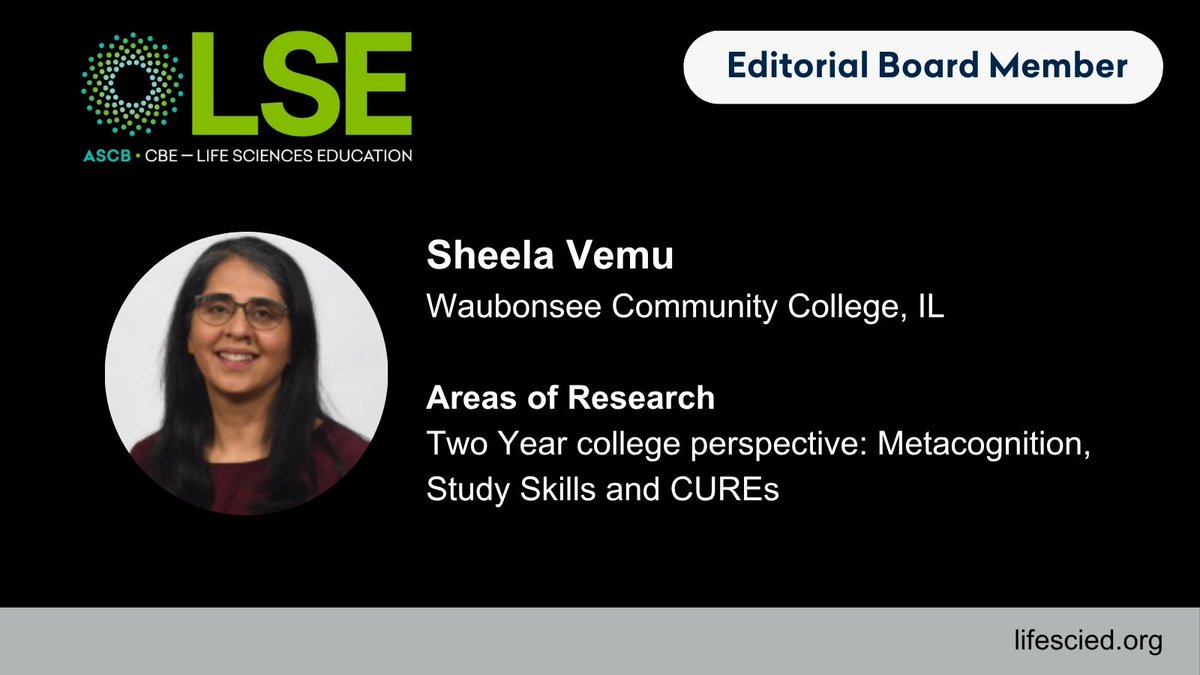
Sheela Vemu (Waubonsee Community College) researches metacognition, study skills, & CUREs from a two-year college perspective. As an LSE editor, she values the journal's supportive community & commitment to evidence-based biology ed.
https://t.co/txeRcAyVL1
Research Spotlight
What if biology education began by asking what students can do?
This Current Insights article explores research showing how an asset-based view of learners can reshape science teaching and learning.
https://t.co/4pd86dVg2o
Featured in LSE
How can we better assess scientific reasoning?
The Conclusion Assessment Rubric (CAR) helps educators evaluate how students use experimental evidence to develop context-driven scientific conclusions.
https://t.co/6h6QkGNxQS
Meet an LSE Editor
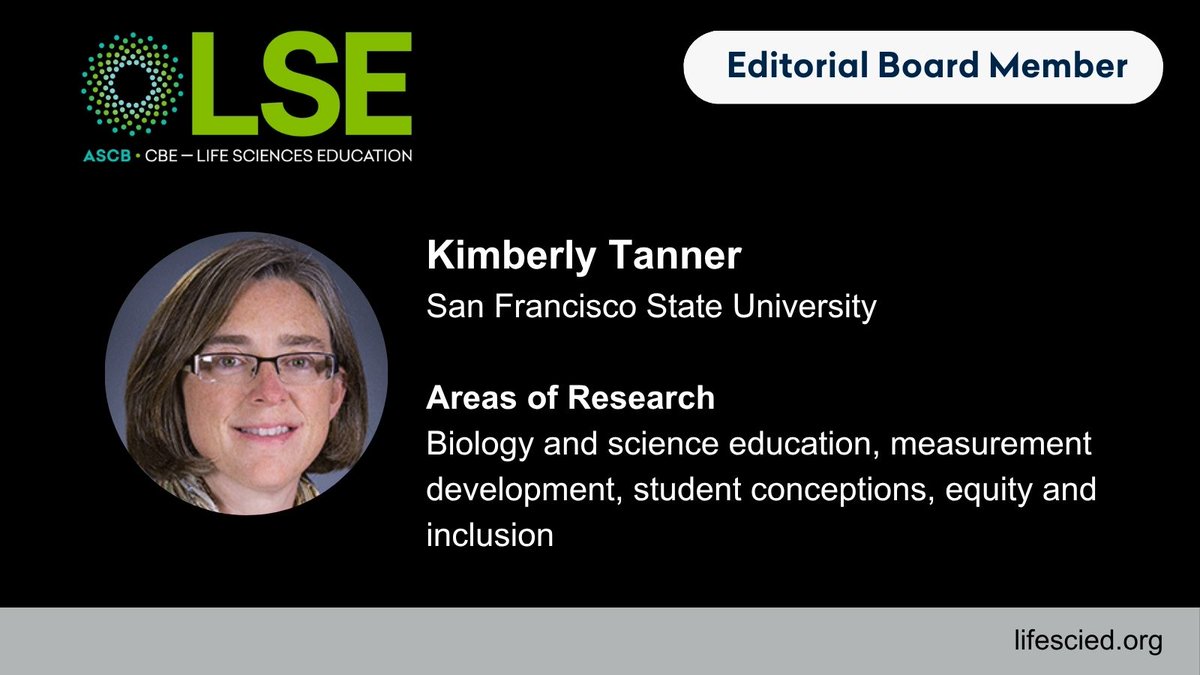
Kimberly Tanner (San Francisco State University) studies biology education, student learning, and equity in STEM. A founding member of the LSE Editorial Board, she values the journal's supportive, developmental approach to peer review.
https://t.co/txeRcAyVL1
New in LSE
Can analytic research tasks help students see themselves as scientists?
This Letter to the Editor argues that data analysis builds scientific identity by fostering trust, ownership, and confidence in undergraduate researchers.
https://t.co/3DVNohCKgJ
From LSE
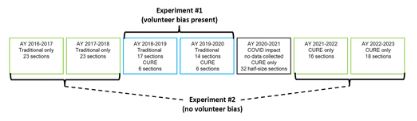
Do CUREs improve STEM persistence?
This study found that outcomes differed when students voluntarily enrolled in a biology CURE versus when participation was required, highlighting the impact of volunteer bias.
https://t.co/fyqmYFij9P
Featured LSE Editor
Erin Shortlidge (Portland State University) studies CUREs, belonging, evidence-based teaching, and student persistence. She values the LSE community for bringing together diverse perspectives to strengthen STEM higher education.
https://t.co/txeRcAyVL1
Now available in LSE
Student participation is shaped by more than content knowledge. This article introduces the Competence Amplification Framework, a practical approach for helping instructors recognize & elevate student contributions in STEM classrooms.
https://t.co/SpGQ3FWNyX
Can assignment prompts shape scientific thinking?
Using the same data but different prompts, researchers found that assignment design influenced how biology students analyzed evidence, critiqued results, and proposed follow-up experiments.
https://t.co/GhwmD5Lb8z
Meet an LSE Editor
Starlette (Star) Sharp (Penn State University) studies STEM access and retention, cancer biology, and biology education. As an LSE editor, she believes great science is built on kind, thoughtful, and inclusive scientific communities.
https://t.co/txeRcAyVL1
Fresh from LSE
Creating more student-centered STEM courses takes more than good intentions. This study explores how faculty and Learning Assistants view the supports and barriers involved in implementing active learning in introductory biology.
https://t.co/sF5qR4PQpi
Fresh from LSE
How well does biology PhD training prepare graduates for today's career landscape?
This study found strong preparation in research skills, but identified gaps in business, management, programming, and career development.
https://t.co/that1EdjgK
New in LSE
One of the largest surveys of LGBTQ+ biologists examines the experiences of nearly 1,400 scientists across five professional societies.
Read "LGBTQ+ Realities in the Biological Sciences."
https://t.co/fRnRnwIc9T