7. Going long at range highs or short at range lows
8. Entering before the key level is tapped (FOMO)
9. Hesitation the moment the key level is tapped (FEAR)
10. Trading aggressively despite clear signs of choppy price action.
11. Entering on the 1min, then jumping to the 1H to justify letting it run.
12. Mixing up distribution and manipulation (misunderstanding structure)
13. Using other traders' opinions on X/Telegram or signal groups as your bias.
🧵 (3/3)
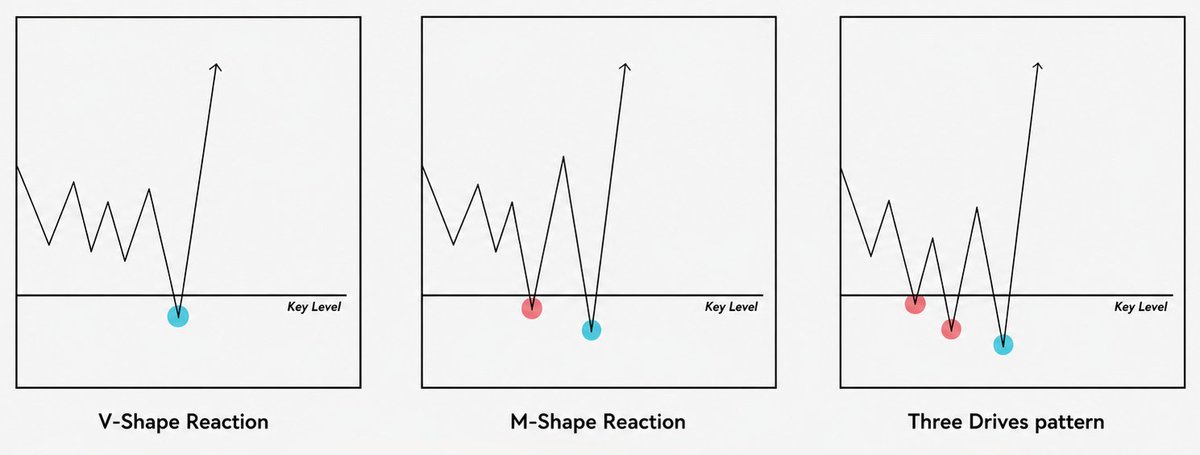
These are 3 types of key-level reactions.
Now you might ask:
How do I know which tap is the real one and which one will be the final low?
Time filters out the noise (OLHC/OHLC👀)
If a key level gets tapped at the end of the HTF candle formation, that reaction is more likely to be a fake low.
The probability of that low holding is lower, and price is more likely to revisit it.
“I knew where price was going, but I didn’t know where to enter.”
“My bias was correct, but I got stopped out.”
This is the exact reason most traders get it wrong 👇🏻
I challenge you to run this process for the next few months:
1. Draw bias and key levels before midnight NY time
2. Set alerts on those levels then walk away from the chart
3. Alert triggers? Open the chart. Nothing? Stay chill
4. Price taps the key level at a valid time
5. Wait for a Timed Turtle Soup(CRT) → Cisd Entry
6. Fixed 3RR
7. TP or SL → journal it
8. Next day, rinse and repeat, let your journal data sharpen the process
Do this consistently and by the end of the year,
you'll be ahead of 90% of traders on X.
@Omimi_fx Risk management matters most for beginners they're the ones most likely to blow an account.
Having a solid plan from day one is one of the best decisions a beginner can make.
Winning streaks are more dangerous than losing streaks. Here's why 👇
• After 3 consecutive wins → reduce risk by 0.5%.
Overconfidence is just as dangerous as revenge trading.
• After 3 consecutive losses → reduce risk by 0.5%.
Protect yourself from emotional decisions.
Discipline works both ways.
Most of my setups form in 2 windows a day, The rest is noise...
• Time of week:
Tuesdays and Wednesdays tend to offer more trading opportunities.
• Time of day:
02:00-05:00
08:00-12:00
These are my max working hours. That's when my setups actually form. Outside of them, I'm chilling.
@crypto_musk_1 Buy low, sell high.
It doesn't matter how the asset pumps/dumps.
And make sure every trade has a clear bias and narrative, not just random buying lows or selling highs.
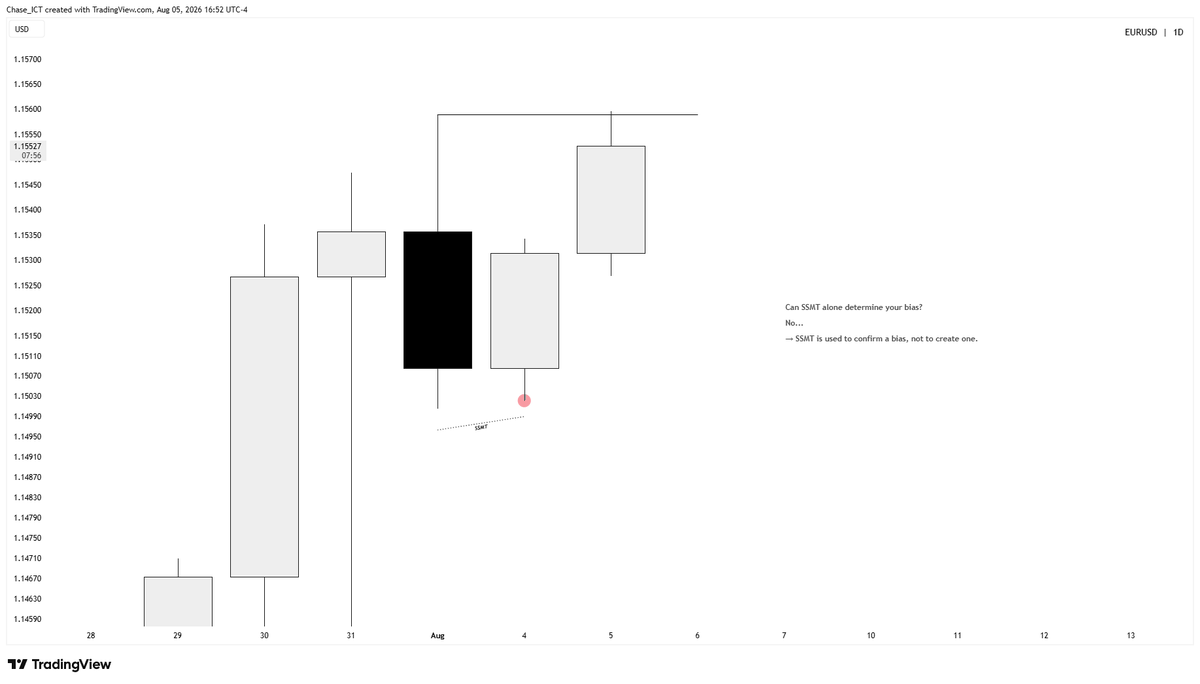
There's a reason SMT alone can't identify bias.
Today was a clear example.
Almost everyone was shorting here on X and price did the opposite.
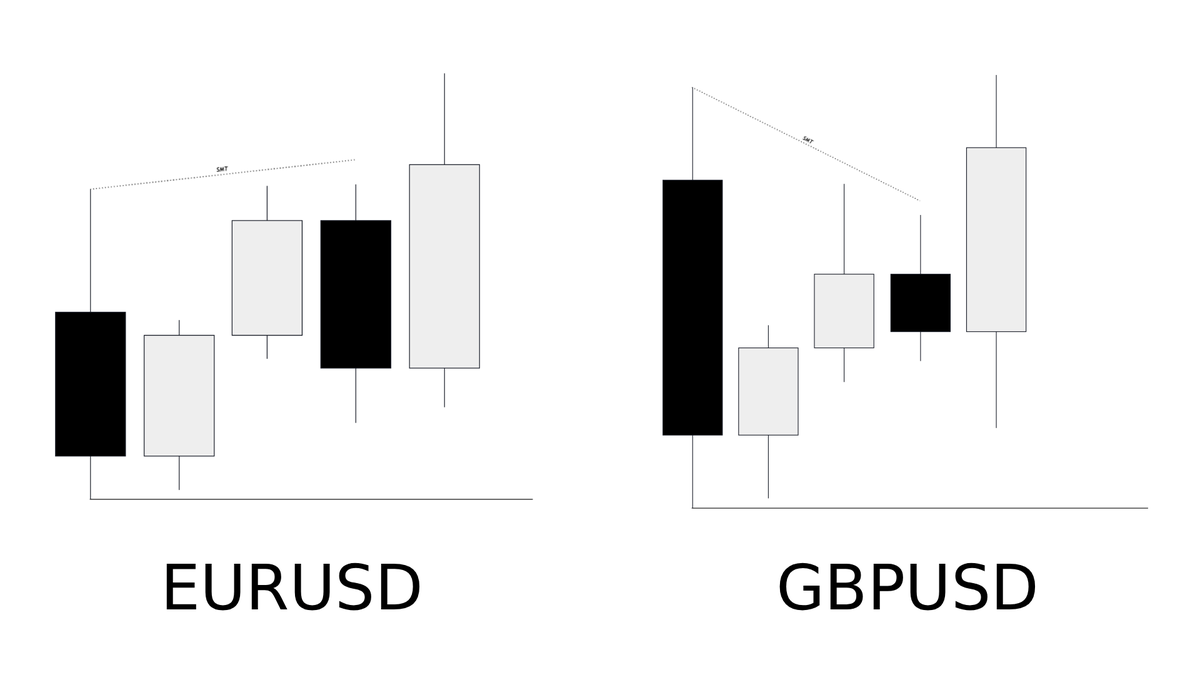
SMT gives you a piece of the puzzle. Not the whole picture.
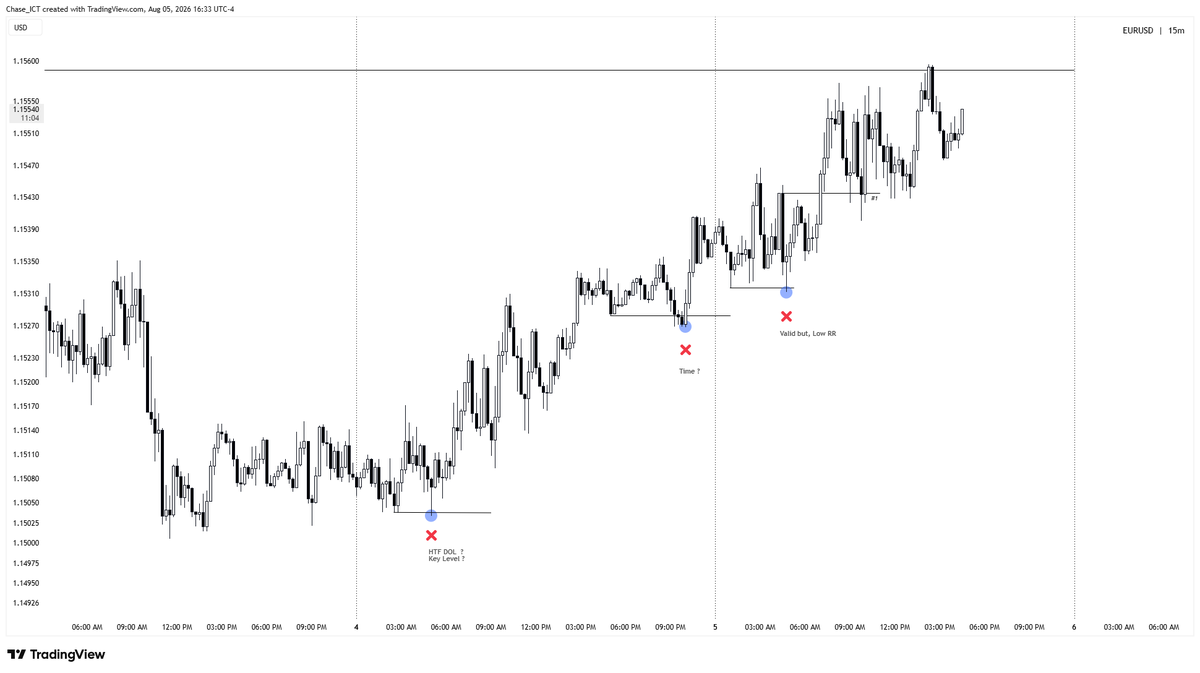
Done for the week. Zero trades executed :)
This is how bad habits get reinforced by working once.
No HTF DOL. No key level.
Nothing to build real bias from.
Even if you used SSMT to justify one anyway, the only entries on the chart were these Turtle soup setups and they formed at the wrong time...
Funny enough, they worked. That's the trap.
One win doesn't validate the process. Take that same trade a hundred times and the math falls apart.
At the end of the day, Turtle Soup is a time-based model at its core. You can catch one good Turtle Soup at random. But you won't be consistent unless it's actually timed right...
@Mymotherson88@IamMavion A valid CRT isn't just a random pattern.
It has to meet specific criteria, such as time, key levels, dealing range, liquidity context, and other characteristics before it can be considered valid.
Once I started trading less and treating HTF requirements as a must-have before execution, everything changed.
You don't need more trades. You need the right trades.
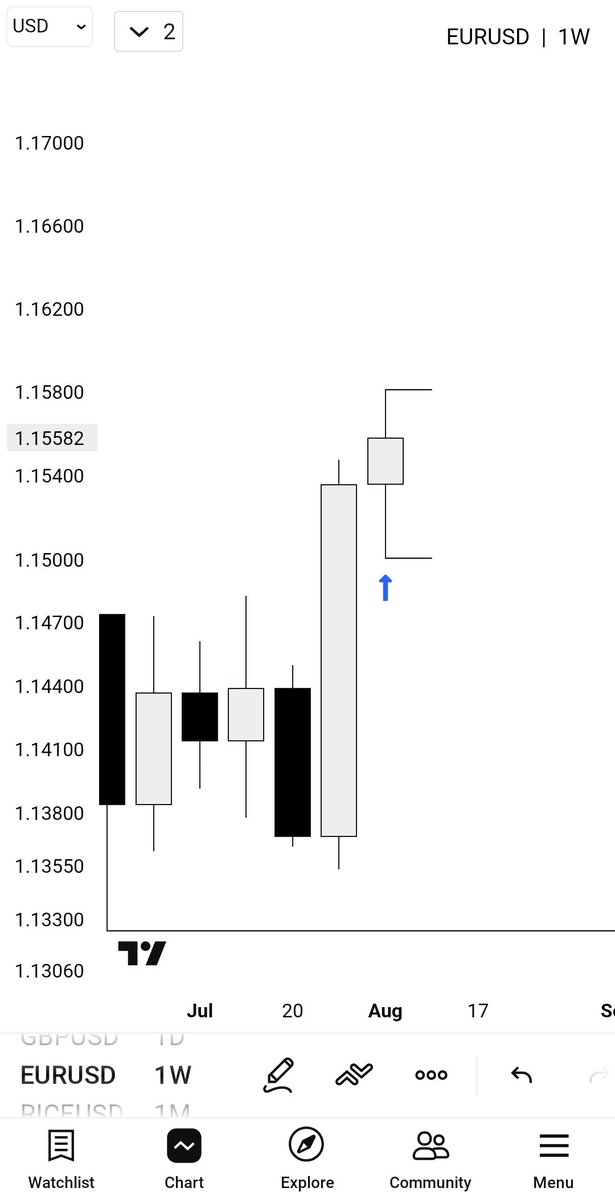
🇪🇺🇺🇸 Here's how I'm planning the next few weeks.
Bias is bullish into the level first expecting price to push up before anything else happens.
Once that level is tapped,
I'm watching for a retracement back down to the June low.