This article investigates the clinical characteristics and outcomes of patients with early vs. late diagnosis of infectious encephalitis in Denmark: https://t.co/AcnIyMgJDT
In honor of #PeerReviewWeek we would like to thank our peer reviewers for their important and insightful contributions to CMI. We deeply value the time, effort and expertise that goes into writing each peer-review.
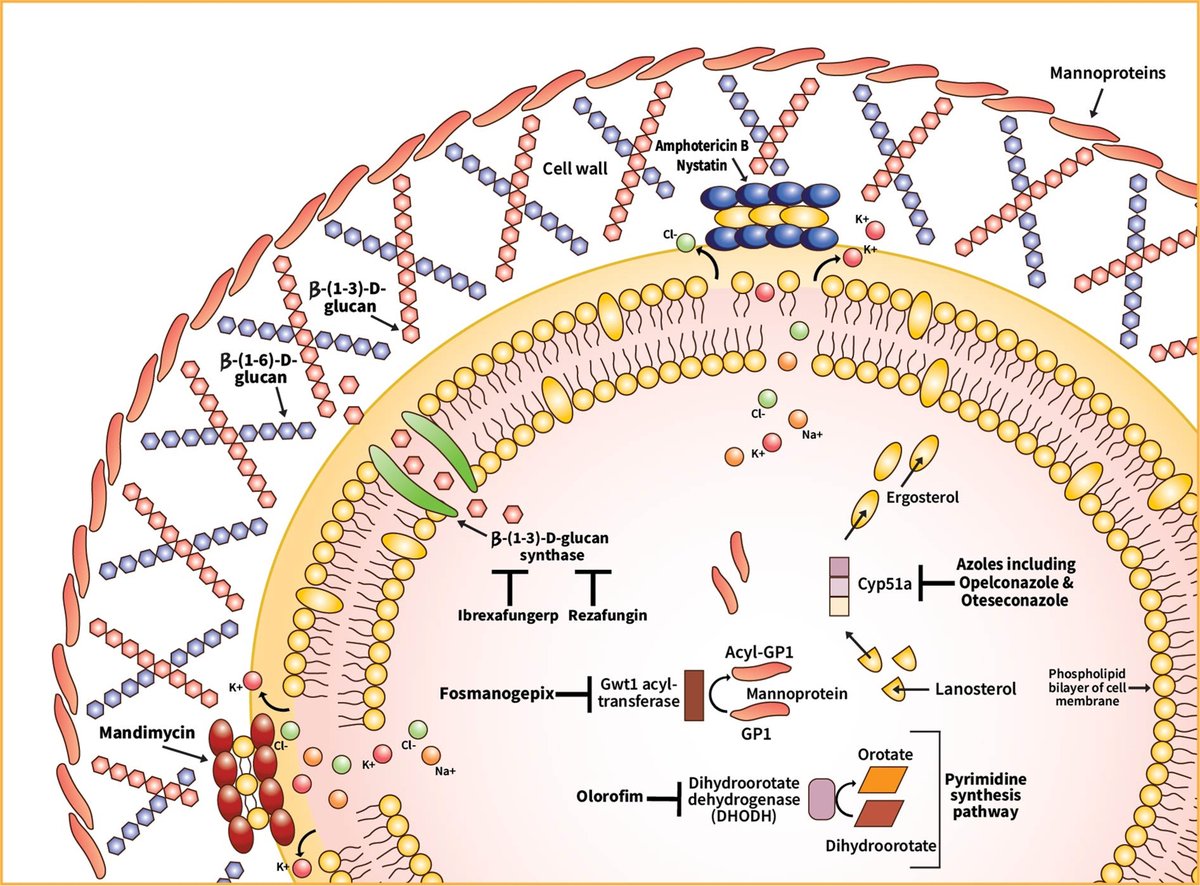
Development of new antifungal agents is challenging because of limited target sites, emergence of resistance, and adverse toxicity profiles. New agents offer alternative options for difficult-to-treat infections: https://t.co/RMvzTof4vs
📣 In the September 2026 issue: Andes virus–associated cardiopulmonary syndrome: diagnostic approaches, clinical management, and evidence gaps—a scoping review
https://t.co/1HQadlgf0P
Community-acquired pneumonia (CAP) is a leading cause of healthcare visits. This study aims to examine the effectiveness of doxycycline for outpatient CAP compared with other antibiotics:
https://t.co/j9u4jG0D9f
A systematic review and meta-analysis evaluating the impact of nudging in microbiology reports on antimicrobial use and clinical outcomes:
https://t.co/gNLUCDK38k
Strengthen your clinical research skills at this onsite course. Explore study design, bias reduction, scientific writing, and the latest developments in clinical trial methodology through practical, project-based learning.
Learn more & sign up today! https://t.co/NyxkessrxX
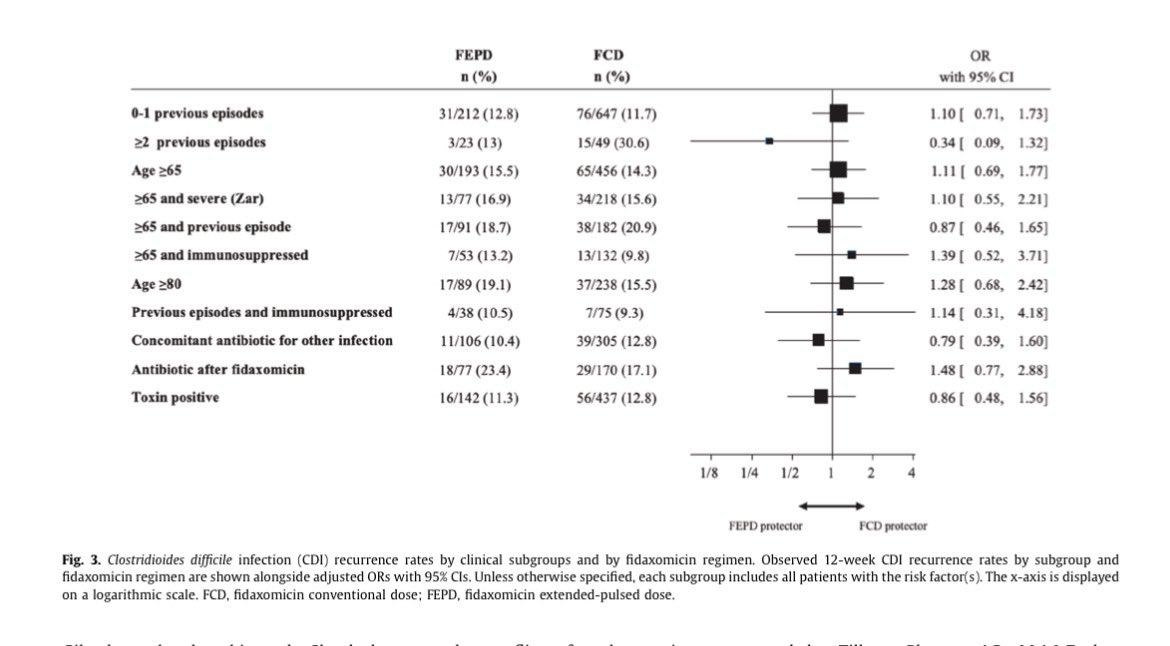
En @CMIJournal con participación de nuestro centro #JDRuizMesa. 1465 pacientes, Multicentrico, Retrospectivo en 🇪🇸 con #propensivo💻➡️#FIDAXOMICINA en administración CONVENCIONAL 🆚 “TAPERING👉🏻MISMA recurrencia 🟰🔄 en este estudio en vida real💩🏥🏡
🔗🆓https://t.co/aBKu9Odz2V
Enterococcus faecalis is a challenging cause of endocarditis and often occurs in elderly, frail patients. The aim of this study was to evaluate the use of moxifloxacin for treating E. faecalis endocarditis: https://t.co/8fOh10acTg
This prospective, population-based study examines the incidence, clinical presentation, and prognosis of infectious encephalitis among adults in Denmark: https://t.co/Z6tiQrrDmG
This review explores why MICs can vary between methods, highlights key sources of testing discordance, and discusses clinically important phenomena such as tolerance and heteroresistance that standard MIC testing may miss:
https://t.co/xCVw3EobI8
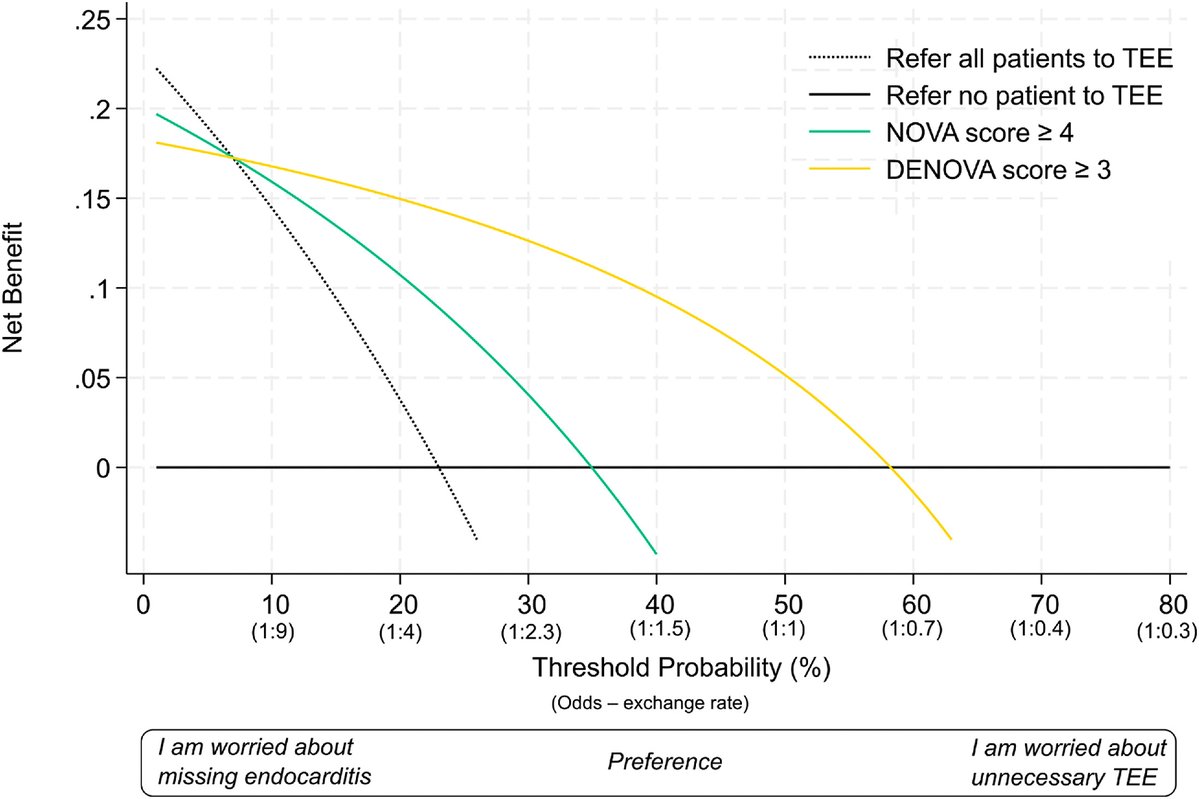
New original article demonstrates that DENOVA supports risk stratification for IE in patients with EfB, informing clinical decision-making and use of transoesophageal echocardiography.
Read the full article: https://t.co/49wRADpNrr
📣 In the July 2026 issue: Association between early SARS-CoV-2 viral rebound and post-COVID conditions among immunocompromised patients: cohort study
https://t.co/97RD24vUNs
#covid#IDtwitter
Excited to share our new Letter in @CMIJournal, where we explored the extent of anti-phage immunity induced by phage therapy! 🧫🔬 https://t.co/N68YKrFCpx 1/4
📣 New Supplement publication in CMI
The role of whole genome sequencing in antimicrobial susceptibility prediction of bacteria: 2025 update from the #EUCAST Subcommittee @ESCMID
Read here: https://t.co/ZrtZmncTwy
🌟 The 2025 JCR Impact Factor for CMI has risen to 8.7!
We thank our editors, reviewers, authors and readers for their dedication and extraordinary work.
Read about how CMI did in 2025 here: https://t.co/13O0OXuucM
#IDTwitter#Microbiology#InfectiousDiseases#JIF#JCR2025
📣 Deadline for the open call to join the CMI editorial board as an editor in virology is July 31st!
Learn more about the qualifications and expectations of the role, and how to apply in the editorial note: https://t.co/z2Vn5lGws4