Children's Medical Research Institute (CMRI) is an independent organisation committed to the treatment or prevention of birth defects and childhood disease.
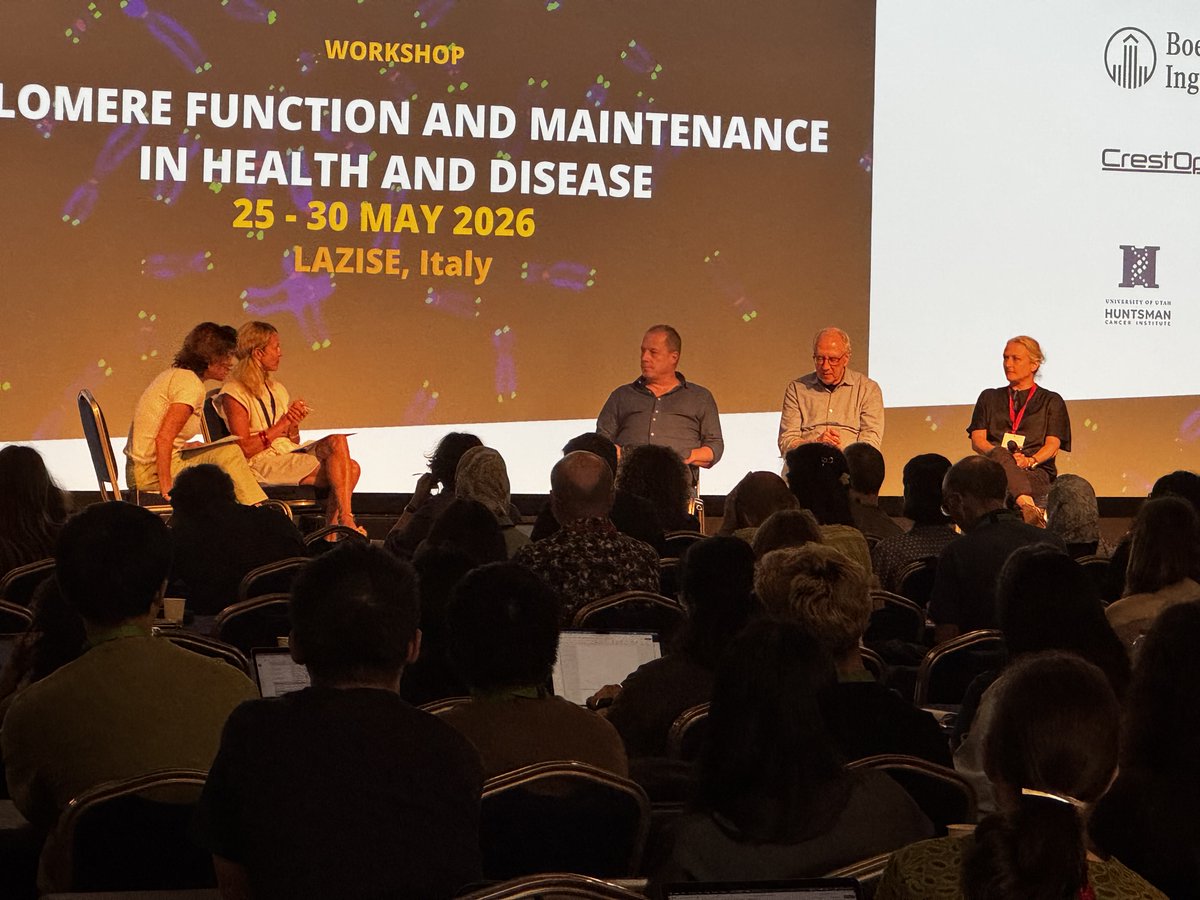
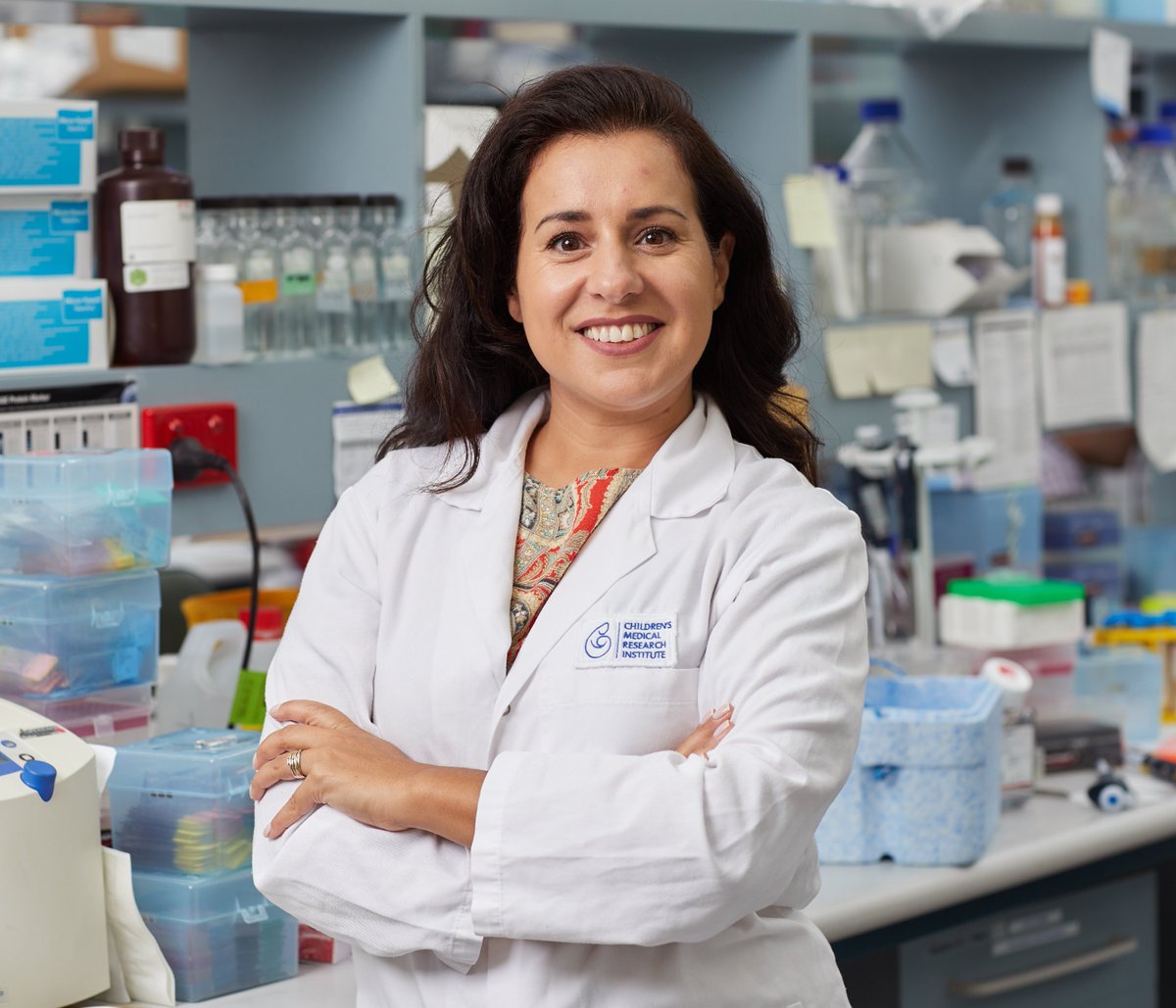
Wonderful to see CMRI’s Prof Hilda Pickett share her world-leading telomere biology research at the European Molecular Biology Organisation conference in Italy. Her advances are shaping our understanding of genome stability and disease—an inspiring moment for Australian science!
Researchers from Westmead Institute for Medical Research, Westmead Breast Cancer Institute, NSW Health Pathology and CMRI's ProCan® team have published new findings in npj Breast Cancer.
Read the full publication here: https://t.co/TLU9szH7Ay
@WestmeadInst@ProCanTech#Cancer
Congratulations to @DrLizConnolly on her PhD in Medicine from the @Sydney_Uni . Through her work with the #ProCan team at #CMRI, Liz’s #sarcoma research is helping advance precision #cancer care. We’re proud to help train the next generation of clinician-scientists.
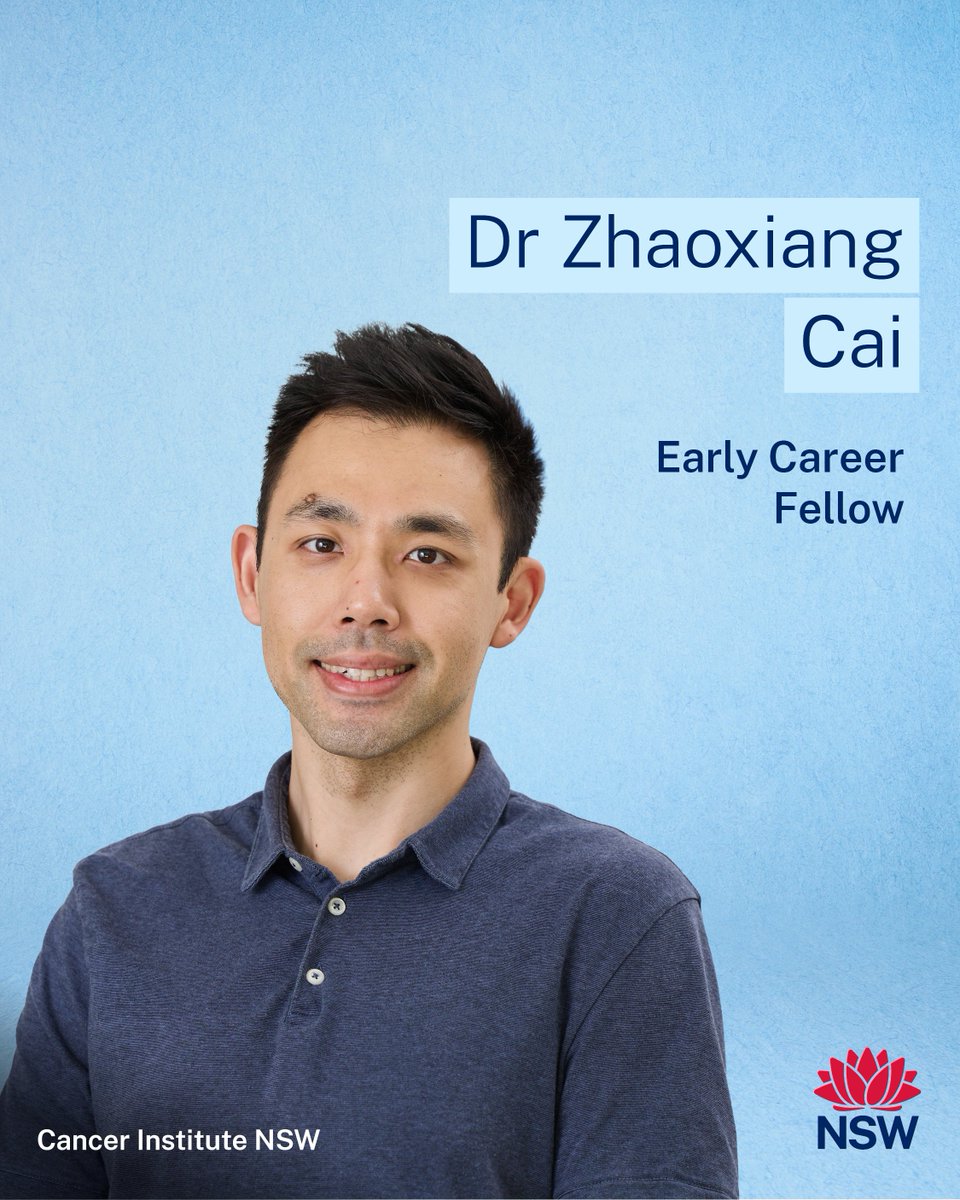
We’re proud to celebrate Dr Zhaoxiang (Simon) Cai, senior ProCan data scientist, who has been awarded a highly competitive Cancer Institute NSW Fellowship. His groundbreaking AI research is helping transform the future of cancer diagnosis. Read more here: https://t.co/hiydctvPhH
A team of scientists at CMRI, in collaboration with partners at @kids_research, has discovered a previously unrecognised lethal genetic neurodevelopmental disorder, with findings published in Acta Neuropathologica @SpringerNature. Read more: https://t.co/cESB9NvpSz
@YuenMichaela
Researchers at @CMRI_AUS alongside Drs. Pengyi Yang and Anai Gonzalez-Cordero show that retinoic acid levels shape retinal #organoid development, directing cell fate, maturation, and macular versus peripheral identity.
🔓 #OpenAccess
Learn more here:
🔖 https://t.co/u7RsbOqBq1
3/3 This level of control over retinal cell fate is expected to enhance the precision of retinal disease models and support the development of targeted cell replacement therapies.
1/3 In a new publication from CMRI’s Stem Cell Medicine and Computational Biology Units, retinal organoids were used to define the role of retinoic acid (vitamin A) signalling in early human retinal development.
Read the full pub: https://t.co/WObqFTfhhK
2/3 The study demonstrates that retinoic acid orchestrates cell fate decisions, maturation, and regional patterning, highlighting its central role in establishing retinal identity during human development.
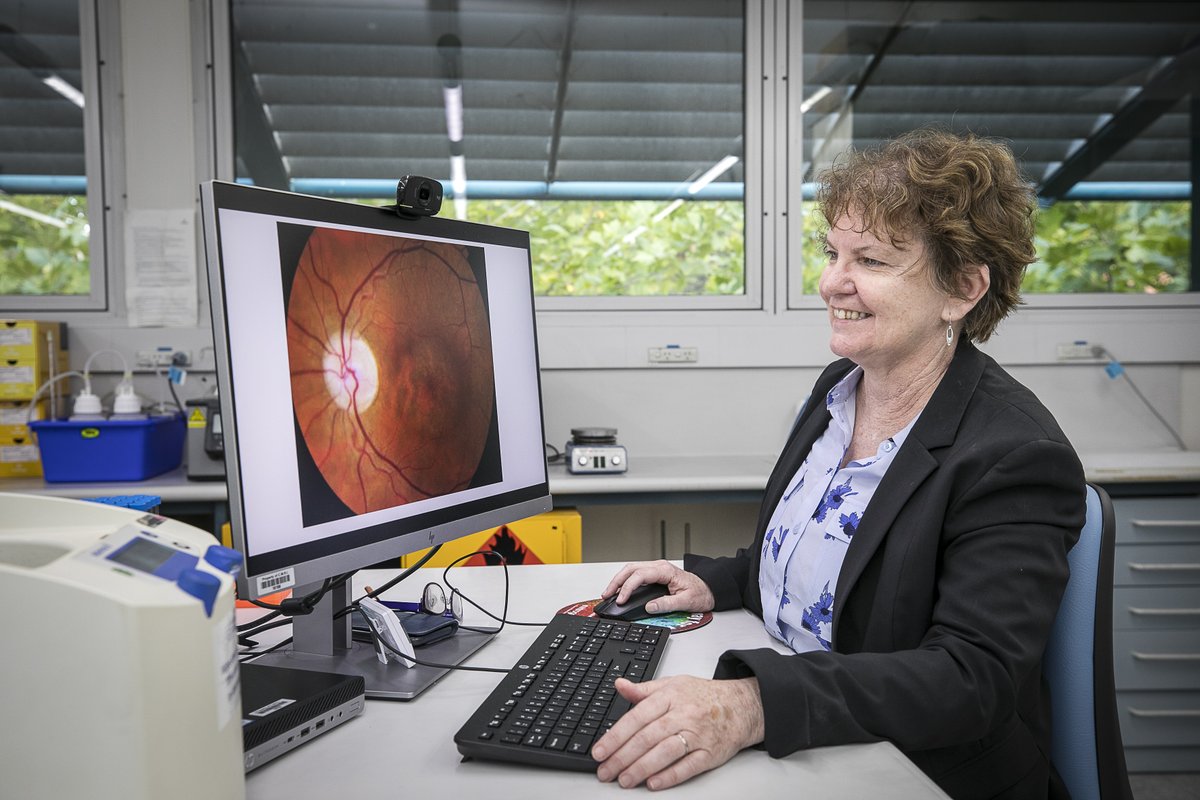
1/3 We were pleased to hear CMRI Prof Robyn Jamieson featured on ABC Radio’s Evenings program this week, where she shared expert insights on the rapidly advancing field of gene therapy and its impact on restoring vision for Australians living with genetic eye disease.
2/3 As a leading clinician-researcher in this space, Professor Jamieson was invited to speak about the breakthroughs transforming patient outcomes and what lies ahead for this cutting-edge area of medicine.
The tool can reliably identify common and rare cell populations when analysing complex single-cell data sets and has important potential in disease research and precision medicine.
Children's Medical Research Institute's Head of Computational Systems Biology, A/Prof Pengyi Yang, has a new publication out today in Molecular Systems Biology which involved developing a new AI method known as Hydra. @SpringerNature
Full pub here: https://t.co/Mk8k139QB5
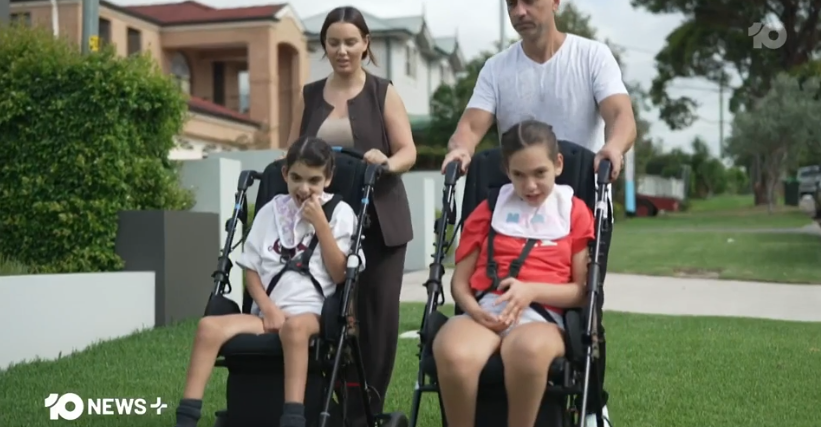
Thank you to Mira and Charlie Taouk for sharing their heartbreaking story and 10 News + for talking to Professor Leszek Lisowski.
You can watch the full story here: https://t.co/IKmCnBKcgr
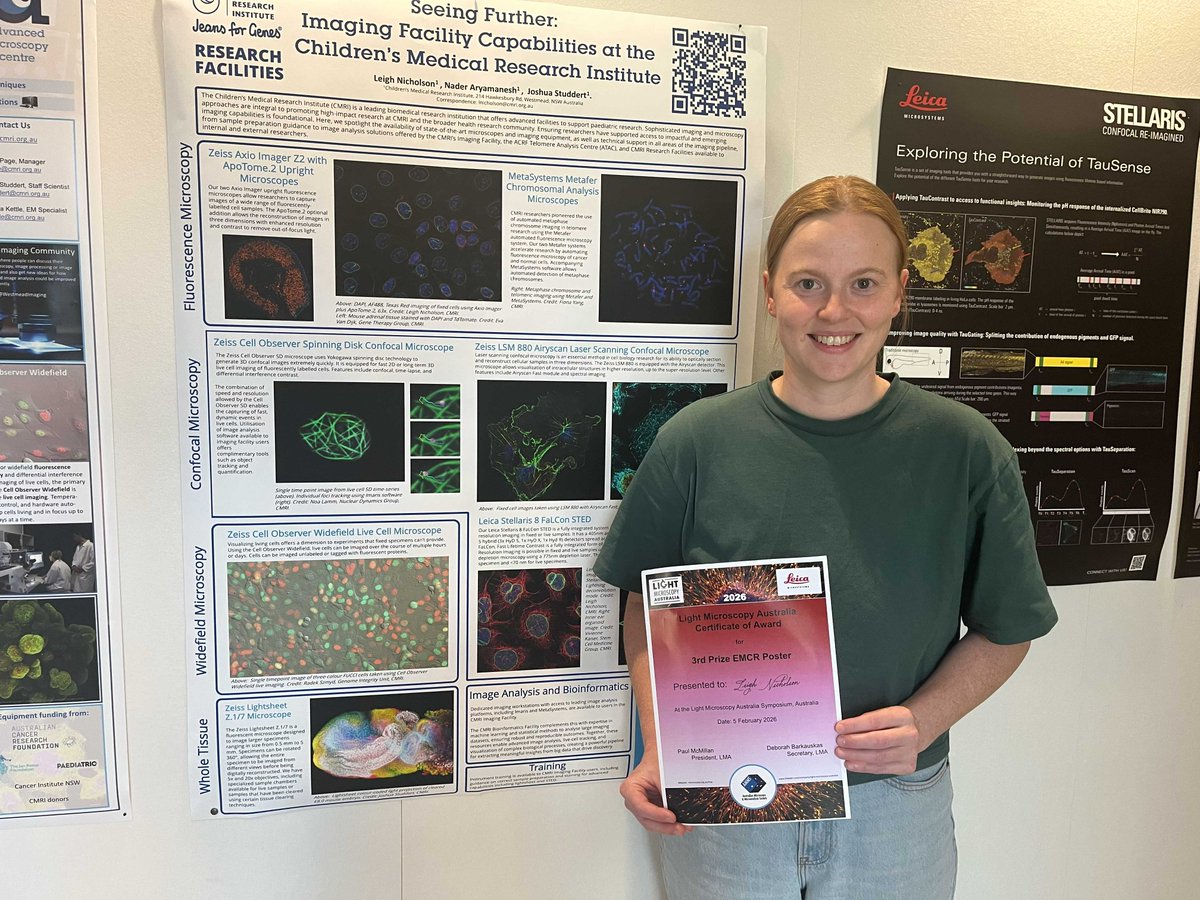
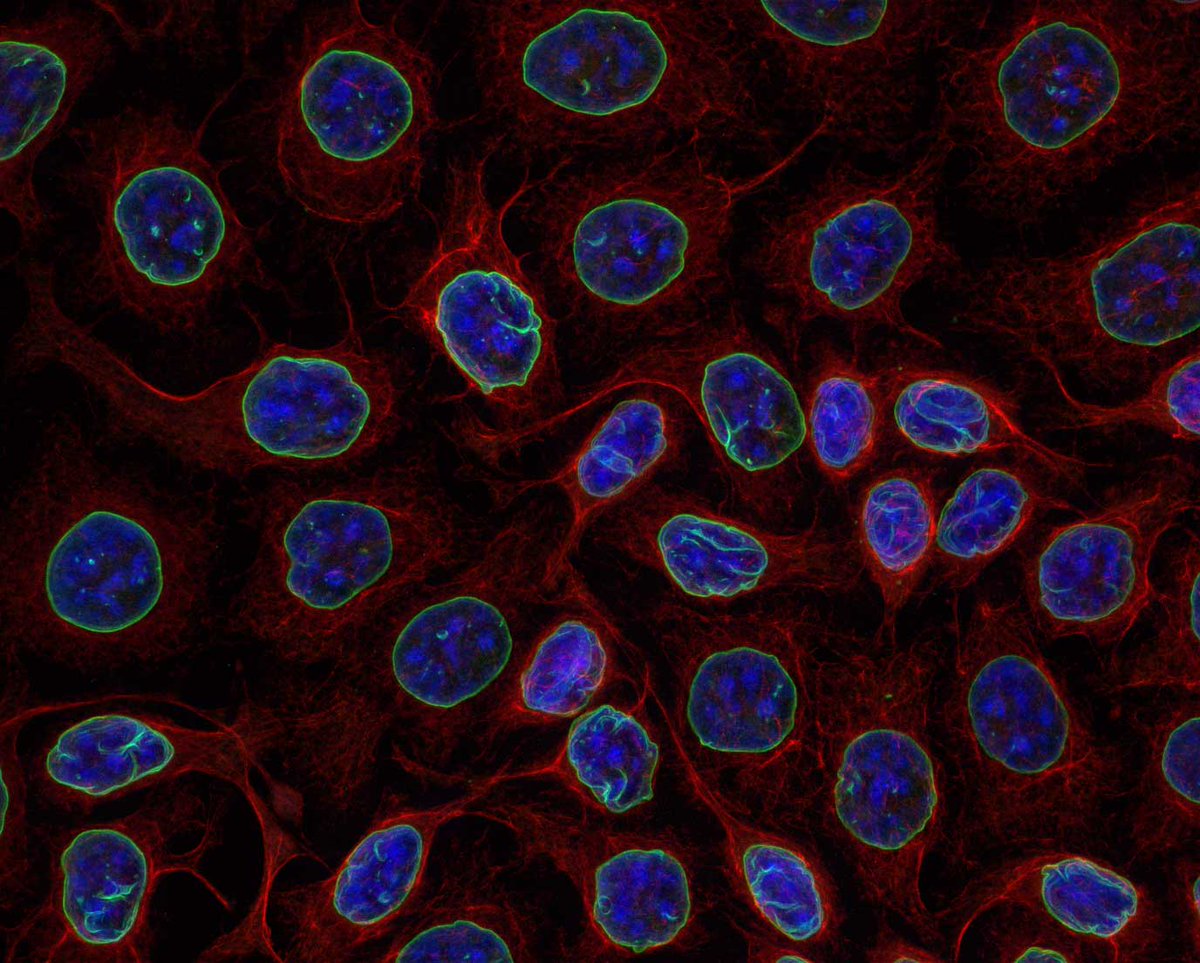
Sometimes science and art intersect! Congratulations to Leigh Nicholson from CMRI who won an Early-Mid Career Research award for her poster at the recent Light Microscopy Australia Symposium at the @Sydney_Uni for her incredible images highlighting our research.
RESEARCH PAPER: Potent synthetic lethality between PLK1 and EYA family inhibitors in tumors of the central and peripheral nervous systems
By Nelson et al., and Hilda Pickett
➡️ https://t.co/dI2uScugf5
@CMRI_AUS#neurocancer#cancer#cancertherapy#glioblastoma