DYK CA has a shortage of nearly 1,800 behavioral health beds for children and adolescents in crisis, and needs 2k more beds for adults in crisis?
With new regulations on psychiatric hospitals, these numbers just went up by dozens, virtually overnight.
Born with four congenital heart defects, Dylan faced a life-threatening diagnosis from the start. @ChildrensLA expert care helped him grow and thrive. Now 19, he’s an athlete on Pepperdine University’s men’s volleyball team. Read more: https://t.co/N7XCvw6DXp
Hear it from the National Alliance on Mental Illness:
Fewer psychiatric hospital beds = fewer resources for Californians in mental health crisis.
New staffing regulations are threatening the very support patients need most. Learn why: https://t.co/UI7RFlPF4a
Behavioral health care leaders and workers saw the writing on the wall — new staffing regulations at psychiatric hospitals create even more challenges for Californians seeking care, with four counties in CA losing an average of 15% of beds available to patients in crisis.
LETTERS TO THE EDITOR: Chronicle readers comment on housing in Wine Country, psychiatric hospital staffing, Tom Steyer’s campaign and the GOP culture war. https://t.co/aqNQk9p77k
Protecting Californians’ access to care in the face of emergencies or natural disasters takes partnership. Hospitals, clinics, public health, and others all work together to plan for the unexpected — and during last week’s Medline warehouse fire, that preparation paid off. https://t.co/1bEQdcrWpO
Dan Walters’ column in CalMatters gives a preview of what Becerra’s governorship could look like — and it’s a promising future for California patients. With the challenges facing health care today, California needs a serious, steady leader at the helm. Hospitals stand ready to work with the next administration to protect the health and well being of all Californians.
Opinion | Given his background, it’s unlikely that as governor Becerra would try to make attention-getting splashes as Jerry Brown did in the 1970s and Newsom has done since 2019. https://t.co/p9QcLYNq9S
📝 Dan Walters
📸 Larry Valenzuela
DYK CA has a shortage of nearly 1,800 behavioral health beds for children and adolescents in crisis, and needs 2k more beds for adults in crisis?
With new regulations on psychiatric hospitals, these numbers just went up by dozens, virtually overnight.
One week since new staffing ratios in CA & the results are devastating — four counties have lost, on average, 15% of their acute psychiatric hospital beds for children and adults in behavioral health crisis. Even more closures are expected. Read our release: https://t.co/tt0befpXJ6
When a hospital closes, communities suffer the impact: no emergency services, no labor & delivery departments & no safety net for Californians’ care. With @Esmeralda_Soria's leadership, AB 1923 protects hospitals & the patients who rely on them.
“The Distressed Hospital Loan Program took hospitals that were one step away from falling off a financial cliff, and…it gave them a little bit of space,” said Carmela Coyle, President & CEO of CHA to @politico. “And the federal legislation just…blew them not only back to the edge, but potentially over the edge.” https://t.co/DmedaNCSJD
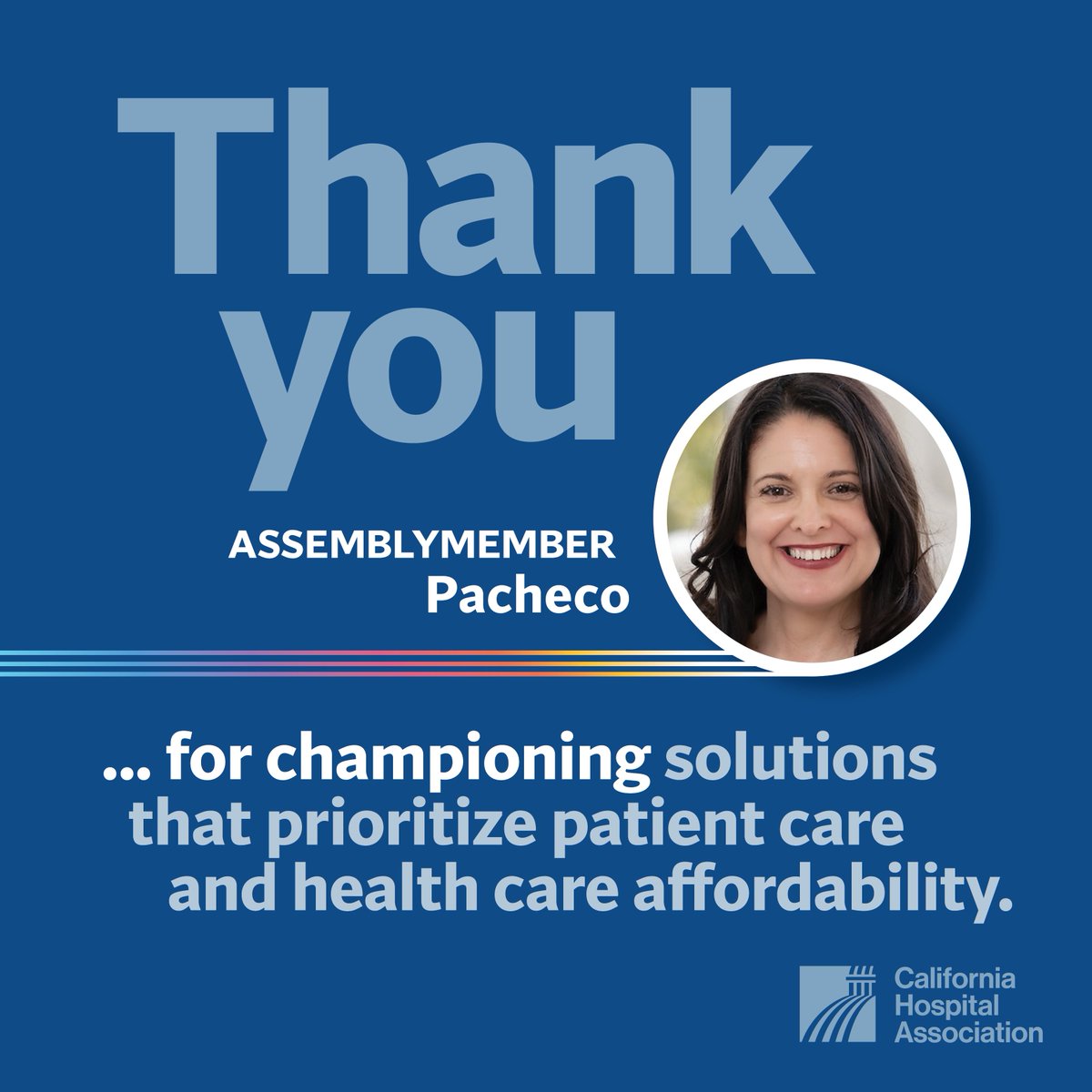
Californians deserve a health care system that spends smarter & prioritizes patients’ access to care — and AB 2353 is the first step to preserving the funds needed to support Californians’ well-being. Now, it’s closer to becoming law, thanks to @AsmPacheco.
Hospital leaders are grateful to CA lawmakers, @Rubio4Assembly, @DavidTangipa, and @Esmeralda_Soria, for taking the time to learn about how doctors and nurses are using AI to meet Californians’ growing health care needs and achieve the highest quality of care for every patient.
Clinicians use many different tools to provide care to patients — stethoscopes, X-rays & computers are all part of managing Californians’ care. AI is just one more tool doctors and nurses have been using for years to revolutionize patient-physician interactions and improve chronic disease management.
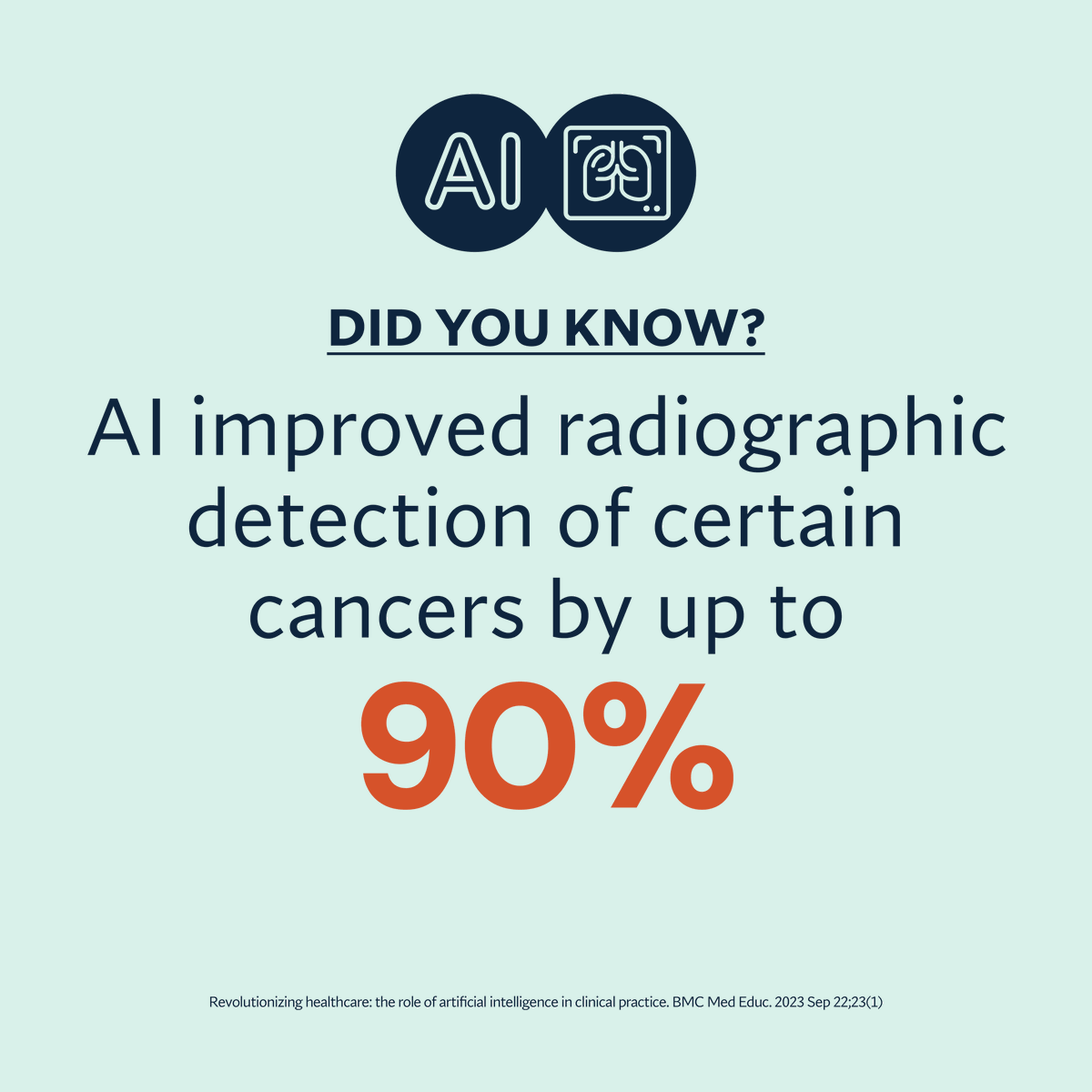
AI-assisted imaging tools are allowing clinicians and radiologists to diagnose cancer earlier, catch cardiac arrest faster, and identify warning signs before negative health outcomes affect Californians.
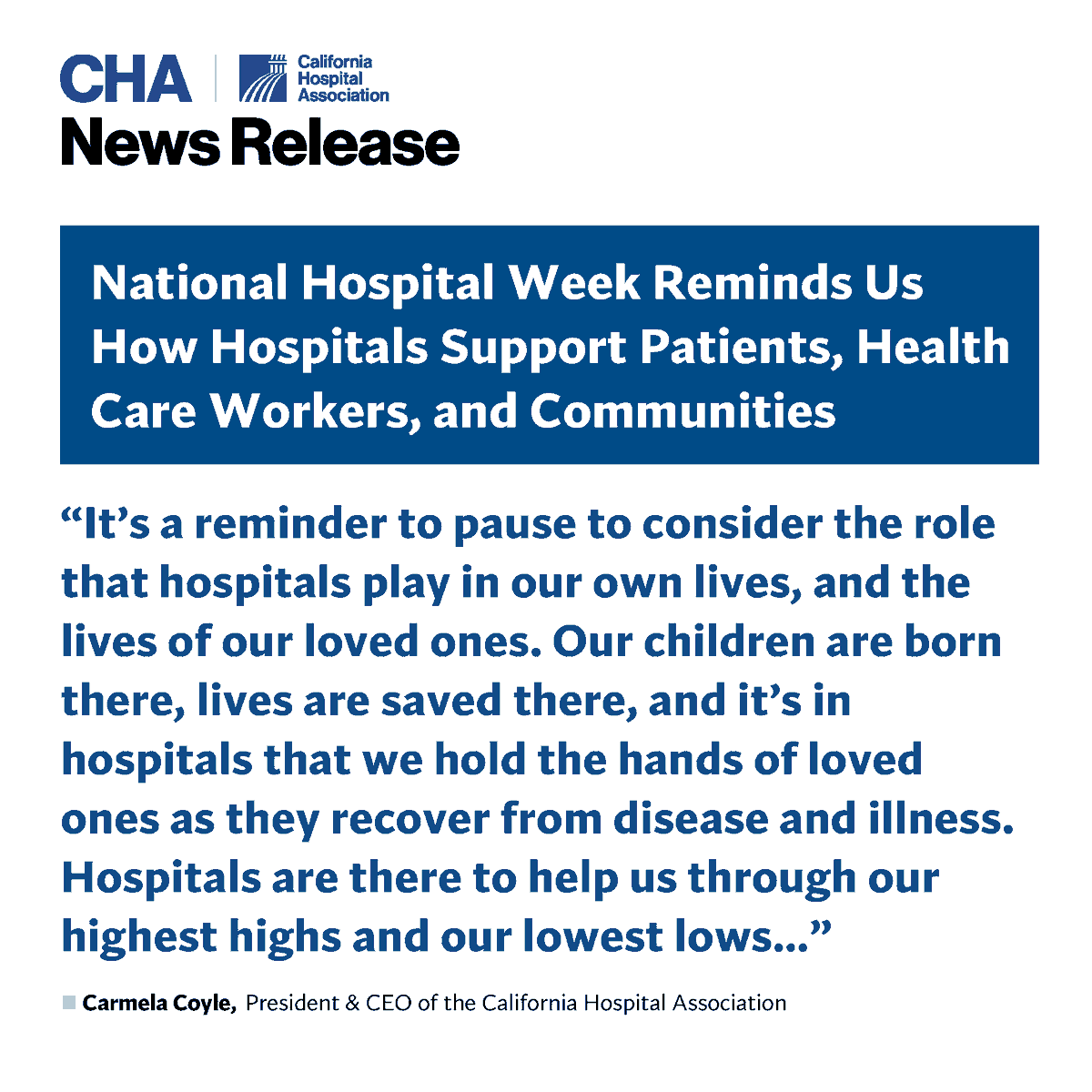
As National Hospital Week ends, we’re reminded not only of their contribution to their communities, but what’s at stake if state and federal policy fail to protect patients and hospitals and preserve access to care for all Californians.
Many thanks to @Esmeralda_Soria for championing AB 1923 and Californians’ access to care by protecting hospitals around the state that are at risk of closure. Every patient deserves a nearby hospital they can count on — AB 1923 moves CA closer to that goal.
Thank you @AsmPacheco for continuing to prioritize affordability and patient care — AB 2353 offers a path to spend health care dollars smarter, while preserving Californians’ access to high-quality health care services. Now, it’s one step closer to becoming law.
Today’s May Revision budget proposal from @CAgovernor reflects what hospitals know to be true — coverage is key to meeting the health care needs of Californians. Preserving patients’ access to care is paramount & additional funding will be needed to protect vital health care services. https://t.co/zEILwyE3Pk
As Californians reflect on the life-saving care hospitals provide in every community, the Senate has adopted Senate Resolution (SR) 110, recognizing May 10-16, 2026 as National Hospital Week, thanks to @ShannonGroveCA, Sen. Weber-Pierson, MD, and @SenValladares.
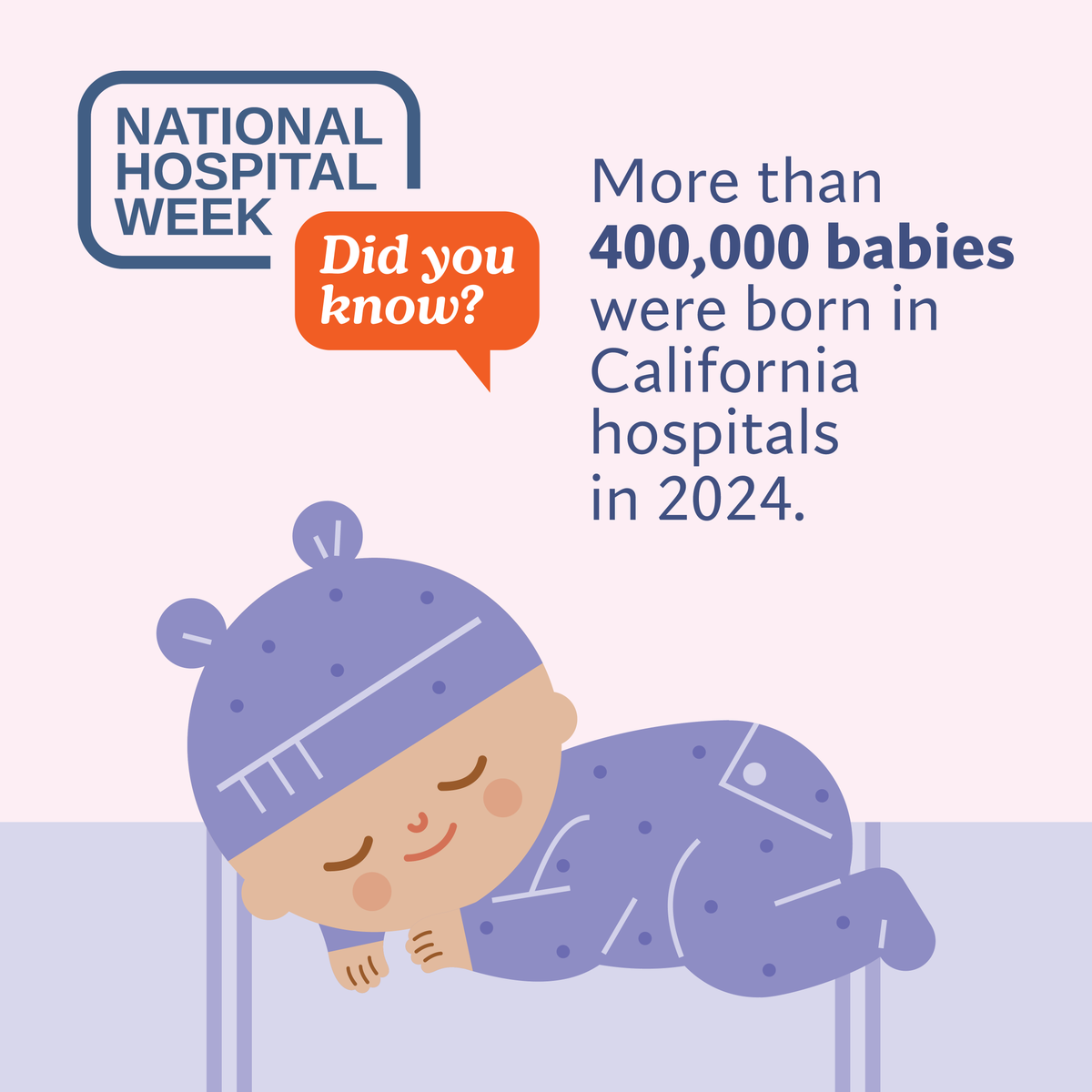
From the first ultrasound to the delivery room, hospitals support moms and their babies at every step of pregnancy — contributing to the lowest maternal mortality rate in the country.