On June 9, 1909, Alice Huyler Ramsey left New York in a Maxwell touring car.
Three women rode with her. None of them drove.
Fifty-nine days later, Ramsey reached San Francisco and became the first woman to drive across the United States.
On June 9, 1973, Secretariat reached the Belmont stretch alone.
He won by 31 lengths, finished the Triple Crown, and set a 1 1/2-mile dirt record that still stands.
The missing frame is the space behind him.
On June 8, 1959, the U.S. Post Office tried one of its strangest shortcuts.
It put mail inside a Regulus missile.
Twenty-two minutes later, letters that had left a submarine were on their way back into the ordinary postal system.
On June 8, 1887, Herman Hollerith applied for a patent on a punch-card tabulating system.
The famous part came later: census rooms full of machines counting a country faster than clerks could by hand.
The missing frame is quieter: one card, one hole, one person becoming data.
On June 7, 2021, NASA's Juno spacecraft skimmed past Ganymede.
For a few minutes, Jupiter's largest moon became a close-up world again: ridges, craters, ice, and one small machine passing through the dark.
A flyby is brief. The data lasts.
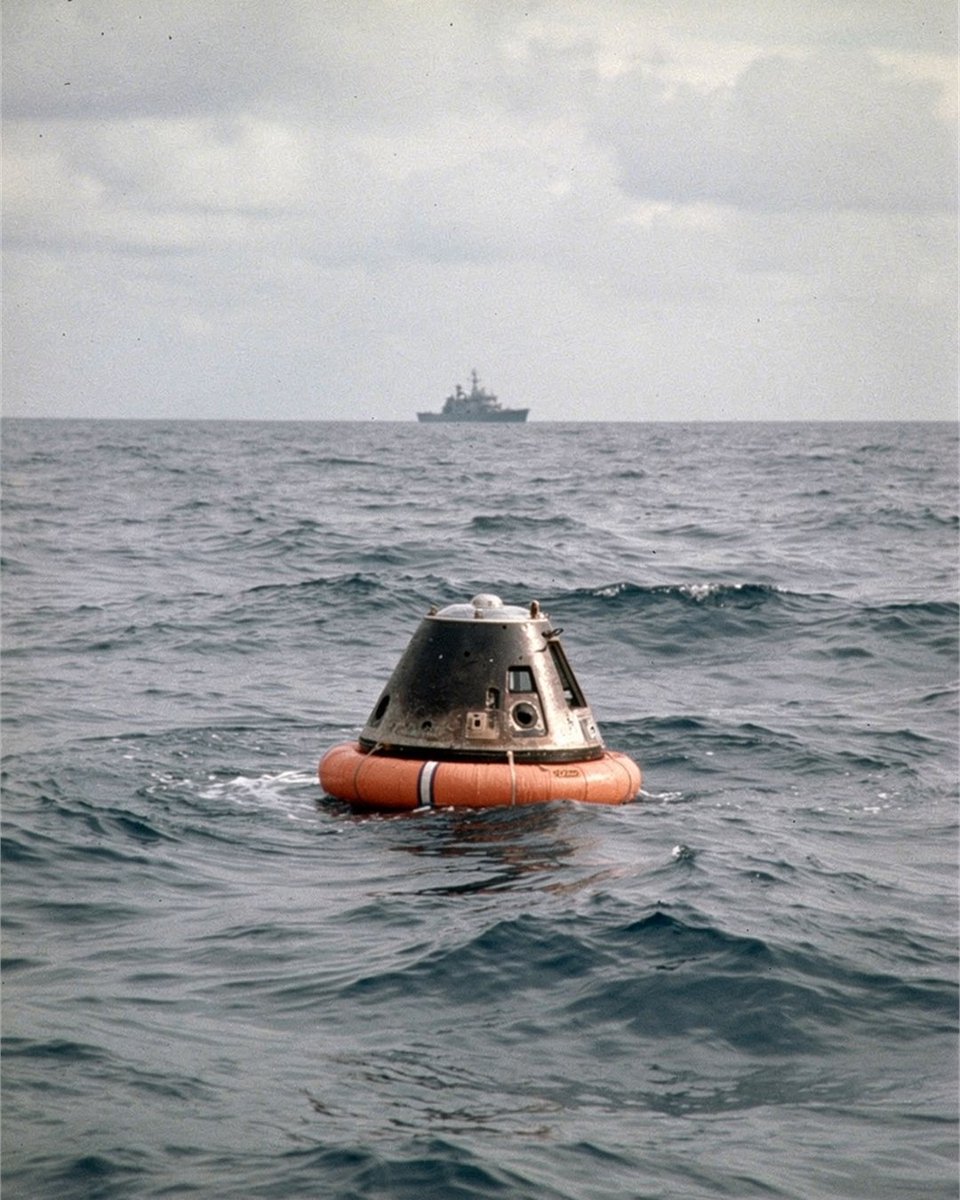
On June 7, 1965, Gemini IV came home after four days in orbit.
The mission had carried the first American spacewalk, but its last act was quieter: a small capsule in the Atlantic, waiting for recovery.
Space history often ends in paperwork. This one ended in waves.
On June 6, 1844, a small meeting above a London drapery shop became the first YMCA.
There were 12 young men in the room.
The movement would not stay small.
On June 6, 1882, Henry W. Seely received a U.S. patent for an electric flat-iron.
The idea was simple enough to fit on a workbench: put electrical resistance inside the iron, and turn current into heat.
Before the appliance aisle, there was the experiment.
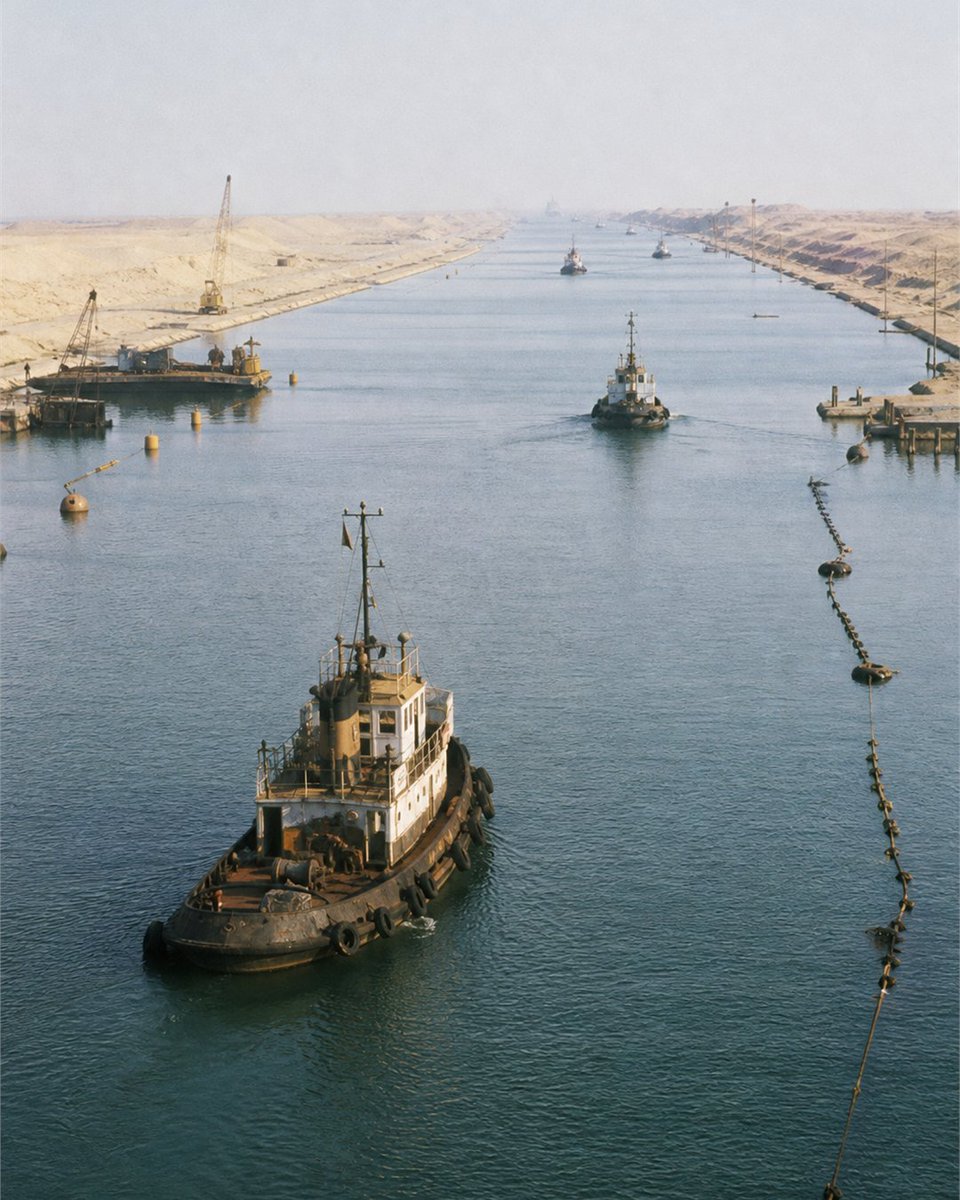
On June 5, 1975, the Suez Canal reopened after eight years closed.
Before ships could return, the waterway had to be cleared of the wreckage and hazards left by war.
A blocked route became a passage again.
On June 5, 1947, George Marshall stood at Harvard and described a Europe still breaking under the weight of war.
The speech was quiet. The implication was not.
What followed became the Marshall Plan: recovery treated not as charity, but as architecture for peace.
On June 4, 1783, the Montgolfier brothers gave their first public hot-air balloon demonstration in Annonay, France.
Before aviation had engines, cockpits, or runways, it had linen, paper, rope, smoke, and a crowd watching a strange envelope fill with heat.
The sky became reachable by fabric.
On June 4, 1919, Congress passed the amendment that would become the 19th.
The vote did not end the long fight for suffrage, and it did not enfranchise every woman equally. But it moved the question from the chamber floor to the states.
One more door had opened.
On June 3, 1880, Alexander Graham Bell sent a voice message without a wire.
His photophone aimed sound into a mirror, sunlight carried the vibration across open air, and a receiver turned light back into speech.
The first wireless call was a beam.
On June 3, 1965, Ed White opened Gemini IV's hatch and became the first American to walk in space.
Before the famous frame outside the capsule, there was this smaller threshold: helmet, hatch, tether, and a black doorway over Earth.
The first step was a room with no floor.
On June 2, 1955, the paperwork for a secret test range in the Kazakh steppe became the birthday of Baikonur.
It did not begin as a postcard spaceport. It began as survey lines, rail dust, temporary tables, and a place chosen before the world knew what it would launch.
The first spaceport, before the first countdown.
On June 2, 1966, Surveyor 1 made NASA's first soft landing on the Moon, touching down in Oceanus Procellarum.
Before footprints, there was this proof of arrival: radar, retrorockets, a television camera, and a machine learning how to land gently.
The Moon, first answered by telemetry.
On June 1, Samoa marks Independence Day, tied to the celebrations of 1962 after independence took effect earlier that year.
The frame is not a postcard beach. It is a public day becoming civic memory: mats, speeches, shade, and people gathered for a country's first year on its own terms.
A Pacific history with its own center.
On June 1, 1963, Kenya marked Madaraka Day: internal self-government after decades of colonial rule.
A country did not arrive in a single ceremony. It arrived in papers, radios, rooms, and people listening for what self-rule would require next.
Not a flag shot. The morning the work changed.
On May 31, 1859, the Great Clock at Westminster started ticking.
Before it became a London sound, it was machinery: gears, timber, iron, and a pendulum beginning the work of keeping public time.
Not a postcard. The room before the rhythm.
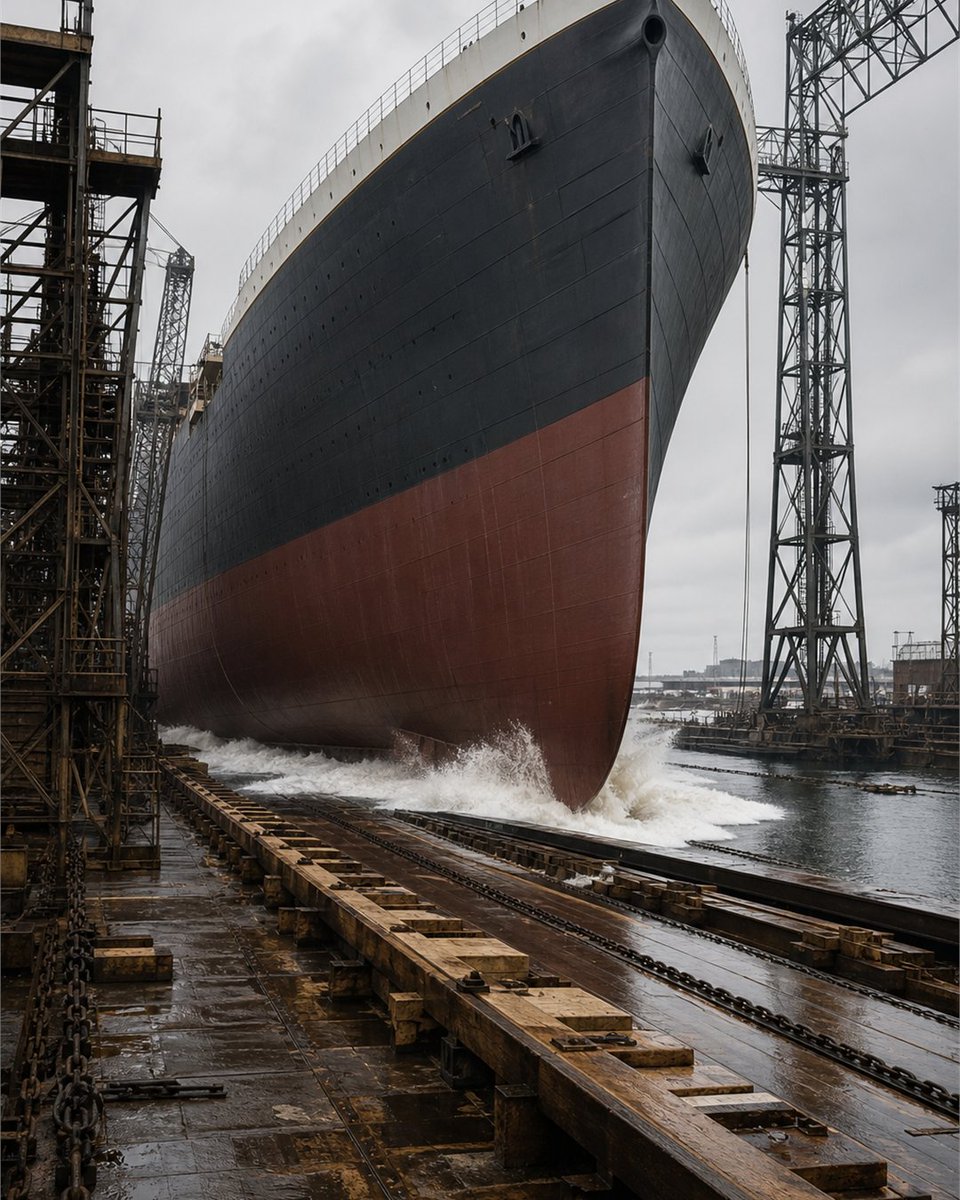
On May 31, 1911, Titanic was launched at Belfast.
Before the name became a warning, it was a hull sliding toward the water: timber supports, wet slipway, workers watching the first movement of something too large to feel ordinary.
Not the voyage. The first floating.