O site Céu Profundo https://t.co/nmT0xURaiK recebeu o selo de qualidade da SAB, e agora faz parte do catálogo de fontes de astronomia reconhecidas pela Sociedade Astronômica Brasileira :)
https://t.co/gQTwPzLhcW
Synoptic map of the Sun:
4324 and 4325 still the largest region with highest flare/CME potential, 4325 is showing signs of decay
New region near the east limb
Coronal hole CH10 is responsible for fast solar winds 500-600 km/s but leaving
Center: Some filaments, unstable?
NASA's SPHEREx released its first multispectral map of the infrared sky.
It sees the sky in 102 infrared "colors," which lets it do things like this: One image highlights mature stars; the other focuses on carbon soot & gas clouds where new stars form.
https://t.co/zI5T6NOdVW
Cheers to new frontiers in 2026! 🎇
50 years ago, @NASAJPL rang in the new year with a Rose Bowl Parade float celebrating the Viking Project's search for life on Mars.
On July 20, 1976, the Viking I lander become the first completely successful Mars landing mission.
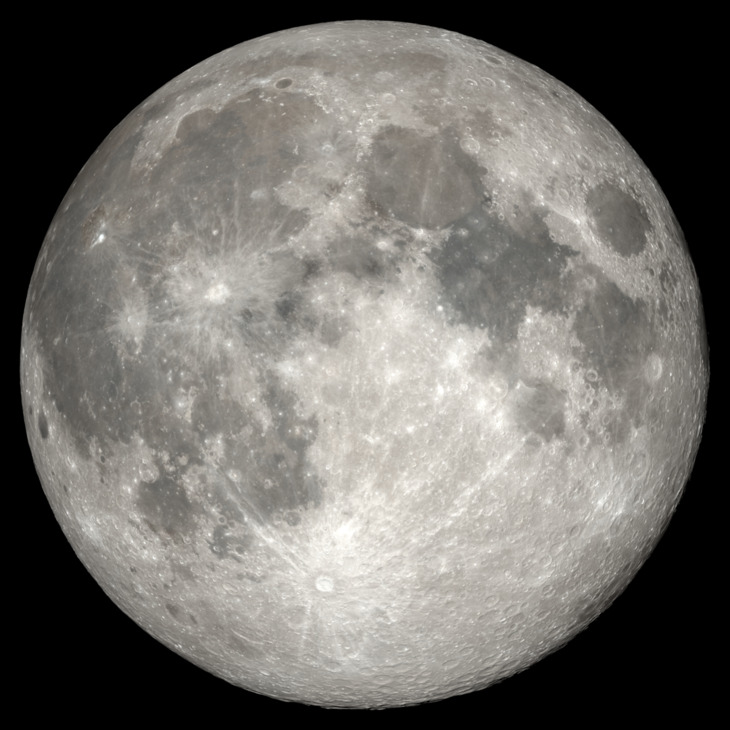
The next full moon is tomorrow, Jan. 3.
Interested in what the Moon will look like any day of the year? Get the best views with our 2026 Moon Phases video!
Northern Hemisphere: https://t.co/CjtK1f855x
Southern Hemisphere: https://t.co/rRkTnhaluI
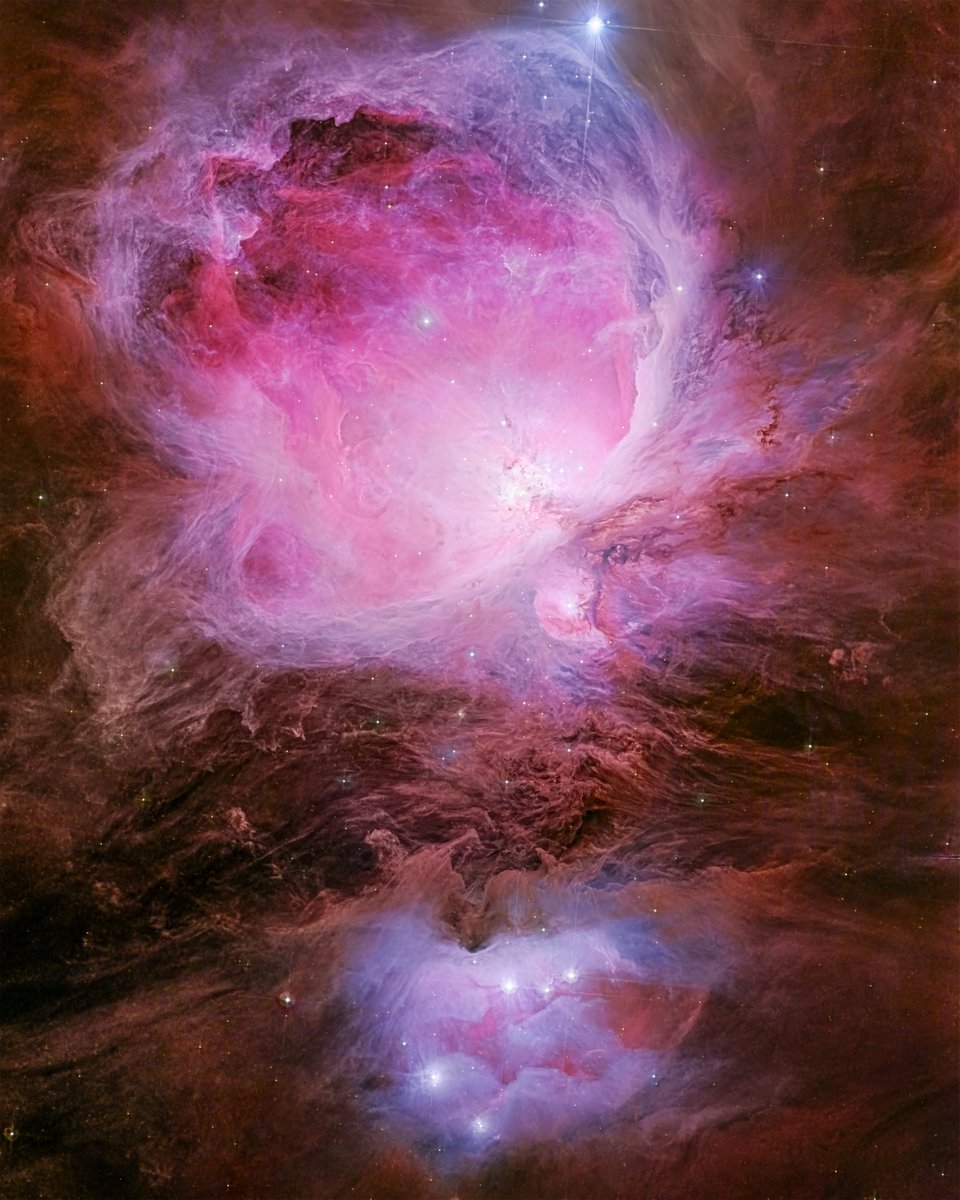
Here's my final image of the year- a detailed true color portrait of The Great Orion Nebula. Visible to the naked eye to the entire world during winter months, this is a gorgeous target for astronomers of all skill levels.
Happy new year!
Dear observers,
Let’s select a new #deepskylog sketch of the month. The candidates this month are:
NGC 884 / 869 by Tom Corstjens
NGC 1555 by Peter Vercauteren
Hyades by Jef De Wit
M 36 by Geert Corneillie
Please vote (by leaving a comment) before January 8.
Our #MarsExpress spots a strange shape on Mars, formed as a space rock collided with the planet's dusty surface.
It's known as a 'butterfly crater' but we see a walnut, an insect, the Eye of Sauron, or perhaps a moth... what do you think?
More info and images 👉 https://t.co/exS6Z8Iyn3
The incredible asteroid 130 Elektra:
It's the only one known quadruple asteroid!
The diameter of the main body is about 200km and the orbital period of its moons are: 1.2 - 1.6 and 5.3 days: https://t.co/cGlsDwDDrw
Image: ESO's VLT - SPHERE instrument
Independente de qualquer opinião sobre a natureza dos concursos de beleza, mais uma vez a vencedora do Miss Universo é uma representante do planeta Terra.
How do Rubin alerts work? 🌌📲
Think of Rubin Observatory as a friend constantly scrolling through the Universe’s social media feed. Every minute, they refresh and see what’s new — an asteroid has moved, a star has changed in brightness...or maybe even exploded in a supernova.
Logo seremos o quinto planeta com anéis.
A quantidade de detritos e objetos em órbita da terra cresce vertiginosamente e pode inclusive se tornar um obsetáculo para futuras missões ou para novos objetos em órbita baixa.
Congestion and pollution in Earth orbit is quickly getting worse. We need to be able to quantify how our behaviour will impact the orbital environment in the future...
https://t.co/AG66U1ufwL
Minha nova casinha chamada ITA ❤️
Começando como pesquisadora no ITA e hoje palestrei lá, pela primeira vez, como pesquisadora!
E passei o dia falando sobre diversos projetos de IA na Física e Astrofísica.
Avisando a Roberta de 2014 que chegamos lá.