Do you know why Gaana has the signature sound ? Well here is why ?
The Gaana round of #MeesayaMurukku2 is over and thank you for your awesome support - now it’s time for heartbreaks and love songs. next #AdiPodi from #MeesayaMurukku2. Dropping on June 24! 🫶
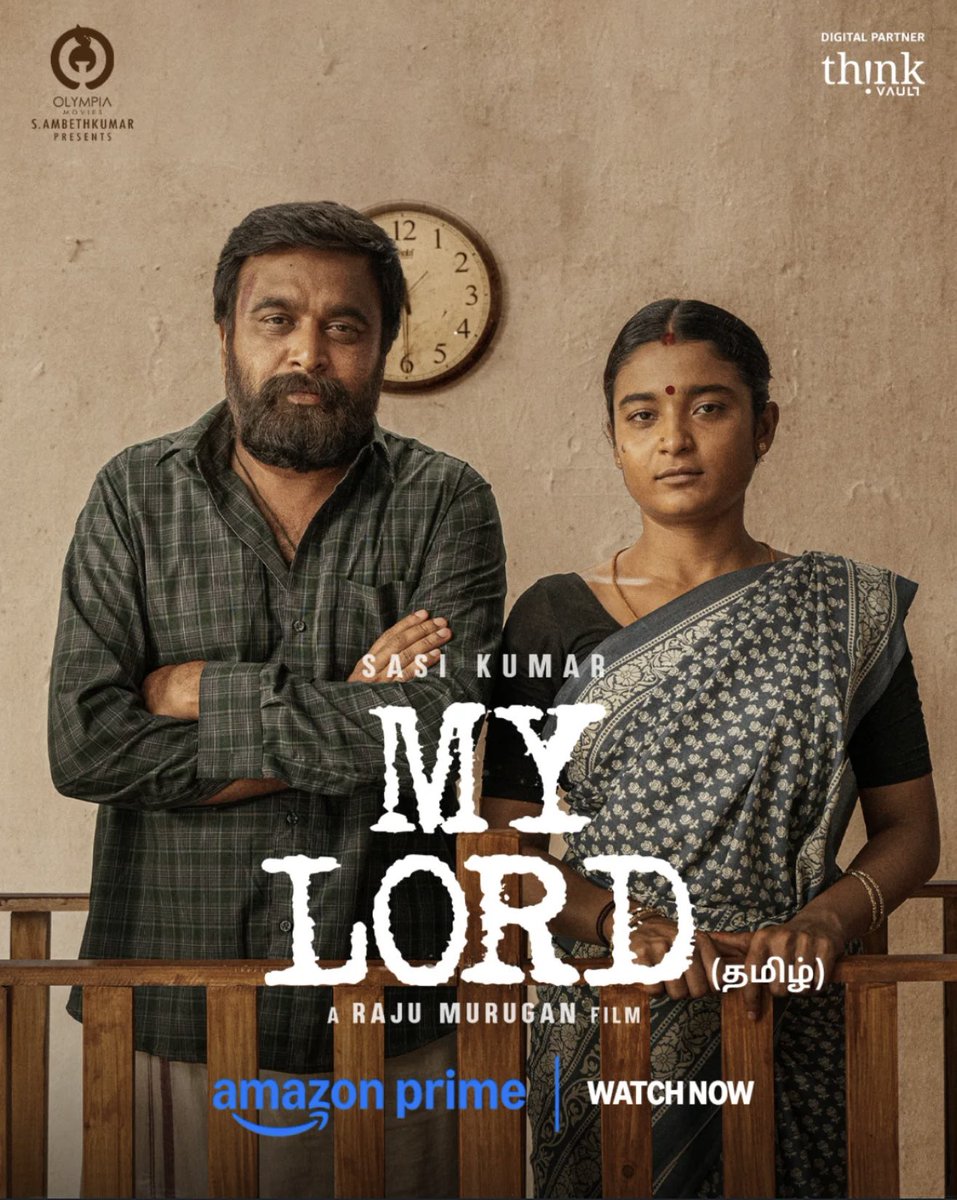
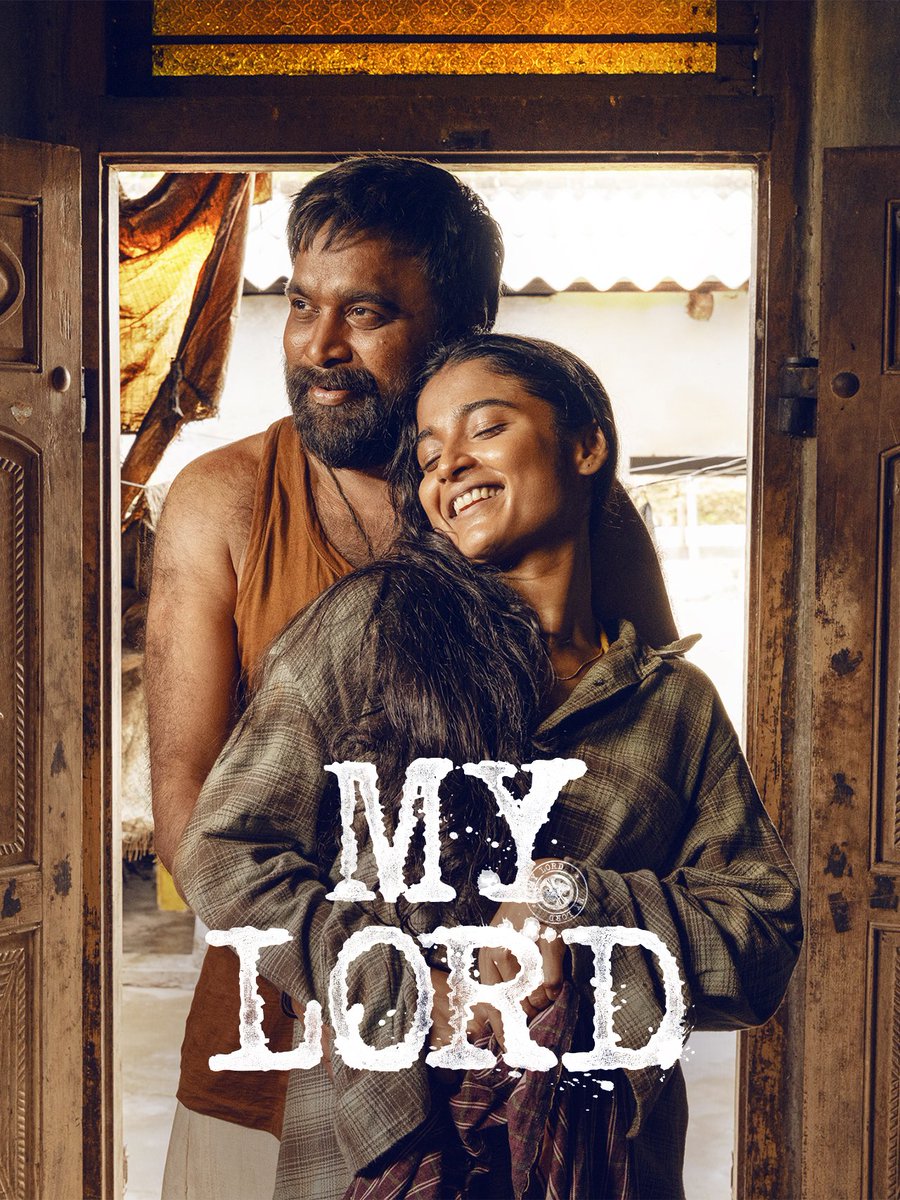
My Lord is getting good word of mouth mainly because of its strong script and realistic feel. And yeah — Sasikumar is known for picking grounded, content-driven roles… so when he chooses a story like this, it usually hits 💯
@SasikumarDir@Chaithra_Achar_
Debut film to debut award, feels surreal!
From wanting to be a part of Tamil cinema, not knowing how to start or where to begin from, to receiving my first recognition here for my debut film #3BHK from @behindwoods - feels special.
Thank you so much for this!
#grateful
Many thoughts on #MyLord (potential spoilers as always):
There’s an endearing innocence about Sasikumar. He walks into a frame and you instinctively believe his soul is uncorrupted. You feel like he ought to be protected from the casual cruelty of ‘civilised’ society. In My Lord, directed by Raju Murugan, he and wife Suseela (Chaithra, whose eyes do great emotional work) are subjected to what can only be described as Bala-esque torment. But Raju Murugan, unlike Bala, looks at the world with hope and affection. And that's why horror here is often seen through the lens of humour. Here, even a caricaturish woman villain is allowed redemption.
Before all the suffering begins, the film smartly spends time with Muthu and Suseela to try and get us caring about them. In this story filled with seen and unseen dangers, it's only right that Suseela loves Muthu for the simplest of reasons: she feels safe with him, and only with him. The ever-dependable flute strains of Sean Roldan, the gorgeous nature-filled montages... It all meant that I did end up caring for these two, and occasionally even shed a tear or two. Particularly during a later moment in court, when Muthu is rebuked for crying. “Ingayum azha koodadhuna, vera enga azhuguradhu?” he poignantly asks.
Raju Murugan’s scripts thrive on such touches. A bureaucrat asks, “If you don’t have enough money, why are you turning up at a government office?” A powerful woman in need of a kidney worries about the donor’s caste, only to discover that her own children are emotionally absent. Most delicious of all is the irony of excess: a rich, corrupt minister can only smell the feast before her, while Muthu and Suseela eat with appetite. And that's the interval visual.
My most favourite moment comes when Muthu gets his quiet revenge on the councillor who once beat him up before Suseela. I enjoyed that Muthu isn't lit up with revenge; even here, his intentions are noble. He only wants to see Suseela smile. And there’s another layer too: the revenge happens only because Muthu is now with someone more powerful than the councillor. In a democracy where people are reduced to votes, humiliation, like power, trickles down the hierarchy.
Where the film falters, I think, is its writing of the central adversary, the minister played by Asha Sharath. She is too obviously evil, too obviously exploitative. From her first scene, in which she yells at a nurse (for saving her life), you sense that she isn't nearly as frightening as she needed to be. It's the same with her children too. In fact, her employee, the broker, feels a lot more cunning in comparison. Perhaps all this means that the film's journey towards its end feels rather laboured, like it were just going through the motions.
Still, this is work that has heart. This is still a film that laughs, often wryly, as it lands casual, calculated punches at those who deserve more than a few.