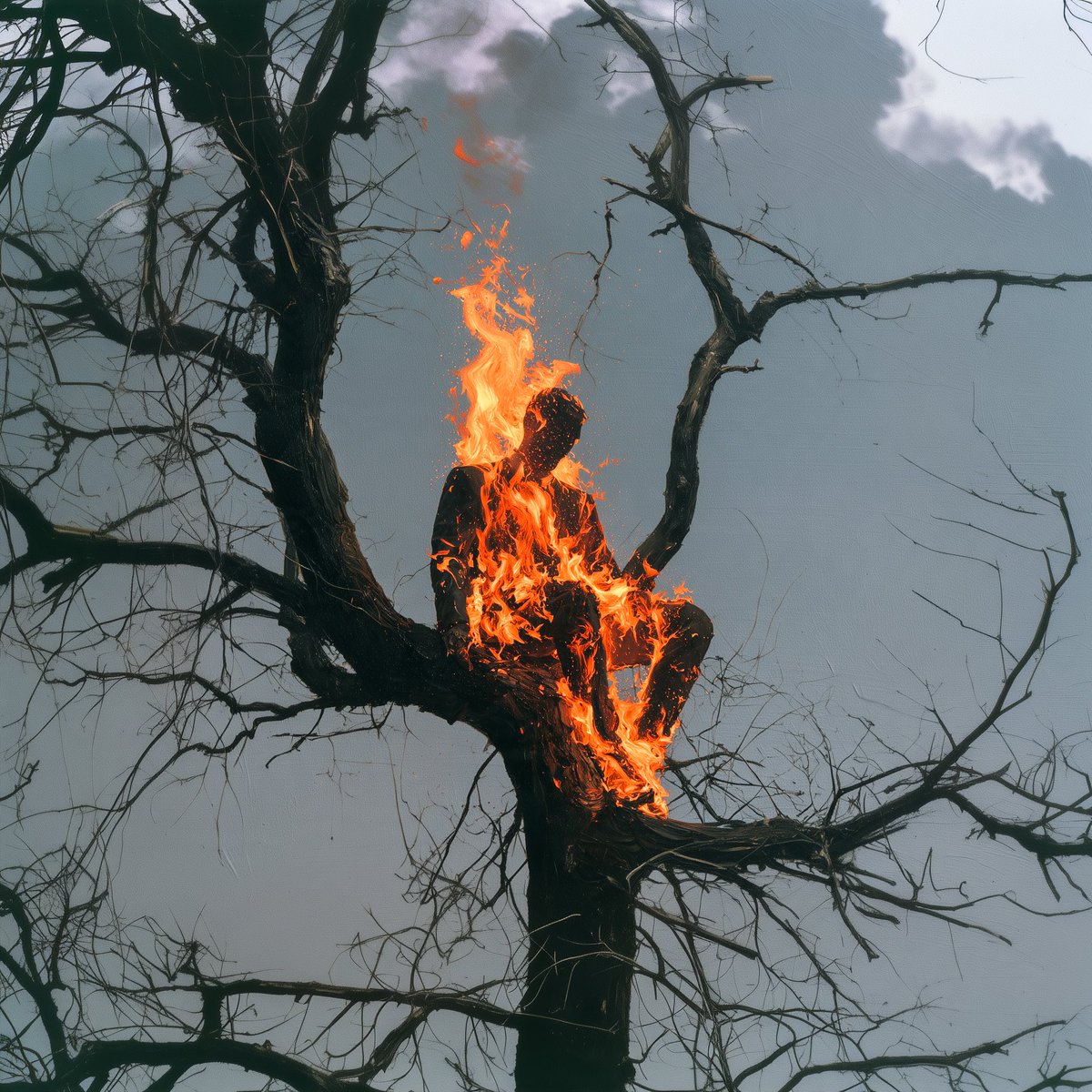
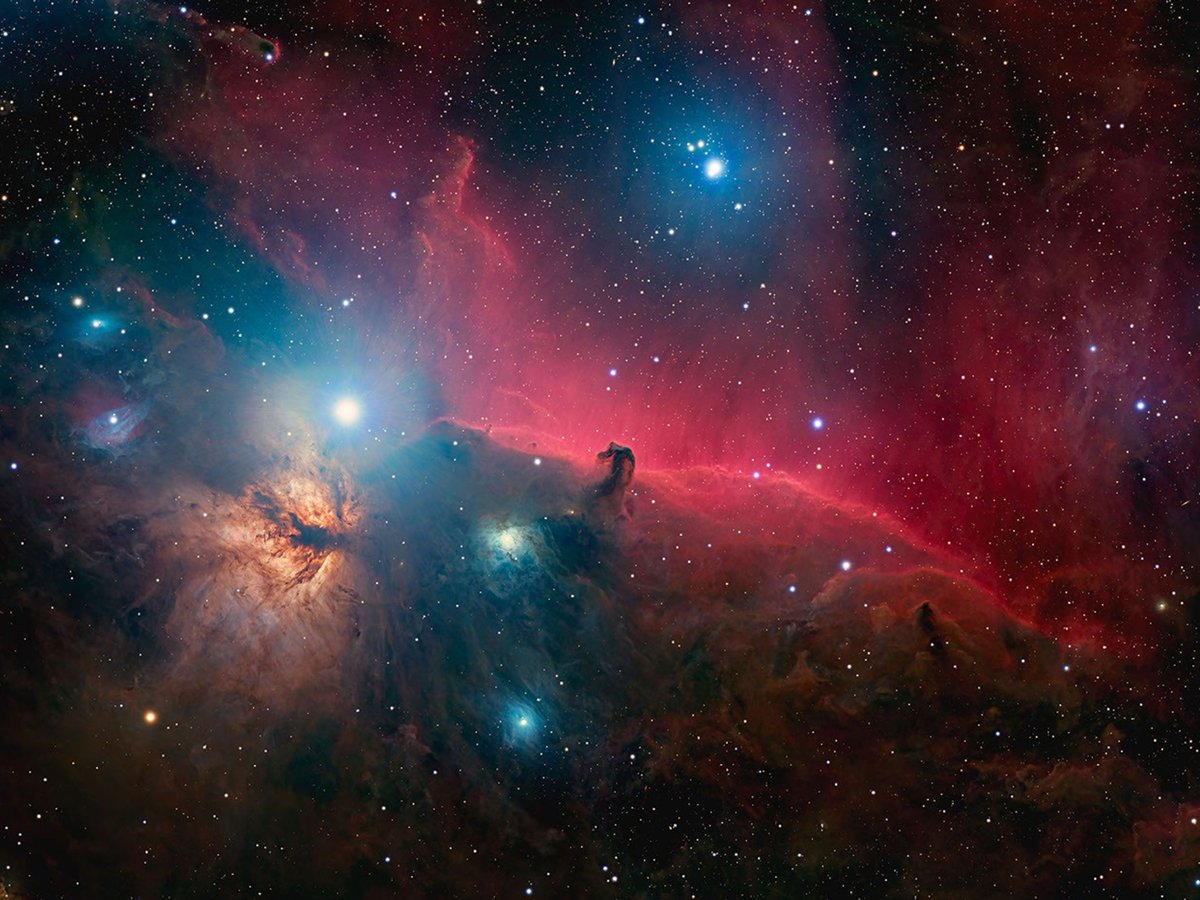
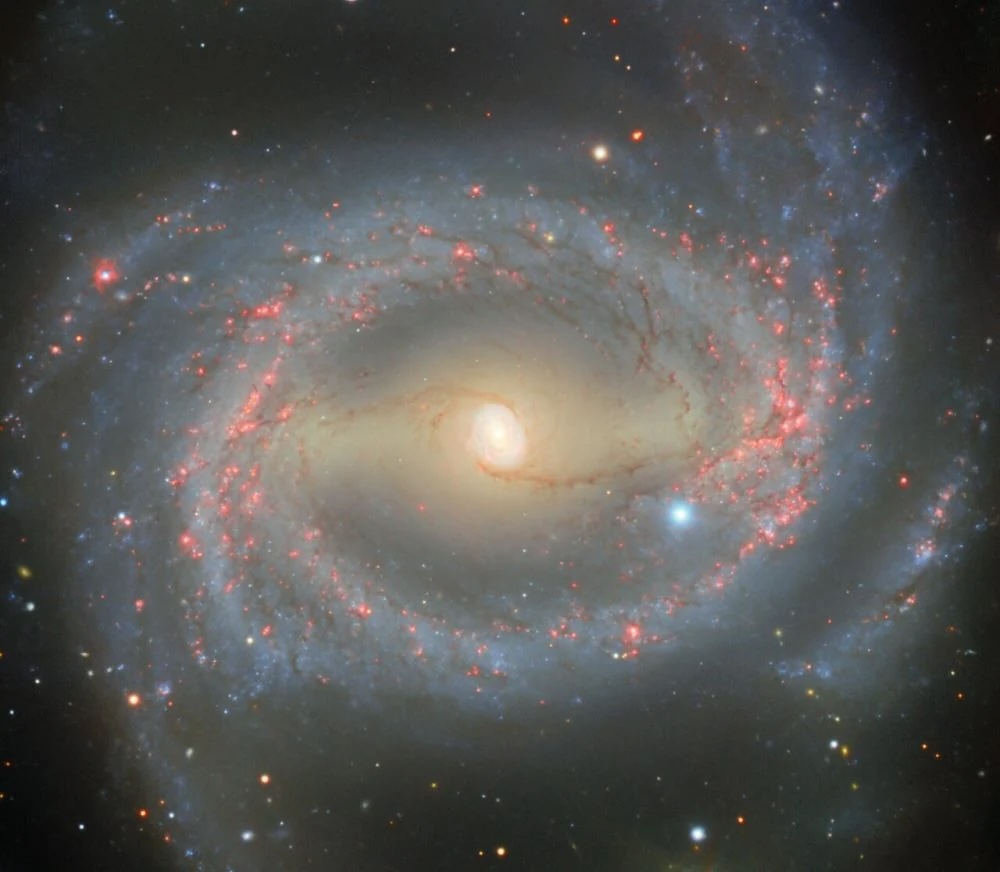
Every edition of this book has a different cover image, each one unique, showing a small grain of sand, gradually magnified from a dot that expands over the series of 500 copies to fill the cover:
The Murex Brandaris
A purplish amethyst (with ‘windowing’) — the stone originating from Milos Island in Greece, the cut gem bought by the naturalist Carl Linnaeus, who displayed it beside a murex shell on an indigo swatch of dyed silk in his Wunderkabinett:
The Murex Brandaris
A purplish amethyst (with ‘windowing’) — the stone originating from Milos Island in Greece, the cut gem bought by the naturalist Carl Linnaeus, who displayed it beside a murex shell on an indigo swatch of dyed silk in his Wunderkabinett:
Atomic dawn at night greets a Nevada family 35 km away. Nobody lives closer to the Yucca Flat than the Sheahans, who have watched a number of nuclear tests from their lonely Groom Mine property. Cleo the cat let out a shrill meow and scurried for shelter after this blast. 1953.
The Malik al-Zummurud
A verdant emerald (priceless) — a crown jewel among the hoard of gems kept in a vault at the Central Bank of Iran (the crystal claimed, as tribute, by Nader Shah Afshar, when he usurped the Peacock Throne after storming Delhi in 1739):
The Malik al-Zummurud
A verdant emerald (priceless) — a crown jewel among the hoard of gems kept in a vault at the Central Bank of Iran (the crystal claimed, as tribute, by Nader Shah Afshar, when he usurped the Peacock Throne after storming Delhi in 1739):
Friends in Aveiro, Portugal, I am delivering a lecture about my poetics at the University of Aveiro on Nov 20 (at 11:00 AM)—a talk in support of MY WORKS, YE MIGHTY. I hope to see your there:
"Here, in the silhouette of a horsehead rearing up through a fogbank of fuchsia smoke on the battlefield."
— from "The Perfect Malware" (in "The Xenotext")
The Phaëthon Comet
A hydrophane (a Welo opal with facets in rare hues) — the stone mined near Delanta, Ethiopia, in 2013, the gem cut for NASA to mark the vigentennial of the first ‘Apollo object’ to be detected by the Infrared Astronomical Satellite (IRAS):
The Phaëthon Comet
A hydrophane (a Welo opal with facets in rare hues) — the stone mined near Delanta, Ethiopia, in 2013, the gem cut for NASA to mark the vigentennial of the first ‘Apollo object’ to be detected by the Infrared Astronomical Satellite (IRAS):
The Voyager probes constitute the most sublimely important objects so far made by humans—more significant than any utensil, any artwork, or any ideology so far invented (since each gold disc projects our humanity into the cosmos for an era longer than the lifetime of our star):