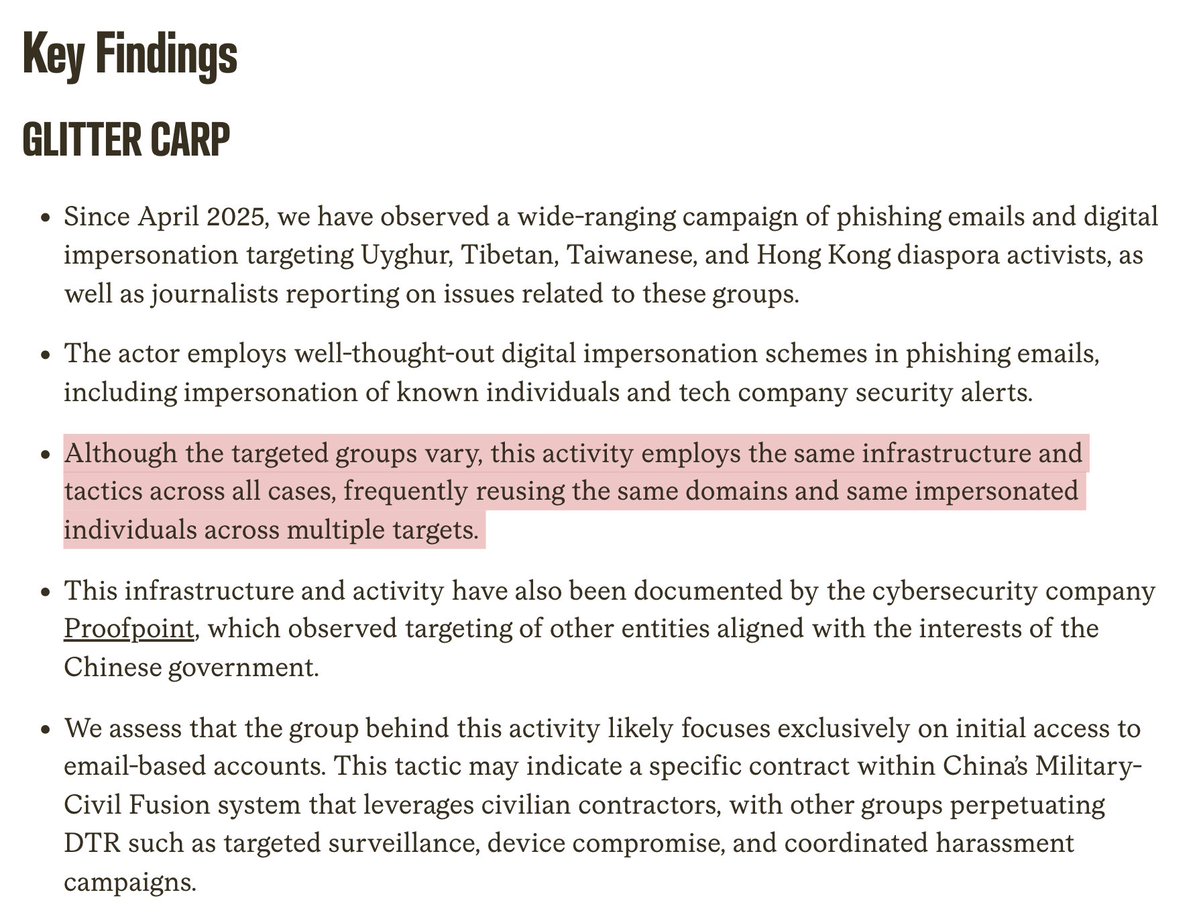
NEW REPORT🔎 In collaboration with @ICIJorg, we identified two distinct actors aligned with the People’s Republic of China that have been targeting and impersonating journalists and civil society.
Full report 👇
https://t.co/22nNnED9AQ
"We believe students aren’t protesting for a very simple reason: They are afraid. They are self-censoring and disengaging from campaign activism to avoid punitive measures," writes senior research fellow @jon_penney in his new essay w/ Bruce Schneier for @ConversationUS.
https://t.co/buRRmFqgwo
Bruce Schneier (@schneierblog) & I have a new essay out in @ConversationUS on the Trump admin's strategy of weaponizing law, technology, & surveillance to chill protest, dissent, & political opposition.
In other words, the chilling effects are the point
https://t.co/ZVaFDMbFTJ
Senior research associate @KateRobertson_ writes for @thewalrus about the potential implications of Canada’s proposed Bill C-22 for future data-sharing agreements with foreign law enforcement agencies.
https://t.co/0EDbEC7Da6
NEW: we caught 🇨🇳Chinese hackers... again.
Twist: they're hacking journalists & activists, but we suspect they're private contractors.
State repression... with a profit margin.
Thread + how to protect yourself 1/
By us @citizenlab in collab w/@ICIJorg
ChatGPT Is Banned In China. Beijing’s Spies Are Still Using It. via @forbes https://t.co/Ogqdh98mZp @iblametom on our @citizenlab / @ICIJorg investigation 👇
Thanks for having me on @NPR@npratc to talk with Rob Schmitz about our new @citizenlab report on Webloc, and advertising intelligence in general
https://t.co/Rk7nX1l4dP
These operations point to a shift toward a Military-Civil Fusion model, in which state-aligned objectives are pursued through state-sponsored attacks carried out by private contractors.
NEW REPORT🔎 In collaboration with @ICIJorg, we identified two distinct actors aligned with the People’s Republic of China that have been targeting and impersonating journalists and civil society.
Full report 👇
https://t.co/22nNnED9AQ
The dual targeting of ICIJ by two distinct actors–using different tactics and tradecraft–offers rare insight into China’s broader approach to digital transnational repression.
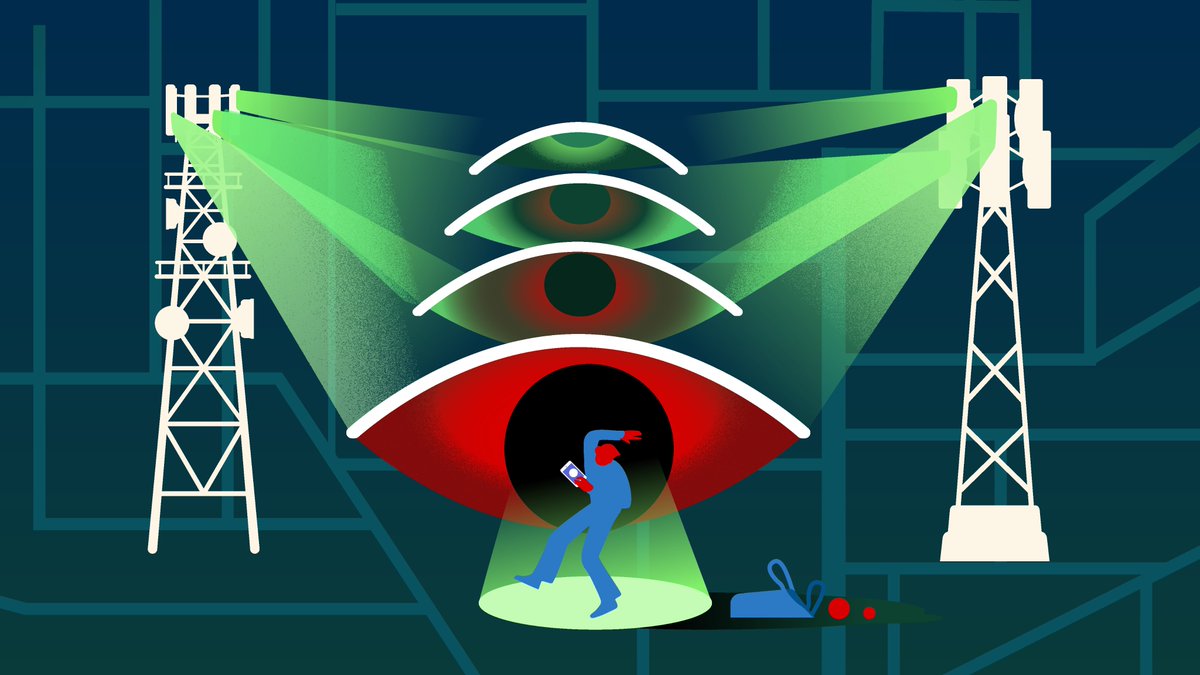
🚨New research reveals how two sophisticated surveillance actors exploited the global telecom ecosystem and, for the first time, directly links combined 3G and 4G network attacks to mobile operator infrastructure.
Full report 👇
https://t.co/NfBNUuewdj
She will speak on the “Defend Across Borders: Safe Havens, Exile, and Transnational Repression” panel, discussing mobilization in exile, TNR, and the responsibilities of host states in responding to transnational threats against exiled dissidents and protecting the integrity of their own public spheres.
Join Noura Aljizawi at the inaugural Ottawa Civic Space Summit on April 21, hosted by Cooperation Canada and Resilient Societies: https://t.co/mEiaehHFGj
Senior research associate @emiledirks spoke with @DominoTheoryMag about Xi Jinping’s view of national security in light of U.S. and Israeli cyber operations in Iran: https://t.co/9Ass5U6vwx
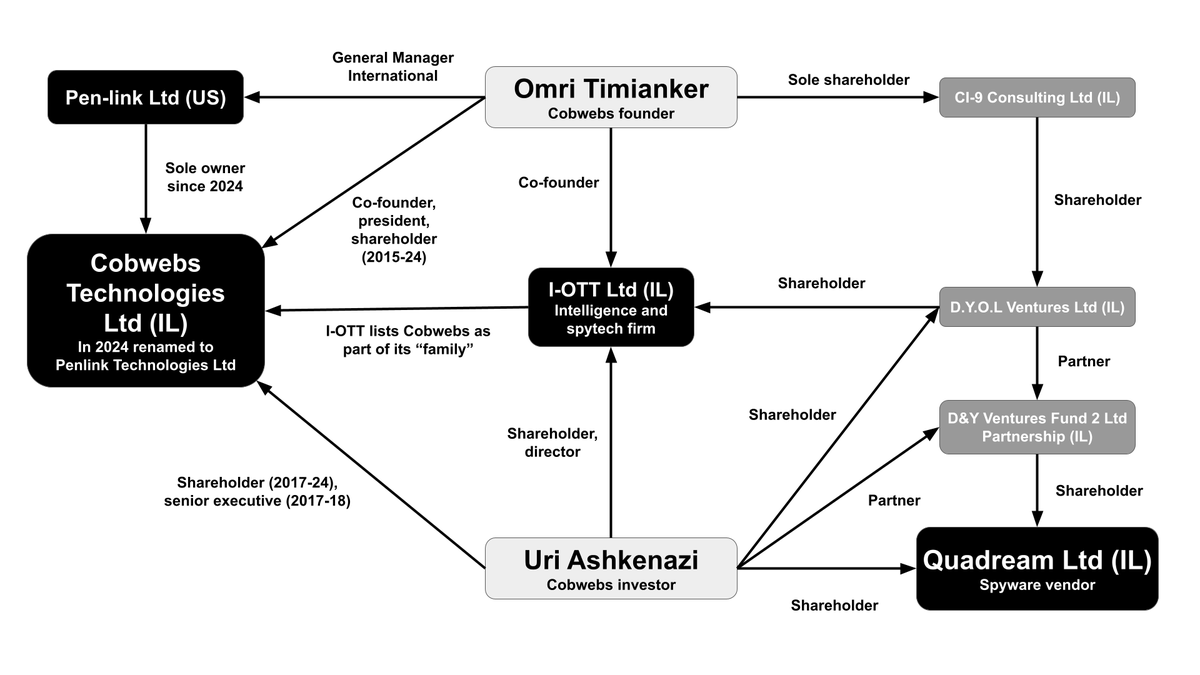
Other products developed by Cobwebs are also concerning, as are its ties to spyware vendor Quadream via Omri Timianker, who founded Cobwebs Technologies and now oversees Penlink’s international operations.
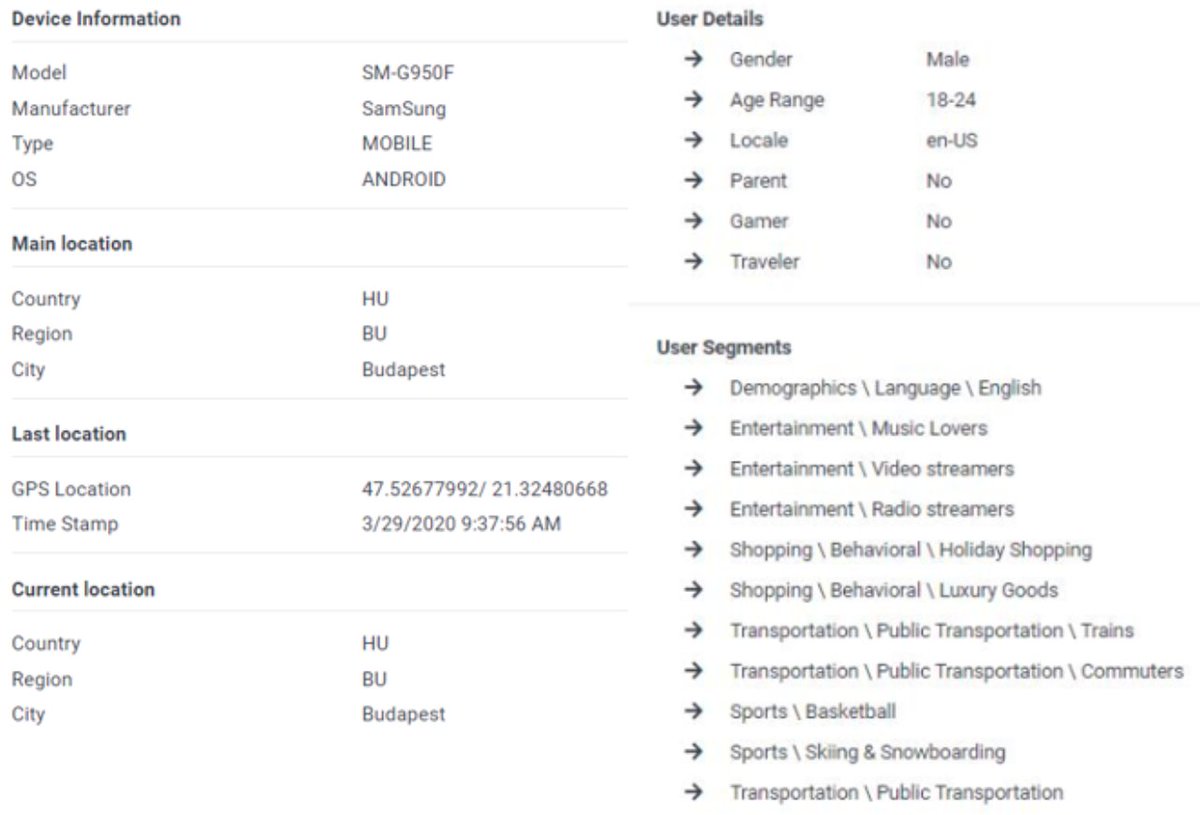
NEW REPORT: “Uncovering Webloc: An Analysis of Penlink’s Ad-based Geolocation Surveillance Tech”
Our research confirms that ad-based surveillance tech Webloc is used by military, intelligence, and law enforcement agencies across the globe.
https://t.co/JAhezx0KUV
Location data collected from apps and digital advertising can reveal habits, interests and almost any other aspect of someone's life. The misuse of consumer data raises concerns, especially when used to target vulnerable groups such as immigrants or protesters.