A red heat-health alert has been issued this week. Extreme heat can be dangerous for young children, elderly and vulnerable people. Rehydrating and cooling can be life saving. For advice on identifying and treating heat exhaustion and heatstroke see here:
https://t.co/tkUJFbbsEX
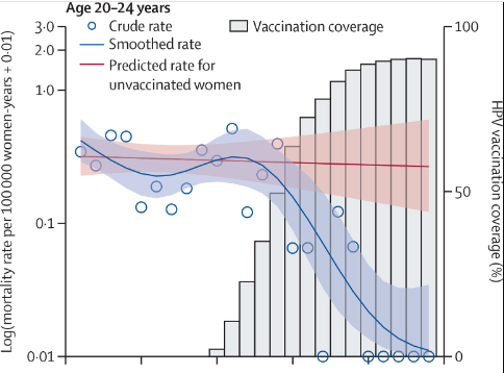
A new study shows HPV vaccination in England has led to the number of deaths from cervical cancer falling to zero in vaccinated women under 25.
Please encourage all eligible children to get vaccinated.
https://t.co/YuX2BCR6gz
(7/7) The most deprived areas have worse health outcomes. Smoking is a major cause of this.
Most smoking-associated cancers (red arrows below) are highest in areas of deprivation.
This Act will reduce the health difference between wealthy and deprived areas.
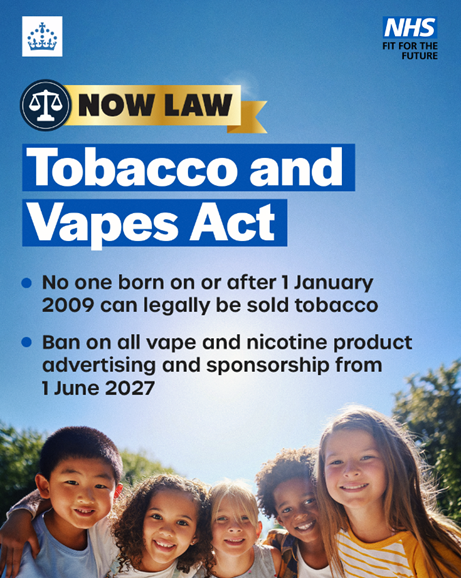
(1/7) The Tobacco and Vapes Act has now received Royal Assent and becomes law.
Smoking has killed and disabled millions of people. Most smokers wish they had never started but are trapped by addiction to nicotine- addiction takes their choice away.
(6/7) Vapes are safer than smoking and can help smokers quit, but if you don’t smoke don’t vape, and marketing of vapes to children is completely unacceptable.
The Act will restrict marketing of vapes at children using packaging, colours, flavours and shopfront displays.
Second-hand tobacco smoke is harmful, especially to children, pregnant women and medically vulnerable people.
Risks include asthma, poor birth outcomes, cancer and stroke.
A consultation on proposals to extend smoke-free places is now open:
https://t.co/IoF7JS2LOV
Air pollution causes health harms including asthma, cancer and stroke. Particulate matter (PM) from burning solid fuels is a major component of this.
A consultation on proposals to reduce particulate emissions from domestic combustion is now open:
https://t.co/1MKxMsm1ft
(2/2) As set out by the MTR, a balance is needed between new international graduate entrants to medicine and those who are already working and training in the NHS.
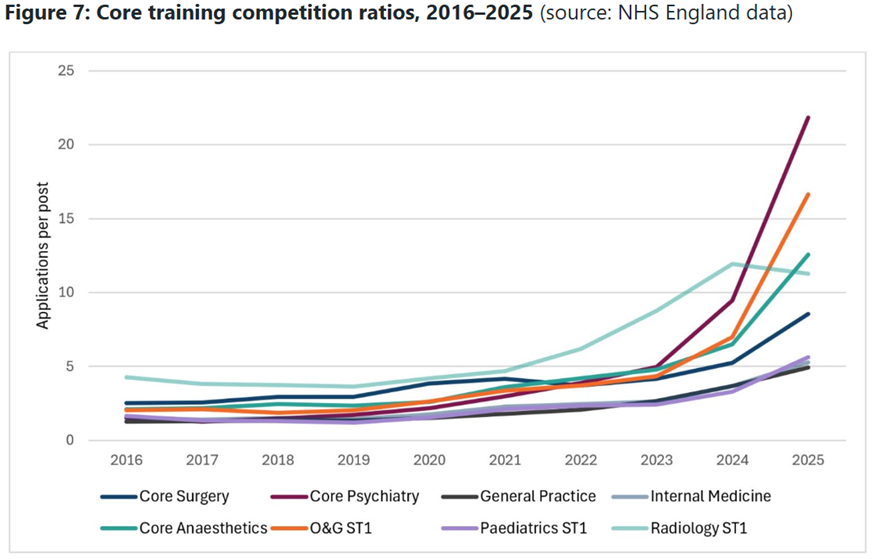
If Parliament passes the emergency legislation, this will significantly improve training competition ratios.
(1/2) Medicine is an international profession and the NHS benefits hugely from exceptional internationally trained graduates.
However, the Medical Training Review found competition ratios for training have increased and are now too high in many specialities.
(7/7) The number and range of imported infections in the UK has increased in recent decades.
We need to maintain specialist skills in imported, complex and rare infections, as well as maintaining generalist skills in infection in the wider healthcare workforce.
(1/7) Today I have published the 2025 CMO Annual Report, on infections.
It considers trends, successes, future challenges and opportunities in preventing and treating infectious diseases.
https://t.co/J0UVtbnsIx
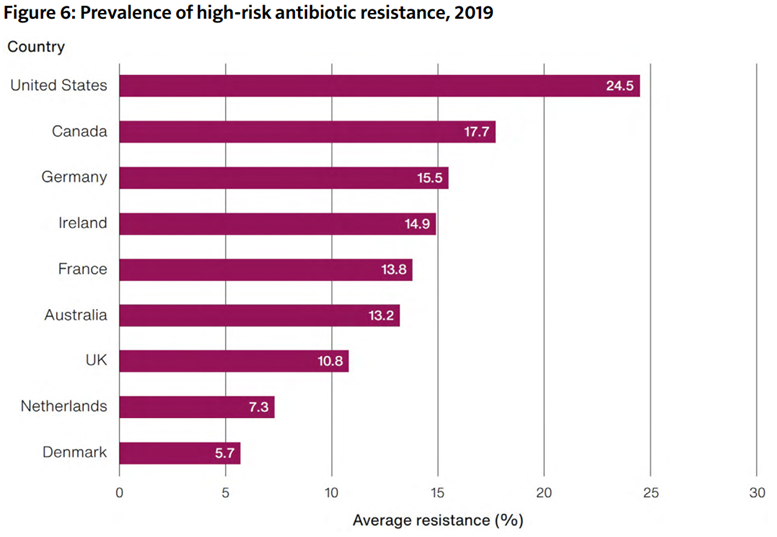
(6/7) Antimicrobial resistance (AMR) remains a significant threat, and whilst the UK is better placed than some countries the risk continues to grow.
Antibiotic stewardship, and the development of novel antimicrobial agents, are priorities to reduce this risk.