cNGN is Expanding the Naira’s on-chain presence.
Builders on ADIChain can now integrate a Naira stablecoin into their products.
Start building here: https://t.co/jvEZ5LWGib
ADI Chain is collaborating with @cngn_co to bring native issuance of the Nigerian naira stablecoin to the network.
The collaboration will expand ADI Chain’s stablecoin ecosystem, bringing naira-denominated value into its infrastructure for institutional finance.
Together, we are laying the groundwork for stronger payment connectivity between Africa and the Middle East, advancing ADI’s strategy to connect regional economies through onchain financial infrastructure.
One more network where builders can work in naira.
cNGN is now live on Monad!
Developers building on Monad can now integrate a naira stablecoin, backed 1:1 by naira reserves, straight into their products, whether that's payments, transfers or remittances.
More on building with cNGN: https://t.co/JkA1fbrbrw
For Nigerian businesses, the cost of moving money is not always visible in a single fee.
Spreads. Conversions. Settlement delays. An "FX tax".
Read more about it here 👇
https://t.co/yuA4Fa2Lkx
@TuayenSamuel1 cNGN works with wallets like MetaMask, Trust Wallet and any other custodial wallet.
There's no direct conversion to MTN MoMo or Orange Money for now, but you can convert to naira, withdraw to your bank, and move it to MoMo from there.
Explore the future of business payments
Learn how cNGN supports merchant settlement, programmable payments and on-chain naira liquidity.
Read the full article here 👇
https://t.co/yuA4Fa2Lkx
A stale exchange rate can turn a live transaction into a bad deal.
cngn-rate-picker helps prevent that by querying multiple sources, applying time-weighted averages and rejecting stale prices.
Built for products that depend on reliable naira-to-dollar-stablecoin rates. Open source, MIT licensed, with zero runtime dependencies.
Building a product where inaccurate rates matter? Explore cngn-rate-picker, test it in your product and contribute: https://t.co/ElppaJxSAE
A market can stop trading and still report its last price as if nothing changed.
Welcome the cngn rate-picker 🔥
An open source TypeScript library that works out USDT to naira and USDC to naira rates.
Read more here:
https://t.co/pLgUiVUq33
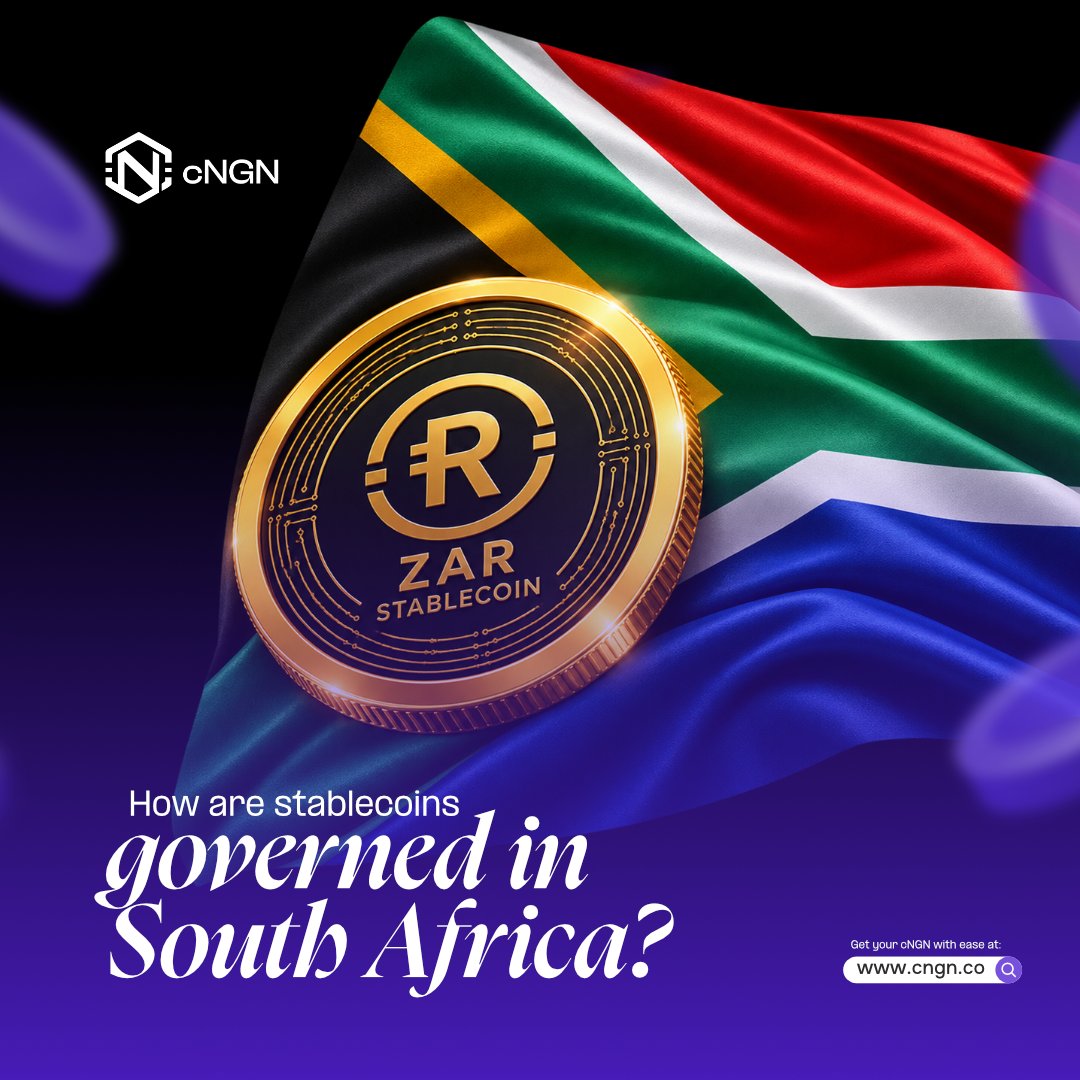
Part 4 of 4: Southern Africa
While North Africa is still moving from outright bans to baby steps, southern Africa, by contrast, has moved further.
South Africa leads, treating crypto as a regulated financial product. Mauritius goes a step beyond with dedicated stablecoin guidance, while Zambia now requires virtual asset providers to register with its central bank.
See how the region governs stablecoins
https://t.co/VhESIZHG84
Part 3 of 4: North Africa
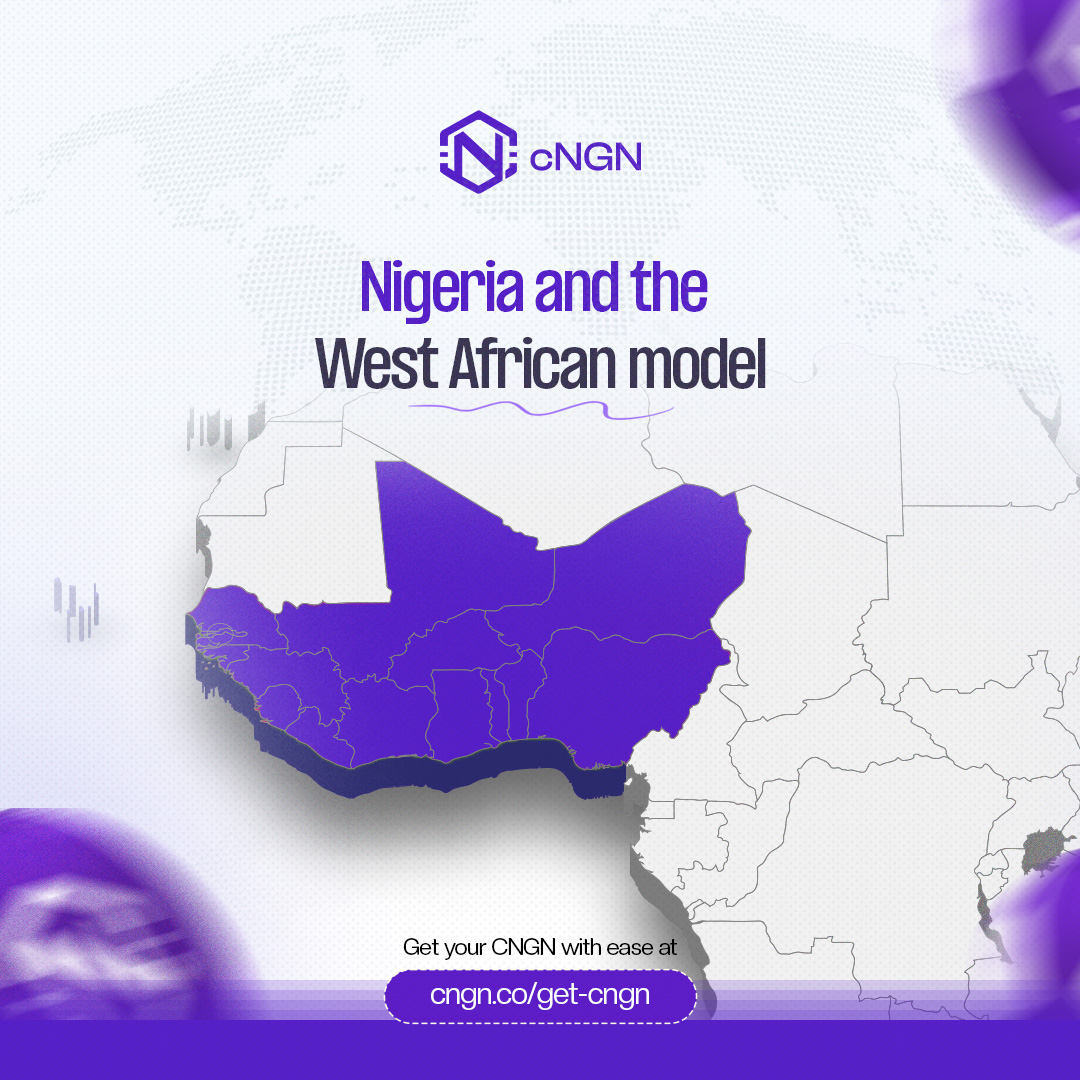
West Africa, led by Nigeria, runs a programme for stablecoin issuers.
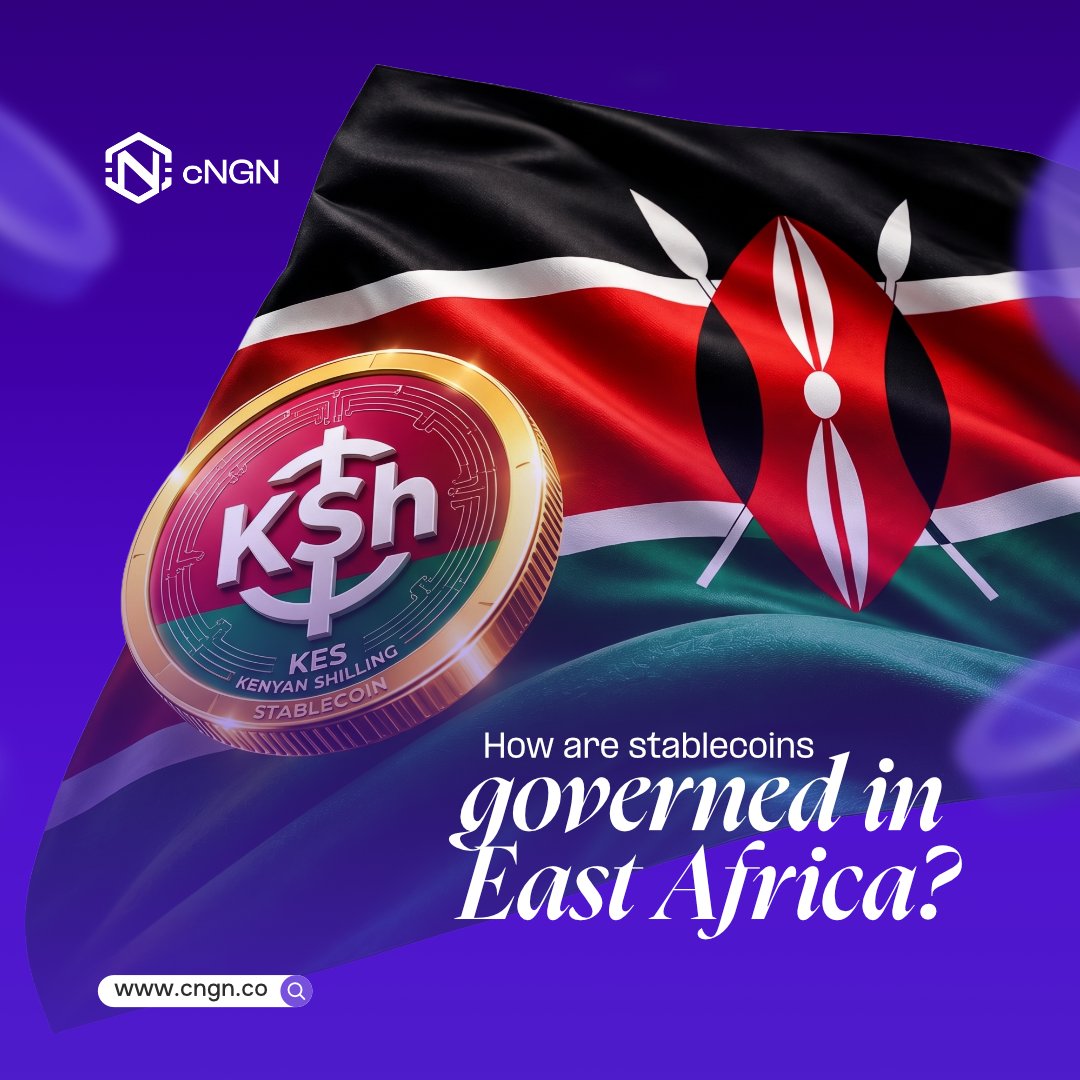
Kenya splits oversight between two regulators.
North Africa is only starting to move beyond bans.
Morocco’s draft Bill 42.25 would put stablecoins under its central bank.
See how the regions compare
https://t.co/VhESIZHG84
Unlike West Africa, led by Nigeria, which runs a dedicated programme for digital assets, Kenya splits oversight.
The Central Bank of Kenya supervises stablecoin issuers, while the Capital Markets Authority oversees exchanges and tokenized assets.
Building across both regions? Knowing who oversees what is a good place to start.
Read more here 👇
https://t.co/VhESIZHG84
Not all stablecoins do the same job.
A dollar-pegged stablecoin and a naira-pegged one are built for different purposes.
Swipe to learn the difference ➡️⬅️
Nigeria's ISA 2025 recognises digital assets as securities. This places them under the SEC's oversight.
See how that shapes Nigeria's stablecoin approach:
https://t.co/iwA4OAY8p5