Coordination of Government Activities in the Territories: Judea and Samaria and towards the Gaza Strip | Coordinating and facilitating humanitarian aid for Gaza
According to our international partners and local sources in the field, since the ceasefire, food prices across the Gaza Strip have plummeted by over 70%, an organic economic shift that only happens when a market is completely saturated with supply, despite Hamas’s efforts to exploit the humanitarian ecosystem for its own interests.
Core dietary staples like a 25kg bag of flour dropped in price by more than 60%, while essential produce like tomatoes and onions saw price collapses of over 80%. In northern markets like Gaza City, the price of eggs dropped by more than 85%. This massive, sustained price drop across all regional markets is irrefutable proof that the volume of food entering the territory has reached total absorption capacity.
For more information please review the full report in the following link.
https://t.co/zHDMWoF2oi
According to a UN report, on Saturday (11 July), Hamas terrorists forcibly entered a food distribution site operated by the World Food Programme (WFP) in the Jabalia area, forcing the suspension of food distributions that had been providing daily assistance to thousands of families. According to the report, the terrorists also seized a WFP food warehouse and violently assaulted two truck drivers transporting humanitarian supplies.
COGAT strongly condemns this serious incident. As stated by Dr. Ramiz Alakbarov, the UN Humanitarian Coordinator, this was not an isolated incident but part of a recurring pattern of intimidation, violence, and disruption of humanitarian operations in the Gaza Strip. This constitutes further clear evidence that Hamas cynically exploits the humanitarian space and the aid intended for the residents of the Gaza Strip for its own purposes.
The facts are clear: humanitarian aid is entering the Gaza Strip. Hamas is the party undermining the distribution mechanisms, seizing humanitarian aid, and preventing it from reaching the civilian population.
Full markets, thriving restaurants, and operational medical facilities. Pictures and videos found on social media show the humanitarian situation in Gaza, painting a vivid picture of the reality on the ground.
Since the start of the ceasefire, COGAT has coordinated the entry of over 1.78 million tons of food, in addition to 18,000 tons of medical supplies. This humanitarian aid reaches the civilians of Gaza, allowing for the quality of life shown in social media posts.
The amount of aid being entered and the pictures reflects the reality.
For more information please review the full report in the following link.
https://t.co/zHDMWoF2oi
In light of the attempts by Hamas and other parties to misrepresent the humanitarian situation in Gaza since the start of the ceasefire, COGAT is publishing a comprehensive report today to present a full picture of the humanitarian situation in the Gaza Strip to the international community. The report is based on information received from international organizations, the UN, online reports, and studies conducted by professionals and experts in the humanitarian field.
The data in the report is clear and does not leave room for any doubt - the humanitarian situation has been stable since the start of the ceasefire, and the volume of aid that has entered Gaza far exceeds humanitarian needs.
To read the full report: https://t.co/nAtIJu8LaY
Together with its international partners, COGAT coordinated a humanitarian initiative in Gaza City over the last week.
♻️ In an initiative by the UNDP, in collaboration with other international organizations, 250,000 cubic meters of solid waste were cleared from Firas Market in Gaza City, which amounts to approximately half of the area's total waste. This initiative is part of ongoing efforts to enhance sanitation and prevent pollution.
The initiative is just a small part of the steps towards the improvement of of sanitatary conditions and water supplies for civilians in the Gaza Strip, providing needs-based solutions to requests on the ground.
#coordinationsolvesproblems
Smuggling attempt at the Lachinsh Crossing: thousands of cigarettes were found concealed inside hundreds of pineapples meant to reach Gaza today, hidden inside a shipment of aid from the private sector.
Major General Yoram Halevy, head of COGAT, ordered the immediate suspension of the company's authorization to deliver humanitarian aid into the Gaza Strip. The humanitarian aid mechanism for the Gaza Strip is meant to aid the Gazan civilian population, and no exploitation of this mechanism will be tolerated. COGAT and all other relevant Israeli authorities remain committed to facilitating humanitarian aid for the Gaza Strip. We will not let this mechanism be abused by those trying to exploit it for personal gain.
Led by the UAE and in cooperation with COGAT yesterday (Wednesday), the entry into Gaza of equipment for 80 water transport tankers was facilitated as part of ongoing efforts to establish water storage facilities and improve access to water for the civilian population.
The shipment included equipment for water transport tankers to be deployed across the Gaza Strip, with the following capacities:
💧50 water transport tankers with a capacity of 5,000 liters each
💧30 water transport tankers with a capacity of 2,000 liters each
These water transport tankers are intended to distribute and transport water throughout Gaza, expanding access to water for civilians as part of the UAE-led initiative.
#CoordinationSolvesProblems
For your information:
As part of the implementation of the humanitarian protocol under the ceasefire agreement, a pilot has been launched to relocate the Israeli security screening conducted for residents returning from Egypt to the Gaza Strip via the Rafah Crossing.
Accordingly, the additional screening and identification procedures previously carried out at the "Regavim” Screening Facility have been relocated to the Kerem Shalom Crossing and are now conducted by personnel from the Land Crossings Authority within Israel's Ministry of Defense, alongside members of the Israeli defense establishment. This is an operational adjustment intended to streamline the crossing process, enhance screening capabilities, and ensure the continued safe and efficient operation of the mechanism.
This change relates solely to the location of the Israeli screening process. The movement mechanism through the Rafah Crossing remains unchanged, including coordination with Egypt and the World Health Organization (WHO), Israel's prior security approval process, the supervision of the European Union Border Assistance Mission (EUBAM), and the mechanism governing the departure of residents from the Gaza Strip to Egypt.
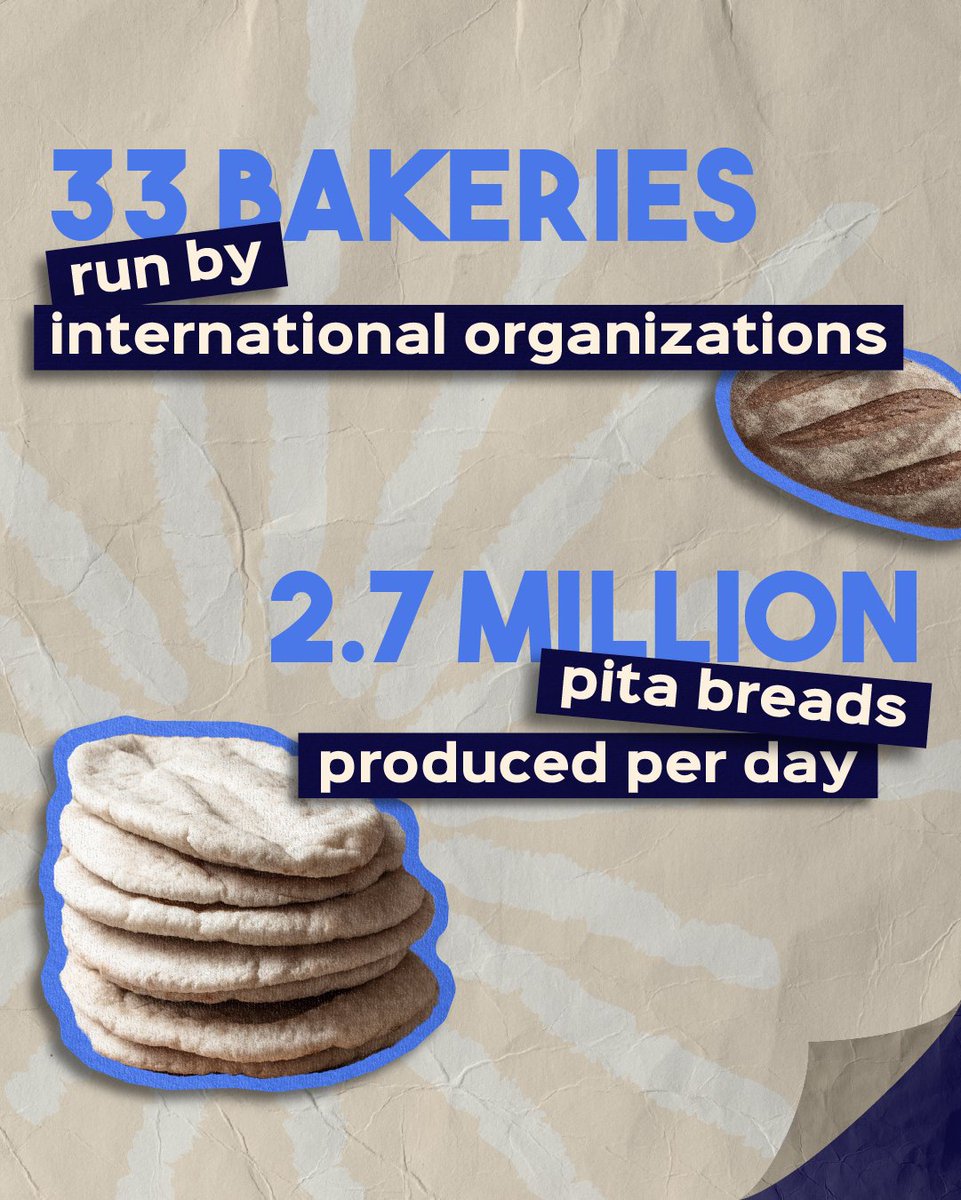
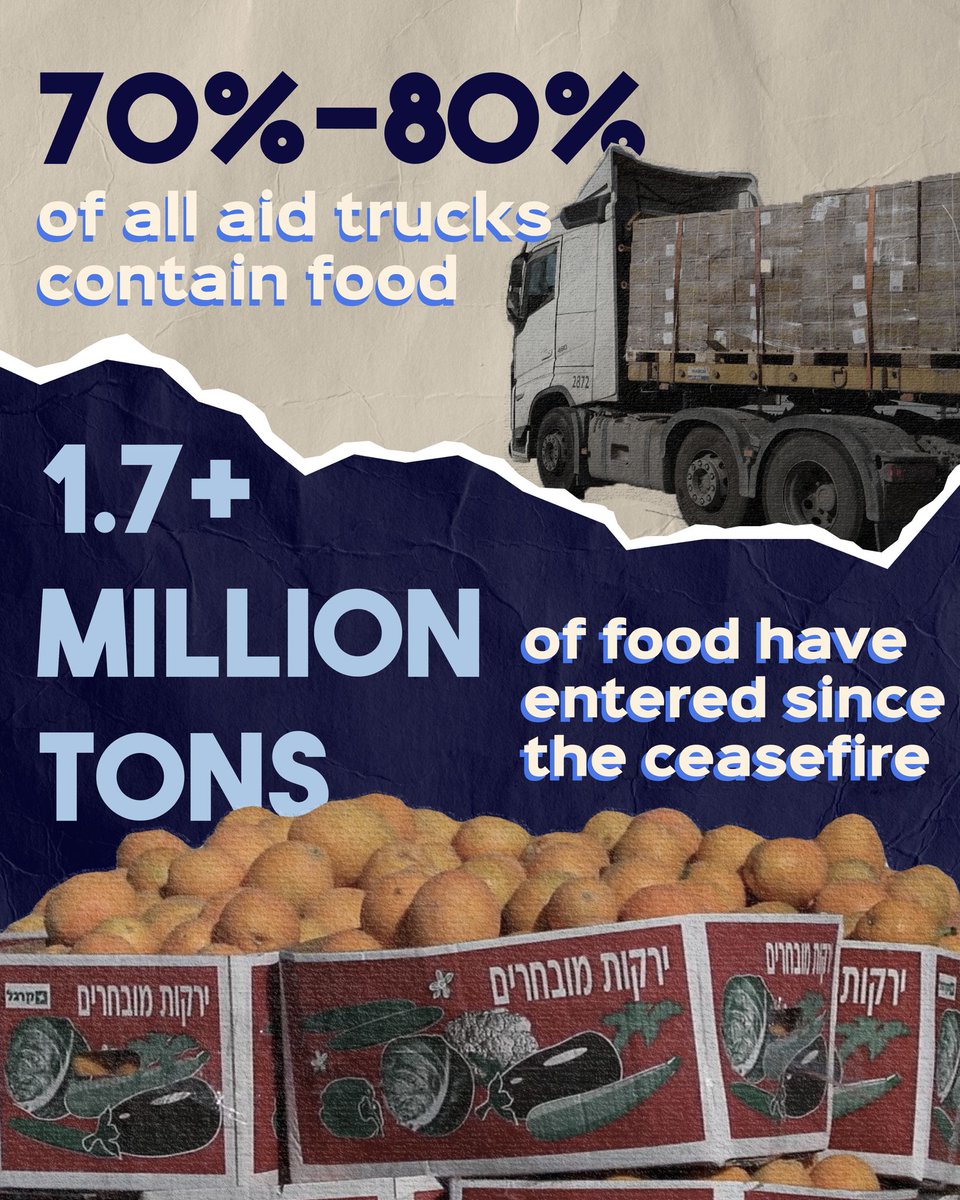
70-80% of the trucks containing humanitarian aid entering Gaza every day contain food, with over 1.7 million tons of food having been brought in since the start of the ceasefire. With dozens of active bakeries and thriving markets all over Gaza, the quantities of food that are being brought in far exceed the nutritional needs of the Gazan civilian population. Additionally, the brought-in food is guaranteed to be diverse and plentiful to meet nutritional needs over an extended period.
Together with the UN, international organizations, donor countries, and the private sector, COGAT ensures a steady supply of food is readily available.
When Hamas continues to spread lies to the world, saying Israel is hindering sick patients from Gaza from exiting the Gaza Strip for medical treatment, the reality again told a different story.
Yesterday, Monday the 29th of June, Israel allowed the exit of more than 100 civilians from Gaza through the Kerem Shalom Border Crossing to receive medical treatment in a third country. On their way, they were held up for more than one hour at a checkpoint that Hamas terrorists set up. The UN additionally reported on this, condemning the delay of the medical evacuation and the damage to the humanitarian process.
As opposed, while accusations against Israel receive immediate attention, Hamas' actions are time and again ignored by human rights organizations, despite their harm to the civilian population.
The facts are clear: since the start of the war, Israel has allowed the exit of approximately 50,000 Gazan civilians to third countries, most of them medical patients and their escorts. In addition, since the start of the ceasefire, the Rafah Border Crossing has been operational. To date, 4,100 Gazans have entered the Gaza Strip via the border crossing, and 4,400 Gazans have exited.
Last week, the new UAE Medical Center opened in Northern Gaza, established in full cooperation with COGAT. The medical center is expected to provide critical medical support for the Gazan civilian population, expected to serve up to 500 patients every single day.
This medical center is the second center opened by the UAE in Gaza, coordinated with COGAT, and joins a long list of dozens of operational field hospitals, clinics, and medical centers in the Gaza Strip.
COGAT remains committed to providing humanitarian aid in the Gaza Strip, cooperating with the international community to bring in medical equipment and supplies to ensure the proper health response is available in Gaza.
#cooperationsolvesproblems
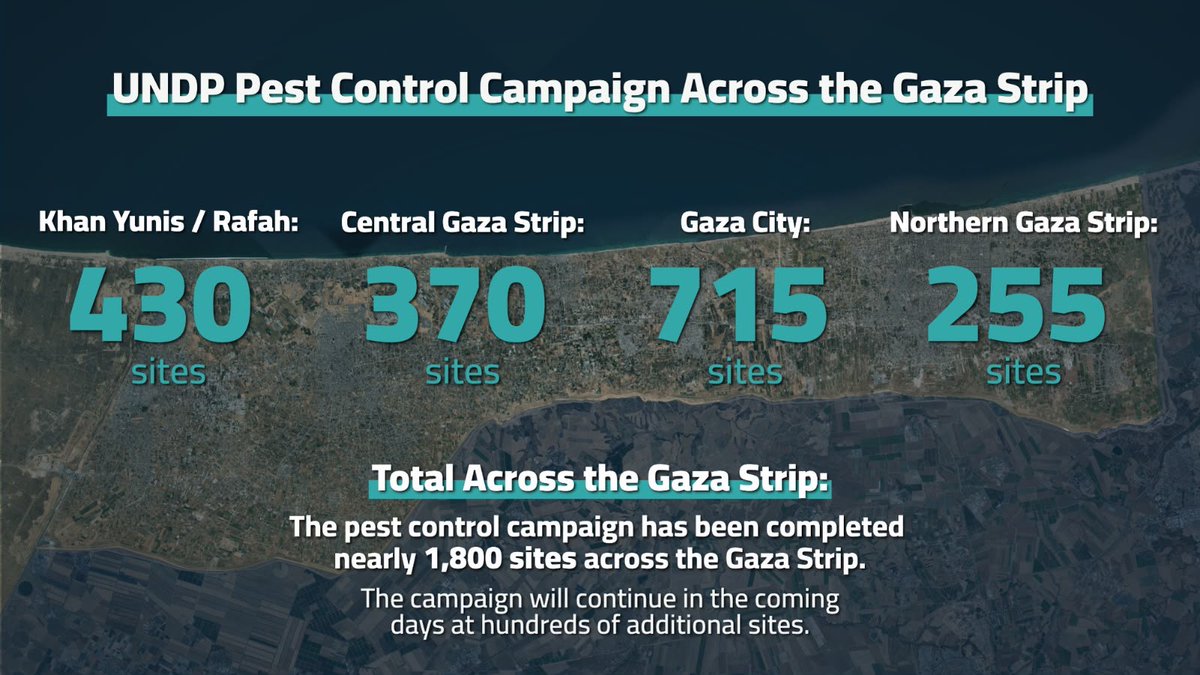
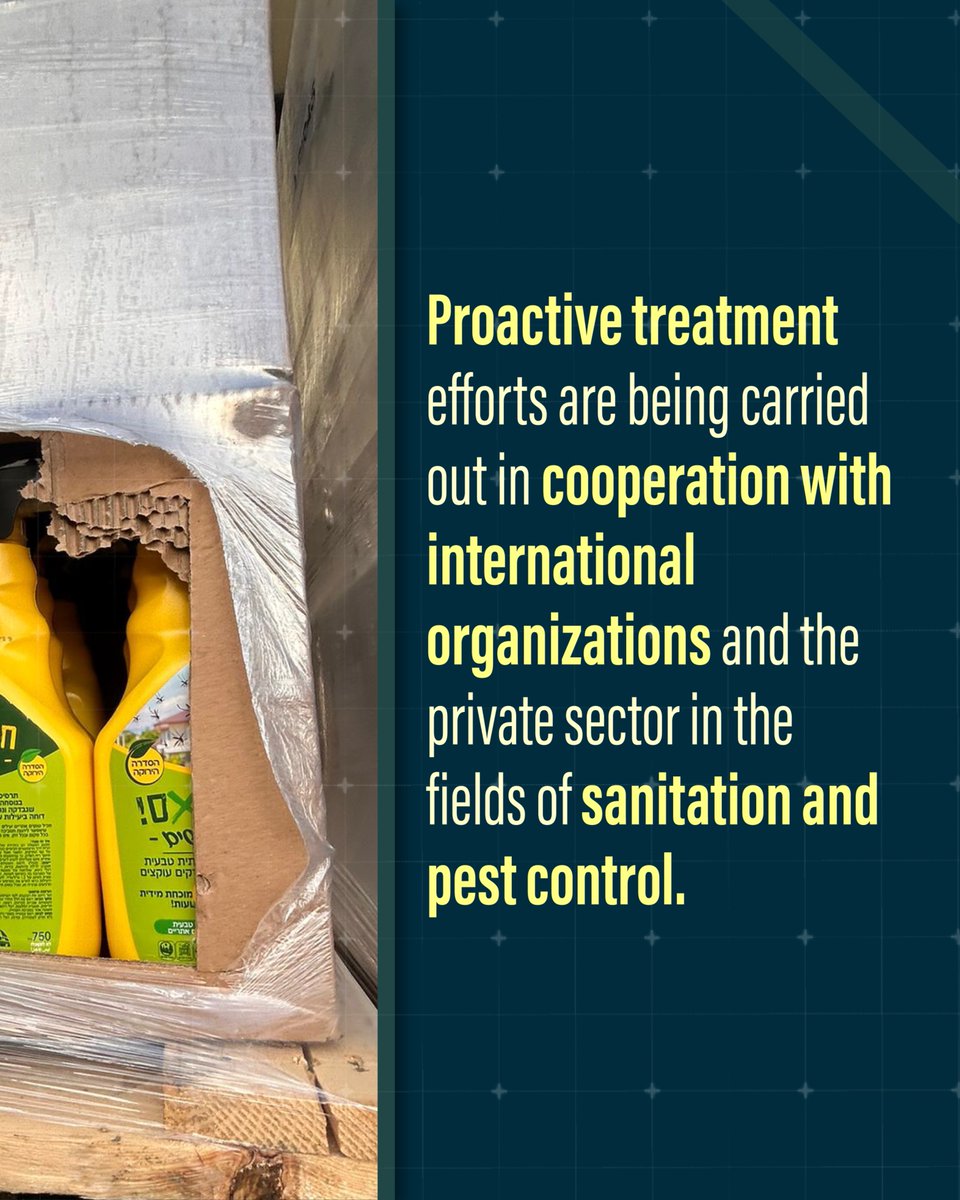
In coordination with our partners at @UNDP, a wide pest control campaign has recently been launched in thousands of locations in the Gaza Strip to improve the living conditions and sanitation of the area. This comes in addition to the entry of approximately 200 tons of pesticides and anti-pest traps in recent months by international organizations and the private sector.
The pest control campaign is currently being carried out and has reached nearly 1,800 different locations so far, which COGAT planned together with UNDP throughout the Gaza Strip.
In the coming days, the campaign will continue to cover hundreds of additional locations to ensure all the locations COGAT and UNDP planned to cover in the Gaza Strip are reached.
#coordinationsolvesproblems
COGAT works in close cooperation with its international partners and the private sector to address on-the-ground sanitation challenges and prevent the spread of disease.
Since the start of the ceasefire, 200 tons of pesticides and pest traps have entered Gaza, all with one goal: meeting the humanitarian and health needs of the Gazan civilian population. By proactively seeking out items that cannot be considered dual-use, COGAT ensures these items will reach civilians and enhance their quality of life.
Every week, trucks of medical aid enter the Gaza Strip to ensure the appropriate medical response is available for the Gazan civilian population. Since the start of the ceasefire, approximately 18,000 tons of medical supplies have entered Gaza, coordinated according to requests from the UN and international organizations, reaching the dozens of operating hospitals, clinics, and medical centers and facilities operated by the international community.
Among the medical supplies that enter are ultrasound machines, blood testing devices, first-aid kits, medical laboratory equipment, hospital beds, and X-ray machines.
COGAT remains committed to working together with its international partners to advance the humanitarian situation in Gaza and coordinate needs-based solutions on the ground.
As part of Israel’s commitment to facilitating the entry of humanitarian aid into the Gaza Strip, COGAT works together with UN agencies to facilitate relief in different fields.
@UNICEF recently announced that they brought in clothing for over 30,000 Gazan children, alongside additional medical equipment. Moreover, @UNDP published visuals documenting the agricultural crops grown in the Al-Zeitoun neighborhood of Gaza City.
COGAT continues to work in close coordination with its partners in the international community to strengthen the humanitarian response in the Gaza Strip.
#coordinationsolvesproblems
COGAT continues to support humanitarian efforts across Gaza.
According to data of the international organizations working in Gaza more than 1.7 million meals are served every day, over 3.6 million pitas are baked daily, and 181 community kitchens are currently operating throughout the Gaza Strip. At the same time, market activity continues to expand, contributing to greater availability of food and essential goods while helping drive prices downward.
These figures show that there is no food shortage in Gaza and indicate a continued positive trend in food security across the Gaza Strip.
In recent weeks, COGAT has continued to facilitate efforts to support water access for the civilian population in preparation for the summer months:
• Facilitating the entry of water tankers and jerrycans
• Supporting the use of desalination facilities for water wells
• Coordinating the planned entry of 8 water trucks through UNDP
• Introducing water storage and distribution facilities into shelters
• Conducting weekly chlorination to improve water quality
• Advancing the repair and maintenance of water pipelines
COGAT continues to work with international partners to strengthen humanitarian water support and improve access to safe water.
COGAT continues to ensure the constant supply of safe, clean water to civilians across Gaza.
Today, as part of its response to the summer months, COGAT coordinated the entry of thousands of water bottles for the Gazan civilian population, together with the private sector and international organizations.
This operation joins the long list of ongoing efforts to improve water accessibility in the Gaza Strip.