Thinking about AI and EM. Have three checklists I’m developing.
1. All the things you can use AI for.
2. How to use AI effectively (good prompts, define problem/outcome, strengths of different platforms).
3. How to manage AI risks, vulnerabilities, and limitations.
When evaluating incident lessons learned, run them through the coordination, communications, and planning/operations triad.
You’ll likely discover opportunities for improvement in each.
Here’s a crazy idea.
Every September we encourage public action during National Preparedness Month.
But how many of us do what we say?
I’d love to see stories about how EMs are personally prepared so they’re professionally ready when disaster strikes. Be the example.
“Thought Leader”
See this is a lot. Seems overused.
I'm no longer clear what it means.
Leader for Action?
Just, “Leader?”
What’s a suitable replacement for
“Thought Leader?”
💯
Provide a shared situational awareness (common operating picture) + clear set of incident objectives (commanders intent)
And then turn everybody loose (while keeping 👀 on)
👇🏽
I have a crisis management theory:
The more you try to control, the less control you have.
To actually gain control of a situation, coordinate more, delegate more, push decision-making to the lowest level possible, and ask for help.
Hurricanes, hurricanes, hurricanes
I get it. However, what happened to the all hazards discussion?
Thinking about earthquakes in particular. We have an entire generation of US emergency managers that haven’t gone through a big one.
It’s a whole different level of response.
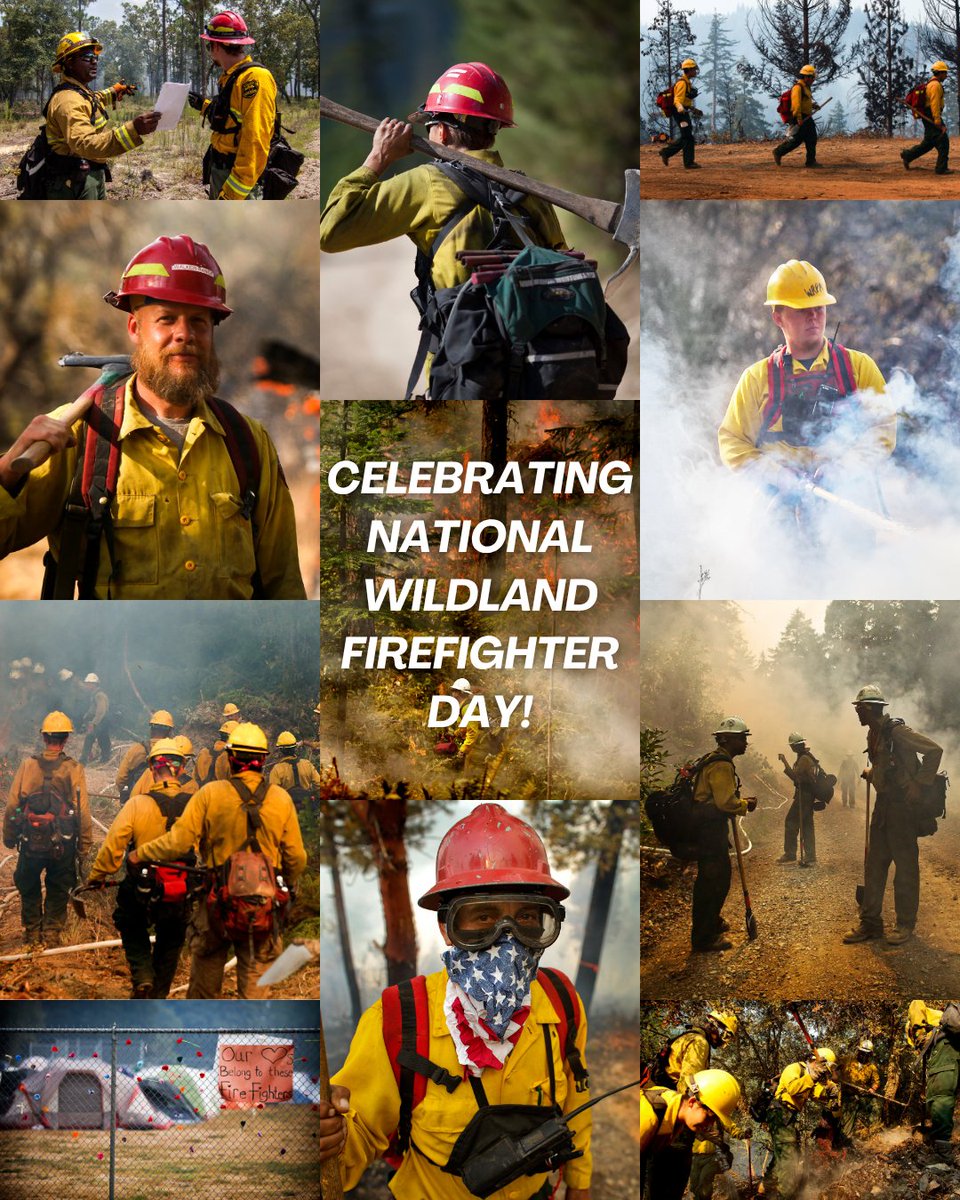
Today is National Wildland Firefighter Day! Thank you to all the hardworking wildland firefighters and support personnel that protect our natural resources, care for the environment, and keep communities safe. #ItTakesAllOfUs
Anyone here attending the July Natural Hazards Research and Applications Workshop in Boulder, Colorado? It's the 50th annual gathering. I've been tapped for the opening keynote. Excited and a bit daunted by the invite.