We're an independent, non-profit organisation established in 1959. We investigate issues, test products and campaign to get laws changed to benefit consumers.
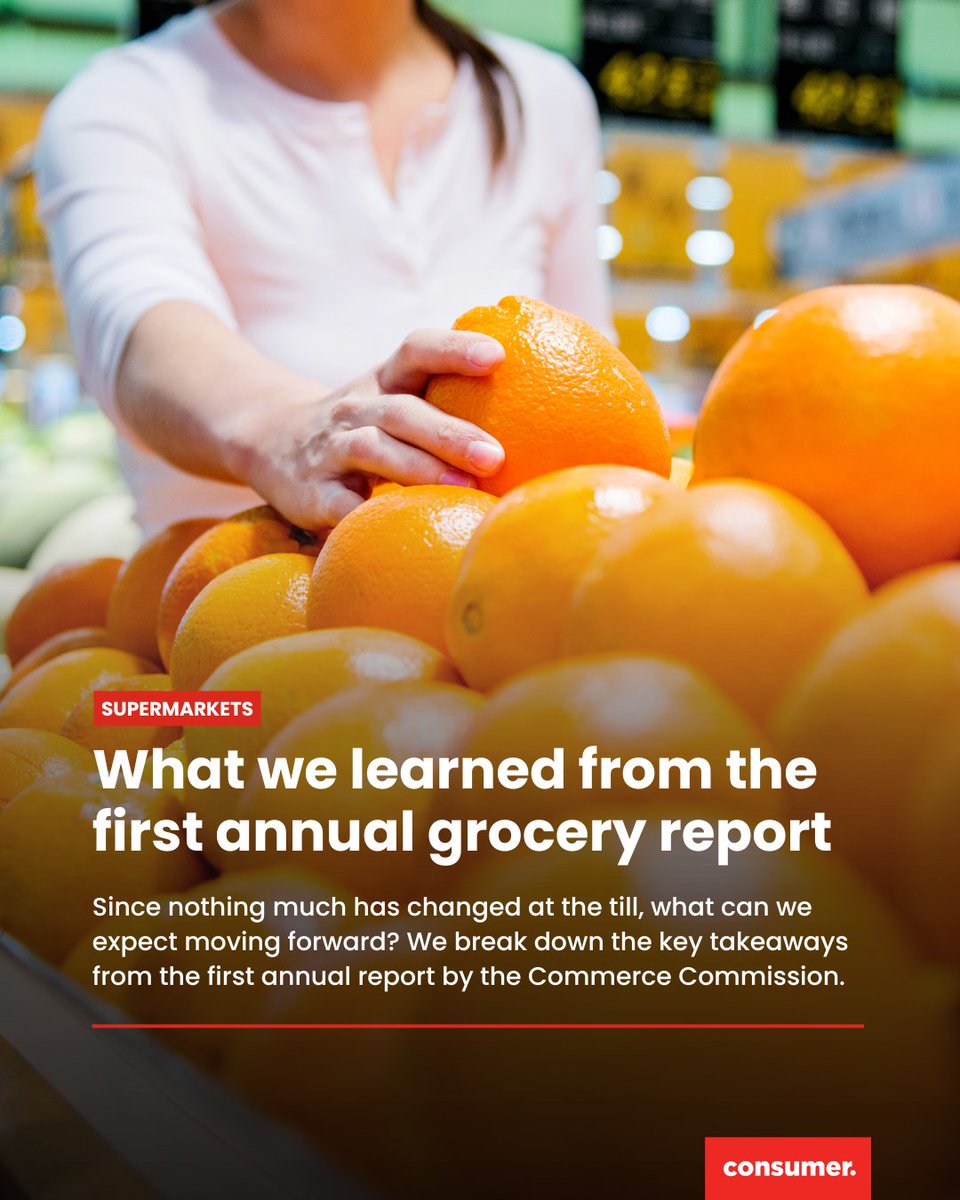
Two years after the release of the Commerce Commission's grocery sector market study, the first annual grocery report has found no meaningful improvement to competition in the supermarket sector.
Here's what we learned from the report: https://t.co/iAzdgOrSki
Woolworths said not only was it able to meet today’s deadline to show unit prices in-store, but it was on track to display unit prices online from September. 4/4
Learn about our supermarket campaign: https://t.co/R5k73LAQyW
Foodstuffs said there had been extensive training across its stores to meet the requirements. “Compliance is a top priority for us and, while it’s a complex task with over 60,000 items on our shelves, we’re dedicated to ensuring everything is up to standard.” 3/4
We checked in with Foodstuffs – the owner of New World and Pak’nSave supermarkets – and Woolworths this week to see if they thought they’d meet the deadline. 2/4
Unit prices are those smaller prices on the price tag that let you compare products per unit of measure – such as per 100g. Supermarkets must now show them in-store, including on items that are on special, but have another whole year before they have to show them online. 1/4
We are seeking declarations from the High Court that Z Energy has breached the Fair Trading Act by misleading New Zealanders with its public messaging. Read more: https://t.co/1pNtxzHUyq
We're welcoming the High Court direction for Z Energy to get on with progressing the case about whether it has misled New Zealanders with its advertising.
Currently, for every 1% increase in households that switch energy providers, it's estimated that consumers collectively save around $10 million annually.
We all have the power to generate competition and competitive pricing, head to Powerswitch to check whether you can save.
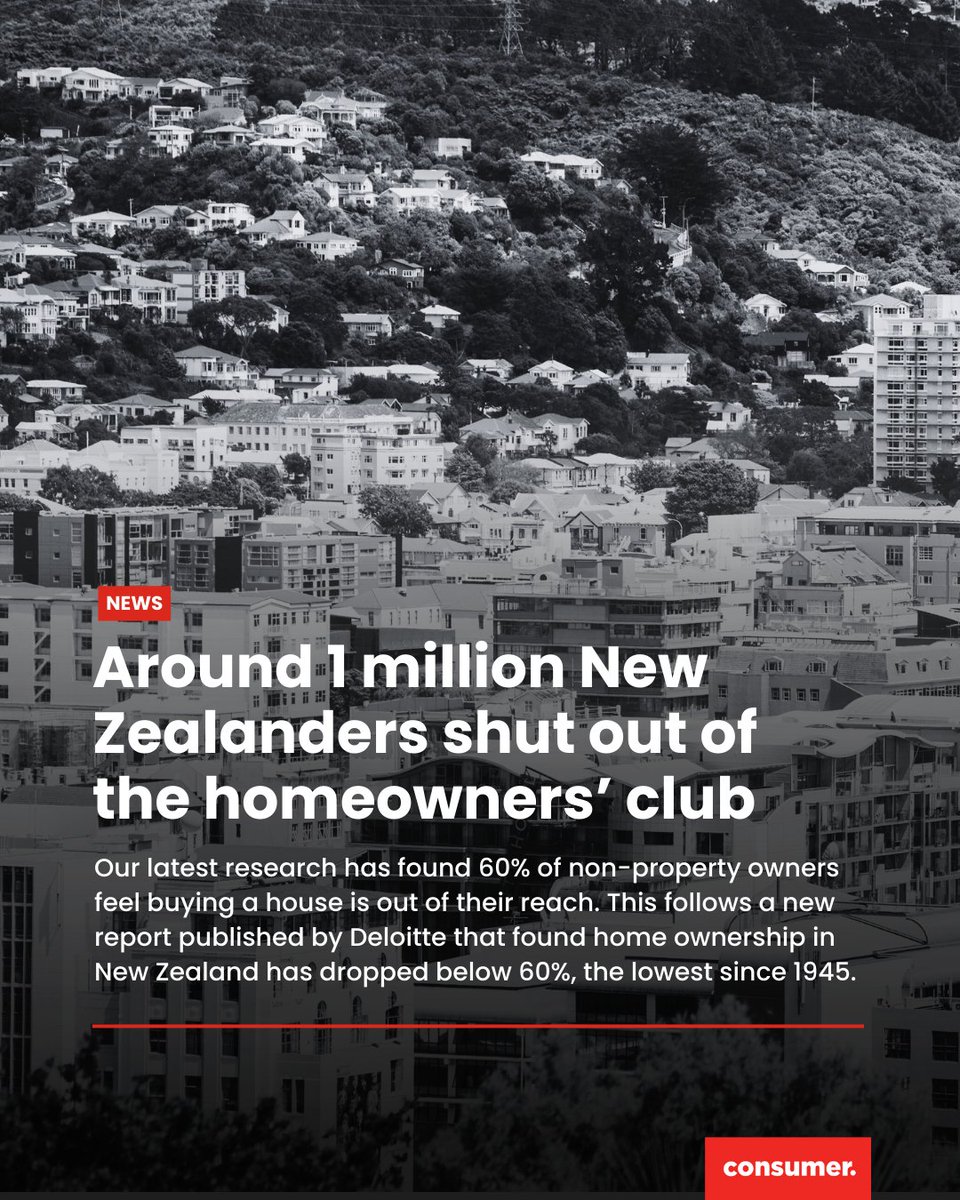
Our latest nationally representative research found that 41% of non-homeowners said they are completely locked out, while 19% said they were saving for a deposit, but couldn’t keep pace with the market.
Read more: https://t.co/bFmIJVFstT
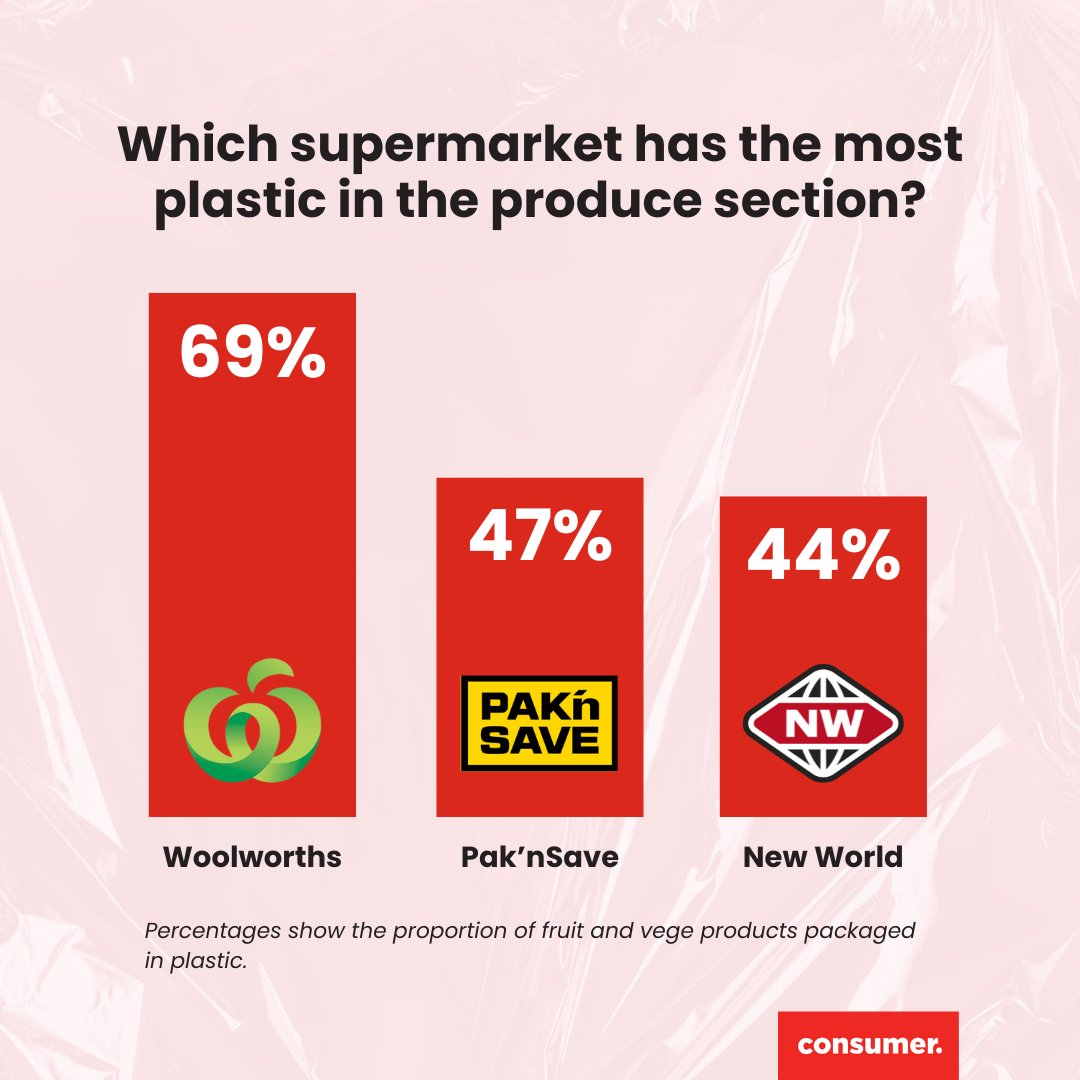
Single-use plastic produce bags were banned on July 1 2023, so why does it seem like there’s more plastic than ever? We surveyed our major supermarkets to see how much plastic is really in their produce sections.
Read more: https://t.co/sBiNeLQpnU
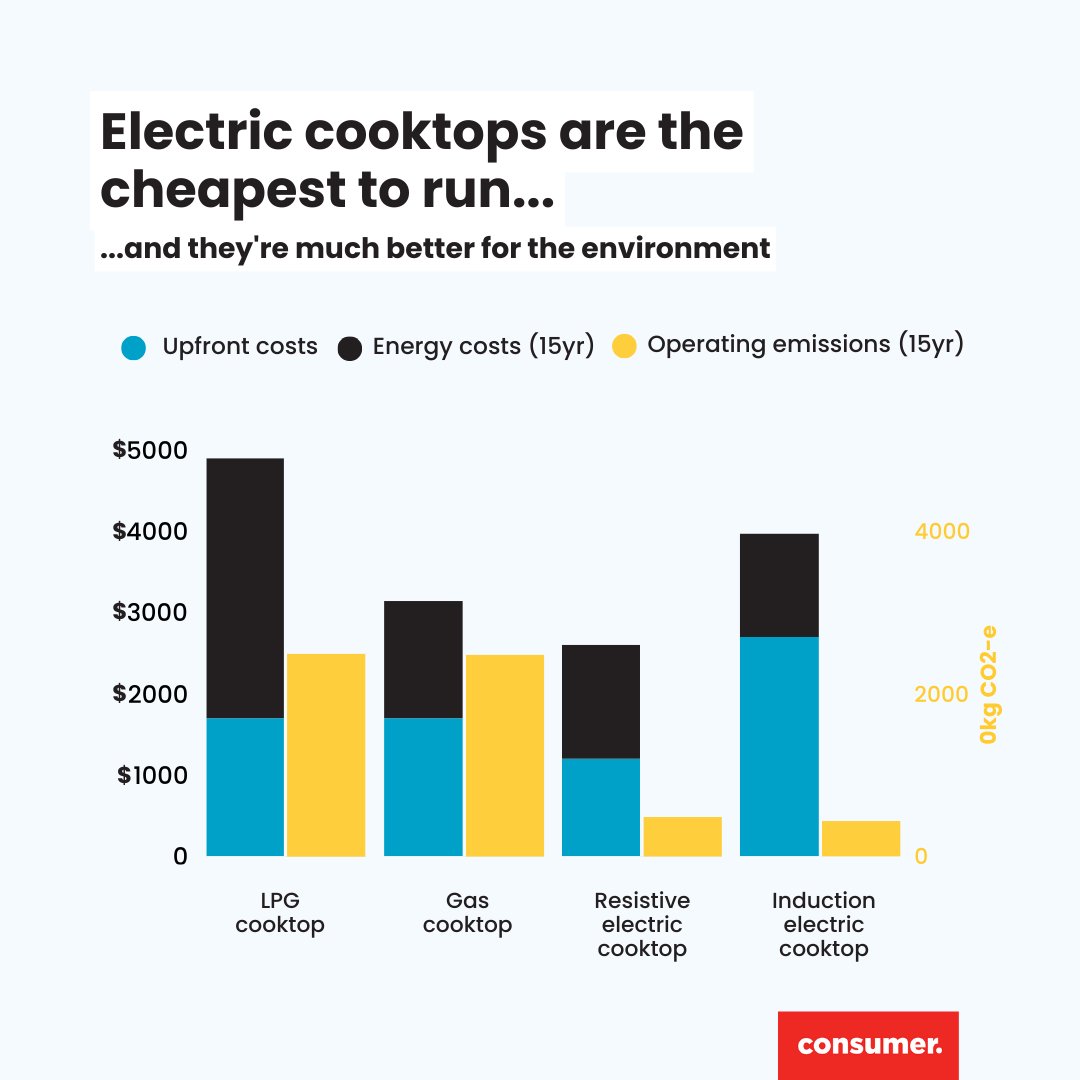
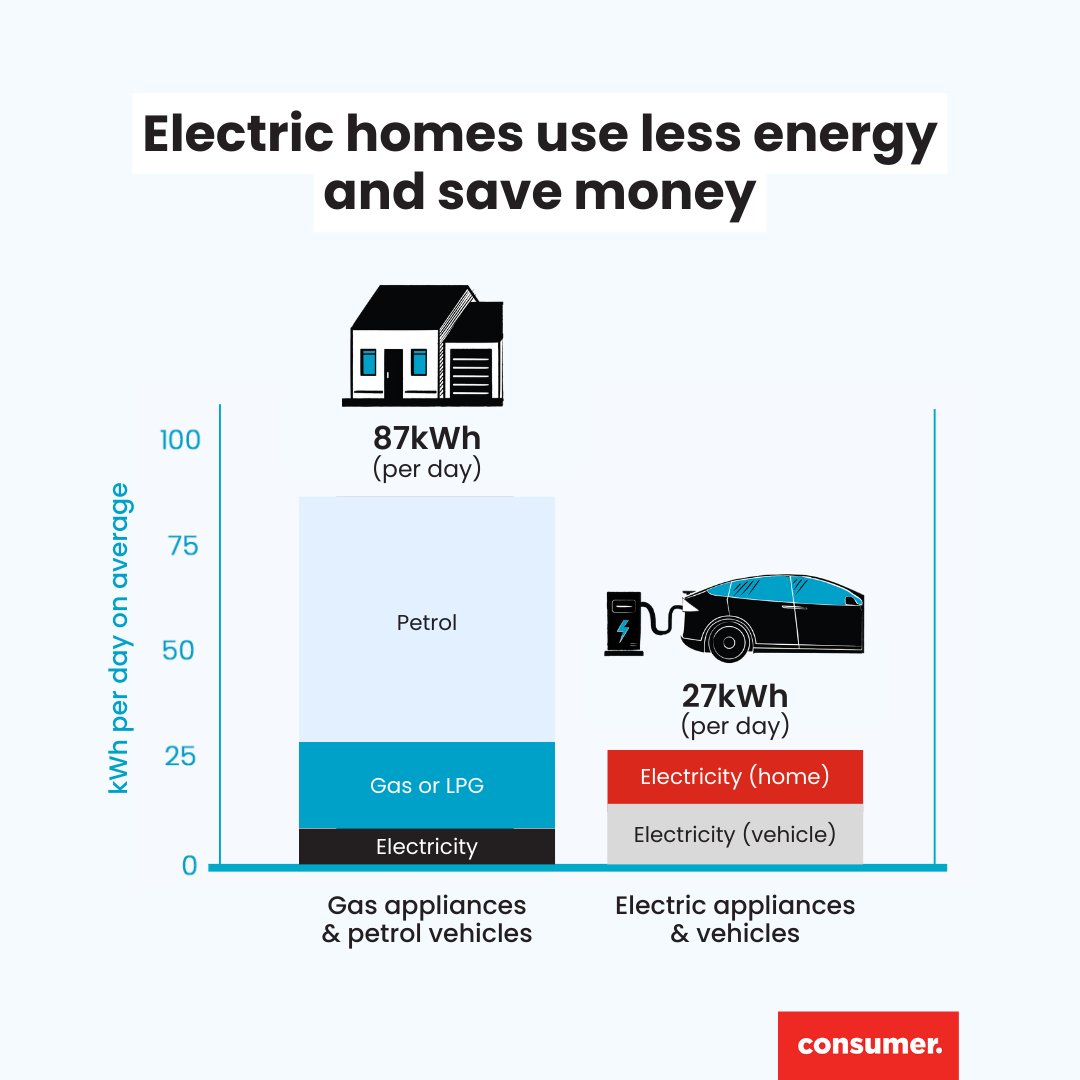
Electric appliances and vehicles are cheaper to run, but that doesn't mean you should rip out your gas cooktop tomorrow. The best time to think about electric alternatives is when something stops working and is uneconomical to repair.
Help us put pressure on the government to introduce a national scam framework that holds businesses to account.
Sign the petition now: https://t.co/sA7WEHBLUN
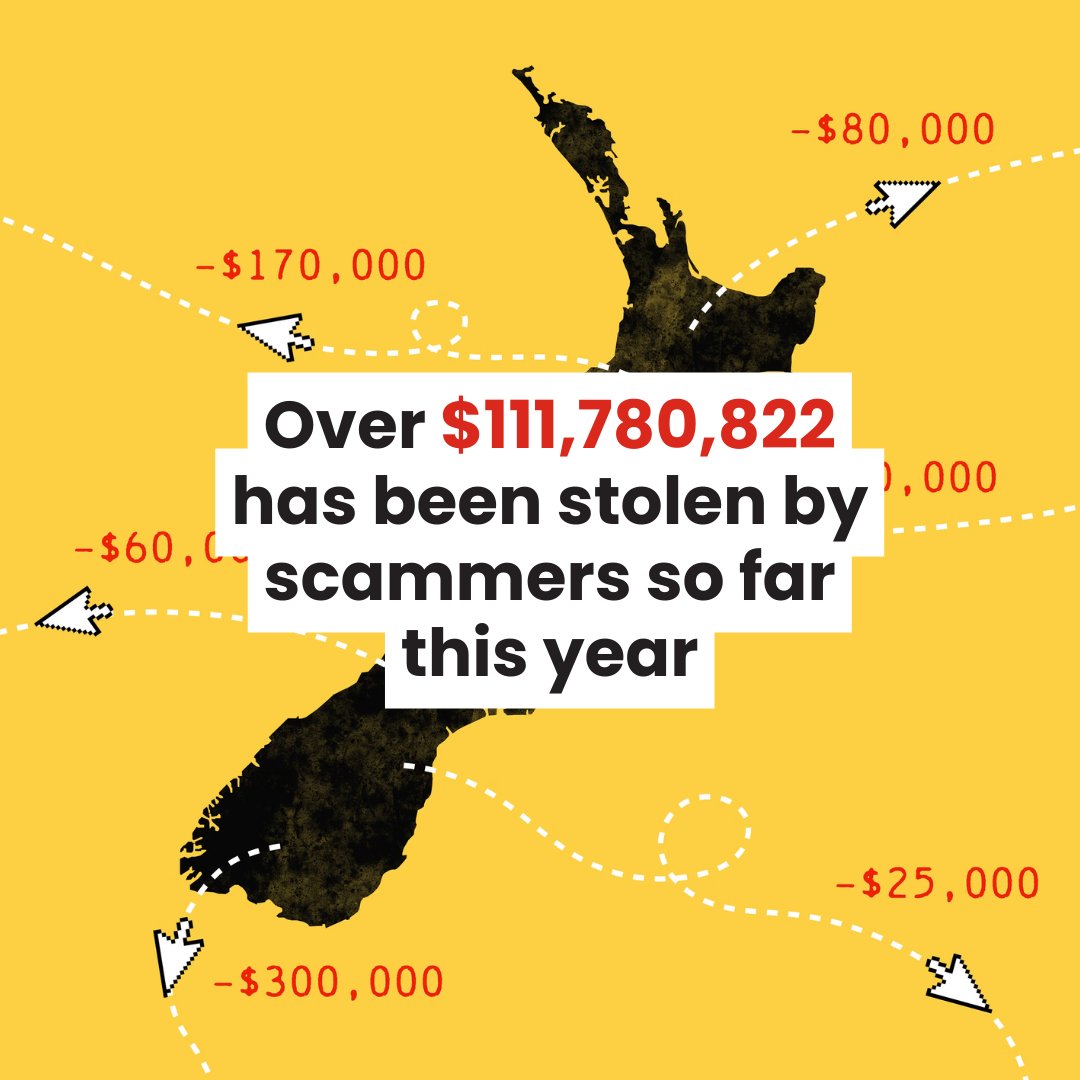
$200 million was stolen from 185,000 households in New Zealand last year. Modern scammers are increasingly sophisticated and difficult to detect, and sadly, New Zealand is falling behind countries like Australia, the UK and Singapore when it comes to scam protections.
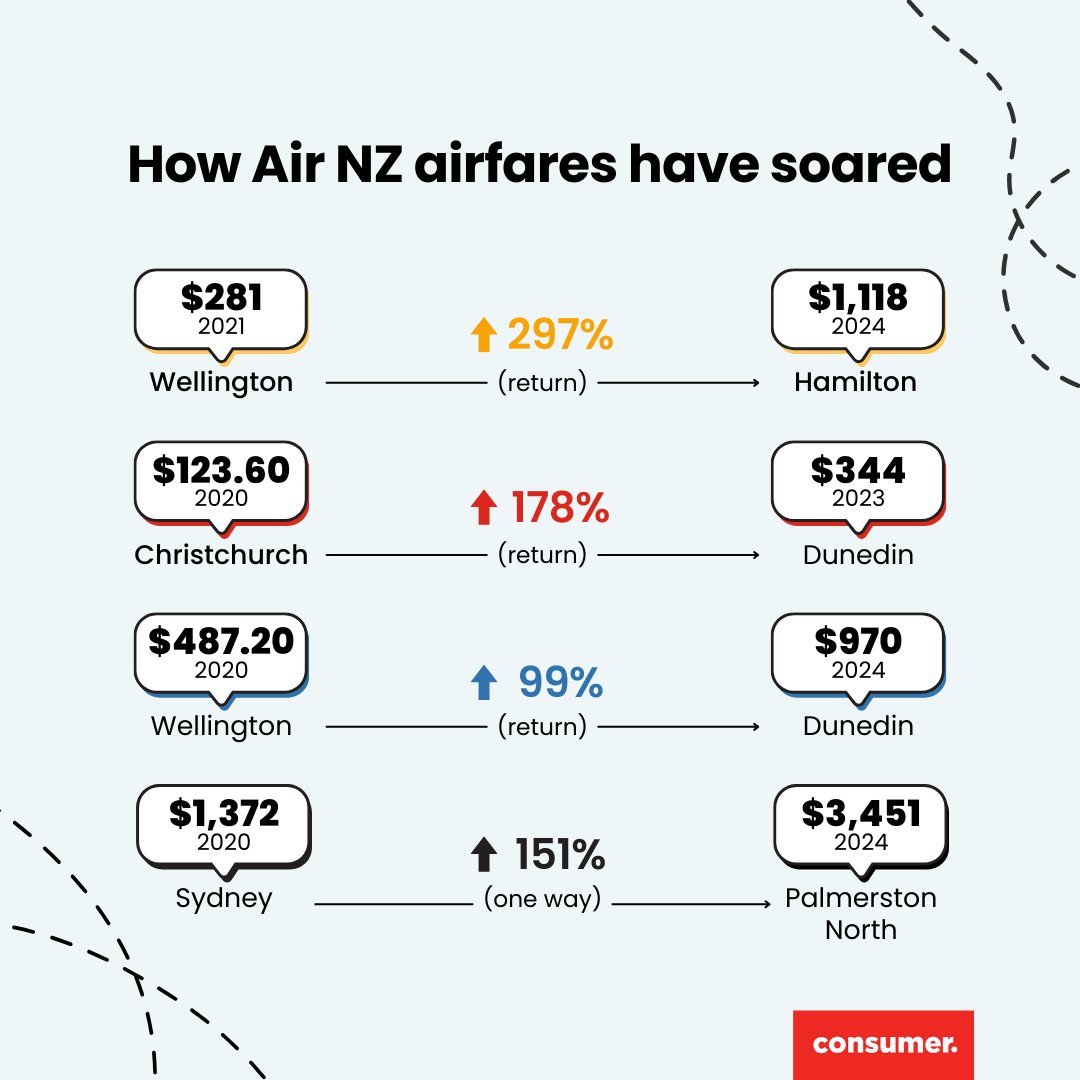
We compared fares for 11 Air New Zealand flights in 2023 and 2024 with fares for equivalent flights taken from 2019 to 2021, and found all flights were more expensive three or four years later.
Read more: https://t.co/kr1oeU2Eai
For those in this situation, it’s worth considering making the switch to induction.
Learn more about how you save on energy and emissions by switching to electric: https://t.co/iRfGVQZzI3
Having a gas cooktop is often the preference of home chefs. People love the precise control that they allow for. However, almost a third of gas cooktops in New Zealand homes are more than 10 years old, and could be due for replacement in the near future.
Vehicles are the biggest energy user in a household, and have the biggest cost and uncertainty. If you buy an EV and charge at home, your electricity use will increase, but you'll save in the long run. On average, the running cost for an EV is a bit over half the cost of petrol.